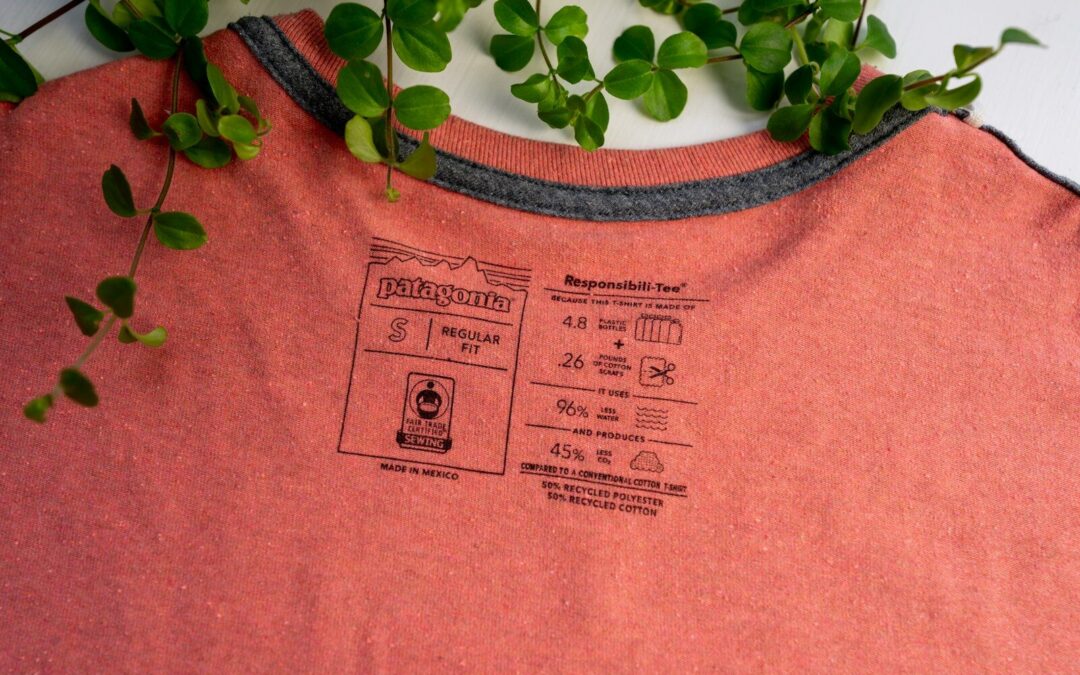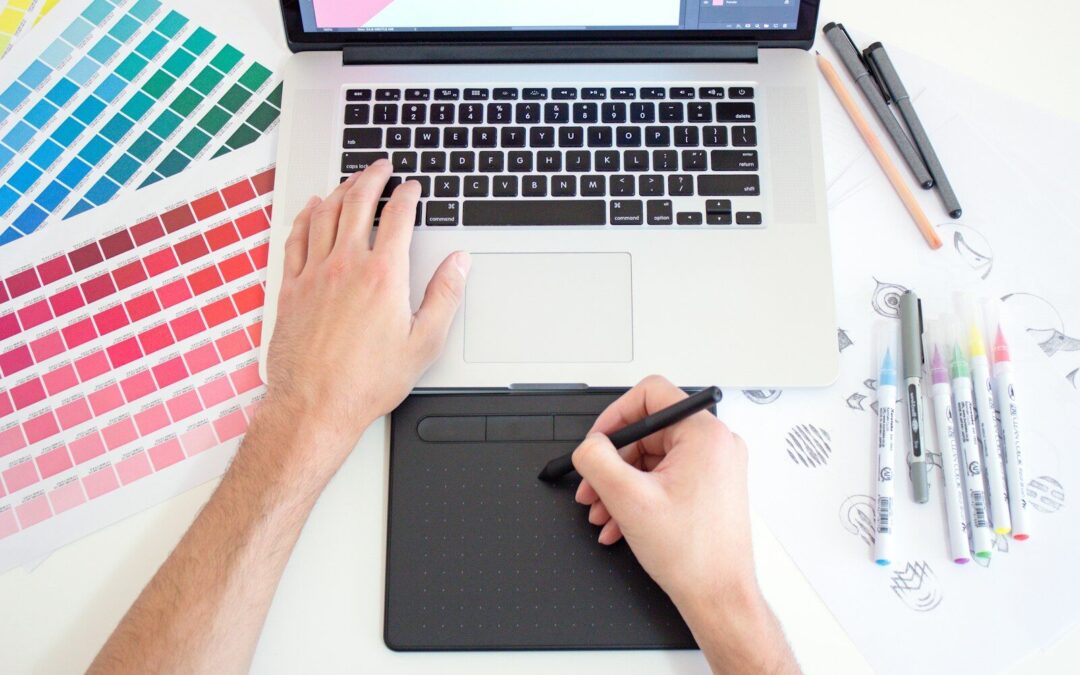
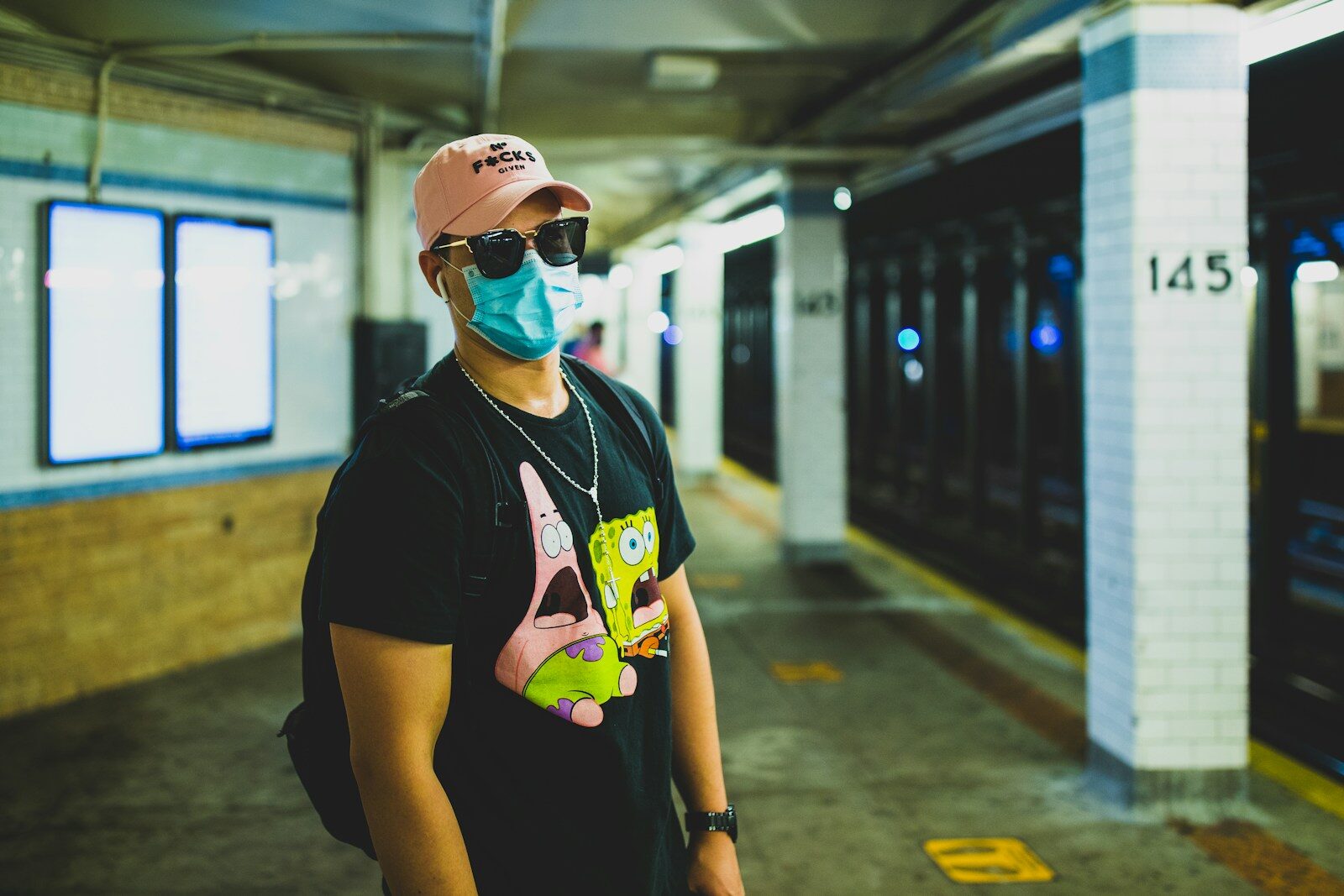
If you sell custom apparel, choosing the right printing method can make a huge difference in your production speed, print quality, profit margins, and customer satisfaction. Two of the most popular printing methods in the custom apparel world are DTF printing and DTG printing.
Both can produce full color prints. Both can be used for custom t-shirts, branded apparel, online stores, and small business orders. But when you compare DTF vs DTG, the better choice often depends on your fabric types, order volume, budget, turnaround needs, and long-term business goals.
At Limitless Transfers, we specialize in award-winning DTF transfers that are easy to use, fast to apply, and made for professional results. While I believe both DTF and DTG have their place in the printing industry, DTF has become one of the most flexible and cost-effective options for small businesses, print shops, apparel decorators, and creators who want durable prints without taking on the full cost of in-house equipment.
Let’s break down DTF vs DTG printing so you can choose the right printing method for your business.
What Is DTF Printing?
DTF printing, also known as direct to film printing, is a printing technique where a design is printed onto a special transfer film using DTF inks. After printing, adhesive powder is applied to the ink, and the transfer goes through a curing process. Once it is ready, the design can be heat-pressed onto a garment or product.
The basic DTF printing process looks like this:
- A custom design is printed onto special transfer film.
- White ink is added as an underbase to help the design stand out.
- Adhesive powder is applied to the printed image.
- The transfer is cured.
- The finished transfer is applied with a heat press.
- The film is peeled away, leaving the design on the fabric.
One of the biggest advantages of direct-to-film DTF is that it works on various fabrics. DTF transfers can be applied to cotton, polyester, blends, synthetic fabrics, dark fabrics, light fabrics, and many other materials. That flexibility makes DTF a strong choice for small businesses that want to create custom apparel without being limited to one fabric type.
At Limitless Transfers, our DTF transfers are true hot-peel, which helps speed up production. We also offer no minimum order requirements, same-day shipping on orders placed by noon EST, free UPS Ground shipping over $50, and multiple ordering options, including gang sheet upload, our builder tool, and by-size ordering.
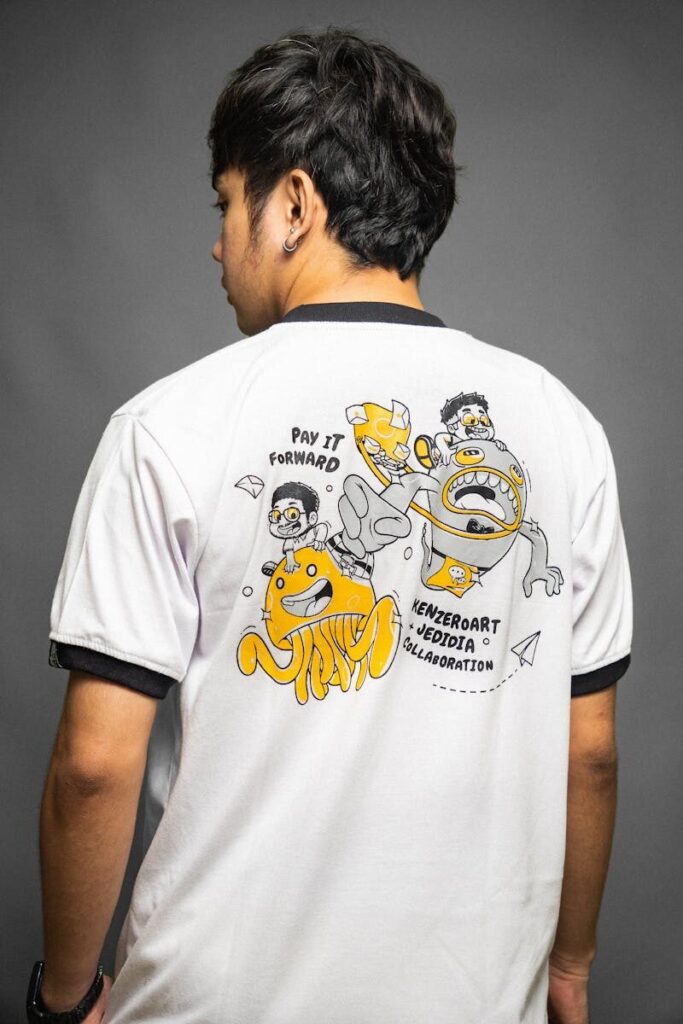
Photo by Kenneth Surillo on Pexels
What Is DTG Printing?
DTG printing, also known as direct-to-garment printing, uses inkjet technology to apply ink directly onto fabric. A DTG machine works somewhat like an inkjet printer, but instead of printing on paper, it prints directly onto a garment.
The direct-to-garment DTG process usually involves:
- Preparing the garment.
- Applying pretreatment, especially for dark garments.
- Loading the garment into the DTG printer.
- Printing the design directly onto the fabric.
- Curing the ink with heat.
DTG printers use water-based inks that soak into the natural fabric fibers. Because of this, DTG printing tends to work best on cotton garments and natural fibers. It can produce soft, detailed, full color prints, especially on cotton shirts.
DTG is often a good choice for printing photos, intricate designs, and custom designs on natural materials. However, it can have fabric limitations, especially when working with synthetic fabrics, polyester, blends, or certain dark colored garments.
DTG printers range widely in cost, and production costs can add up when you factor in the DTG machine, pretreatment, DTG inks, maintenance, curing equipment, labor, and learning curve.
DTF vs DTG: Key Differences Between the Two Printing Methods
When comparing DTF vs DTG, it helps to look at how each printing process works in real production. Both DTF and DTG can create vibrant prints, but they do it in different ways.
DTF Printing vs DTG Printing Process
With DTF printing, the design is first printed onto transfer film. The adhesive powder helps the ink bind to the garment once it is applied with a heat press.
With DTG printing, the printer applies ink directly to the garment. The ink binds with the fabric fibers, which is why DTG works best on natural fabrics like cotton.
The main difference is this: DTF uses a transfer process, while DTG prints directly onto fabric.
That difference affects fabric compatibility, production speed, durability, and workflow.
Direct to Film Printing vs Direct to Garment Printing on Fabric Types
Fabric flexibility is one of the biggest reasons many businesses choose DTF.
DTG printing usually performs best on cotton garments and natural fabric fibers. If your business mainly prints on 100% cotton shirts, DTG can be a strong option.
DTF printing works on a wider range of materials, including:
- Cotton
- Polyester
- Cotton-poly blends
- Synthetic fabrics
- Dark fabrics
- Light fabrics
- Hoodies
- T shirts
- Tote bags
- Certain specialty materials
This makes DTF more flexible for businesses that offer different product styles. If your customers want cotton shirts one day, polyester team apparel the next, and blended hoodies after that, DTF transfers can make production much easier.
Color Vibrancy in DTF and DTG Printing
Both methods can produce vibrant colors, but the final look depends on the design, fabric, ink, printer, curing process, and application.
DTG can produce beautiful full-color prints on cotton garments, especially when the garment is pretreated correctly. It is often praised for photo-style printing and soft results on light fabrics.
DTF prints tend to deliver bold color vibrancy across more fabric types. Since DTF uses a white ink underbase and is heat pressed onto the garment, the design can stand out well on dark fabrics, synthetic fabrics, and colored garment options.
If your business needs more vibrant prints across many different materials, DTF may be the better fit.
Print Durability and Wash Performance
Print durability matters because customers expect their custom apparel to last. Nobody wants a shirt that cracks, fades, or peels after a few washes.
DTG print durability depends heavily on the fabric, pretreatment, curing, and wash care. When done correctly on cotton garments, DTG can create soft and durable prints.
DTF transfers are known for strong durability when applied properly with the right heat press settings. The adhesive powder helps the print bond to the garment, which can create durable prints with good stretch and wash performance.
For best results with DTF, proper application is key. Heat, pressure, time, and peel instructions all matter.
Production Speed and Bulk Orders
Production speed is another major factor in the DTG vs DTF conversation.
DTG printing can be efficient for one-off cotton shirts, but each garment usually needs to be loaded, printed, cured, and sometimes pretreated. That process can slow things down, especially for bulk orders or mixed garment types.
DTF transfers can be produced ahead of time and stored until they are ready to press. Once your transfers arrive, you can line them up, press them, peel them, and move through orders quickly. With true hot-peel DTF transfers, production can move even faster.
For small businesses, this is a big advantage. You can order custom transfers, keep popular designs on hand, and press products as orders come in.
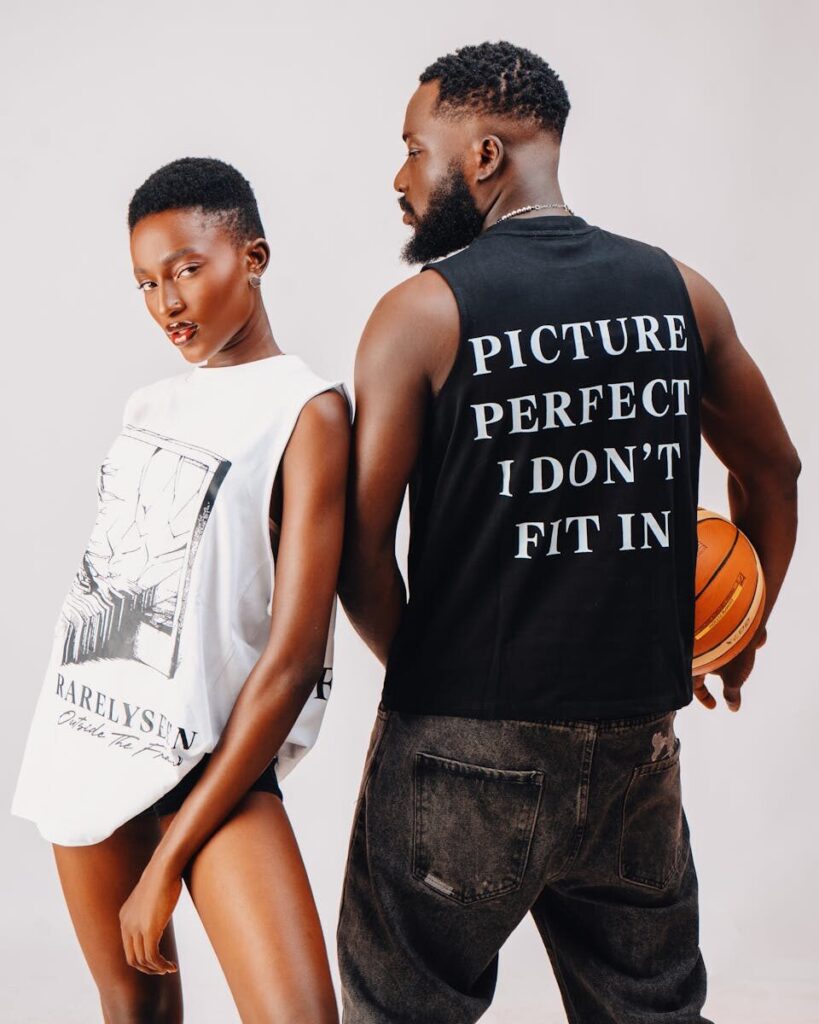
Photo by Aj Collins Artistry on Pexels
Pros and Cons of DTF Printing
Like every printing method, DTF has strengths and limitations. The key is knowing whether those strengths match your business needs.
Pros of Direct to Film DTF
DTF works on many fabrics.
This is one of the biggest advantages of DTF printing. It can be used on cotton, polyester, blends, synthetic fabrics, dark garments, and light fabrics.
DTF is great for full color prints.
DTF handles full color designs, fine details, bold graphics, and intricate designs well.
DTF transfers are cost-effective.
You do not need to invest in DTF printers, inks, special transfer film, adhesive powder, maintenance, or production training if you order ready-to-press transfers from a supplier like Limitless Transfers.
DTF is ideal for small orders and bulk orders.
With no minimums, you can order one transfer or a large production run.
DTF can speed up production.
True hot-peel transfers help reduce wait time during the pressing process.
DTF offers strong durability.
When applied correctly, DTF transfers can produce durable prints with good wash performance.
DTF reduces setup stress.
You can upload your design, order transfers, and press them in-house without managing the full printing process yourself.
Cons of DTF Printing
DTF requires a heat press.
You need a quality heat press and proper application settings to get consistent results.
Application matters.
If heat, time, or pressure is incorrect, the transfer may not perform as expected.
The feel can vary by design.
Large, solid designs may feel slightly different than smaller designs with negative space.
That said, for many small businesses, DTF offers a strong balance of quality, speed, flexibility, and affordability.
Pros and Cons of DTG Printing
DTG also has real strengths, especially for certain types of apparel businesses.
Pros of Direct to Garment DTG
DTG can produce soft prints on cotton.
Because DTG inks soak into natural fabric fibers, the print can feel very soft on cotton garments.
DTG is good for detailed artwork.
DTG can handle printing photos, gradients, and intricate designs, especially on light cotton shirts.
DTG works well for one-off cotton orders.
If you already own a DTG printer, it can be convenient for single custom shirts.
DTG prints directly onto the garment.
There is no transfer film to apply, since the ink is printed directly onto the fabric.
Cons of DTG Printing
DTG has fabric limitations.
DTG works best on natural fibers and cotton garments. It is not always ideal for synthetic fabrics, polyester, or blends.
DTG equipment can be expensive.
A DTG printer, pretreatment machine, curing equipment, DTG inks, maintenance, and supplies can increase production costs.
DTG requires pretreatment for many garments.
Dark fabrics often require pretreatment before printing, which adds time and another step to the process.
DTG may be slower for bulk orders.
Each garment must be printed individually, which can slow down larger production runs.
DTG requires ongoing maintenance.
Like other inkjet printer systems, DTG printers need regular care to prevent clogs and maintain print quality.
DTF and DTG Compared to Screen Printing
Screen printing has been one of the most popular printing methods for a long time, and it still has a place in the printing industry. It can be very cost-effective for large bulk orders with simple designs and limited colors.
However, screen printing often comes with setup costs, art fees, color limitations, and minimum order requirements. If your design has full color artwork, fine details, or many colors, the process can become more expensive or more complicated.
That is where DTF and DTG both offer advantages.
For small orders, custom designs, and full color prints, both DTF and DTG can be more flexible than traditional screen printing. But when you also need material flexibility, easy application, fast turnaround, and the ability to handle different fabric types, DTF is often the stronger option.
Which Method Is Best: DTG vs DTF Printing?
So, which printing method is best for your business?
The honest answer is that it depends on what you print, how often you print, and what kind of products your customers want.
Choose DTG Printing If:
- You mainly print on cotton garments.
- You want a very soft feel on natural fibers.
- You already own and maintain a DTG machine.
- You mostly print one-off cotton shirts.
- Your designs are photo-heavy and intended for light fabrics.
Choose DTF Printing If:
- You want to print on various fabrics.
- You need a flexible option for cotton, polyester, blends, and synthetic fabrics.
- You want vibrant prints on dark garments and light garments.
- You need custom apparel without high setup costs.
- You want to avoid buying DTF printers or DTG printers.
- You want to be ready to press transfers.
- You need a cost-effective option for small orders and bulk orders.
- You want fast production and consistent results.
- You want to use a heat press and skip the full printing setup.
For many small businesses, print shops, e-commerce sellers, and creators, DTF offers a better combination of flexibility, durability, speed, and cost control.
Why I Recommend DTF Transfers for Growing Businesses
At Limitless Transfers, I believe DTF transfers make professional custom apparel more accessible. You do not need to buy expensive equipment, manage DTF inks, maintain printers, stock special transfer film, or troubleshoot the full DTF printing process yourself.
We handle the printing, so you can focus on selling, pressing, packaging, and growing your business.
Our DTF transfers are made for creators who need quality without the hassle. With award-winning print quality, true hot-peel transfers, vibrant colors, soft-hand feel, no minimums, free UPS Ground shipping over $50, and same-day shipping on orders placed by noon EST, we make it easier to create custom apparel that looks professional and feels reliable.
Whether you are creating custom t-shirts, team apparel, branded merch, event products, or online store inventory, DTF gives you room to create, test, scale, and serve your customers better.
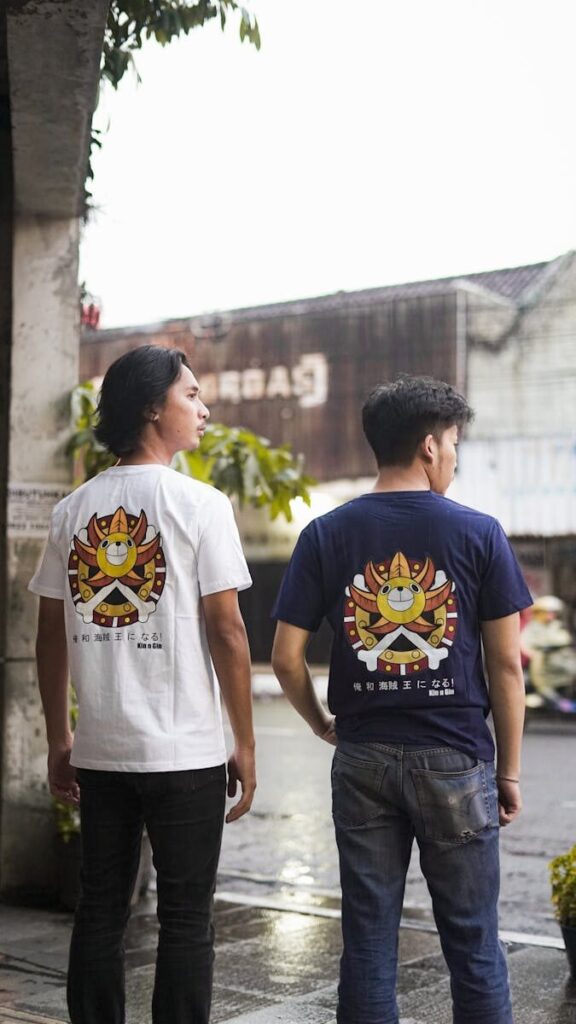
DTF Printing, Artwork & Application Resources
DTF transfers are simple to use once you understand the basics, but small details can make a big difference. The resources below explain how direct-to-film transfers are printed, how to prepare artwork, how to use a heat press correctly, and how to care for finished garments.
- What Is Direct-to-Film Printing? A Guide to DTF Printing
- DTF: A New Way to Personalize Textile Printing
- The Pros and Cons of DTF and DTG Printing
- The Nuts & Bolts of Direct-to-Film Apparel Decorating
- The Tidal Wave That Is Direct-to-Film Apparel Decorating
- How to Identify High-Quality DTF Transfers
- 10 DTF Printing Mistakes and How to Fix Them
- Designing for DTF
- Designing for DTF Transfers
- Artwork Tips for DTF Transfers
- Direct-to-Film Transfers: Cricut Help Center
- TruePrint DTF Application Instructions
- Material Application Instructions from STAHLS’
- Heat Press 101 Tutorial
- Sizing and Placement Guidelines for T-Shirt Transfers
- How to Care for Clothes with Heat Transfers
- Ways to Properly Cure DTF Prints
- Heat Transfer Powder Curing Guide
- How to Print Direct to Film on Polyester and Performance Wear
- How to Create Special Effects with DTF Heat Transfers
From choosing the right artwork file to understanding pressure, temperature, peel timing, and fabric compatibility, these resources can help you avoid common DTF mistakes and create more professional results. Use them as a helpful guide, but always follow the instructions provided with your specific transfers.
Final Takeaway on DTF vs DTG
When comparing DTF vs DTG, both printing methods can create high-quality custom apparel. DTG printing works well for cotton garments, natural fibers, and certain photo-style designs. DTF printing offers more flexibility across fabric types, stronger versatility for dark fabrics and synthetic fabrics, and a simpler path for businesses that want professional results without investing in expensive printing equipment.
If your business needs a printing method that is flexible, durable, cost-effective, and easy to scale, DTF transfers are hard to beat.
At Limitless Transfers, we are here to help you create better products with less stress. Upload your design, build a gang sheet, or order custom DTF transfers by size, and we will get your transfers printed, shipped, and ready to press.