Great results with DTF transfers do not happen by accident.
They come from the right artwork, the right transfer quality, the right heat press settings, the right pressure, the right material, and a process you can repeat with confidence.
That is one of the reasons we love DTF so much.
When used correctly, DTF transfers can help small business owners, print shops, apparel decorators, Etsy sellers, Shopify brands, event companies, and DIY creators produce professional results without needing to manage the entire printing process in-house.
At Limitless Transfers, we specialize in award-winning DTF printing and true hot-peel transfers. We were recognized in 2024 and 2025 for 1st Place Quality in DTF Printing, and our goal is simple: help you create vibrant, accurate, long-lasting prints with a soft-hand feel and easy application.
Whether you are creating one shirt, testing a new product drop, filling customer orders, or running high-volume production, these best practices can help you get consistent, high-quality DTF transfer results every time.
Why DTF Transfers Best Practices Matter
DTF transfers are one of the most flexible printing methods available, but every step still matters.
DTF stands for Direct-to-Film. With this process, your artwork is printed onto a special film using specially formulated DTF inks. Adhesive powder is applied to the ink, then heat is used to cure the transfer so it becomes ready to press.
From there, the transfer is applied to the garment or material with a heat press.
That process allows DTF to work on almost any fabric, including cotton, polyester, blends, denim, canvas, leather, and more. It can handle full color designs, detailed designs, fine details, crisp text, vibrant color designs, and artwork that may be difficult with some other printing methods.
But even the best transfers need proper application.
If the heat is wrong, the press is uneven, the pressure is too light, the fabric is not prepped, or the artwork was not set up correctly, the final print may not meet expectations.
Best practices help you avoid common problems like:
- Peeling
- Cracking
- Fading
- Dull colors
- Poor adhesion
- Uneven texture
- Blurry artwork
- Wrong sizing
- Reduced durability
- Inconsistent results
When you follow a strong process, you protect your time, your money, your materials, and your reputation.
Custom DTF Transfers Start With Good Artwork
Custom DTF transfers begin with the image you upload.
Your transfer can only print as clearly as the file allows. If the artwork is blurry, pixelated, stretched, too small, or poorly prepared, the finished garment may show those issues.
Before you place an order, check your artwork carefully.
Make sure your design is:
- High resolution
- Sized correctly
- Clean around the edges
- Free of unwanted backgrounds
- Properly centered
- Easy to read
- Saved in the recommended format
- Ready for the final product size
This is especially important for small text, thin lines, logos, and fine details.
DTF printing can produce incredible detail, but the file has to support that level of quality. If you are planning to resize a design, make sure the image does not lose sharpness. A design that looks good on a screen may not look the same when printed full-size on a shirt.
At Limitless Transfers, we make the upload and ordering process simple, but checking your artwork before checkout is one of the easiest ways to avoid mistakes.
DTF Printing Quality Makes a Difference
DTF printing quality depends on the transfer company, equipment, ink, film, adhesive powder, curing process, and quality control.
Not all transfers are made the same.
A low-quality transfer may look dull, feel heavy, crack early, or peel after only a few washes. A high-quality DTF transfer should deliver vibrant colors, crisp details, bright whites, smooth finishes, and long-lasting durability when applied correctly.
At Limitless Transfers, our DTF printing process is built for professional results. We use specially formulated DTF inks, quality film, and production methods designed to create transfers that are ready to press and easy to apply.
That means you can focus on creating, pressing, selling, and growing your business instead of worrying about whether your transfers will perform.
Quality matters because your customers notice.
They notice the color.
They notice the feel.
They notice how the print holds up.
They notice whether the shirt looks professional after repeated wear and washing.
That is why starting with high-quality transfers is one of the most important best practices of all.
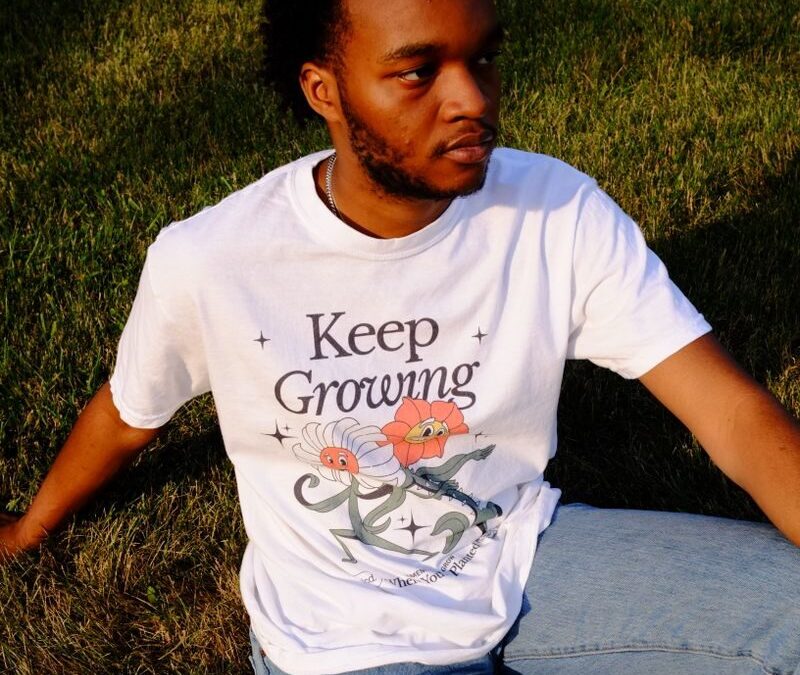
Photo by Drop the Label Movement on Unsplash
Heat Press Setup Is Essential
Your heat press plays a major role in the final result.
A household iron or Cricut-style handheld press may work for some craft projects, but for consistent DTF results, a reliable heat press is the better choice. DTF transfers need controlled heat, even pressure, and the correct press time to bond properly to the garment.
Before pressing, make sure:
- Your heat press is fully heated
- The temperature is accurate
- The pressure is even
- The platen is clean
- The garment is flat
- The transfer is positioned correctly
- The material can handle the heat
- You are following the recommended instructions
Pressure is one of the most common causes of application issues.
If pressure is too light, the transfer may not bond fully.
If pressure is uneven, parts of the design may lift.
If pressure is too heavy for the material, the garment may show marks or texture changes.
A good heat press setup helps improve consistency, reduce mistakes, and create better, long-lasting prints.
DTF Printers Are Not Required When You Order Ready-to-Press Transfers
You do not need your own DTF printers to get professional DTF results.
That is one of the biggest advantages of ordering ready-to-press transfers from a trusted company.
Running DTF printers in-house can be expensive and time-consuming. You need the printer, DTF ink, special film, adhesive powder, curing equipment, maintenance supplies, software, space, and time to troubleshoot issues.
For many businesses, that setup does not make sense right away.
Ordering DTF transfers allows you to skip the equipment investment while still offering custom apparel, promotional products, event shirts, business merch, and full color designs.
This is especially helpful for:
- New business owners
- Etsy sellers
- Shopify brands
- Amazon sellers
- Print shops adding DTF services
- Event companies
- Fundraisers
- Schools
- Sports teams
- DIY creators
At Limitless Transfers, we handle the DTF printing process so your transfers arrive ready to press.
That saves time, reduces stress, and helps you scale without taking on unnecessary costs.
DTF Transfers vs. Other Printing Methods
When comparing printing methods, DTF has several advantages.
Screen printing is a strong option for certain large-volume jobs, but it often requires setup, screens, and separate steps for different colors. Vinyl can work for simple designs, but it requires cutting and weeding, which can become time-consuming. Sublimation can produce beautiful results, but it is limited mostly to polyester and light-colored materials.
DTF is different.
DTF transfers can support:
- Full color designs
- Unlimited colors
- Fine details
- Bright whites
- Cotton
- Polyester
- Blends
- Dark fabrics
- Light fabrics
- Flexible production
- Small orders
- Bulk orders
- Easy application
- Long-lasting durability
That flexibility makes DTF a practical choice for many creators and businesses.
You can create one custom shirt or produce a full batch. You can test new designs without high setup costs. You can use gang sheets to maximize space. You can press on a wide range of materials.
That is what makes DTF such a strong solution in the custom apparel world.
Gang Sheets Help Maximize Space and Save Money
Gang sheets are one of the best tools for saving money with DTF transfers.
A gang sheet allows you to place multiple designs on one sheet. Instead of ordering each design separately, you can combine logos, chest prints, back designs, sleeve prints, name drops, and different sizes of the same design onto a single sheet.
This helps you maximize space and reduce waste.
Gang sheets are especially useful for:
- Print shops
- Apparel decorators
- Small business owners
- Bulk orders
- Product drops
- Sports teams
- Fundraisers
- Event apparel
- Multiple customer orders
To get the best results, leave enough space between each design so you can cut them apart easily. Make sure every design is the correct final size before uploading. Check spelling, backgrounds, and edges before checkout.
If you are not comfortable building your own gang sheet, our gang sheet builder makes the setup process easier.
A smart gang sheet can help you control costs without lowering quality.
Direct-to-Film Best Practices for Everyday Production
Direct-to-Film transfers are simple to use, but the best results come from a repeatable process.
Here is a beginner-friendly workflow that works well for most projects:
- Check your artwork.
- Choose the right transfer size or gang sheet.
- Confirm your garment or material.
- Pre-press the garment.
- Position the transfer.
- Press with the recommended heat, time, and pressure.
- Peel according to instructions.
- Complete a final press if recommended.
- Let the garment cool completely when needed.
- Follow proper care instructions.
This process helps reduce peeling, cracking, fading, and inconsistent application.
It also helps you build confidence. The more consistent your process is, the easier it becomes to produce professional results again and again.
Fine Details Need Extra Attention
DTF is a great choice for fine details, but small details still need to be set up correctly.
Thin lines, tiny lettering, small logos, detailed illustrations, and textured artwork can all print beautifully with DTF transfers when the file is clean and the design is sized properly.
Before ordering, ask:
Can the text be read at this size?
Are the lines thick enough to print cleanly?
Is the design too detailed for a small area?
Will the colors stand out on the garment?
Is the artwork high resolution?
Fine details matter in business logos, sports graphics, school apparel, sleeve designs, branded merchandise, and e-commerce products.
A design can look amazing on a large screen, but lose impact if it is printed too small.
The best practice is simple: size the design for the real product, not just the preview page.
Photo by BANDAR BAANT on Unsplash
10 Best Practices for DTF Transfers
Here are the 10 best practices we recommend for better DTF transfer results.
1. Start with high-quality artwork
Clean artwork leads to cleaner prints. Avoid blurry images, low-resolution files, and unwanted backgrounds.
2. Choose the right transfer size
Measure your garment before ordering. A design that is too small or too large can make the final product feel off.
3. Use gang sheets when you have multiple designs
Gang sheets help you save money and maximize space, especially for bulk orders or product drops.
4. Pre-press every garment
Pre-pressing helps remove moisture and wrinkles before applying the transfer.
5. Use a reliable heat press
Consistent heat and pressure are essential for strong adhesion and durability.
6. Follow time, temperature, and pressure instructions
Do not guess. Follow the recommended settings for your transfer and material.
7. Avoid seams, zippers, and uneven areas
Uneven pressure can cause lifting or incomplete bonding.
8. Pay attention to fabric type
Cotton, polyester, blends, and specialty fabrics may respond differently to heat.
9. Do a final press when recommended
A final press can improve finish, feel, and long-lasting durability.
10. Follow care instructions
Proper washing and drying help prevent fading, cracking, and premature wear.
Common Mistakes With DTF Transfers
Even experienced creators can make mistakes with DTF transfers.
Here are a few common issues to avoid.
Using low-quality artwork
If the image is blurry, the print may be blurry too.
Ordering the wrong size
Always check measurements before checkout.
Not using enough pressure
Light pressure can cause peeling or poor adhesion.
Pressing at the wrong temperature
Too little heat can prevent bonding. Too much heat can damage the garment or affect the transfer.
Pressing on the wrong material
DTF works on almost any fabric, but not every fabric handles heat the same way.
Skipping the pre-press
Moisture and wrinkles can affect results.
Peeling incorrectly
Follow the peel instructions for your transfer. Our true hot-peel transfers are made for speed, but technique still matters.
Not checking the order before uploading
Spelling errors, background issues, and wrong sizing can lead to wasted transfers.
Choosing price over quality
A cheaper transfer that fails can cost more money in the long run.
Mistakes happen, but most of them are preventable with the right process.
Pro Tips for Better DTF Results
Once you have the basics down, a few pro tips can make your process even smoother.
Keep a press log
Write down the heat, pressure, time, material, and results for each product. This helps you repeat what works.
Test new fabrics
If you are pressing on a new material, test before producing a full order.
Store transfers properly
Keep transfers flat, clean, dry, and protected until you are ready to press.
Use quality blanks
Even great transfers can look less professional on poor-quality garments.
Build gang sheets by project
Group designs by customer, order, or product drop to stay organized.
Check your pressure regularly
Heat press pressure can shift over time. Make sure it stays consistent.
Keep your work area clean
Dust, lint, and debris can affect the finished print.
Order early when deadlines matter
Fast shipping helps, but planning gives you room to press, inspect, and package orders.
These habits help improve consistency, reduce mistakes, and protect your brand.
Why Limitless Transfers Helps You Get Better Results
At Limitless Transfers, we want DTF to feel simple, reliable, and scalable.
We know our customers care about speed, quality, and ease of use. That is why we offer:
- Award-winning DTF printing quality
- High-quality DTF transfers
- Custom DTF transfers
- True hot-peel transfers
- Fast turnaround
- Same-day shipping on orders placed by noon EST
- Free UPS Ground shipping on orders over $50
- No minimum order requirements
- Gang sheet upload
- Gang sheet builder tool
- DTF transfers by size
- Vibrant CMYK+W color accuracy
- Bright whites
- Fine details
- Soft-hand feel
- Long-lasting durability
- Heat presses and supplies
- Satisfaction guarantee
Whether you are a small business owner making your first product drop or a print shop managing bulk orders, we are here to help you produce better results with less stress.
You do not need to figure out the whole process alone.
We built Limitless Transfers to support creators at every level.
DTF Transfer Help for Beginners
New to custom DTF transfers? These articles and videos explain the basics in a simple, practical way. You’ll learn how direct-to-film printing works, how to prepare artwork, how transfers are applied, and what to know before pressing your design.
- What Is Direct-to-Film Printing? A Guide to DTF Printing
- DTF: A New Way to Personalize Textile Printing
- The Pros and Cons of DTF and DTG Printing
- The Nuts & Bolts of Direct-to-Film Apparel Decorating
- The Tidal Wave That Is Direct-to-Film Apparel Decorating
- How to Identify High-Quality DTF Transfers
- 10 DTF Printing Mistakes and How to Fix Them
- Designing for DTF
- Designing for DTF Transfers
- Artwork Tips for DTF Transfers
- Direct-to-Film Transfers: Cricut Help Center
- TruePrint DTF Application Instructions
- Material Application Instructions from STAHLS’
- Heat Press 101 Tutorial
- Sizing and Placement Guidelines for T-Shirt Transfers
- How to Care for Clothes with Heat Transfers
- Ways to Properly Cure DTF Prints
- Heat Transfer Powder Curing Guide
- How to Print Direct to Film on Polyester and Performance Wear
- How to Create Special Effects with DTF Heat Transfers
For small business orders, custom apparel, events, team gear, or creative projects, understanding temperature, pressure, timing, placement, curing, and wash care can help you create finished pieces that look polished and last longer.
Photo by tian dayong on Unsplash
Get Better DTF Transfers by Building a Better Process
Perfect results come from consistency.
The right artwork.
The right transfer.
The right heat press.
The right pressure.
The right material.
The right process.
When those pieces come together, DTF transfers can help you create durable, vibrant, professional products your customers will love.
At Limitless Transfers, we are proud to provide transfers that are ready to press, easy to apply, and made for creators who care about quality.
Whether you are producing t-shirts, hoodies, totes, event apparel, branded merchandise, or custom gifts, these best practices can help you get better results every time.
Upload your design today and get ready to press with Limitless Transfers.