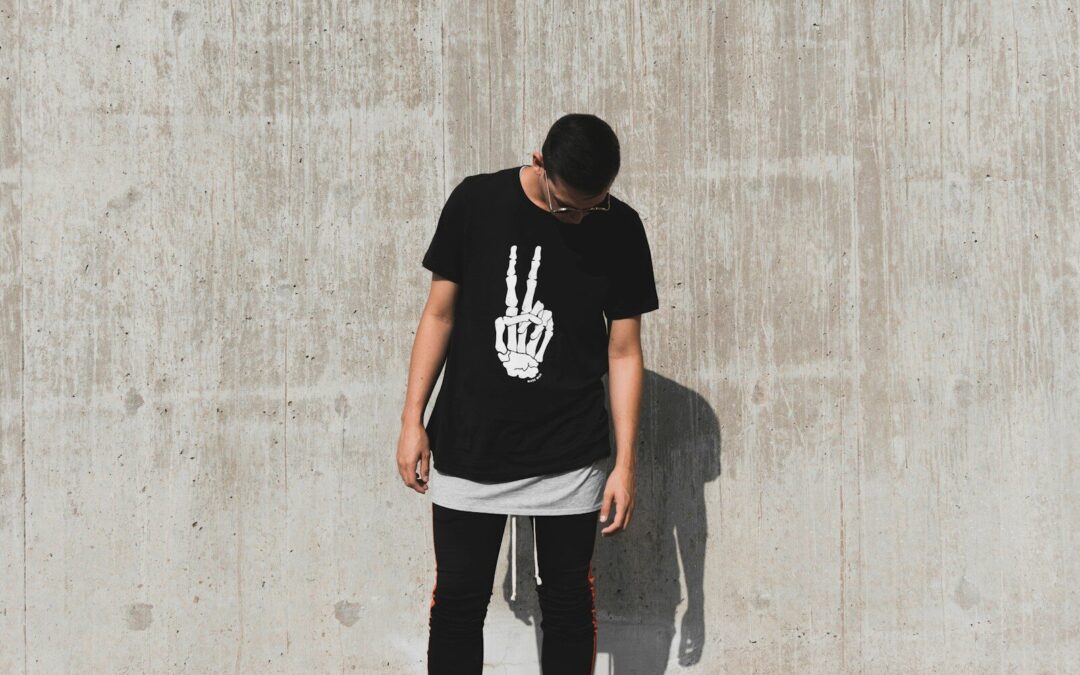
Choosing the right blank t shirts for DTF (direct-to-film) transfers means weighing fabric composition, garment weight, fit, and your project’s end goal. DTF transfers bond beautifully to cotton, polyester, and tri-blends alike — but pairing the right blank with the right print method is what separates average results from retail-ready apparel that keeps customers coming back.
Choosing the right blank t-shirt is one of the most important decisions in the custom apparel process. You can spend hours perfecting a design and produce it with professional-grade transfers, but even the highest-quality DTF print can only perform as well as the garment it’s applied to. The shirt is the canvas — and a flawed canvas compromises the final product.
Every day, the team at Limitless Transfers helps customers select blank shirts that match their project goals, target audience, budget, and desired print results. We see firsthand how the right garment choice transforms an average tee into a premium retail product. It prevents costly returns and builds long-term brand loyalty.
In this guide, we break down the essential factors to evaluate before placing your next apparel order — fabric types, weight, fit, color, sizing, print compatibility, and the most common purchasing mistakes that derail custom apparel projects.
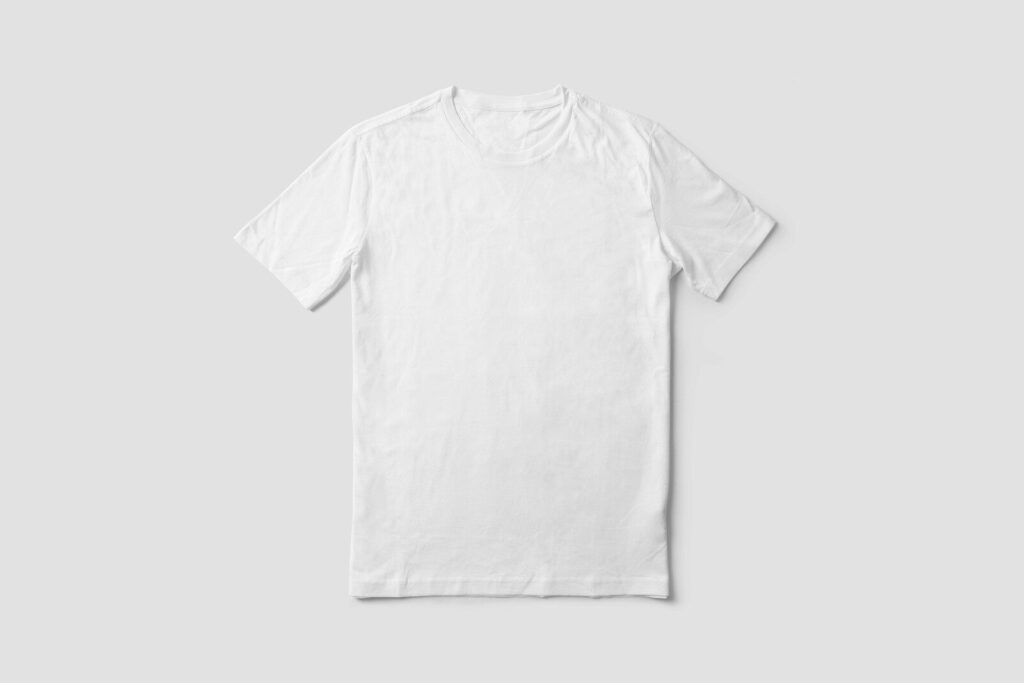
Why the Right Blank Shirt Makes a Difference
Your Blank Shirts Are the Foundation of Every Design
Blank apparel directly impacts print appearance, comfort, and customer satisfaction. When a DTF transfer is applied to a shirt, the adhesive bonds with the fabric fibers during the heat press process. A smooth, tightly woven fabric creates a clean surface, resulting in vibrant colors and crisp edges. A poor-quality garment, on the other hand, can make the print look textured, faded, or uneven.
Garment quality also shapes the perceived value of your finished product. If you’re building a premium fashion brand, your customers expect a soft hand feel and durable stitching. Using a scratchy, low-cost shirt immediately undercuts the impact of even the most striking design.
Different Projects Require Different Shirts
Not every custom apparel project needs the same blank. Aligning the garment to the use case is essential:
- Custom retail brands: Retail-ready garments with tear-away tags let you add custom neck labels and charge premium prices.
- Event apparel: Budget-friendly, durable shirts work best for marathons, festivals, or one-off events where cost control matters.
- School spirit wear: Heavyweight cotton or moisture-wicking blends hold up well against the daily demands of active students.
- Promotional giveaways: Universally flattering, cost-effective styles make sense for trade shows and bulk distribution.
- Corporate apparel: Polos and quality quarter-zips offer a polished look for employee uniforms.
- E-commerce businesses: Consistent, easily restocked blanks prevent fulfillment delays when orders scale.
Resource: Check out the SanMar Apparel Catalog to browse a wide range of corporate and promotional blank options.
How DTF Transfers Work Across Fabrics
Direct-to-film printing stands out for its versatility. Unlike sublimation — which requires at least 65% polyester content and light-colored garments to prevent faded designs — or screen printing, which works best on 100% cotton or high-cotton blends and struggles with full-color gradients, DTF is compatible with nearly any material. The powder adhesive melts into the fabric during pressing, creating a strong, flexible bond that moves with the garment.
This means you can apply DTF transfers to t-shirts, hoodies, tank tops, jackets, canvas bags, leather goods, and much more. Choosing the right garment helps maximize transfer performance. For example, applying Limitless Transfers’ hot-peel DTF technology to a smooth, 100% ringspun cotton shirt yields a stunning, retail-ready result with an incredibly soft feel.
Fabric Types For Blank Apparel: What You Need to Know
100% Cotton
Pure cotton is the most common choice for everyday wear — and for good reason. It’s durable, breathable, and takes DTF transfers exceptionally well, delivering a clean, matte finish. It’s also the preferred fabric for Direct-to-Garment (DTG) printing and screen printing. For DTG specifically, 100% cotton is essential for optimal color vibrancy. Screen printing also performs best on 100% cotton or high-cotton blends.
The type of cotton matters too:
- Carded open-end cotton is the most basic and budget-friendly option. It’s coarser in texture and less refined, making it a common choice for value-priced promotional blanks.
- Ringspun cotton is made by continuously twisting and thinning cotton fibers into a tighter, smoother yarn. The result is a fabric that’s softer, more durable, and smoother to the touch than standard cotton — and it creates an excellent canvas for detailed designs and screen printing.
- Combed cotton takes the process a step further by removing short fibers and impurities before spinning. The result is a silkier, stronger fabric with a noticeably refined feel.
Polyester and Poly-Cotton Blends
Polyester and cotton/polyester blends are a practical choice for athletic wear and performance apparel. Poly-blended fabrics are lightweight, moisture-wicking, and resistant to shrinkage — a significant advantage over 100% cotton. Blends also tend to be more durable and hold their shape better over time. DTF transfers adhere well to these fabrics, though you should monitor heat press temperatures carefully to avoid dye migration on lighter-colored poly garments.
Remember: if you’re working with sublimation rather than DTF, the garment must contain at least 65% polyester — otherwise, colors will appear faded and washed out.
Tri-Blends
Tri-blend fabrics — typically a mix of cotton, polyester, and rayon — offer extreme softness, excellent stretch, and a low shrinkage rate. They drape beautifully and carry a natural vintage look that appeals to fashion-forward consumers. Tri-blends are ultra-soft and slightly stretchy, making them a popular choice for lifestyle brands and premium retail lines.
Organic and Specialty Fabrics
Organic cotton and eco-conscious blends are growing in demand. These fabrics add perceived value for environmentally aware consumers and pair well with high-quality DTF prints for any occasion. For brands targeting eco-conscious audiences, organic options can be a meaningful differentiator.
Understanding Fabric Weight For Blank Clothing
Fabric weight is measured in grams per square meter (GSM) or ounces per square yard, and it directly changes the feel and perceived quality of a t-shirt.
Lightweight T-Shirts (approx. 3.5–4.5 oz / 120–150 GSM)
Lightweight shirts are soft, breathable, and comfortable — ideal for warm weather and summer product lines. They’re also popular for high-volume printing runs where cost efficiency matters. The trade-off is that they can feel thinner or less substantial, which may not suit every brand aesthetic.
Midweight T-Shirts (approx. 4.5–5.5 oz / 150–185 GSM)
Midweight shirts are the industry standard. They provide structure while remaining comfortable, striking a balance between durability and softness. They’re suitable for most promotional needs and versatile enough for everyday wear, retail collections, and corporate apparel alike.
Heavyweight T-Shirts (6.0 oz and above / 185+ GSM)
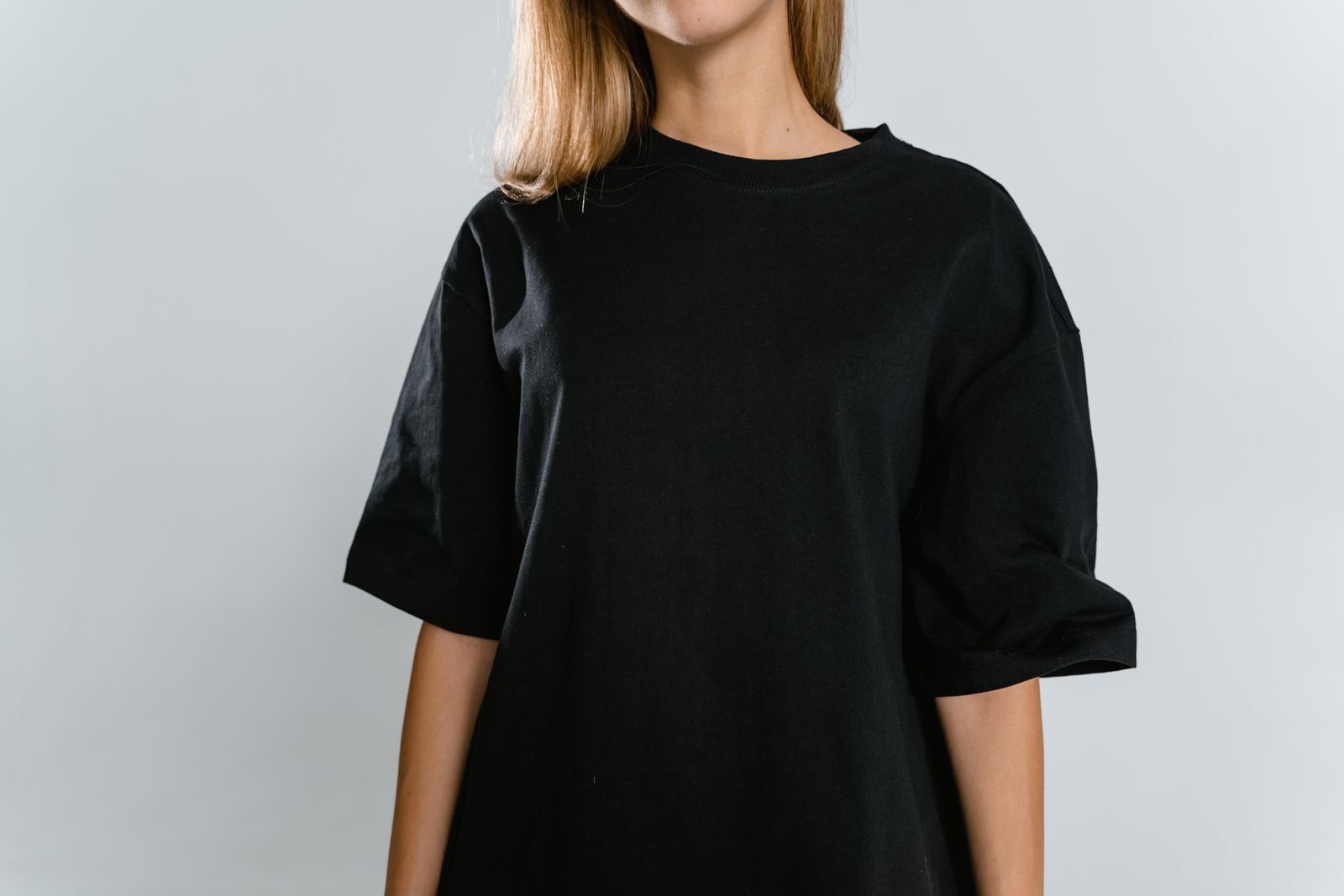
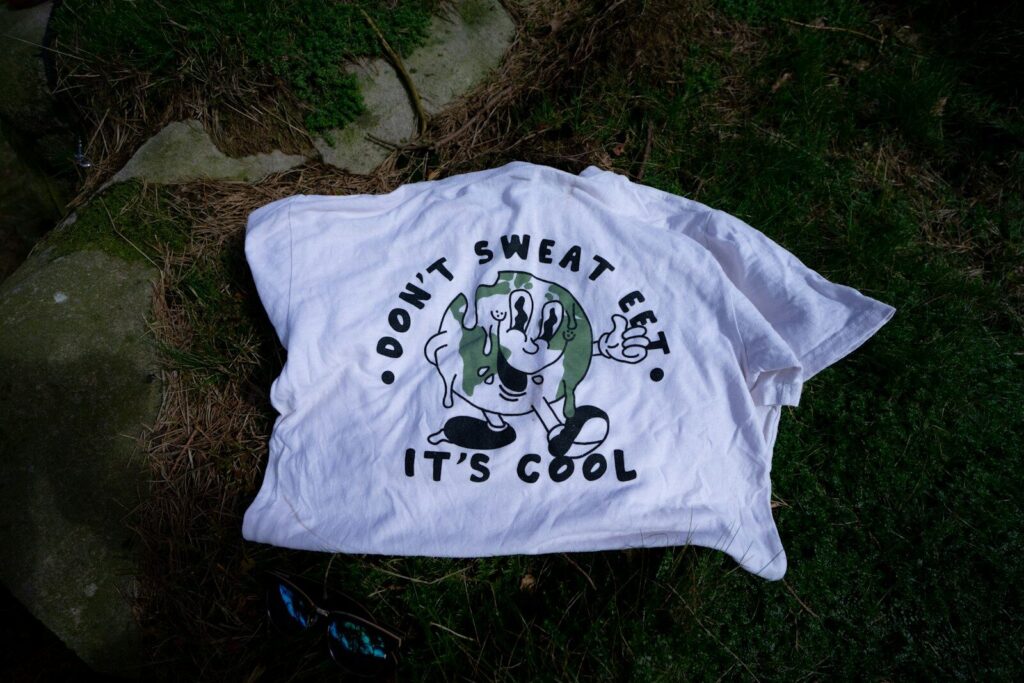
Heavyweight blanks are made from thick, durable fabric that stands up to regular wear and tear. They provide a sturdy base for custom designs, a robust and stylish look, and a comfortable fit with lasting durability. Streetwear brands favor heavyweight shirts for their premium feel and quality. Oversized cuts in heavier cotton are especially common in modern streetwear.
Popular Blank T-Shirt Brands
Choosing the right brand impacts print quality, consistency, and customer satisfaction. Here’s how the major players break down:
Value Brands: Gildan Plain T-Shirts
Gildan is the go-to staple for budget-friendly, promotional shirts. Their classic and boxy fits appeal to a broad audience, and their shirts are durable and consistently available in large quantities. Basic Gildan tees are a standard choice for event apparel, school spirit wear, and trade show giveaways. They’re not the softest option, but they’re reliable and cost-effective.
Resource: For specs on Gildan’s classic 100% cotton options, visit Gildan Brands.
Premium Brands: Bella+Canvas and Next Level
Bella+Canvas and Next Level Apparel are two of the most popular brands for soft, fashion-forward blanks. Both use combed and ringspun cotton and offer retail and slim fits that are tailored through the chest and sleeves — preferred by fashion brands and modern apparel lines. Premium brands cost more per unit, but they justify higher retail prices and attract customers who value comfort and quality.
Resource: Review detailed sizing charts and fit guides at Next Level Apparel and the Bella+Canvas Product Guide.
Specialty Options
- Garment-dyed shirts go through a dyeing process after construction, resulting in a faded, washed-out aesthetic and exceptionally soft fabric. They’re popular for vintage-inspired and lifestyle brands.
- Mineral wash shirts use a similar approach but with mineral-based treatments, producing muted, earthy tones ideal for that worn-in vintage look.
- Streetwear blanks typically feature heavier cotton, boxy proportions, and oversized cuts — a staple for brands tapping into current streetwear culture.
Fits and Styles Explained
Fit is just as important as fabric. The right cut defines how a customer feels in the garment — and whether they’ll wear it again.
- Classic/boxy fit: A traditional, straight-cut silhouette that sits loosely through the chest and waist. It appeals to a broad audience and is the standard for mass-market and promotional shirts.
- Retail/slim fit: Slightly tapered through the chest and sleeves, offering a modern, fashion-forward profile. Preferred by lifestyle brands, Etsy sellers, and retail-focused businesses.
- Athletic fit: Tapered heavily at the waist to emphasize the shoulders. Best suited for performance apparel.
- Relaxed fit: Looser and more forgiving. Popular for workwear, casual lounging, and oversized streetwear aesthetics.
- Unisex styles: Versatile cuts designed to fit a wide range of body types, reducing the number of SKUs you need to manage.
- Youth sizing: Scaled-down versions of adult shirts. Always ensure your DTF transfers are sized appropriately — a 12-inch design that works on an adult large will overwhelm a youth small.
- Extended sizes: Always verify that your chosen brand carries sizes from XS through 6XL to serve a diverse customer base without gaps in your product line.
Blank T-Shirt Selection at a Glance
When choosing blank t-shirts for wholesale or custom orders, here’s what the market offers:
- Color options: Blank t-shirts are available in 43 or more colors, giving you a full palette to work with across seasonal collections and brand-specific colorways.
- Size range: Standard offerings cover XS to 6XL, ensuring you can serve all customers without separate vendors.
- No minimums: Many wholesale suppliers offer no minimum order requirements, making it easy to test new styles or fulfill smaller orders without overstocking.
- Bulk discounts: Bulk discounts apply across products on your order, so the more you buy, the more you save — a key advantage when scaling production.
- Fast shipping: Reliable wholesale distributors like ShirtSpace ship from multiple U.S. warehouses, keeping fulfillment fast and predictable.
Resource: Platforms like alphabroder offer excellent wholesale pricing for businesses buying in bulk.
How Fabric Composition Affects Print Compatibility
Fabric composition isn’t just about comfort — it directly determines which print methods will work and how well they’ll perform.
|
Fabric Type |
Best Print Method |
Notes |
|---|---|---|
|
100% Cotton |
DTF, DTG, Screen Print |
Ideal for all three; DTG requires 100% cotton for the best color vibrancy |
|
Ringspun Cotton |
DTF, Screen Print |
Smooth surface enhances fine detail and print clarity |
|
Poly/Cotton Blend |
DTF |
Reduces shrinkage; monitor temp to avoid dye migration |
|
100% Polyester |
DTF, Sublimation |
Sublimation requires light colors; DTF works on any color |
|
Tri-Blend |
DTF |
Soft, stretchy, and low shrinkage; great for fashion lines |
|
65%+ Polyester |
Sublimation |
Minimum poly content required to prevent faded prints |
Key construction details also impact durability:
- Double-needle stitching on hems and sleeves significantly increases a shirt’s longevity and resistance to fraying.
- Combed cotton results in a silkier, stronger fabric than standard carded cotton.
- Side-seam construction prevents the shirt from twisting in the wash — a common issue with budget tubular-cut garments.
How to Choose Blank Shirts for Your Specific Project
Define Your End Goal First
Before you add anything to your cart, know exactly what the finished shirt needs to accomplish. Ask yourself:
- Is this a retail product that needs to compete on a store shelf or online marketplace?
- Is this a one-time event shirt where durability matters more than softness?
- Am I building a fashion brand that demands tailored fits and premium fabric?
- Do I need moisture-wicking performance materials for athletic or workwear use?
Your answers should drive every other decision — fabric, weight, fit, brand, and color.
Wholesale vs. Retail Sourcing
Buying blank shirts at retail significantly cuts into your margins and limits your ability to restock consistently. Wholesale blank t-shirts offer steep cost savings, especially as your order volume grows. With no minimum order requirements widely available and bulk discounts applying across your entire order, wholesale is the right choice for most custom apparel creators.
The key is finding a reliable distributor with fast fulfillment and consistent inventory. Gaps in popular sizes or colors can stall production and frustrate customers.
Premium vs. Budget Blanks
|
Factor |
Budget (e.g., Gildan) |
Premium (e.g., Bella+Canvas, Next Level) |
|---|---|---|
|
Fabric |
Carded open-end cotton |
Combed and ringspun cotton |
|
Construction |
Tubular, basic stitching |
Side-seam, double-needle stitching |
|
Softness |
Moderate |
High |
|
Fit |
Classic/boxy |
Retail/tailored |
|
Price |
Low |
Moderate to high |
|
Best for |
Events, promos, giveaways |
Retail brands, fashion lines, premium merch |
The right answer depends on your use case — not a blanket preference for cheap or expensive.
Common Mistakes When Buying Blanks
Choosing Based Only on Price
The cheapest shirt often uses carded open-end cotton, basic stitching, and tubular construction that twists after one wash. While saving a dollar per unit feels smart upfront, the result is negative reviews, zero repeat buyers, and a brand reputation that’s hard to recover.
Ignoring Fabric Specifications
Different fabrics require different heat press settings. Applying a transfer to heat-sensitive polyester at the wrong temperature can scorch the fabric. Understanding the blend lets you dial in time, temperature, and pressure for the best result.
Resource: For in-depth specs on fabric and printing compatibility, visit Cotton Incorporated.
Skipping Sample Testing Before Bulk Orders
Never commit to 500 units of a blank you’ve never held in your hands. Order samples first. Run a test print with your DTF transfer, wash the garment several times, and evaluate fit, feel, print adhesion, and shrinkage. It’s the only way to be certain before scaling.
Overlooking Size Availability and Stock Levels
Finding the perfect blank means nothing if the supplier consistently runs out of popular sizes. Verify that your chosen style reliably stocks Medium through XL and beyond — those are the sizes that will define your fulfillment reliability.
Forgetting About Transfer Sizing and Placement
A V-neck requires different chest logo placement than a crewneck. A full-front design that looks great on an adult 2XL will overwhelm a youth small. Map out your transfer sizes against each garment style and size before going into production. A little planning here saves a lot of wasted material.
Pro Tips for Professional Results
Start with High-Quality Blanks
Garment quality sets the ceiling for your finished product. When customers feel ringspun cotton paired with a premium DTF print, they recognize the value immediately. That experience builds the kind of loyalty that turns a single purchase into a repeat customer.
Match the Shirt to the Design
Large, heavy graphics print best on heavyweight cotton that can support the visual weight. Small, delicate logos look sharpest on smooth, lightweight tri-blends. Fashion brands need tailored fits. Corporate work calls for clean polos. Event merch works best with classic crewnecks. Let the artwork and audience guide the garment choice.
Resource: For specialty blanks like premium hoodies and outerwear, explore Independent Trading Co. and S&S Activewear.
Use Professional-Grade DTF Transfers
Even the best blank shirt can’t save a bad print. Professional-grade DTF transfers from Limitless Transfers use advanced CMYK+RGBO+W technology to deliver exceptional color vibrancy, fine detail, and a true soft hand feel. They’re engineered to last through washes without cracking, peeling, or fading — making them the right match for every blank you’ve carefully chosen.
Keep Consistency Across Every Order
If a customer loves a shirt in May, they expect the same quality in October. Consistent garment sourcing and transfer quality builds trust — and trust scales into repeat orders, referrals, and a brand reputation that grows on its own.
Test Before Every Launch
Press a sample before committing to full production. Wear it yourself. Give one to a loyal customer for honest feedback. Wash it three times. Check the print. This is your quality control checkpoint — and it’s the step that separates professional operations from ones that learn the hard way.
How Limitless Transfers Helps You Get Better Results
Award-Winning Quality
We’re proud to be recognized as the 1st Place Award Winner for DTF Printing Quality in both 2024 and 2025. Our expanded gamut CMYK+RGBO+W DTF printers, paired with carefully developed ICC profiles, deliver unmatched color accuracy and fine detail — whether you’re pressing onto 100% cotton, a poly/cotton blend, tri-blends, or beyond.
Fast Turnaround for Growing Businesses
Same-day shipping on qualifying orders placed by noon EST. Free UPS Ground shipping — or a $10 flat-rate 2nd Day Air option — on orders over $50. We help you meet tight deadlines without sacrificing quality or cutting corners.
Easy Ordering for Every Experience Level
Use our intuitive Gang Sheet Builder to arrange multiple designs without needing design software. Upload a pre-built gang sheet using our File Uploader (PDF and PNG supported), or choose from predefined transfer sizes with our By-Size Ordering option. We’ve made it easy for everyone, from beginners to high-volume print shops.
A True One-Stop Shop
Limitless Transfers isn’t just a printing service. From award-winning hot-peel DTF transfers to professional heat presses, supplies, and tools — we provide everything you need to start or scale your custom apparel business from one place.
The Right Blank Shirt Makes Every Print Better
Selecting the right blank t-shirt is the foundational step in building a successful custom apparel project. By balancing fabric type, weight, fit, construction quality, and your specific end goal, you create the ideal surface for every transfer you apply.
When carefully chosen wholesale blanks meet professional-grade DTF prints, the result is high-quality apparel that looks stunning, wears comfortably, and keeps customers coming back. Don’t let a poor garment choice undermine hours of design work and great transfer quality.
Ready to pair your blanks with the best DTF transfers on the market? Explore Limitless Transfers today — vibrant, reliable, award-winning, and built for creators who refuse to settle.
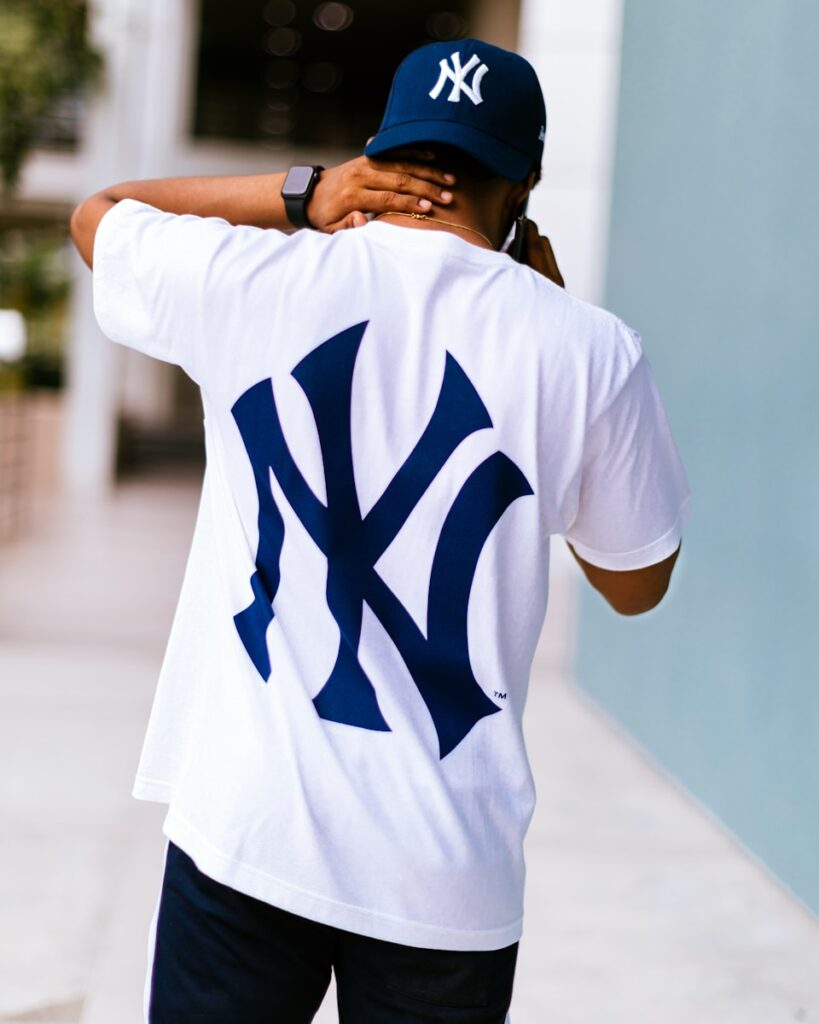
Photo by Rock Staar on Unsplash
Frequently Asked Questions (FAQ)
What is the best fabric for DTF transfers?
100% ringspun cotton and poly-cotton blends are both excellent choices. Ringspun cotton provides a smooth, refined surface that enhances fine detail and delivers a matte, classic finish. Poly-cotton blends are great for athletic and performance wear — they’re lightweight, moisture-wicking, and less prone to shrinkage. DTF adheres effectively to nearly any fabric, including tri-blends, nylon, canvas, and more, as long as you adjust your heat press settings appropriately.
Is 100% cotton required for DTG and screen printing?
For DTG printing, 100% cotton is strongly recommended — it delivers the best color vibrancy and ink absorption. Screen printing also performs best on 100% cotton or high-cotton blends, where ink sits cleanly on the surface without interference from synthetic fibers.
What polyester content is needed for sublimation?
Sublimation requires a minimum of 65% polyester in the fabric. Below that threshold, the dye can’t fully bond with the fibers, and your design will appear faded or washed out. For best results, use 100% polyester on white or light-colored garments.
Are cheap wholesale blank t-shirts worth it?
For temporary event apparel or bulk promotional giveaways, budget-friendly options like Gildan can be a smart, practical choice. But if you’re building a retail brand or producing corporate merchandise, cheap shirts often result in poor fit, scratchy fabric, and low customer satisfaction. Investing slightly more in premium blanks typically delivers a much higher return through repeat purchases and positive reviews.
How do I keep DTF transfers from peeling?
Use high-quality transfers — like Limitless Transfers’ true hot-peel DTF — and make sure your heat press is set to the correct temperature and pressure. Follow the pressing and peeling instructions from your transfer provider, and avoid washing the garment within 24 hours of pressing.
Can I use DTF transfers on dark-colored shirts?
Yes. Professional DTF transfers include a white ink underbase that prevents the garment’s dye from bleeding into the design. This ensures your colors stay bright and fully opaque on black, navy, or any dark-colored apparel.
What sizes and colors are available for wholesale blank t-shirts?
Most major wholesale suppliers offer blank t-shirts in 43 or more colors and in sizes ranging from XS to 6XL. No minimum orders are typically required, making it easy to test new styles, fulfill smaller custom orders, or scale up with bulk discounts as your business grows.