DTF (Direct-to-Film) transfers are a versatile, full-color printing method that works on cotton, polyester, nylon, leather, and more. Getting stunning results comes down to artwork quality, smart sizing, correct placement, and proper heat press technique. Limitless Transfers simplifies the process with award-winning CMYK+RGBO+W printing, an online Gang Sheet Builder, and professional artwork tools.
Beautiful custom apparel doesn’t start at the heat press. It starts with a clean file, a well-sized design, and a print quality that can actually keep up with your vision.
That’s the part most guides skip. They’ll walk you through temperature settings and peel directions, but they won’t tell you why your design looked blurry, why the colors shifted on the final garment, or why your left chest logo is sitting three inches too far to the right. The technical steps are easy to learn. The creative and practical decisions that separate good prints from great ones take a little more thought.
This guide covers all of it — from file preparation and color strategy to sizing, placement, gang sheets, and heat pressing. Along the way, you’ll see how Limitless Transfers’ tools and expanded gamut printing technology help take that process from frustrating to repeatable.
Whether you’re pressing your first shirt or running a print shop with daily orders, these tips will sharpen your results.
What Are Direct To Film Transfers?
DTF stands for Direct-to-Film — a digital printing process that produces full-color heat-applied transfers on a thin PET film. The process works like this:
- Digital artwork is printed in mirror image onto PET film using a specialized inkjet printer.
- Thermoplastic polyurethane (TPU) hot-melt adhesive powder is applied to the wet ink.
- The transfer is cured in a heat tunnel, bonding the powder to the ink layer.
- The finished transfer is then heat pressed onto the target material at 300°F for 15 seconds.
What makes DTF printing stand out compared to older methods? There’s no fabric pre-treatment required. There’s no weeding, unlike vinyl. There are no screens to burn or manual color separations like screen printing demands. That means less setup, less waste, and far more design freedom.
DTF transfers adhere to a wide range of materials, including cotton, polyester, blends, nylon, canvas, denim, leather, neoprene, and even wood. Full-color graphics, photographic gradients, fine lines, and sharp details all transfer cleanly — especially when produced on a professional system like the expanded gamut CMYK+RGBO+W (9-color) printers used by Limitless Transfers, which deliver noticeably more accurate reds, richer blues, cleaner greens, and improved color transitions compared to standard 4-color setups.
For a deeper technical overview of the DTF process from an equipment perspective, ColDesi’s guide to using DTF transfers is worth bookmarking.
Why Great Artwork Creates Better DTF Transfers
Print quality is only as strong as the file behind it. A professional printer cannot compensate for a blurry image, a compressed JPEG, or a design with clipped edges. Artwork quality is the single biggest variable in whether a finished transfer looks polished or disappointing.
Should You Use Vector or Raster Files for DTF Printing?
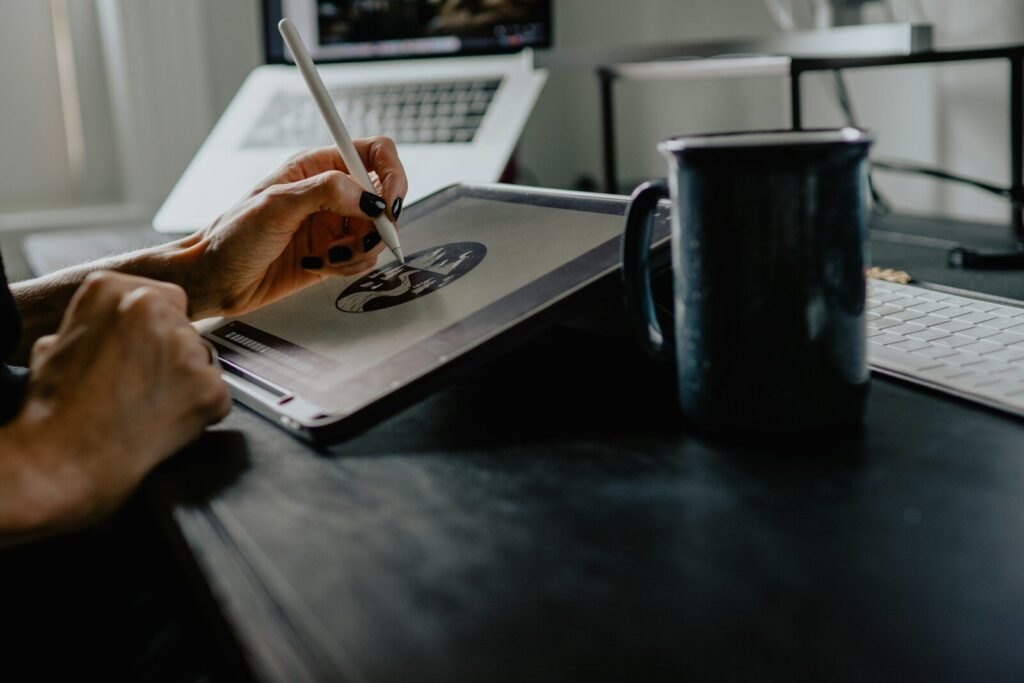
Photo by Kelly Sikkema on Unsplash
Vector files (AI, EPS, SVG, PDF) are mathematically scalable, meaning they can be printed at any size without losing sharpness. Raster files (PNG, JPEG) are resolution-dependent — a file that looks fine on a phone screen can print soft or pixelated on a shirt. For DTF transfers, always work at 300 DPI or higher. Use vector art whenever possible, and if you’re working with raster files, start as large as possible before scaling down. Printing Partners has a clear breakdown of the differences between vector and raster files if you want to dig deeper into file formats.
Limitless Transfers includes a built-in upscaling tool that can improve lower-resolution files — but starting with excellent quality artwork will always produce the cleanest results.
Why Transparent Backgrounds Matter
A design with a white background will print that white background onto your garment unless it’s removed. Transparent PNGs ensure only your actual artwork transfers. Limitless Transfers includes a background removal tool as part of its artwork processing suite, so you don’t need third-party software to get this right.
How to Handle Small Details in DTF Designs
Thin lines, small text, and fine outlines are tricky. Elements below 1–2 points in stroke width can drop out or blur during printing, especially at smaller transfer or custom sizes. If your design includes intricate detail, review it at 100% scale before ordering. Limitless Transfers’ error-checking feature flags these issues during the upload process so you can correct them before printing.
How to Get Vibrant Colors That Stand Out on Custom DTF Transfers
Color is where DTF printing genuinely outperforms many traditional methods — but only when you work with it intelligently.
High contrast between design elements and garment color is one of the most underrated decisions in custom apparel. A design with strong contrast reads clearly at a distance. Low-contrast designs can look flat or muddy on a finished product, regardless of print quality.
For dark garments, DTF transfers print a white underbase beneath the design, ensuring colors appear true to the original artwork rather than bleeding into a dark fabric. For light garments, no white underbase is needed, and colors typically appear slightly more vibrant as a result.
When designing, use saturated colors intentionally. Gradients, shadows, and highlights add dimensionality, but they need to be built at the right resolution to translate cleanly to film. Flat colors are forgiving; complex color transitions reward proper file preparation.
Limitless Transfers’ expanded gamut CMYK+RGBO+W printing adds red, green, blue, and orange channels to the standard CMYK+W setup. That 9-color system captures color ranges a standard 4-color printer simply can’t hit — particularly vivid oranges, bright reds, and saturated greens. For designers working with brand colors or photography-based artwork, this is a meaningful advantage. For further reading on achieving color accuracy in printing, NBPrintex’s guide to color accuracy in digital fabric printing covers the core variables clearly.
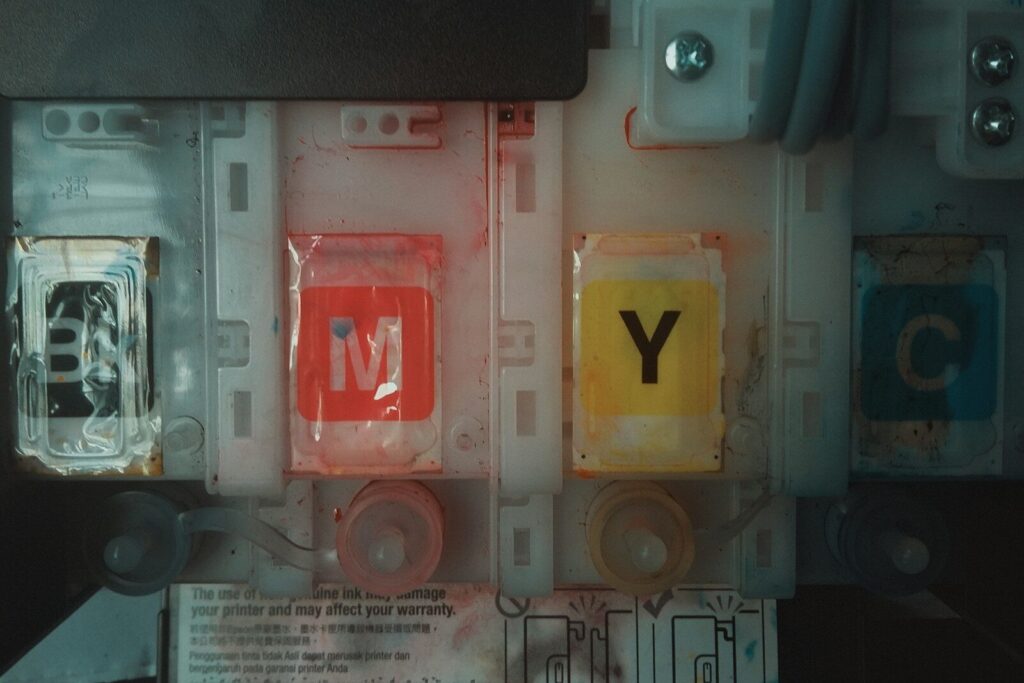
Photo by hybridnighthawk on Unsplash
Proper Sizing Makes Custom Apparel Look Professional
One of the most common mistakes in custom t-shirt printing is getting the size wrong. Designs that are too large overwhelm a garment. Designs that are too small look like an afterthought.
Here are common size guidelines to use as a starting point:
- Full front adult print: 11–12″ wide
- Full front youth print: 9–10″ wide
- Left chest logo (adult): 3–4″ wide
- Sleeve graphic: 3–4″ wide
- Back design (adult): 11–12″ wide
- Hoodie front (across chest): 10–12″ wide
- Tote bag front: 8–10″ wide
These aren’t rigid rules — they’re a baseline. Oversized prints intentionally push beyond standard dimensions for a streetwear or fashion-forward look. A small centered graphic on a chest can feel intentional and refined. The key is that the design size should feel deliberate, not accidental.
Limitless Transfers’ Print Size Visualizer lets you preview how your artwork will appear at different dimensions before committing to an order — a genuinely useful tool for catching sizing errors early.
For a comprehensive industry reference, STAHLS’ Design Size & Placement Guide covers sizing standards across adult, youth, and specialty garments.
Photo by CHUTTERSNAP on Unsplash
Smart Placement Tips for Better-Looking Custom T-Shirts
Size and placement are separate decisions, and both matter. A correctly sized design placed poorly still produces a finished product that looks off.
General placement standards:
- Center chest: Top of design sits 2–3 inches below the collar.
- Left chest: Centered over the left chest, approximately 4 inches from the left seam and 4 inches from the shoulder.
- Full front: Horizontally centered, starting 3 inches below the collar.
- Back (upper): 4–5 inches below the collar, horizontally centered.
- Sleeve: Centered on the sleeve, parallel to the shoulder seam.
For multi-piece orders, consistency matters as much as accuracy. A left chest logo that shifts a half-inch between shirts will be noticeable when the garments are worn side by side. Standardizing your placement measurements across an order keeps everything looking cohesive and professional.
ScreenPrinting.com‘s T-Shirt Design Placement Guide is a reliable industry reference for placement standards across different garment types and print locations.
Why DTF Gang Sheets Save Time, Money, and Material
A gang sheet is a single large film sheet that contains multiple designs laid out together, printed and shipped as one unit. Instead of ordering each design individually, gang sheets let you combine everything into one efficient print run.
The math is straightforward: printing one 22″ × 20″ gang sheet costs significantly less per square inch than ordering the same designs individually. For anyone running an Etsy shop, a print shop, or a small apparel brand, gang sheets are the single most effective way to lower cost per transfer.
Limitless Transfers supports gang sheets up to 22″ × 240″ — large enough to consolidate a full day’s worth of designs into a single order. No minimum order requirements mean you can order exactly what you need, whether that’s one small design or a 20-foot production run.
The Limitless Transfers Gang Sheet Online Builder handles the layout process online. Upload your PNG files, arrange them with auto-layout support, and submit — no design software required. Built-in artwork checking confirms your files are print-ready before production begins.
Gang sheets are particularly efficient for:
- Etsy and Shopify sellers running small-batch custom orders
- Print shops consolidating multiple client jobs
- Event and promotional work with multiple designs across a single run
- Sports teams and schools ordering varied sizes or names on a single sheet
Photo by Bank Phrom on Unsplash
Heat Press Techniques That Improve Every DTF Transfer For Sharp Details
Even premium custom DTF transfers will underperform if applied incorrectly. Heat press settings are not suggestions — they’re the mechanism by which the adhesive bonds permanently to the fabric.
Standard DTF press settings:
- Temperature: 300°F
- Time: 15 seconds
- Pressure: Medium to firm
Before pressing, trim any registration strips or border areas from the transfer. These are production guides, not part of the design, and pressing them onto the garment can leave marks.
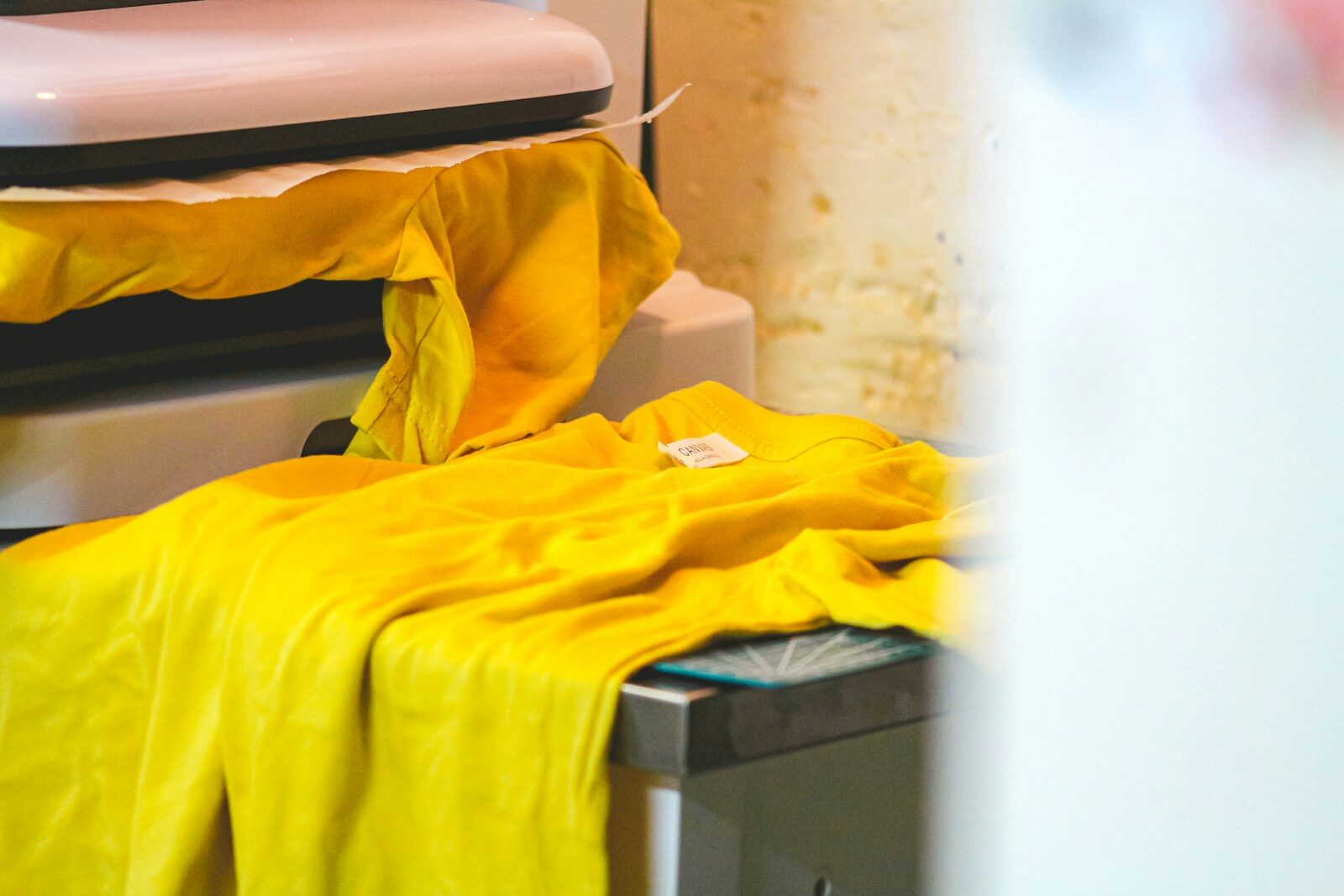
The peel: Limitless Transfers produces true hot-peel transfers. Once your 15-second press is complete, peel the film while it’s still hot. A clean, confident peel produces the sharpest edge detail.
The final press: After peeling, lay a piece of parchment paper over the design and press again briefly — approximately 5 seconds. This step presses down any lifted edges and produces a smoother, more matte finish with improved adhesion.
If you’re new to heat press equipment or want to dial in your machine settings more precisely, Hotronix’ heat press setup guides and manuals are a useful reference for calibrating temperature and pressure for ready to press transfers .
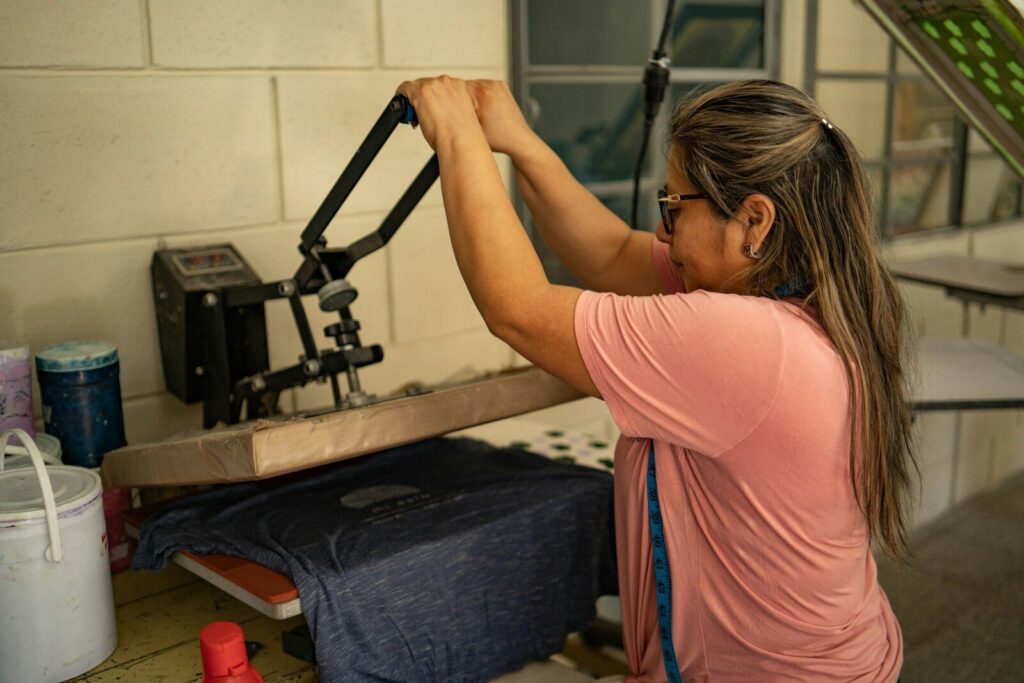
Photo by Shelby Murphy Figueroa on Unsplash
How to Get Long-Lasting, Durable DTF Prints
When applied correctly, DTF transfers are exceptionally durable — capable of lasting 100+ washes without cracking, peeling, or significant color loss. That exceptional durability depends on two things: correct application and proper garment care.
Care instructions for DTF-printed apparel:
- Wash inside out in cold water
- Use a mild detergent
- Avoid bleach and fabric softeners
- Tumble dry on low heat or hang to dry
- Do not iron directly on the transfer
One underappreciated advantage of DTF transfers: cured, unPressed transfers can be stored indefinitely before application. That means you can order in advance, hold inventory, and press on demand — which is particularly useful for print-on-demand sellers and shops managing variable order volumes.
For additional garment care guidance, Canva’s apparel care resource covers the essential washing and drying practices that help printed designs last longer.
Why Custom DTF Transfers Are Perfect for Businesses and Creators
The combination of no minimums, no setup fees, fast turnaround, and broad material compatibility makes DTF transfers one of the most accessible production methods available across virtually every segment of the custom apparel market.
Who benefits from custom DTF transfers:
- Print shops looking to expand offerings without adding in-house equipment
- Etsy and Shopify sellers running on-demand custom apparel stores
- Amazon and eBay sellers scaling merchandise operations
- Schools and sports teams producing spirit wear and uniforms
- Fundraisers and nonprofits creating event merchandise
- Corporate and promotional buyers needing branded gear across garment types
- DIY creators and hobbyists pressing custom designs at home
The economics work at every scale. A hobbyist can order a single gang sheet for a personal project. A production print shop can order thousands of inches weekly without setup costs or screen fees. Scaling up doesn’t require renegotiating minimum orders — it’s as simple as placing a larger order.
Limitless Transfers ships same-day on qualifying orders placed before noon EST, with most orders printed and shipped within one to three business days. We offer free shipping (UPS Ground) that applies to orders over $50, and the platform carries heat presses, supplies, and accessories alongside transfers — so everything needed to run a pressing operation is available from one source.
Photo by Alexey Demidov on Unsplash
Why Limitless Transfers Is the Right Partner for Professional DTF Printing
Limitless Transfers earned back-to-back first-place recognition for DTF printing quality in both 2024 and 2025 — a distinction that reflects consistent production standards, not a single standout run.
The technology behind those results is the expanded gamut CMYK+RGBO+W printing system. Nine ink channels versus the standard four produce noticeably more accurate color across a wider gamut, with a soft-hand feel and true hot-peel performance that holds up across high-volume production.
Beyond print quality, the platform is built to reduce friction at every step:
- Gang Sheet Builder — online layout tool with auto-placement and file checking
- Background Removal — clean transparency without third-party software
- Upscaling — AI-powered resolution improvement for lower-quality source files
- Error Checking — flags artwork issues before production begins
- Print Size Visualizer — preview your design on a garment before ordering
No minimums. Free UPS Ground shipping on orders over $50. Same-day fast shipping on qualifying orders. Transfers that work on cotton, polyester, leather, canvas, denim, nylon, wood, and more.
From a first-time hobbyist pressing a single shirt to an established print shop running hundreds of orders weekly, Limitless Transfers provides the production quality and workflow tools to make that work consistently excellent.
Frequently Asked Questions About DTF Transfers
What are DTF transfers?
DTF transfers — short for Direct-to-Film transfers — are full-color heat-applied graphics produced by printing digital artwork in mirror image onto PET film, applying TPU hot-melt adhesive powder, curing the transfer, and heat pressing it onto a garment or substrate. DTF transfers require no fabric pre-treatment, no weeding, and no screens, making them one of the most versatile and accessible decoration methods available.
How can I make my own DTF transfers with blank apparel?
The most practical approach for most businesses and creators is to design artwork digitally, upload it to a professional DTF transfer supplier, and apply the finished transfers with a heat press. Limitless Transfers’ online Gang Sheet Builder lets you upload PNG files, arrange multiple designs on a single sheet, and place your order without needing design software. Once transfers arrive, cut them out and press at 300°F for 15 seconds.
How much does a DTF transfer cost?
DTF transfer pricing typically depends on the size of the transfer, the quantity ordered, and how efficiently designs are arranged on a gang sheet. Ordering larger gang sheets with multiple designs packed together reduces the cost per print significantly. Limitless Transfers has no minimum order requirements, so pricing scales from single designs to bulk production runs without setup or art fees.
Can a Cricut machine make DTF transfers?
No — Cricut machines are cutters, not dtf printers. A Cricut cannot print the ink and adhesive layers required to produce a DTF transfer. However, Cricut users can design artwork on their computer, upload it to a DTF transfer supplier like Limitless Transfers, and then apply the professionally printed transfers using their existing heat press. It’s a straightforward workflow that combines design flexibility with professional print output.
What garments and materials work with DTF transfers?
DTF transfers adhere to a wide range of materials, including 100% cotton, 100% polyester, blends, tri-blends, nylon, canvas, denim, leather, neoprene, non-woven fabrics, and even wood. Unlike screen printing or some heat transfer vinyl, DTF transfers don’t require special fabric coatings or pre-treatment before pressing.
How long do DTF transfers last after washing?
When applied correctly at the right temperature, time, and pressure, DTF transfers can withstand 100+ washes without cracking, peeling, or significant color loss. Washing garments inside out in cold water with mild detergent and avoiding bleach maximizes the lifespan of the print.
Start Pressing With Confidence
Stunning custom artwork on apparel is a combination of decisions — clean artwork, accurate colors, thoughtful sizing, deliberate placement, and a heat press applied with the right settings. Get each of those elements right, and the print quality speaks for itself.
Limitless Transfers brings award-winning CMYK+RGBO+W printing, professional artwork tools, and fast same-day fulfillment together in one platform. Upload your designs, build your gang sheet, and press transfers that hold up through hundreds of washes and look exactly the way you intended.
Start your order at Limitless Transfers and see the difference that production quality makes.