I’ve seen it happen time and time again. A passionate creator spends hours perfecting a design, chooses the best garments, and orders premium transfers, only to have the final product peel or fade after a few washes. The culprit? It’s almost never the artwork. It’s the heat press machine setup.
At Limitless Transfers, we work with everyone from side-hustle beginners to high-volume commercial shops. If there is one thing I want you to take away from this guide, it’s that your heat press is the heartbeat of your operation. Getting your settings right leads to more results, fewer mistakes, and the kind of consistent performance that builds a loyal customer base.
When you master the “trinity” of heat pressing—pressure, temperature, and timing—you unlock the ability to create vibrant prints and durable custom creations with absolute confidence. Let’s dive into how you can get it right every single time.
Heat Press Machine Basics
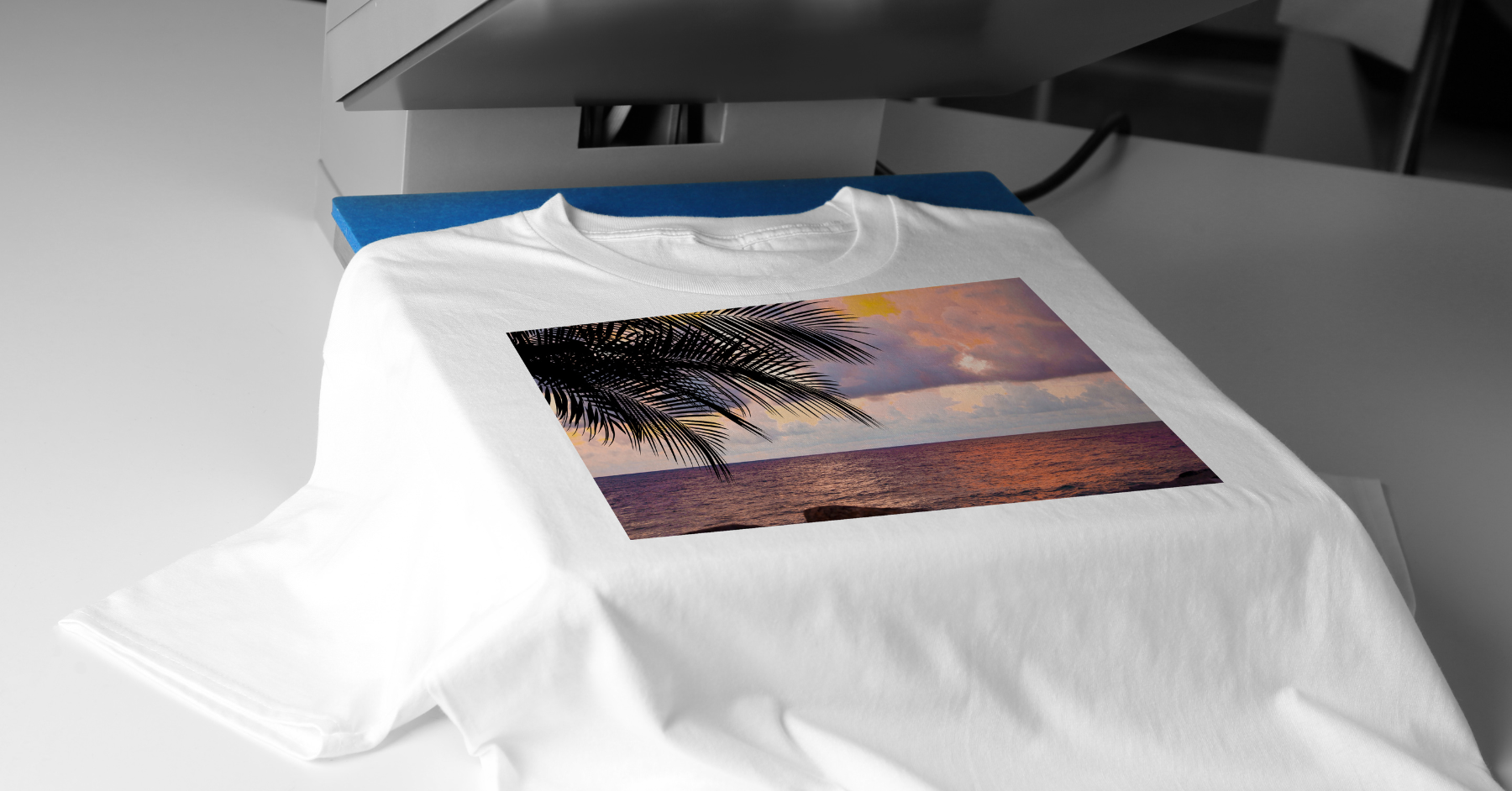
Before we start tweaking knobs and adjusting dials, let’s talk about what a heat press machine actually does. At its core, it is a tool designed to apply uniform heat and pressure for a specific amount of time. It sounds simple, but the “uniform” part is where the magic happens.
Unlike a household iron, which fluctuates in temperature and relies on your arm strength for pressure, a commercial-grade press ensures that every square inch of your transfer receives the exact same treatment. This even heat distribution is critical for curing the adhesive on the back of the transfer. If one corner is 10 degrees cooler than the center, that corner will lift.
Whether you are using a manual machine or an automatic one, the goal is control. You need to trust that when you set the platen to 300°F, it actually stays at 300°F. This consistency is the difference between a hobby project and a professional product that you can sell with pride.
Heat Press Options for Better Results
Not all machines are created equal, and choosing the right heat press can feel overwhelming. Generally, you’ll encounter three main styles: clamshell, swing-away, and draw presses.
- Clamshell: This is the most common style for small businesses. It opens and closes like a clam. It’s space-saving and great for standard garments like t shirts, but it can sometimes struggle with thicker items.
- Swing-Away: The top platen lifts and swings to the side. This allows for more even pressure on thicker items and keeps your hands away from the heat while you arrange the garment.
- Draw Press: The lower platen pulls out like a drawer, offering a safe layout space similar to a swing-away but with the footprint of a clamshell.
For startups and small businesses, a high-quality clamshell is often the best entry point—it’s efficient and affordable. However, if you are an event company or a scaling apparel shop handling thousands of custom transfers, investing in an air-fusion or automatic press can save your operators from fatigue and speed up production significantly.
Pressure Settings for Custom Transfers
This is where most people go wrong. Pressure is often the most misunderstood variable in the equation. When we talk about “medium pressure” or “heavy pressure,” it can feel subjective.
For most custom transfers, specifically our hot-peel DTF (Direct-to-Film) transfers, we recommend firm, even pressure. If the pressure is too light, the adhesive won’t embed into the fabric fibers, leading to peeling. If it’s too heavy, you risk “bruising” the garment or leaving a distinct press box mark.
Pressure Tips for Common Items:
- T shirts: Aim for medium-high pressure. You should feel resistance when locking the press down.
- Tote bags: These often have thick seams that can prevent the platen from making full contact. Use a pressing pillow to raise the print area above the seams to ensure even pressure.
- Hats and caps: These require a specialized cap press or a curved platen. Never try to flatten a hat on a standard flat heat press; you will ruin the shape and get inconsistent adhesion.
Heat Transfer Timing and Temperature
Temperature and time are strictly dictated by the type of transfer you are using. Heat transfer is a science, not a guessing game.
Historically, heat transfer vinyl (HTV) required a lot of trial and error. You had to worry about whether you were layering vinyl, if it was a cold peel or warm peel, and if the vinyl would melt at high temps.
With DTF transfers, the process is streamlined, but precision is still key.
- Cotton and Blends: We typically recommend pressing at around 300°F – 320°F for 10-15 seconds.
- Synthetics (Polyester/Nylon): These fabrics are sensitive to heat. You may need to lower the temperature slightly and use a cover sheet to prevent the fabric from getting that shiny “scorched” look.
One of the biggest advantages of Limitless Transfers is our true hot-peel technology. This means you press it, and you peel the film off immediately while it’s still hot. This drastically speeds up production compared to cold-peel transfers, where you have to wait for the garment to cool down before finishing the job.
Heat Transfer Prep for Best Results
If you want the best results, your preparation is just as important as the press itself. I cannot stress this enough: Preheat your garment.
Fabrics, especially cotton, hold moisture. You might not feel it, but it’s there. When you hit a damp shirt with 300 degrees of heat, that moisture turns to steam. Steam pushes the adhesive away from the fabric, preventing a good bond. A simple 5-second pre-press removes moisture and wrinkles, creating a perfectly flat, dry canvas for your transfer.
Essential Accessories:
- Cover Sheets: Teflon or parchment paper sheets protect your heat platen from ink bleed and protect your garment from direct contact with the metal.
- Pressing Pillows: As mentioned earlier, these are lifesavers for navigating zippers, buttons, and thick seams on tote bags or hoodies.
DTF Printers and DTF Transfers
Many of our customers ask us if they should buy their own DTF printers. While owning a printer sounds appealing, the maintenance and learning curve can be a nightmare for a growing business. DTF printers require daily upkeep to prevent white ink from clogging, and the humidity in your shop needs to be perfect.
By outsourcing to Limitless Transfers, you get the benefit of industrial-grade DTF transfers without the headache of machine maintenance. We use advanced CMYK+W technology, which prints a layer of white ink under the colors. This ensures your designs pop with vibrancy on dark garments just as well as they do on light ones.
Because we have no minimums, you can test a single design on a few different materials before committing to a bulk order. It allows you to offer more versatility to your clients without tying up your cash in inventory or equipment repairs.
Custom Transfers for Multiple Surfaces
Your heat press isn’t just for shirts. Once you master your settings, you can expand your product line to almost anything.
- Wood: Yes, you can heat press onto wood! It requires a slightly longer press time to ensure the adhesive grips the grain.
- Canvas & Denim: These heavy fabrics are durable and handle heat well, making them perfect for premium merchandise.
- Nylon: This is notoriously tricky for standard vinyl, but our DTF transfers (with the right low-temp application) adhere beautifully.
The trick is always to test. If you are moving from pressing t shirts to pressing thick canvas aprons, check your pressure. The thicker material will naturally increase the pressure if you don’t adjust the knob back a bit.
Heat Press Safety and Durability
We want you to stay safe and keep your equipment running for years. A heat press is a high-power machine. Ensure it is plugged directly into a wall outlet, not a flimsy extension cord, to prevent electrical issues.
Keep your platen clean. If ink or adhesive gets onto the upper platen, it can ruin your next batch of garments. Clean it regularly with a soft cloth and designated cleaner while the machine is cool. Proper maintenance not only extends the life of your machine but ensures you don’t ruin expensive stock with stray ink marks.
More Results With the Right Equipment
Efficiency is the name of the game. The right equipment setup leads to more results—which simply means more profit in your pocket.
If you are fighting with a cheap, inconsistent press, you are wasting time on reprints and apologies to customers. If you are weeding intricate vinyl designs by hand, you are capping how many orders you can fulfill in a day.
Using ready-to-press transfers with a reliable machine transforms your workflow. You can press a shirt in 15 seconds. That means you can produce hundreds of units a day with a single operator. That is how you scale.
Why We Built Limitless Transfers to Support Creators
We built Limitless Transfers because we saw a gap in the industry. Creators needed a partner, not just a print shop. We wanted to provide a solution that offered award-winning quality and reliability to everyone—from the mom-and-pop shop to the major production house.
We know speed matters, which is why we offer same-day shipping on orders placed by noon EST. We know budget matters, so we offer free shipping on orders over $50. And we know ease of use matters, which is why our gang sheet builder makes uploading your art simple, even if you aren’t a graphic design pro.
Final Thoughts: Confidence Comes From Consistency
Don’t overcomplicate the process. Heat pressing is a skill, but it is one you can master quickly with the right information. When you dial in your pressure, temperature, and timing, you stop worrying about whether the print will stick and start focusing on growing your business.
We are here to help you create, expand, and succeed. The perfect print is just one press away.
Ready to see the difference quality makes?
Shop our DTF transfers, browse our selection of supplies, or try us out with a small order—remember, there are absolutely no minimums. Let’s start pressing profit today
Essential Resources for Heat Press Success
Mastering your heat press technique goes beyond just owning the machine. Whether you are a hobbyist making custom tees or a small business owner scaling up production, having reliable information is crucial. These links will help you refine your process.
STAHLS’ TV: Educational Video Library: This is a goldmine for visual learners. You can find step-by-step guides on everything from basic application techniques to advanced layering methods. Their troubleshooting videos are particularly useful when you run into common issues like peeling or scorching. stahls.com/stahls-tv
Specialty Graphic Imaging Association (SGIA) / PRINTING United Alliance: Membership or access to their public resources connects you with industry standards, safety protocols, and the latest trends in garment decoration. It’s excellent for business owners looking to professionalize their operation and network with others in the field. printing.org
The T-Shirt Forums: If you have a specific question, chances are someone here has already answered it. The “Heat Press and Heat Transfers” section is filled with real-world advice, honest reviews of materials (not machines), and community support for troubleshooting tricky fabrics. t-shirtforums.com
OSHA: Textile Industry Safety Standards: Heat presses involve high temperatures and pressure, which present workplace hazards. Reviewing these standards helps you set up a safe workspace, understand proper ventilation requirements, and prevent burn injuries or ergonomic strain during long production runs. osha.gov/textiles
Cotton Incorporated: Fabric Care & Technical Guides: Since cotton is the most common substrate for heat pressing, understanding how it reacts to heat is vital. Their technical guides explain fiber properties, shrinkage issues, and how to maintain fabric integrity, ensuring your prints last longer on the garment. cottonworks.com
Pantone Color Systems: Color matching is a huge part of heat transfer design. Using the Pantone system ensures that the design you see on your screen matches the transfer you order and the final result on the shirt. Their guides help you communicate precise color needs to transfer to vendors and clients. pantone.com
Etsy Seller Handbook (Production & Shipping): Even if you don’t sell on Etsy, their “Seller Handbook” offers fantastic, platform-agnostic advice on packaging heat-pressed goods, managing inventory, and pricing your handmade items for profit. It focuses on the business side of running a custom apparel shop. etsy.com/seller-handbook