If you’re creating custom apparel, you know how many options are out there. It can feel overwhelming trying to decide between different methods, especially when you’re just starting. Many creators begin their journey with heat transfer paper because it seems like the easiest entry point. And in many ways, it is. But is it the best choice for your goals?
As experts in the world of custom printing, we’ve seen it all. Our mission isn’t just to sell you transfers; it’s to be a partner in your success. This guide will walk you through everything you need to know about heat transfer paper—the good, the bad, and when it makes sense to use it. We’ll also explain when upgrading to DTF (Direct-to-Film) is the right move for professional results.
What Is Heat Transfer Paper?
Understanding Heat Transfer Paper Basics
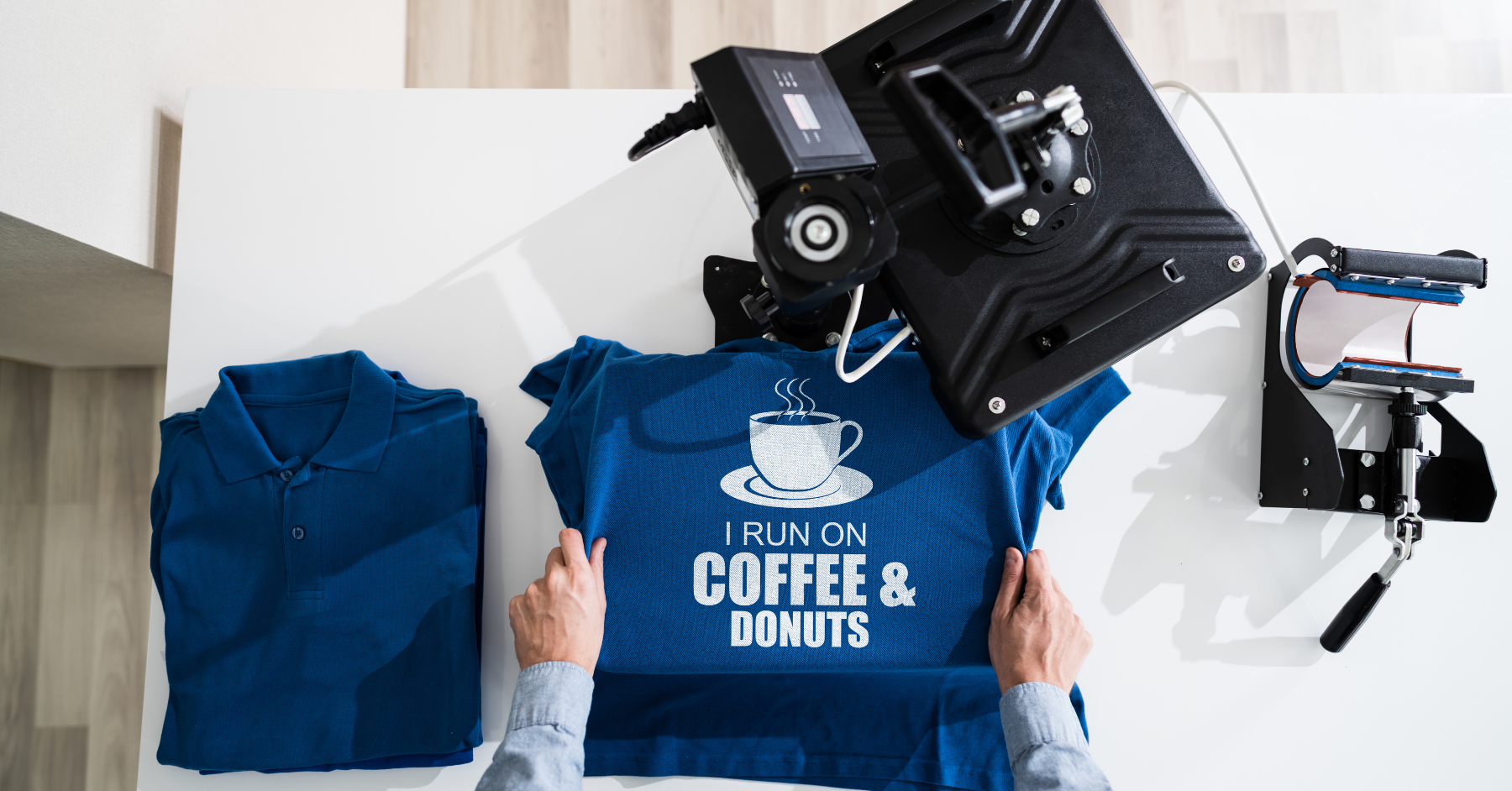
So, what exactly is heat transfer paper? Think of it as a special sheet you can print a design on using a standard home printer. This paper has a heat-activated adhesive on one side. Once you print your design, you place it on a garment and use a heat press to transfer the ink and adhesive onto the fabric.
There are two main types: one for light-colored fabrics and one for dark fabrics. The paper for light fabrics is transparent, so the shirt’s color shows through. The paper for dark fabrics has a white, opaque background to ensure the design pops. This method is often used for materials like cotton and poly-blends.
Heat Transfer Paper vs. Other Heat Transfer Methods
Compared to other methods, heat transfer paper is the most accessible. Sublimation, for example, requires special ink, a dedicated printer, and only works on polyester fabrics. Our specialty, DTF, involves printing onto a film that is then transferred to the garment, offering incredible versatility and a professional finish. Transfer paper sits at the entry-level end of this spectrum—a fantastic tool for learning but with certain limitations.
Types of Heat Transfer Paper
Not all transfer paper is the same. The kind you need depends on the type of printer you own.
Heat Transfer Paper for Inkjet Printers
This is the most common type for hobbyists. It’s designed to work with the standard inkjet printers found in most homes. It’s a go-to for creating custom t shirts, tote bags, and other simple projects. The ease of use makes it perfect for beginners who want to bring their first custom designs to life without a big investment. However, the print quality and durability can vary.
Heat Transfer Paper for Laser Printers
If you have a laser printer, you’ll need heat transfer paper made specifically for toner-based printing. This type often provides a slightly more durable and smoother finish than its inkjet counterpart. Businesses that already own laser printers for office use might find this option beneficial for creating quick promotional items.
Pros of Heat Transfer Paper
Why Some Creators Still Choose Transfer Paper
Despite its limitations, there are good reasons why people use heat transfer paper.
- Super Easy Setup: For beginners, the process is straightforward. You print, you press, and you’re done. There’s no need for special software or complex art prep.
- Low Upfront Cost: You can get started with just a regular printer, a heat press, and a pack of paper. This makes it a budget-friendly way to dip your toes into the world of custom apparel.
- Good for One-Offs: Need a single shirt for a birthday party or a small batch for a family reunion? Transfer paper is perfect for these one-time projects where longevity isn’t the main concern.
Ideal Use Cases
We see creators succeed with transfer paper for DIY projects, personal shirts for events, and testing out design ideas. It’s a great way to learn the fundamentals of the heat transfer process before committing to a more professional setup.
Cons of Heat Transfer Paper
Where Heat Transfer Paper Falls Short
Now, let’s talk about the drawbacks. While it’s easy to start with, heat transfer paper often falls short for anyone looking to sell their creations or build a brand.
The biggest issue is durability. Designs tend to crack, peel, or fade after just a few washes. The transfer can also feel thick and heavy on the shirt, lacking the soft, professional finish that customers expect. This “plastic patch” feel is a common giveaway of a DIY print.
Common Issues We See
We often hear from creators who are frustrated with their results. Common problems include the design not peeling cleanly from the paper, incorrect heat press settings ruining the garment, and colors appearing less vibrant than they looked on screen. Layering designs is also tricky and can lead to a very thick, uncomfortable feel.
When Heat Transfer Paper Makes Sense
So, is it ever worth it? Absolutely. We believe every tool has its place. Heat transfer paper is the right choice for certain moments. It’s perfect for beginners learning the ropes, for simple designs with low detail, or for any project where durability isn’t the top priority. Think of it as a stepping stone on your creative journey.
When DTF Is the Better Upgrade
Why We Recommend DTF for Professional Results
When you’re ready to move past the hobbyist stage and create products that you can proudly sell, it’s time to upgrade to DTF. As a two-time award winner for print quality, we know firsthand the difference it makes.
Our DTF transfers offer benefits that paper just can’t match:
- Unmatched Versatility: Our transfers work on almost any material—cotton, polyester, blends, leather, canvas, denim, and even wood.
- Vibrant, Detailed Prints: We use advanced CMYK+W printing to produce stunningly vibrant colors and fine details with a soft-hand feel that blends into the fabric.
- True Hot-Peel Speed: Our true hot-peel transfers allow for faster production. You press, peel it hot, and move on. No waiting for it to cool.
- Incredible Durability: Our prints are built to last through countless washing and drying cycles without cracking or fading.
Scaling From Hobby to Business
For anyone looking to grow, consistency is key. DTF delivers professional, repeatable quality that will keep your customers coming back. With our fast, same-day shipping (on orders by noon EST) and free shipping over $50, you can manage your inventory and fulfill orders quickly. Best of all, we have no minimums, so you can test new designs and scale your business without risk.
Heat Press Tips for Best Results
No matter which method you use, your heat press is a critical tool. Here are a few best practices to ensure a great application every time:
- Check Your Settings: Always use the correct temperature and pressure for the specific transfer type and fabric you’re working with.
- Pre-Press the Garment: Press the shirt for a few seconds before applying the transfer. This removes moisture and wrinkles, creating a smooth surface.
- Follow Instructions: Whether it’s a hot or cold peel, follow the instructions exactly. This small step can prevent a lot of frustration.

Our Honest Take as a DTF Supplier
We’re not here to push one solution on everyone. We genuinely believe that heat transfer paper has its place for beginners and specific projects. But we’ve also seen the incredible growth that happens when a creator decides to upgrade. Our goal is to empower you with the knowledge to make the best choice for your current needs and future ambitions.
When you’re ready for professional quality, unmatched versatility, and a reliable partner who can scale with you, we’re here. We’re more than just a supplier; we’re a one-stop shop for transfers, heat presses, and all the supplies you need to succeed.
Choosing the Right Transfer for Your Business
Ultimately, the right choice depends on your goals. Think about the quality you want to deliver, the fabrics you want to print on, and where you see your business in a year. Heat transfer paper is a great start, but DTF is the path to a professional brand.
When you’re ready to create durable, vibrant, and soft-to-the-touch apparel that stands out, we invite you to explore our DTF transfers. Let us help you take your creations to the next level.