We all know that feeling. You have a brilliant idea for a t-shirt design—maybe it’s a funny slogan for a family reunion, a logo for your side hustle, or just cool artwork you want to wear. You look at your inkjet printer sitting on the desk, and you think, “I could probably make this myself.”
That is exactly how most of us start our journey into custom apparel. We head to the craft store, grab a pack of printable heat transfer paper, and fire up the iron. It feels like the easiest, most accessible entry point into the world of garment decoration.
In this guide, I’m going to walk you through everything you need to know about using heat transfer paper to get that project off the ground. But I’m also going to be honest with you about the limitations I’ve faced over the years—and introduce you to a solution that changed the game for me: DTF (Direct-to-Film) transfers.
Heat Transfer Paper Explained
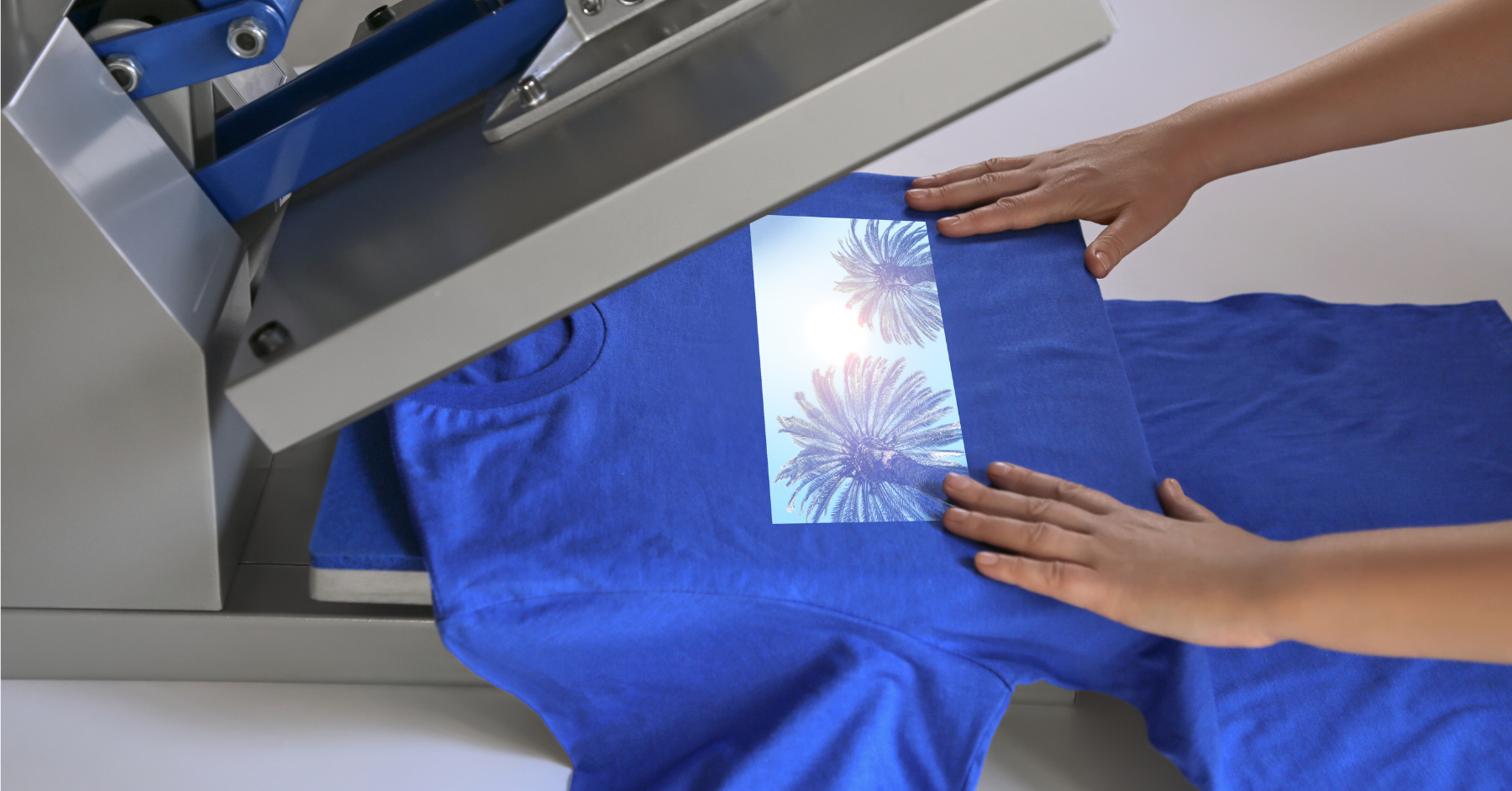
So, what exactly is this stuff? In simple terms, printable heat transfer paper is a specialty paper designed to be run through a standard home inkjet printer (or sometimes laser printers). The paper has a polymer coating that holds the ink. When you apply heat using a heat press or a household iron, that polymer coating melts and bonds onto the fabric of your shirt.
It is incredibly popular for beginners because the barrier to entry is low. If you have a computer, a printer, and an iron, you are technically ready to print. You can create images for birthday parties, tote bags, or one-off prototypes without investing in expensive industrial equipment.
Printable Heat Transfer Paper vs Sublimation Paper
I often hear people confusing these two, but they are very different beasts.
Sublimation paper uses a chemical process where the ink turns into gas and dyes the actual fabric fibers. It feels amazing because there is zero “hand” or texture on the shirt. However, sublimation has a huge catch: it only works on light-colored polyester fabrics. If you try to sublimate on a black cotton t-shirt, the image effectively disappears.
Heat transfer paper, on the other hand, sits on top of the fabric. This means it works on cotton, polyester, and blends. It is more versatile regarding materials, but because it sits on top, you can feel it. It creates a physical layer on the shirt, which brings us to the next big challenge.
Heat Transfer Paper for Light and Dark Fabrics
This is where things usually get tricky for DIY creators. There isn’t just one type of paper; you have to choose between paper for light fabrics and paper for dark fabrics.
Light Transfer Paper
The polymer layer on this paper is transparent. You print your image in a mirror image (reversed), place it face down, and press. The clear polymer bonds the ink to the white or light grey shirt. The unprinted areas remain clear, though you can often see a faint, shiny “box” around your design where the polymer transferred but no ink was printed.
Dark Transfer Paper
For dark colored garments, you can’t use transparent ink because printers don’t print white ink. If you put transparent colors on a black shirt, they vanish. Dark transfer paper is essentially a thin white sheet. You print on it normally (no mirroring), peel it off the backing like a sticker, place it on the shirt, and press.
The downside? Unless you cut exactly around your design with scissors or a cutting machine, you will have a white border around your image. This can make your design look like a sticker stuck to a shirt rather than a professional print.
Tools Needed for Heat Transfer Projects
If you are committed to trying the paper route, here is your starter kit:
- Inkjet Printer: Any standard home printer usually works, though pigment-based inks last longer than dye-based inks.
- Printable Heat Transfer Paper: Make sure you buy the right pack for the color of shirt you are using.
- Heat Press: While you can use an iron, I highly recommend a heat press. Irons often have steam holes that create cold spots, and it is impossible to get consistent pressure. A heat press ensures your design sticks properly.
- Scissors or Cutting Machine: Vital for trimming away that excess polymer background.
- Parchment Paper: To protect your heat press from melting the design.
Heat Transfer Process Step by Step
Ready to press? Here is the basic workflow:
- Design and Print: Create your artwork. If you are using light paper, mirror your design. If you are using dark paper, leave it as is. Print on the coated side of the paper.
- Trim: This is the tedious part. Cut around your image as close as possible. Any border you leave will show up on the final shirt.
- Prep the Shirt: Pre-press your garment for 5-10 seconds to remove moisture and wrinkles. This is crucial for adhesion.
- Position: Place your transfer on the shirt. For light paper, face down. For dark paper, peel the backing off and place it face up, then cover with parchment paper.
- Press: Apply heavy pressure at the recommended temperature (usually around 350°F to 375°F) for about 15-30 seconds.
- Peel: Follow the instructions on your specific paper pack. Some are “hot peel” (peel immediately), while others must cool down completely (“cold peel”).
Why Heat Transfer Paper Often Falls Short
I’ve made hundreds of shirts with transfer paper, and while it’s fun, the results often leave something to be desired.
- The “Sweat Patch” Feel: The transfer creates a solid plastic sheet on your chest. On a hot day, it doesn’t breathe. It can feel heavy and stiff.
- Cracking and Fading: After a few wash cycles, standard transfer paper tends to crack. The ink fades faster than professional methods, meaning your hard work starts looking old after just a few wears.
- Weeding Nightmares: If you have a complex design with floating text or intricate details, transfer paper is a nightmare. You can’t easily cut out the spaces between letters, so you end up with a solid block background.
Why I Recommend DTF Transfers Instead
This is where I pivot, and honestly, where I suggest you should too if you want professional results.
DTF (Direct-to-Film) transfers solve every single headache I just listed.
At Limitless Transfers, we specialize in this technology. Instead of you printing on a sheet at home, we print your designs on a specialized film using commercial printers that have white ink capability. We then apply a powder adhesive and cure it.
Here is why DTF is superior to traditional heat transfer paper:
1. No More Weeding or Cutting
With DTF, we print only the ink. There is no background polymer box. If your design has floating text or fine lines, that is exactly what transfers onto the shirt. You don’t need to spend hours with scissors.
2. Vibrant Colors on Any Fabric
Because our printers use a CMYK+W (White) configuration, we lay down a white underbase behind your colors. This means your reds look bright red on a black shirt, a denim jacket, or a canvas tote. It works on cotton, polyester, blends, nylon, leather, and even wood.
3. Soft-Hand Feel
Our true hot-peel transfers are engineered to feel soft. They don’t feel like a thick sticker. They stretch with the fabric and withstand wash after wash without cracking.
4. Professional Quality Without the Equipment
You don’t need to buy a $20,000 printer. You just need a heat press. We handle the expensive production side; you just handle the pressing.
DTF Transfers for Small Businesses and DIY Creators
Whether you are a DIY crafter wanting to make one shirt for yourself or a small business scaling up, DTF is the equalizer.
For the small business owner, this means you can offer high-quality apparel without holding inventory. You don’t need to screen print 50 shirts to make a profit.
For the DIY creator, it means your projects finally look store-bought quality. You aren’t limited by what your home inkjet printer can do.
How to Order DTF Transfers Online
We have made the process at Limitless Transfers incredibly simple because we know speed matters to you.
- Gang Sheet Upload: If you know your way around design software, arrange multiple designs on a single “gang sheet” (we offer sizes starting at 22 inches wide). You pay for the space, so fill it up!
- Gang Sheet Builder: Don’t have Photoshop? No problem. Use our free online builder tool to upload your PNGs and arrange them yourself.
- Transfers By Size: Just need one specific logo? Select “Order by Size,” upload your image, and we’ll handle the sizing.
The Limitless Advantage
We aren’t just a print shop; we’re a partner in your creative process. Here is why creators stick with us:
- No Minimums: Order one transfer or one thousand.
- True Hot-Peel: Our transfers peel instantly while hot. This speeds up your production time significantly compared to cold-peel waiting games.
- Same-Day Shipping: Place your order by noon EST, and it ships the same day. We know you have deadlines.
- Free Shipping: All orders over $50 ship free via UPS Ground.
Final Thoughts: Start Simple, Finish Strong
Heat transfer paper is a nostalgic starting point for many of us, and it serves a purpose for quick, low-stakes crafting. But if you want your custom shirts to turn heads, last for years, and look truly professional, it is time to upgrade.
Don’t let your creativity be limited by the quality of a home printer. Let us handle the printing so you can focus on creating.
Ready to press the best transfers of your life? Start your project with Limitless Transfers today. Upload your artwork now and see the difference quality makes.
Heat Transfer Resources
- The Ultimate Guide to Transfer Paper for DIY Projects: Explore the most popular types of transfer paper for DIY crafting, with tips for using them on cotton and cotton blends.
- Heat Transfer Paper 101: A Guide for Beginners: Learn the basics of heat transfer paper, including types, tips, and techniques. This guide is perfect for those starting out.
- Heat Transfer Sheets: All You Need to Know” A comprehensive guide to heat transfer sheets, covering types, applications, and tips for achieving perfect results.
- How to Use Heat Transfer Paper: A Step-by-Step Guide
Master the art of using heat transfer paper with this detailed step-by-step guide, complete with expert tips. - The Ultimate Guide to Heat Transfer Press Techniques: Discover techniques, tips, and troubleshooting strategies to make the most out of your heat transfer press.
- Beginner’s Guide to Heat Transfer Vinyl
While focused on vinyl, this guide offers insights that are also applicable to heat transfer paper projects. - Tips for Perfect Heat Transfer Results
A collection of tips and tricks to ensure your heat transfer projects turn out flawless every time.
These resources are non-competitive and provide a wealth of knowledge for anyone interested in heat transfer paper.