I still remember staring at a screen filled with different heat transfer printer models, feeling completely overwhelmed. I just wanted to put my designs on shirts, but I was drowning in terms like sublimation, DTF, and HTV. If you are feeling that exact same confusion right now, you are in the right place.
Over the years, I’ve worked with customers across all levels, from weekend DIYers to large-scale print shops. I have seen the amazing successes, and I have seen the costly mistakes that happen when people buy the equipment that doesn’t fit their needs. My goal is to break down your options so you can avoid those expensive errors and get straight to creating amazing products.
I will explain exactly what you need to know to make an informed decision. But I want to share a subtle truth right upfront: not everyone actually needs to own a printer to run a highly profitable apparel business.
What Is a Heat Transfer Printer
A heat transfer printer is a specialized machine used to print digital designs onto a medium that can later be applied to garments or other substrates. It is a crucial piece of the puzzle for custom apparel decorators.
When people use this term, they usually mean a system that prints onto a carrier material. The process involves a few common components. First, you have the printer itself, which could be an inkjet printer, a dye sublimation printer, or a specialized film printer. Second, you need the medium, like heat transfer paper or film. Finally, you need a heat press machine to apply the design to the fabric using high temperatures and heavy pressure.
A very common misconception is that the printer alone completes the entire process. It does not. The printer simply puts the ink onto the carrier. You absolutely must have a quality heat press machine to permanently bond that design to your final product.
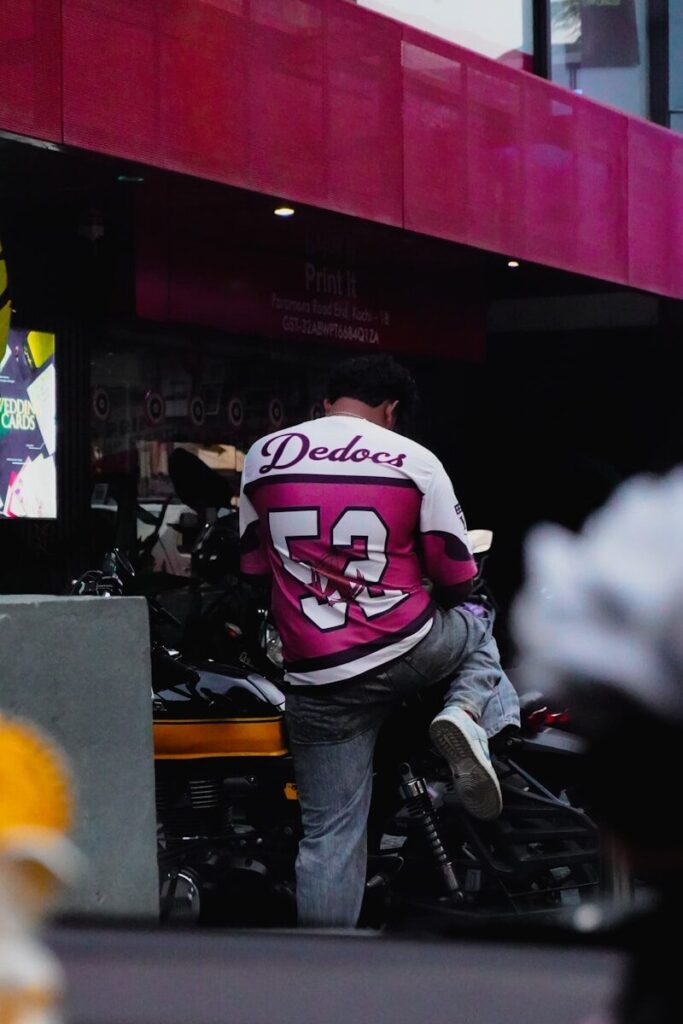
Photo by Adhitya Sibikumar on Unsplash
Types of Heat Transfer Printing
Choosing the right technology determines what kind of products you can make, how much they will cost, and how long they will last. Here is a breakdown of the most common methods.
Inkjet Printer with Heat Transfer Paper
This method uses a standard inkjet printer filled with regular ink to print designs directly onto specialized heat transfer paper. It is highly accessible and works for both light and dark fabrics, provided you buy the correct type of paper for each.
The biggest advantage here is the low startup cost. You can often use a printer you already own. However, the downside is limited durability. These prints are notorious for fading, peeling, and cracking over time after a few cycles in the washing machine.
Sublimation Printer for Polyester Shirts
A sublimation printer uses specialized dye sublimation inks. Under high heat, this ink turns into a gas and permanently dyes the fibers of the garment.
The results are stunning. You get incredibly vibrant, long-lasting prints that you cannot even feel on the fabric. But there is a massive catch. Sublimation transfers only works on polyester shirts or items with a special poly-coating. It simply does not work on cotton or dark fabric, which severely limits the types of garments you can offer your customers.
Heat Transfer Vinyl (HTV)
While not a printer in the traditional sense, heat transfer vinyl is a massive part of the transfer industry. Instead of printing ink, you use a specialized cutter to slice your designs out of colored vinyl rolls. You then weed away the excess material and press it onto your garments.
HTV is fantastic for bold names, athletic numbers, and simple vector graphics. It is durable and relatively easy to learn. The main drawback is that it becomes incredibly time-consuming for complex designs, multi-color logos, or large bulk jobs.
DTF Printer (Direct-to-Film)
A DTF printer prints your digital designs directly onto a special film using CMYK colors, followed by a layer of bright white ink. You then apply an adhesive powder to the wet ink and cure it.
DTF works on almost everything. You can press it on cotton, polyester, tri-blends, leather, and nylon. The prints offer amazing versatility, extreme durability, and vibrant colors. However, owning your own DTF printing equipment involves a very high initial cost and requires strict daily maintenance to keep the white ink from clogging the printheads.
7 Popular Heat Transfer Printers to Consider
If you are leaning toward purchasing equipment, researching specific models is your next step. Here are seven popular heat transfer printers used across the industry, ranging from entry-level to commercial grade:
- Epson SureColor F170: A highly reliable, entry-level sublimation printer perfect for beginners. Visit the Epson website
- Sawgrass SG500: A dedicated desktop sublimation printer known for great color management software. Visit the Sawgrass website
- Epson EcoTank 2800: Often converted by DIYers for affordable sublimation printing (though this voids the warranty). Visit the Epson website
- Roland BN-20A: A professional print-and-cut machine perfect for high-quality printable heat transfer vinyl. Visit the Roland website
- Brother GTXpro: A high-end direct-to-garment (DTG) printer that can also be adapted for DTF printing. Visit the Brother website
- Epson SureColor F2100: Another powerhouse commercial printer capable of handling intensive garment decoration. Visit the Epson website
- Prestige A3+ DTF Printer: A popular desktop DTF printer for businesses looking to bring film printing in-house. Visit the DTF Station website
DTF vs Other Printing Methods
Direct-to-Film (DTF) is rapidly taking over the custom apparel industry, and for good reason. When you compare DTF to other methods, the advantages become crystal clear.
Unlike sublimation printing, which traps you into using light-colored polyester, DTF allows you to print on virtually any fabric, including 100% dark cotton. Unlike standard heat transfer paper, DTF delivers professional-grade color vibrancy and utilizes white ink capability to make designs pop on black garments.
Durability is another major factor. DTF stretches with the fabric and withstands dozens of heavy wash cycles without the cracking and peeling associated with cheap paper transfers. Finally, when it comes to production speed and efficiency, DTF leaves weeding heat transfer vinyl in the dust. You simply print, powder, cure, and press.
This incredible versatility is exactly why DTF is becoming the go-to technology in the industry. For modern print shops, utilizing “true hot-peel transfers” creates a massive speed advantage, allowing decorators to press a t shirt and immediately peel the carrier sheet without waiting for it to cool down.
When to Use Transfers Instead
Owning a printer isn’t always the best investment. In fact, many successful apparel decorators never print a single design themselves.
If you are a small business owner, an Etsy seller, or a DIY creator, buying commercial equipment can actually hurt your business. Common challenges include massive upfront equipment costs, a steep learning curve with design software and color management, and brutal daily machine maintenance. White ink systems, in particular, will clog and destroy printheads if the machine is not used and cleaned constantly.
This is where ready-to-press transfers come in as the ultimate solution. By outsourcing the printing, you eliminate equipment maintenance entirely. You get faster turnaround times, no minimum order requirements, and you can focus your energy on marketing and selling rather than fixing broken printers.
This is exactly why we built Limitless Transfers. We wanted to give creators the absolute best product without the massive overhead. We provide award-winning quality that works on almost any material. With our easy gang sheet builder and same-day shipping, you can run a highly profitable apparel brand from your spare bedroom using nothing but a quality heat press.
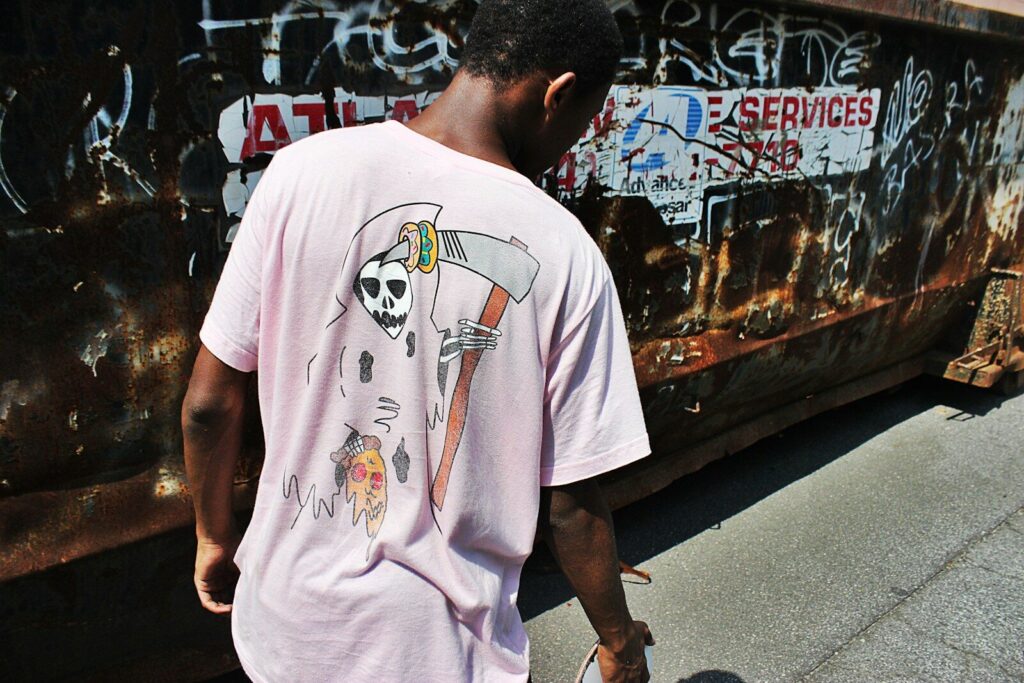
Photo by David Wimmer on Unsplash
Choosing the Right Setup
Your ideal equipment setup depends entirely on your current volume and future business goals.
If You’re Just Starting a Small Business
Keep your risk low and your overhead nonexistent. All you need is a reliable commercial heat press and ready-made transfers. This setup allows you to scale up safely without taking out loans for heavy machinery. You only pay for transfers when you have paying customers.
If You Want Full Control (And Higher Investment)
If your business is fully established and you have the capital, bringing production in-house might make sense. You could invest in a full DTF printer setup to control your entire supply chain. Alternatively, if you only sell light-colored athletic wear, a high-end sublimation printer might fit your niche perfectly.
If You’re Scaling Production
Many large shops use a hybrid approach. They outsource their high-color, complex DTF transfers and keep the actual garment pressing in-house. This helps save time, reduce overhead costs on expensive ink and maintenance, and greatly increases overall efficiency.
Making Your Next Move
There is no one-size-fits-all solution in the custom apparel industry.
It is all about choosing the technology that actually fits your workflow and your financial goals. You do not need to buy a ten-thousand-dollar machine to start making incredible products today. Start simple, learn the market, and scale smart as your demand grows.
Whether you’re printing your first shirt or scaling to thousands, having the right transfer solution makes all the difference—and that’s exactly what we’re here to help with.
Ready to Start Creating?
- Upload your first design
- Try our gang sheet builder
- Order your first transfers today