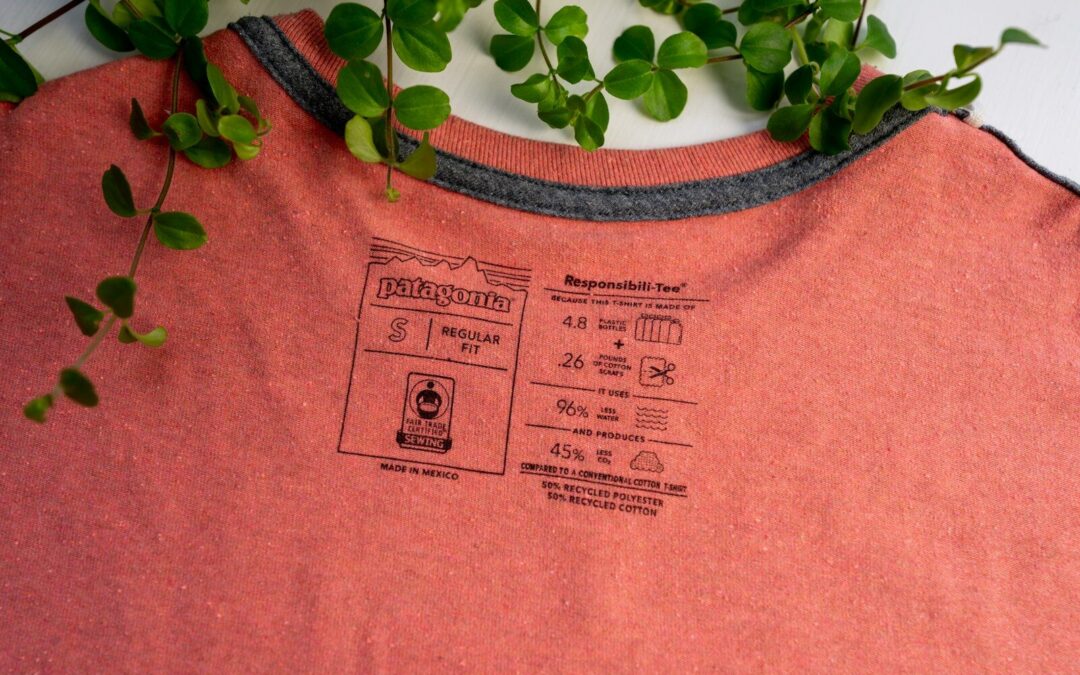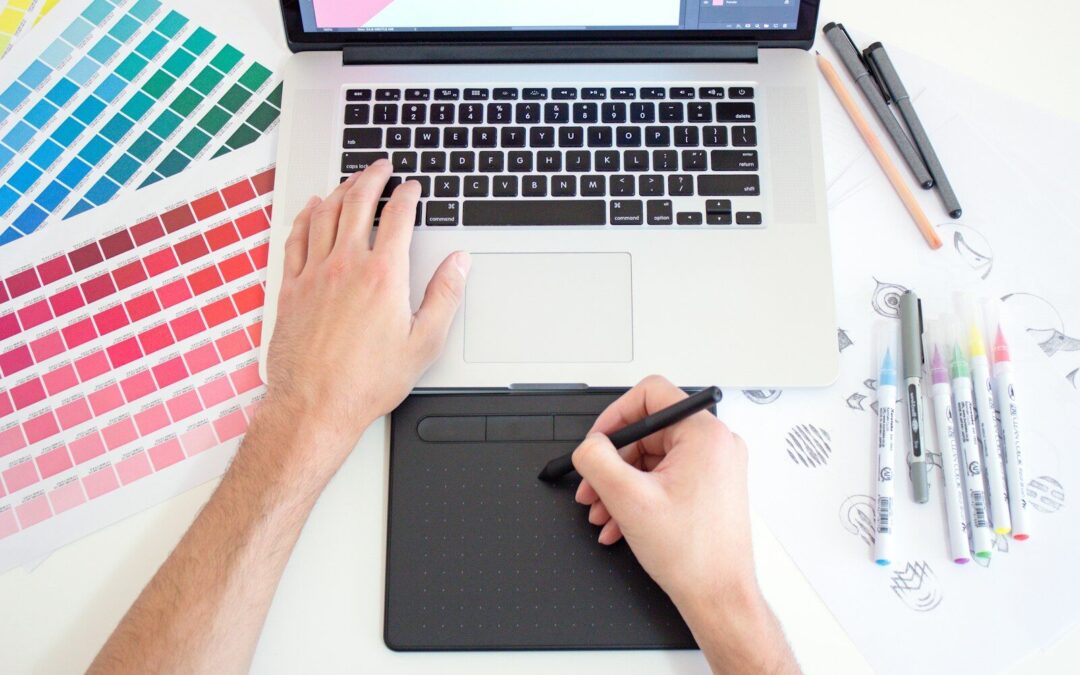
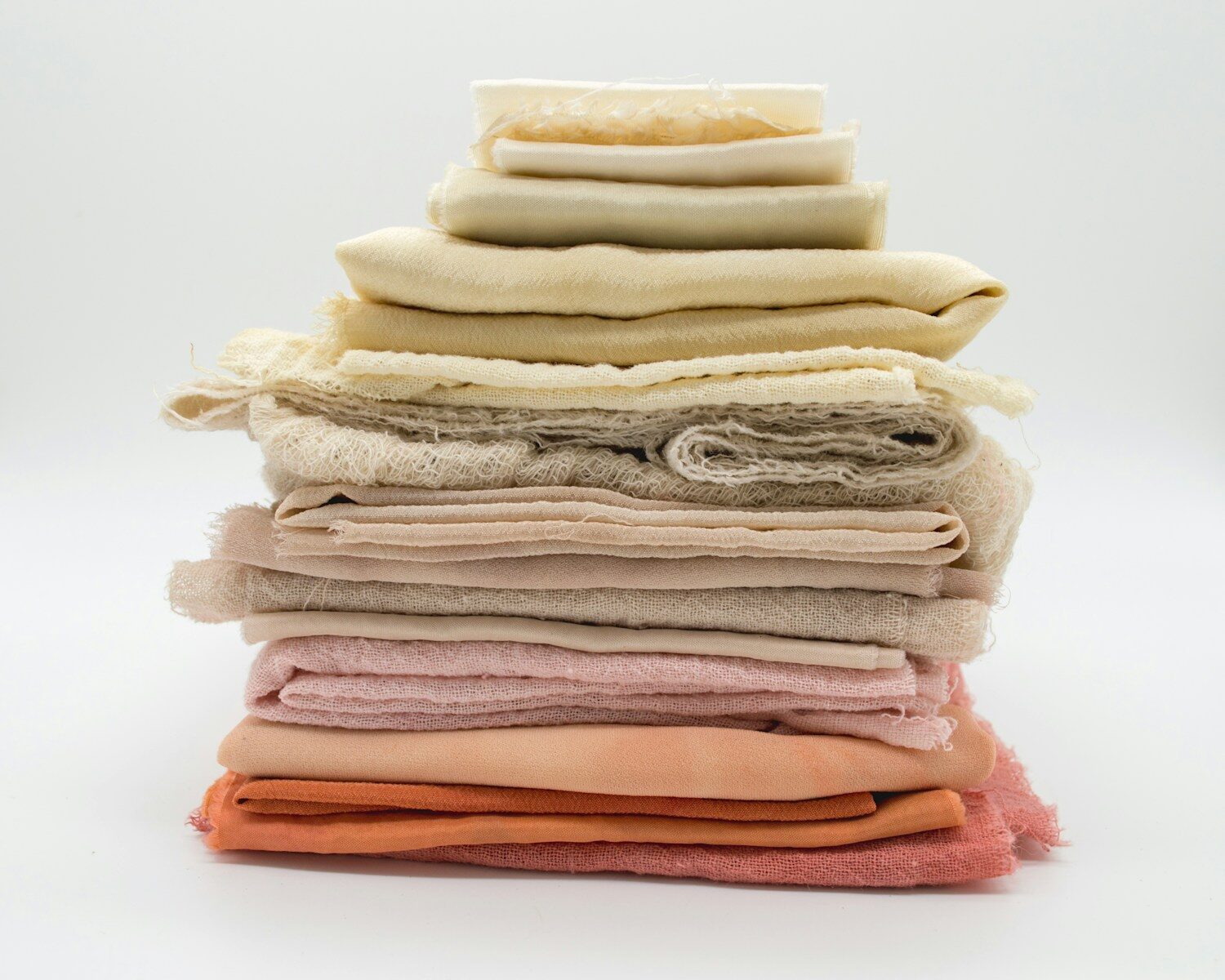
I remember the exact moment I ruined my first major batch of custom apparel. I had a beautiful design, a freshly heated press, and a stack of premium blank garments ready to go. I placed the first shirt on the platen, locked down the heat press, and eagerly waited for the timer to beep. When I peeled the film back, instead of a vibrant, crisp logo, I was left with a scorched, distorted mess. The culprit was a simple misunderstanding of the material. I treated a delicate blouse exactly like a heavy-duty graphic tee. Choosing the right fabric can easily make or break a direct-to-film (DTF) transfer.
Understanding the unique properties of your blank apparel is a fundamental part of the printing process. I have worked extensively with both materials over the years, testing different temperatures, pressures, and peel times, and I am going to break down what actually works in the real world. When looking at rayon vs cotton, you must look closely at how each distinct fiber reacts to extreme temperatures and heavy mechanical pressure.
Every garment decorator eventually faces the challenge of matching their beautiful designs with the correct substrate. This comprehensive guide will help you avoid costly mistakes, reduce your defect rate, and drastically improve your overall results. We will explore the exact characteristics of these two popular textiles and determine the safest, most reliable path for your custom merchandise.
What Is Rayon (Rayon Fabric, Semi-Synthetic Fiber, & Regenerated Cellulose)
To understand how a garment will behave under a commercial heat press, we first need to look at how it is manufactured. Rayon is widely classified as a semi synthetic fiber because the rayon fibers bridges the gap between natural materials and fully synthetic plastics like polyester. It is created from naturally occurring wood pulp that undergoes a complex chemical process to become regenerated cellulose. You can learn more about the science behind regenerated cellulose on ScienceDirect.
Because of the way it is manufactured, rayon fabric comes in several common variations. Viscose rayon is the most prevalent and affordable type, often found in fast fashion and lightweight summer apparel. Modal rayon is another highly popular variation, known for being exceptionally soft and often blended with spandex for activewear or undergarments. Both variations share some distinct traits that make them highly desirable for consumers.
First and foremost, rayon offers an incredibly silky texture. It is an ultra soft fabric that drapes beautifully over the body, making it a massive staple in the fashion industry. Designers frequently use it for soft blouses, flowing skirts, rayon sheets and tropical resort wear. It is incredibly lightweight and breathable, which makes it an excellent choice for hot weather and humid summer clothing. Additionally, rayon boasts high moisture absorption capabilities. For a deeper dive into its origins, check out this MasterClass guide on rayon fabric.
However, there is a catch for garment decorators. While rayon feels luxurious and drapes elegantly, it behaves very differently under high heat compared to sturdier materials. The same semi-synthetic properties that give it a beautiful sheen also make it highly vulnerable to thermal damage.
What Is Cotton (Cotton Fabric, Natural Fiber, & The Organic Cotton Plant)
On the other side of the textile spectrum, we have a material that has been the backbone of the apparel industry for centuries. Cotton is a completely natural fiber derived directly from the seedpod of the cotton plant. Once harvested, these fluffy fibers are spun into yarn and woven into the sturdy, reliable textiles we wear every single day. The Cotton Incorporated website provides fantastic resources on how this crop is grown and processed globally.
Just like its semi-synthetic counterpart, cotton fabric comes in several distinct varieties. Organic cotton is grown without synthetic materials like pesticides or fertilizers, making it a premium choice for eco-conscious brands. Conventional cotton is the standard, affordable material you find in bulk t-shirt orders. Then there is Egyptian cotton, which utilizes exceptionally long fibers to create a premium, smooth feel often reserved for high-end luxury garments and bedding. You can read more about these variations in the MasterClass guide to cotton.
The key traits of cotton make it a decorator’s best friend. It is incredibly durable and widely used in everyday clothing, from standard heavy-weight t-shirts to crisp cotton sheets. It is naturally breathable and comfortable for warm climates, drawing heat away from the body efficiently. You can read more about how fabrics handle heat and airflow in this Good Housekeeping guide on breathable fabrics.
Most importantly for DTF printing, cotton features strong, robust fibers that handle intense heat exceptionally well. It is an incredibly reliable substrate in the textile industry, capable of withstanding the high temperatures required to properly cure and adhere transfer inks.
Photo by Ethan Bodnar on Unsplash
Key Differences Between Rayon and Conventional Cotton (Rayon vs Cotton Comparison)
When preparing for a production run, conducting a thorough rayon vs cotton comparison is essential. Let’s look at a side-by-side breakdown of how these materials perform under the stress of custom printing.
Heat Sensitivity
Focusing heavily on how fabric affects print results starts with temperature tolerance. Rayon is highly heat-sensitive. The regenerated cellulose fibers can easily scorch, melt, or develop a permanent shiny box outline from the heat press platen. You have to be incredibly careful with your temperature settings. Cotton handles higher heat significantly better. You can comfortably press cotton at temperatures exceeding 300°F (150°C) without fearing sudden distortion, making it ideal for standard heat transfers. The Spruce offers great tips on ironing and applying heat to rayon safely.
Durability
Durability plays a massive role in the lifespan of your custom apparel. Rayon inherently possesses weaker fibers, especially when wet. It can easily lose its shape, shrink, or lose overall structural strength over time if not laundered delicately. Cotton fibers are much stronger and long-lasting for hot weather. A high-quality cotton shirt can be machine-washed repeatedly without the fabric falling apart or the DTF transfer losing its grip.
Moisture Absorption & Breathability
Both rayon and cotton fabrics absorb moisture incredibly well. Rayon may initially feel cooler against the skin because of its smooth surface and lightweight drape. Cotton is slightly thicker but provides more consistent, reliable wear throughout the day. Because both fabrics hold onto environmental moisture, you must pre-press both materials before applying a transfer to evaporate any trapped water.
Texture & Feel
The tactile experience of the garment often dictates the perceived value of your merchandise. Rayon provides a slick, silky surface that mimics silk, giving it a much more “luxurious fabric” feel. Cotton is soft and comfortable but fundamentally more structured and rigid. The smooth surface of rayon can sometimes make it harder for adhesives to grip if the pressure is not dialed in perfectly.
Color Retention for Transfers
Finally, color retention is critical for happy customers. Rayon can hold incredibly vibrant colors initially, but the fabric itself can fade, and the weaker fibers can cause the transfer to distort or wrinkle after a few washes. Cotton offers vastly superior long-term color retention and consistency. The rigid natural fabric fibers provide a stable foundation for the DTF adhesive to bond with, keeping your designs looking fresh for months.
Which Fabric Works Best for DTF Transfers (Best Fabric Choice)
So, which material should you reach for when planning your next apparel project? While both rayon and cotton can work, the results differ significantly depending on your experience level and the specific transfer technology you utilize.
I always recommend cotton as the best fabric choice and the most reliable starting point for any printing project. It provides consistent, deep adhesion for the transfer powder. It offers unmatched durability through dozens of wash cycles. Furthermore, cotton is incredibly forgiving when it comes to heat application. If you leave the press closed for an extra two seconds, your cotton shirt will survive unscathed.
However, there are times when you must choose rayon. If you are designing lightweight fashion pieces, resort wear, or flowy summer blouses, rayon is the superior aesthetic choice. You just have to utilize lower heat applications and handle the garments with extra care.
This is where your choice of transfer manufacturer becomes your secret weapon. Limitless Transfers provides award-winning, true hot-peel transfers that completely change the game for delicate materials. Their premium transfers help significantly reduce your dwell time under the heat press, minimizing the risk of scorching heat-sensitive fabrics. Limitless works beautifully on multiple materials, meaning you can use the exact same gang sheet for your durable cotton hoodies and your delicate rayon blouses. Additionally, their expanded gamut CMYK+RGBO+W printing ensures your designs pop with unmatched vibrancy on absolutely both fabrics.
If you are a beginner, cotton is undoubtedly the safest starting point. Once you are comfortable with your press, you can confidently expand into semi-synthetic fabrics and blends using high-quality transfers.
Common Mistakes When Printing on Each Fabric
Even with the best materials, user error can still ruin a garment. Here are the most frequent pitfalls I see decorators make.
Mistakes with Rayon
The most common mistake with rayon is using entirely too much heat. This will immediately cause scorching or shrinking, ruining the drape of the garment. Pressing for too long also damages the delicate fibers, causing them to become brittle. Many decorators fail to test their settings first, leading to inconsistent and costly results across a production run. Finally, ignoring your pressure adjustments is a massive mistake; too much pressure will leave permanent, shiny press marks on the silky surface. You can learn more about proper pressure and heat transfer physics via this Wikipedia overview.
Mistakes with Cotton
While cotton is durable, it is not invincible. Using an incorrect, wildly low temperature will result in poor adhesive bonding, causing the design to peel off in the first wash. A massive oversight is failing to pre-press the garment to remove moisture. Cotton acts like a sponge for humidity; if you do not evaporate that water first, the steam will push the transfer adhesive away from the fibers. Lastly, choosing extremely low-quality, carded cotton fabric can severely affect the final look, as loose stray fibers will poke through the ink layer. For more on fabric selection for sewing and printing, Seamwork Magazine is a brilliant resource.
Pro Tips for Flawless Application
Always test your transfers on a scrap piece of fabric before diving into full production. Use the proper press settings recommended by your transfer provider. Choose high-quality, professional transfers for the absolute best results. Limitless Transfers makes this incredibly easy, offering fast, same-day shipping on orders placed by noon EST, and providing an intuitive gang sheet builder that eliminates the guesswork.
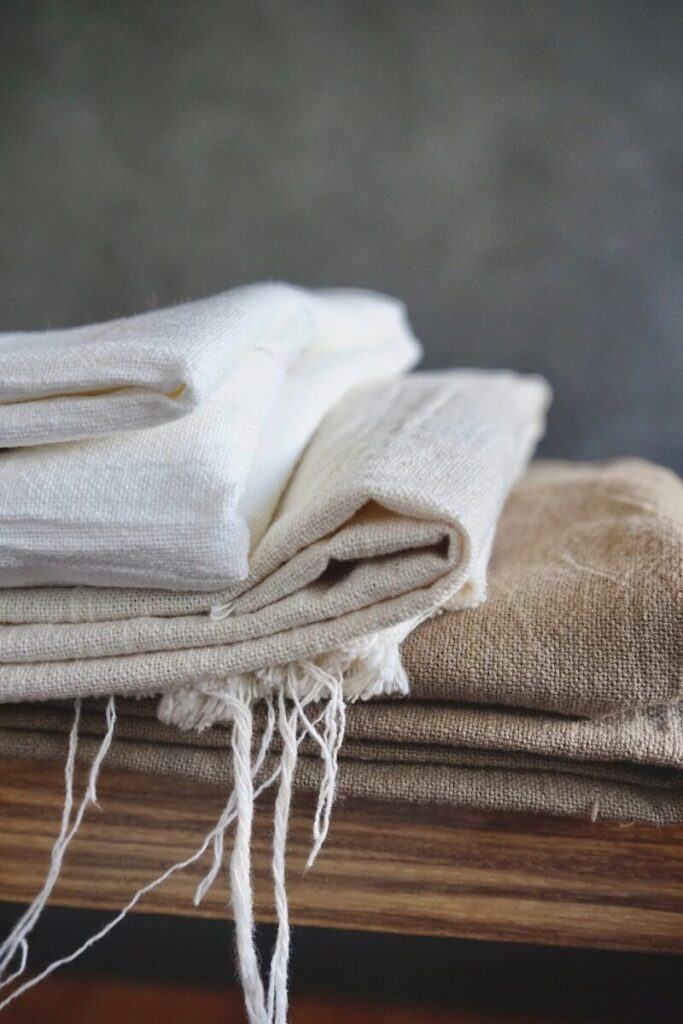
Photo by Maite Oñate on Unsplash
Mastering Your Custom Apparel
Choosing the correct substrate is not just a minor detail; fabric choice directly impacts your final results. To summarize the core differences simply:
- Cotton = Ultimate durability + effortless consistency
- Rayon = Luxurious softness + requires extreme precision
I highly encourage you to experiment confidently with both materials. Expanding your apparel catalog to include both sturdy basics and high-end fashion pieces will drastically increase your market appeal.
Limitless Transfers is the ultimate solution that makes printing on both fabrics significantly easier. With back-to-back 1st place awards for DTF quality in 2024 and 2025, they provide the reliability your business needs to scale. They offer incredibly fast turnarounds, no minimum order requirements, free UPS Ground shipping on orders over $50, and easy-to-use digital tools for preparing your artwork.
I’ve seen firsthand how the right combination of fabric and transfer can elevate a project—and once you get it dialed in, the results speak for themselves. Equip your shop with the best supplies available, trust the process, and watch your merchandise absolutely shine.