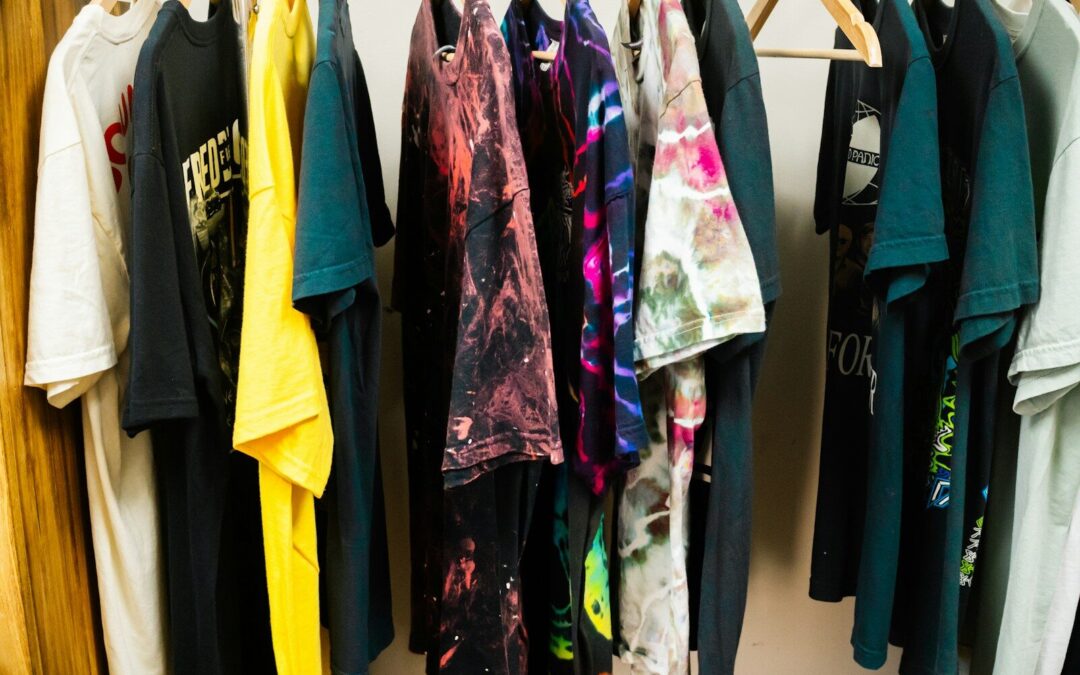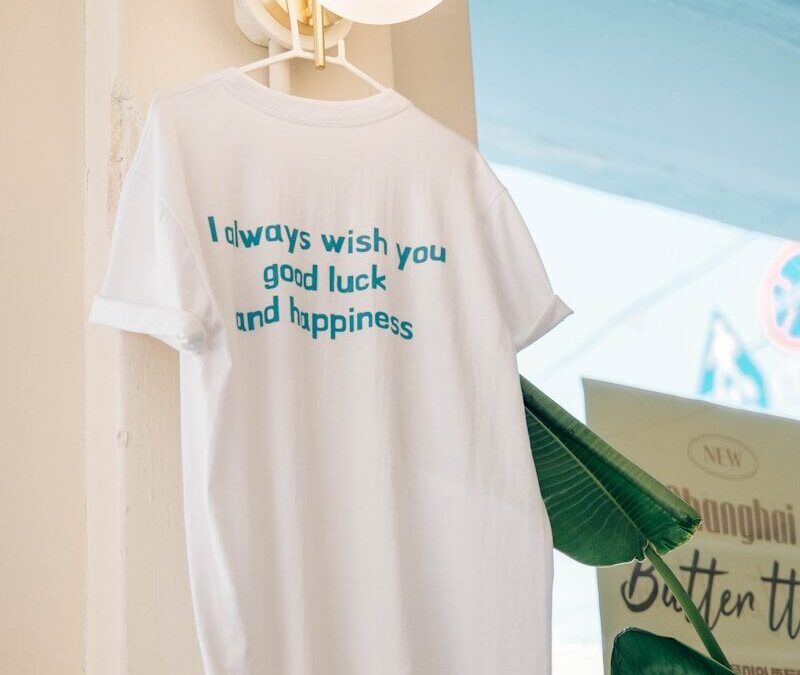
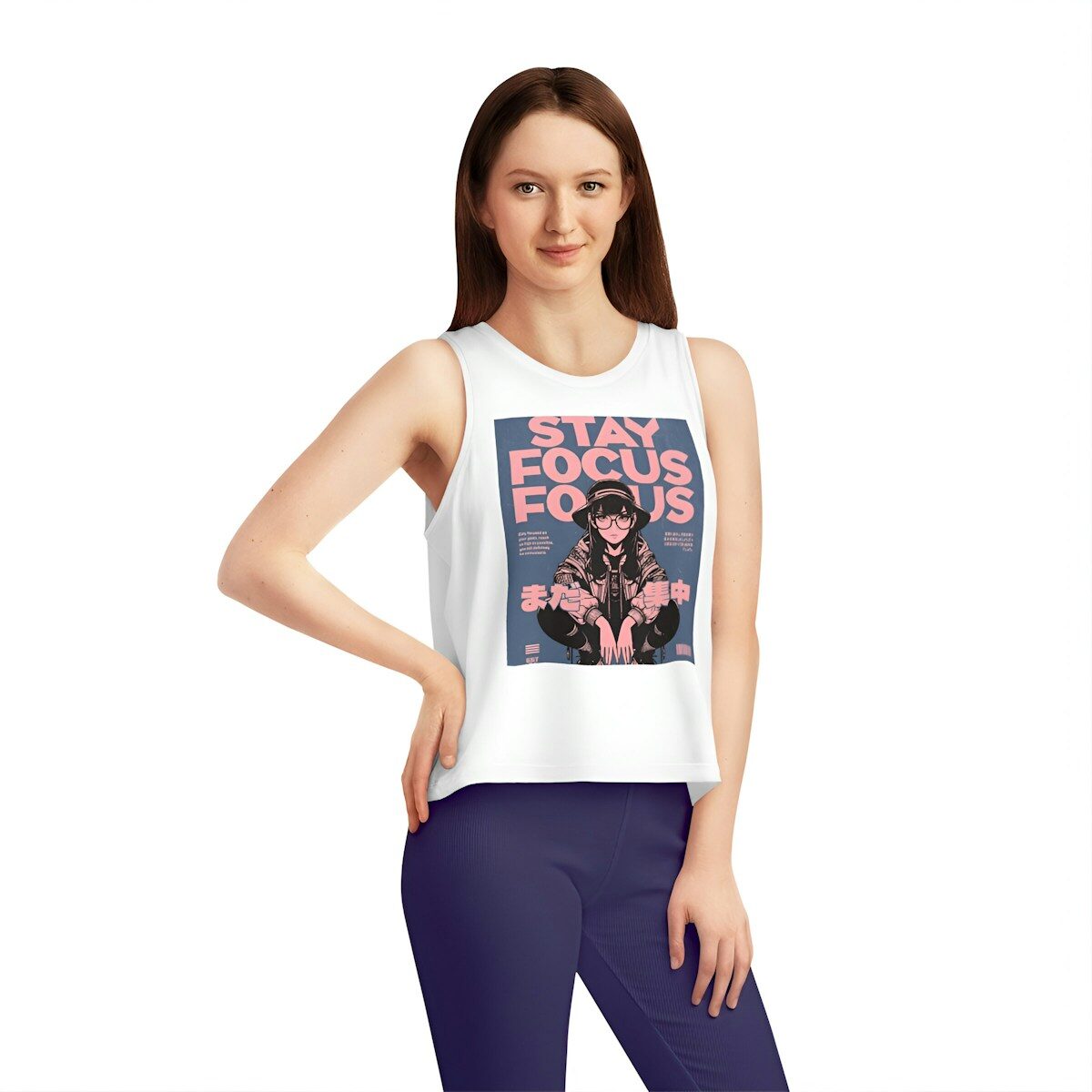
Direct to film (DTF) printing transfers full-color designs onto nearly any fabric using PET film, CMYK and white ink, and hot melt adhesive powder. It delivers vibrant colors with up to 16.7 million colors, requires no fabric pre-treatment, and produces wash-resistant prints that last 100+ washes—making it one of the most flexible and cost-effective printing methods for businesses of every size.
As a trusted DTF transfer supplier, I help businesses create professional-quality products without sinking thousands into expensive equipment. Over the years, I’ve watched direct to film printing reshape the custom apparel industry by making full-color printing more accessible and affordable than ever before.
Here’s why that matters. Whether you’re producing a single shirt for a customer or fulfilling an order of several thousand, direct to film gives you a level of flexibility that most traditional printing methods simply can’t match. No screens. No fabric pre-treatment. No minimums holding you back.
In this guide, I’ll walk you through how DTF works, the key benefits driving its rapid adoption, how it supports both small and large orders, and answers to the most common questions I hear from business owners considering the switch. By the end, you’ll know exactly whether direct to film is the right fit for your business.
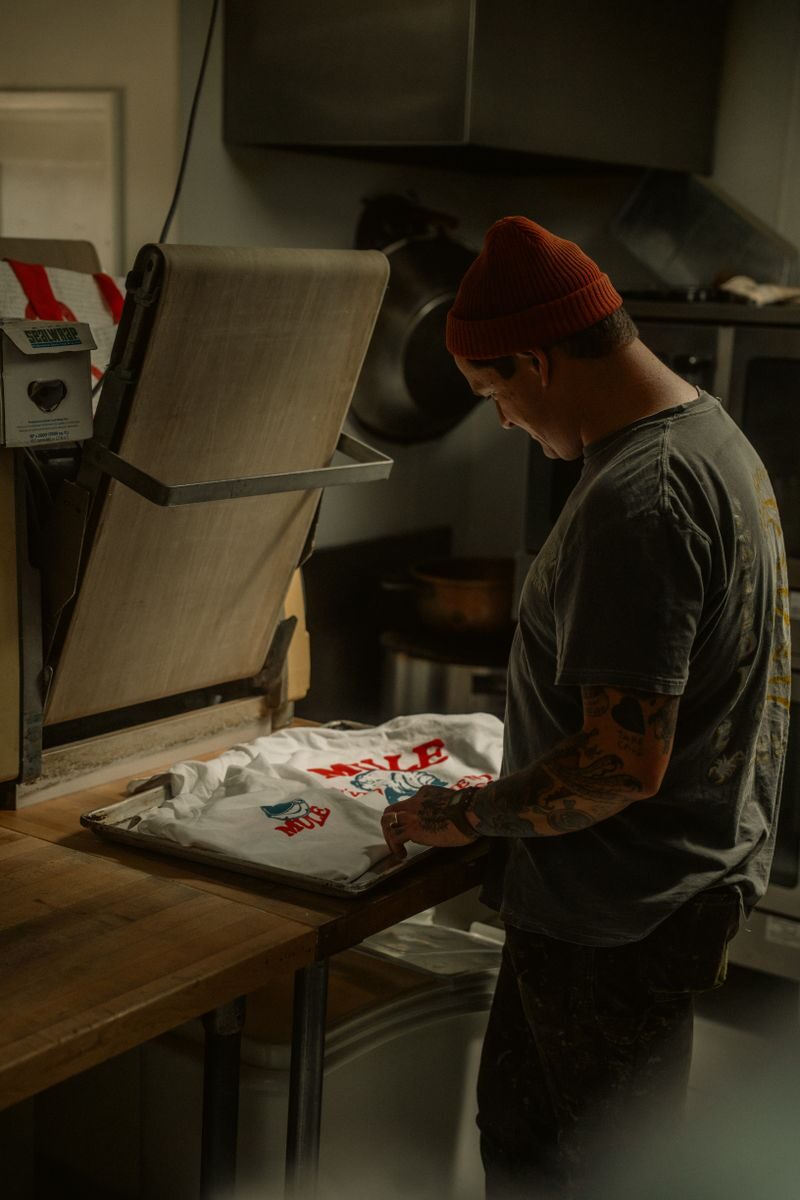
Photo by James Collington on Pexels
Why Are Businesses Choosing Direct to Film?
What’s Driving the Growth of Direct to Film Printing?
The printing industry is adopting direct to film technology at a remarkable pace, and the reason is simple: demand for on-demand printing and custom apparel keeps climbing. Consumers want personalized products, and they want them fast.
DTF answers that demand. Businesses can offer full-color, professional transfers without buying a costly DTF printer or dedicating floor space to bulky equipment. By partnering with a transfer supplier, a small shop can scale its output overnight—taking on bigger orders without bigger overhead. That accessibility is exactly why so many entrepreneurs and established print shops are making the move.
For a deeper look at the technology’s trajectory, the experts at Printful break down how DTF fits into the broader print-on-demand landscape.
How Does the DTF Printing Process Work?
Direct to film printing follows a straightforward sequence that produces professional results with minimal setup time:
- Design creation — Start with your artwork, ideally a high-resolution file with a transparent background.
- Print file preparation — The design is prepped and sized for printing.
- Printing onto PET film — CMYK colors are printed first, followed by a white ink layer onto a special PET transfer film (typically around 0.75mm thick for optimal transfer quality). DTF printers use dedicated CMYK and white ink channels, and most professional-grade machines rely on Epson printheads for precise, high-quality output. A built-in white ink circulation system keeps the white ink from settling, ensuring consistent coverage across every job.
- Adhesive application — Hot melt adhesive powder is applied to the wet ink while it’s still tacky.
- Curing — The film passes through a curing oven—or a powder shaker unit in a full DTF setup—to bond the powder to the ink.
- Heat press application — The finished transfer is pressed onto your garment at 160–170 °C for 10–15 seconds using firm, even pressure.
A complete DTF setup includes three core pieces of equipment: a printer, a powder shaker, and a heat press. Because there are no screens to burn and no pre-treatment to apply, the whole process moves quickly. That’s what makes it ideal for both one-off custom jobs and large production runs. Finished transfers can also be stored and applied on demand, giving you the flexibility to print ahead of busy seasons and press garments as orders come in.
Why Does Direct to Film Work on Nearly Any Fabric?
One of the biggest advantages of DTF is its versatility. Unlike methods that only suit certain materials, direct to film bonds beautifully to a wide range of surfaces, including:
- 100% cotton
- Polyester and poly blends
- Nylon
- Leather and canvas
- Wood and denim
- Both dark and light fabrics
DTF also excels on difficult placements like sleeves, pockets, and curved surfaces that other methods struggle with. This means you can print one transfer and apply it to a cotton tee, a poly hoodie, or a canvas tote without changing your process. If you want to maximize your transfers, our Gang Sheet Builder helps you fit multiple designs onto a single sheet, and you can browse Custom DTF Transfers or stock up on Heat Press Supplies to complete your setup at our website.
What Are the Key Benefits of DTF Printing Work?
Does DTF Deliver High-Quality Transfers?
Absolutely. Direct to film is known for exceptional print quality. The CMYK printing process, combined with a white DTF printer ink underbase, can reproduce up to 16.7 million colors with sharp detail—so even intricate designs and fine lines come out clean. High color accuracy means what you see on screen is what lands on the garment.
Better still, quality DTF transfers offer a soft-hand feel. Rather than sitting heavily on the fabric like older transfer methods, a well-made DTF print feels light and flexible to the touch—even on large designs. That flexibility also means prints stretch with the fabric rather than cracking, which keeps them looking sharp wash after wash.
Is DTF Cost-Effective for Every Business Size?
Cost is where direct to film really shines. Consider these advantages:
- No minimum orders — Order exactly what you need, whether that’s one transfer or one thousand.
- No screen setup fees — Unlike screen printing, there are no expensive setup costs per color or per design, making DTF especially cost-effective for small to medium full-color orders.
- No fabric pre-treatment required — That step alone saves time, money, and supplies compared to methods like DTG.
- Reduced waste — Print only what sells, or store transfers and apply them on demand.
- Faster than traditional screen printing — Less setup time means quicker turnaround and lower labor costs per job.
This combination makes DTF ideal for startups testing the waters and established businesses managing tight budgets alike. The printing pros at Heat Press Nation regularly cover how decorators control costs across different methods.
How Does True Hot Peel Technology Speed Up Production?
Production speed is a major selling point. With true hot peel technology, you don’t have to wait for the film to cool before peeling it away—you peel it immediately after pressing at 160–170 °C. That single difference shaves precious seconds off every transfer, which adds up fast on large orders.
The result is a quicker workflow with less waiting between steps and faster overall production compared to many other methods. For suppliers like us, it’s a big reason same-day shipping is even possible.
Do DTF Prints Last?
Durability is a top concern for any business, and DTF delivers. When applied correctly at the right temperature and pressure, direct to film prints are wash-resistant and highly flexible. Quality DTF transfers are built to last 100+ washes without fading or cracking—a level of durability that holds up well for personalized apparel, custom merchandise, and high-volume production alike.
That consistency extends across large orders too. Every transfer in a batch matches the last, so your hundredth shirt looks as crisp as your first. For more on garment care that extends print life, the American Cleaning Institute shares practical laundry guidance worth passing along to customers.
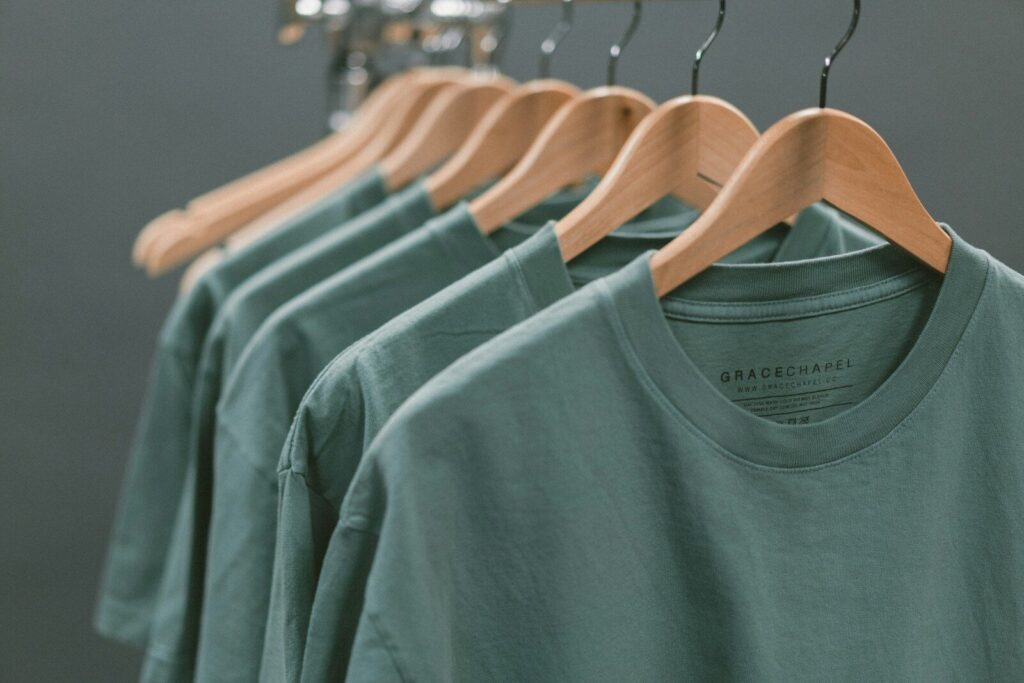
Photo by Keagan Henman on Unsplash
How Does DTF Support Small and Large Orders?
Why Is DTF Perfect for Small Businesses and Startups?
If you’re just getting started, DTF removes the biggest barriers to entry. You can order exactly what you need, test new designs without financial risk, and avoid sitting on unsold inventory. There’s no warehouse full of pre-printed shirts gathering dust—just affordable, on-demand custom printing. Transfers can be stored flat and applied as orders arrive, making it easy to manage inventory without overcommitting.
For new sellers, that flexibility is everything. You can validate a design with a small batch, then scale up the moment it takes off.
Can DTF Printers Handle Bulk Production Without Sacrificing Quality?
Yes. Print shops handling high-volume orders rely on DTF for consistent print quality and reliable color matching across thousands of transfers. The process scales smoothly, making it well suited for high-volume production in custom shops where output and quality need to stay in sync. Whether the order is 10 or 10,000, the results stay consistent.
How Do Gang Sheets Make Production More Efficient?
Gang sheets are a game-changer for efficiency. Instead of printing designs one at a time, you arrange multiple designs on a single sheet of transfer film. You can:
- Upload your own gang sheet, ready to print
- Use an online gang sheet builder if you don’t have design software
- Order by size for single designs
- Maximize transfer film usage
- Reduce material waste
This approach squeezes more value from every inch of film, lowering your per-design cost. The U.S. Small Business Administration offers helpful resources on managing production costs as you grow.
Which Business Models Does DTF Work For?
Direct to film fits an impressive range of business types, including:
- Etsy stores and Shopify brands
- Amazon and eBay sellers
- Custom apparel and personalized merchandise businesses
- Schools, sports teams, and corporate events
- Promotional product companies
- High-volume print shops and garment decorators
If your business involves putting designs on apparel or merchandise—whether one piece or thousands—DTF likely fits your workflow.
Common Concerns About Switching to DTF
Is DTF Better Than Screen Printing?
For many jobs, yes. DTF is faster to set up than traditional screen printing—there are no screens to burn and no per-color fees to deal with. It handles full-color and highly detailed designs with ease, capable of reproducing up to 16.7 million colors in a single pass—something screen printing simply can’t match as color counts rise. Setup costs for screen printing can be significant, especially for small runs, while DTF has no such barrier.
That said, screen printing still has its place for massive single-color runs. For most custom and small-batch full-color work, DTF offers more speed, flexibility, and affordability.
How Does DTF Compare to HTV (Heat Transfer Vinyl)?
DTF has a clear edge over heat transfer vinyl for complex designs. With HTV, multi-color artwork requires layering and weeding—a time-consuming process of cutting away excess vinyl before pressing. DTF eliminates weeding entirely. Your full-color design, including fine detail and gradients, transfers in a single step with no cutting or layering required. DTF also delivers a softer hand feel and faster production for anything more complex than simple single-color text.
How Does DTF Printing Compare to DTG Printing?
Direct to film and direct to garment (DTG) are often compared. Here’s how they stack up:
|
Factor |
DTF |
DTG |
|---|---|---|
|
Fabric compatibility |
Cotton, poly, blends, nylon, leather, canvas, wood, and more |
Best on 100% cotton |
|
Fabric pre-treatment |
Not required |
Required for most fabrics |
|
White ink usage |
Built into the process via dedicated white ink channel |
Required on dark garments |
|
Color range |
Up to 16.7 million colors |
Wide, but fabric-dependent |
|
Print quality |
Vibrant, sharp, soft-hand feel |
Very soft on cotton |
|
Printing technique |
Print to film, then transfer |
Print directly onto garment |
|
Production speed |
Fast, hot peel workflow |
Slower per garment |
|
Material versatility |
Broader—including non-textile materials like leather |
Limited to fabric, primarily cotton |
|
On-demand storage |
Transfers can be stored and applied later |
Must press immediately |
For a third-party technical comparison, the resource library at SinaLite covers print method differences in detail.
How Does DTF Compare to Sublimation Printing?
Sublimation is another popular method, but it comes with a significant limitation: it only works on polyester fabrics (or polyester-coated materials). DTF, by contrast, works on cotton, polyester, nylon, blends, leather, canvas, wood, and more. If your product line includes anything other than 100% polyester, DTF gives you far greater reach without changing your process.
Do DTF Transfers Really Last?
They do, when made and applied with care. Quality DTF prints are built to withstand 100+ wash cycles without fading or peeling. Proper heat press application at 160–170 °C for 10–15 seconds, quality adhesive powder, and durable PET film all contribute to that longevity. Cut corners on any of those, and durability suffers—which is why working with a quality supplier matters so much.
Is DTF Difficult to Learn?
Not at all. DTF is beginner-friendly. You don’t need advanced design software to get started, especially when you use easy online ordering tools like a gang sheet builder. And when questions come up, professional support is there to help you dial in your settings. For foundational design skills, Canva’s Design School is a free, beginner-friendly place to start.
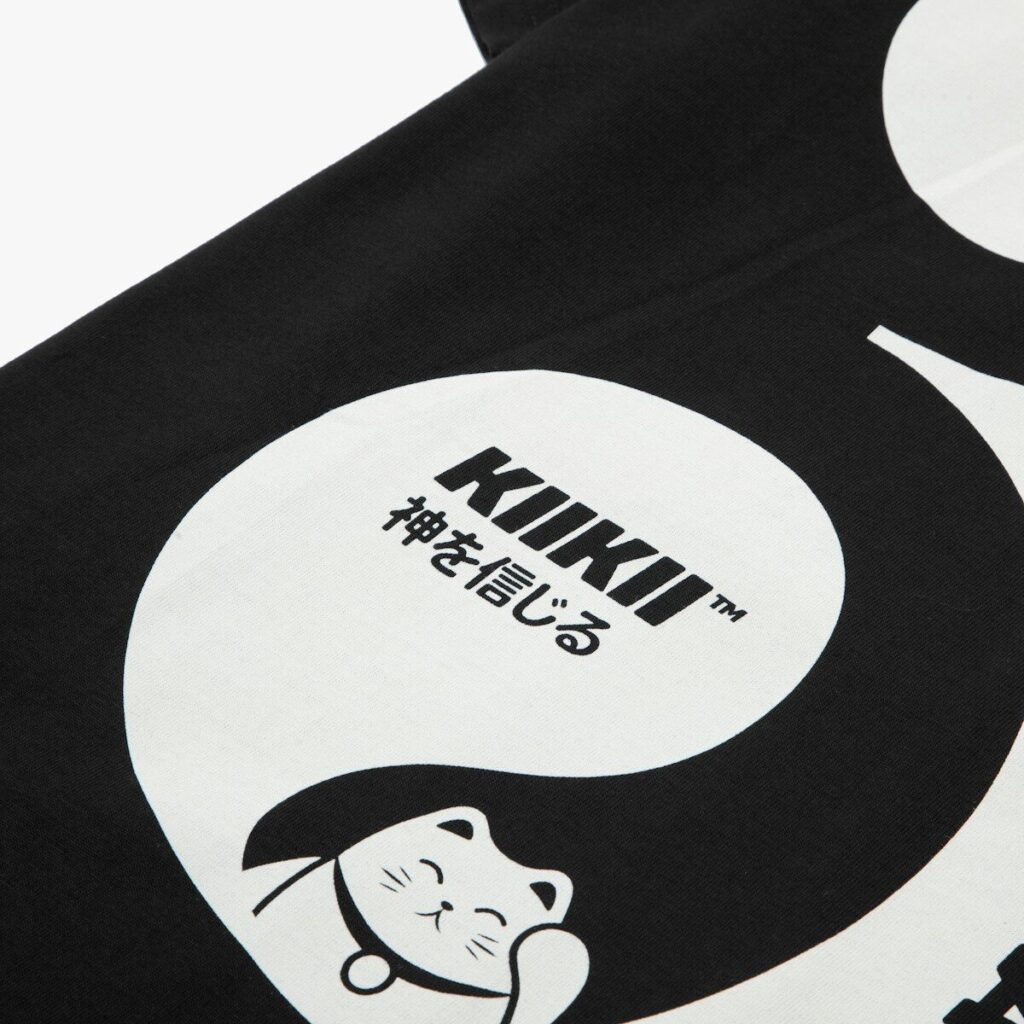
Photo by Alex Haigh on Unsplash
Pro Tips for Getting Started With DTF
Why Should You Start With High-Resolution Images?
Print quality begins with your file. Always use high-resolution images with a transparent background so the white ink layer prints cleanly behind your design. Proper print file preparation prevents blurry edges and washed-out colors. When possible, use vector artwork—it scales to any size without losing sharpness.
How Do You Choose the Right Heat Press Machine?
Your heat press is just as important as your transfer. Pay attention to:
- Temperature — Press at 160–170 °C as recommended for DTF transfers
- Pressure — Firm, even pressure ensures full adhesion across the entire design
- Timing — Press for 10–15 seconds, then follow your supplier’s guidance on whether a second press is needed
Getting these three right is the difference between a transfer that lasts 100+ washes and one that peels after the first.
How Do You Select Quality Film Transfers?
Not all film is created equal. Premium PET film (around 0.75mm thick for best transfer quality), quality adhesive powder, and reliable CMYK+white ink output all affect the final result. Professional-grade transfer films produce brighter colors, stronger bonds, and cleaner peels, so it pays to choose a supplier who invests in quality materials and maintains a proper white ink circulation system to keep every print consistent.
Why Should You Work With a Trusted DTF Partner?
The right partner makes everything easier. Look for award-winning quality, true hot-peel DTF printing technology, fast turnaround, and helpful perks like free shipping over $50 and no minimum orders. A true one-stop shop that supplies transfers, heat presses, and accessories saves you from juggling multiple vendors as your business grows. For business planning support along the way, SCORE offers free mentoring to entrepreneurs.
Frequently Asked Questions
What does “direct to film” mean?
Direct to film (DTF) is a printing process where a design is printed onto special PET film using CMYK and white ink channels, coated with hot melt adhesive powder, cured to bond the powder, and then heat-pressed onto fabric at 160–170 °C for 10–15 seconds. A complete setup includes a DTF printer (typically using Epson printheads and a white ink circulation system), a powder shaker, and a heat press. DTF’s standout trait is versatility—it works across cotton, polyester, blends, nylon, leather, canvas, wood, and both dark and light fabrics, with no fabric pre-treatment required.
Is DTF better than vinyl?
For most custom apparel, DTF offers clear advantages over heat transfer vinyl (HTV). DTF handles full-color designs and intricate detail—up to 16.7 million colors—in a single transfer with no weeding required. Vinyl requires cutting and weeding for multi-color work, which adds significant time on complex jobs. DTF also delivers a softer hand feel and faster production for detailed designs. Vinyl can still work well for simple, single-color text or logos, but DTF wins on versatility, speed, and efficiency for full-color work.
How long do DTF transfers last?
Quality DTF transfers are built to last 100+ washes while keeping their color and flexibility. Longevity depends on proper heat press application at 160–170 °C for 10–15 seconds, quality adhesive powder, and premium PET film. Following the recommended settings and using gentle wash care keeps prints vibrant for the long haul.
What is better, DTG or DTF?
It depends on your needs. DTG prints a very soft image directly onto 100% cotton but requires pre-treatment and is best suited to cotton fabrics. DTF prints to film first, then transfers onto a far wider range of materials—including polyester, nylon, leather, and more—with no pre-treatment, faster production, 100+ wash durability, and strong color vibrancy up to 16.7 million colors. Transfers can also be stored and applied on demand. Many businesses choose DTF for its greater versatility and scalability across diverse product lines.
Can DTF be applied to difficult areas like sleeves and pockets?
Yes. DTF transfers are flexible and can be applied to challenging placement areas including sleeves, pockets, collars, and curved surfaces. Their thin, pliable nature after pressing makes them far more adaptable than rigid methods like screen printing when it comes to non-flat or confined areas.
Ready to Make the Switch to Direct to Film?
Direct to film has earned its reputation as one of the most versatile and cost-effective printing methods available. It delivers vibrant transfers with up to 16.7 million colors, requires no weeding or fabric pre-treatment, works on cotton, poly, nylon, leather, and beyond, produces results fast with 100+ wash durability, and scales effortlessly from a single shirt to thousands.
If you’re ready to see the difference for yourself, I’d love to help. Experience award-winning DTF transfers, easy gang sheet ordering, same-day shipping, and reliable support built for businesses of every size. Place your first order today and start pressing profit.