Cotton is a natural fiber that handles heat well, making it forgiving and beginner-friendly for DTF transfers. Rayon is a semi-synthetic fiber with a silky, silk-like texture that requires lower heat settings and more careful pressing. Both work with DTF transfers when proper techniques are applied, but they behave very differently under the heat press — and off it too.
Picking the right fabric isn’t just a comfort decision — it directly affects how your DTF transfers adhere, feel, and hold up over time. Two of the most common options decorators encounter are rayon and cotton. They look similar on a hanger, but they behave very differently under a heat press.
Cotton shows up in t-shirts, hoodies, tote bags, and team uniforms. Rayon turns up in flowy boutique tops, lightweight dresses, and fashion-forward garments — often serving as a more affordable alternative to silk. Both are everywhere. And if you’re running transfers at any volume, you’ll press on both sooner or later.
This guide breaks down the rayon vs cotton comparison from a decorator’s perspective. You’ll learn how each fabric is made, how it performs under heat, what it takes to get a clean application, and which fabric works best for different project types. Understanding these differences saves time, reduces waste, and produces better finished products for your customers.
Photo by Keagan Henman on Unsplash
What Is the Difference Between Rayon and Cotton Fabric?
At their core, cotton and rayon come from two very different sources — and that origin shapes everything about how they behave.
What Is Cotton?
Cotton is a true natural fiber, harvested from the fluffy seed pods of the cotton plant (Gossypium). It has been used for thousands of years — evidence of cotton use dates back to at least 3000 B.C. (Encyclopaedia Britannica). The fibers are cleaned, carded, and spun into yarn before being woven or knitted into fabric.
Cotton comes in several forms:
Conventional Cotton
This is the most widely used variety, found in standard t-shirts, hoodies, bedding, bed sheets, and towels
Organic Cotton
Organic cotton is grown without synthetic pesticides or fertilizers, making it a more sustainable option that supports biodiversity, hosting around 30% more species than conventionally farmed land
Pre-shrunk Cotton
Cotton treated during manufacturing to reduce the typical 1–3% shrinkage that occurs after washing
Premium Varieties
Premium options such as Pima and Egyptian cotton, known for extra-long fibers and a softer hand.
Because cotton fiber is strong, durable, and relatively heat-tolerant, it remains the go-to fabric for garment decorators working with bulk production runs. With proper care, cotton garments can last 5–10 years — a testament to the fiber’s natural resilience.
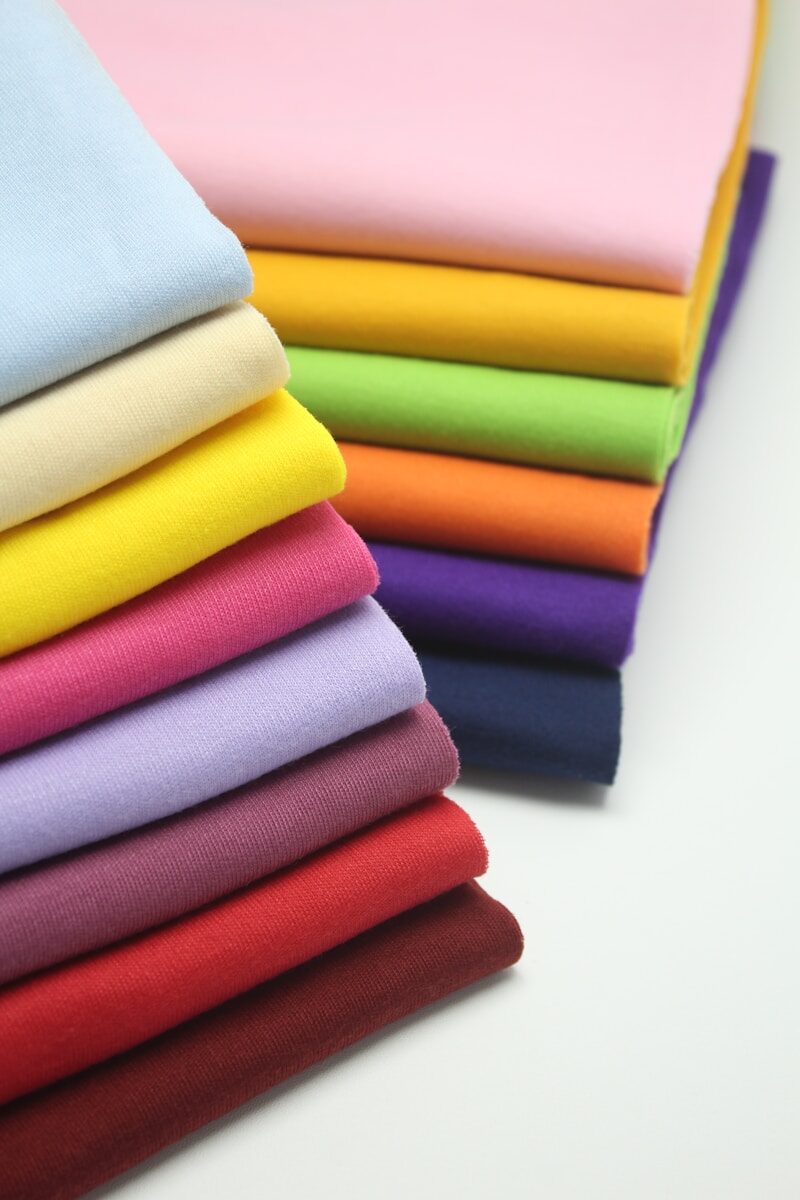
Photo by Moonstarious Project on Unsplash
What Is Rayon?
Rayon is a semi-synthetic fiber made from chemically processed wood pulp. First developed in the late 19th century as a more affordable alternative to silk, rayon fabric goes through significant chemical processing — including the use of harmful chemicals like carbon disulfide in viscose production — to transform raw plant material into soft, drapeable fabric (Encyclopaedia Britannica). Because of this intensive chemical processing, rayon is not GOTS-certified, unlike organic cotton so keep this in mind when deciding between rayon and cotton sheets.
There are several types of rayon fibers, each produced through slightly different processes:
Viscose Rayon
This is the most common type, first produced commercially in 1905. It has a silky texture, breathes well in humid conditions, but loses strength when wet.
Modal Rayon
Made from beech tree cellulose, stronger and more resistant to shrinkage than viscose. Popular in activewear and underwear.
Lyocell (Tencel)
The most sustainable variant, produced through a closed-loop process that recycles most of the chemicals used. Stronger when wet than standard viscose.
Bamboo Rayon
Derived from bamboo pulp, often marketed as eco-friendly.
Each rayon type behaves a little differently during heat pressing, which matters for decorators. (SustainYourStyle offers a useful breakdown of rayon variants and their environmental profiles.)
How Does Each Fabric Feel to Wear?
Cotton Offers Reliable Everyday Comfort
Cotton fabric is soft, breathable, and familiar. Its porous fibers allow air to circulate, making it particularly comfortable in hot weather — where it outperforms rayon in breathability. Cotton is also a remarkable absorber, capable of taking in up to 27 times its weight in water, which means it genuinely pulls moisture away from the skin rather than just sitting on the surface.
For everyday wear — t-shirts, hoodies, team apparel, tote bags, bedding, and towels — cotton delivers consistent performance. It holds its shape well, withstands regular machine washing, and maintains color vibrancy over time. One downside: cotton wrinkles easily, which can require extra care when presenting finished garments.
Rayon Offers a Silky, Premium Feel
Rayon garments have a noticeably different hand feel. The silky texture, lightweight drape, and smooth surface make rayon popular for fashion-forward pieces — flowy tops, lightweight dresses, resort wear, and boutique collections. Its superior drape enhances garment flow in a way cotton simply can’t match, making it the go-to choice for dresses and blouses where movement matters.
Rayon feels cooler to the touch than cotton and is more breathable than cotton in humid conditions, which is why it’s commonly used in tropical and warm-weather clothing. Rayon also holds vibrant dye colors exceptionally well due to its high absorbency — a genuine plus for decorators working with bold designs. However, the fabric weakens when wet and can feel clammy when damp, which is something to keep in mind for garments customers will wear during physical activity.
Rayon vs Cotton for DTF Transfers: How Do They Behave Under Heat?
This is where the real difference shows up. Fabric choice has a direct impact on your DTF transfer results.
Pressing DTF Transfers on Cotton
Cotton is the most forgiving fabric for heat pressing. It tolerates higher temperatures, doesn’t stretch significantly under pressure, and bonds reliably with DTF adhesive. Recommended settings for 100% cotton are:
- Temperature: 310–320°F
- Time: 12–15 seconds
- Pressure: Medium to firm
Cotton produces bright, durable prints with strong adhesion. Because it handles heat well, small variations in press settings are less likely to cause problems. This makes cotton the ideal starting point for beginners and the practical choice for high-volume production.
Pressing DTF Transfers on Rayon
Rayon requires a more cautious approach. The fibers are heat-sensitive and can scorch, stretch, or develop unwanted shine if pressed at too high a temperature. Recommended settings for rayon/viscose:
- Temperature: 280–300°F (lower end of the DTF range)
- Time: 10–15 seconds
- Pressure: Medium
- Peel: Warm or cold peel
- Protection: Always use a Teflon sheet or parchment paper
Pre-pressing the garment for 3–5 seconds to remove moisture is especially important with rayon. Because rayon weakens when wet, moisture trapped in the fabric can prevent proper adhesion and cause the transfer to lift at the edges. DTF transfers are actually well-suited for rayon compared to other printing methods because they don’t require chemical pre-treatment and can be applied at lower temperatures than traditional plastisol transfers.
Always perform a test press on a scrap piece of fabric before running a full production batch, especially on rayon or rayon blends you haven’t pressed before.
Which Fabric Handles Heat Better Overall?
Cotton handles heat more reliably. Its strong fiber structure can withstand the temperatures needed for consistent DTF adhesion without damage. Cotton also has a lower shrinkage risk during pressing — it typically shrinks just 1–3% even without pre-shrinking treatment, and pre-shrunk blanks reduce that further.
Rayon presents a narrower margin for error. The fabric is heat-sensitive, more prone to stretching under pressure, and can absorb moisture from the air that interferes with adhesion. Rayon also tends to shrink significantly more than cotton — expect 5–8% shrinkage on the first wash, compared to cotton’s 1–3%. That said, rayon and rayon blends are entirely workable — they just reward preparation and testing.
Rayon-cotton blends (more on those below) often provide a practical middle ground, combining the heat tolerance of cotton with the softness of rayon.
Breathable Fabrics: Is Rayon or Cotton Better for Hot Weather Garments?
Both fabrics perform well in warm conditions, though for different reasons — and the winner depends on the environment.
Cotton is more breathable than rayon in dry heat. Its porous fiber structure allows for excellent airflow, making it a reliable choice for warm-weather basics, activewear, and everyday t-shirts. It’s particularly well-suited for situations where sustained comfort and moisture absorption matter most.
Rayon outperforms cotton in humid conditions. It feels cooler to the touch, evaporates moisture faster than cotton, and doesn’t trap body heat the way some synthetic fabrics do — which is why it’s commonly used in tropical and resort wear. The trade-off is that rayon can feel clammy when it becomes saturated with moisture, which limits its appeal for high-activity garments.
Neither fabric is universally superior for hot weather. The better choice depends on the garment’s end use — cotton works best for athletic and utility wear in dry heat, while rayon suits fashion-forward lightweight pieces in humid climates.
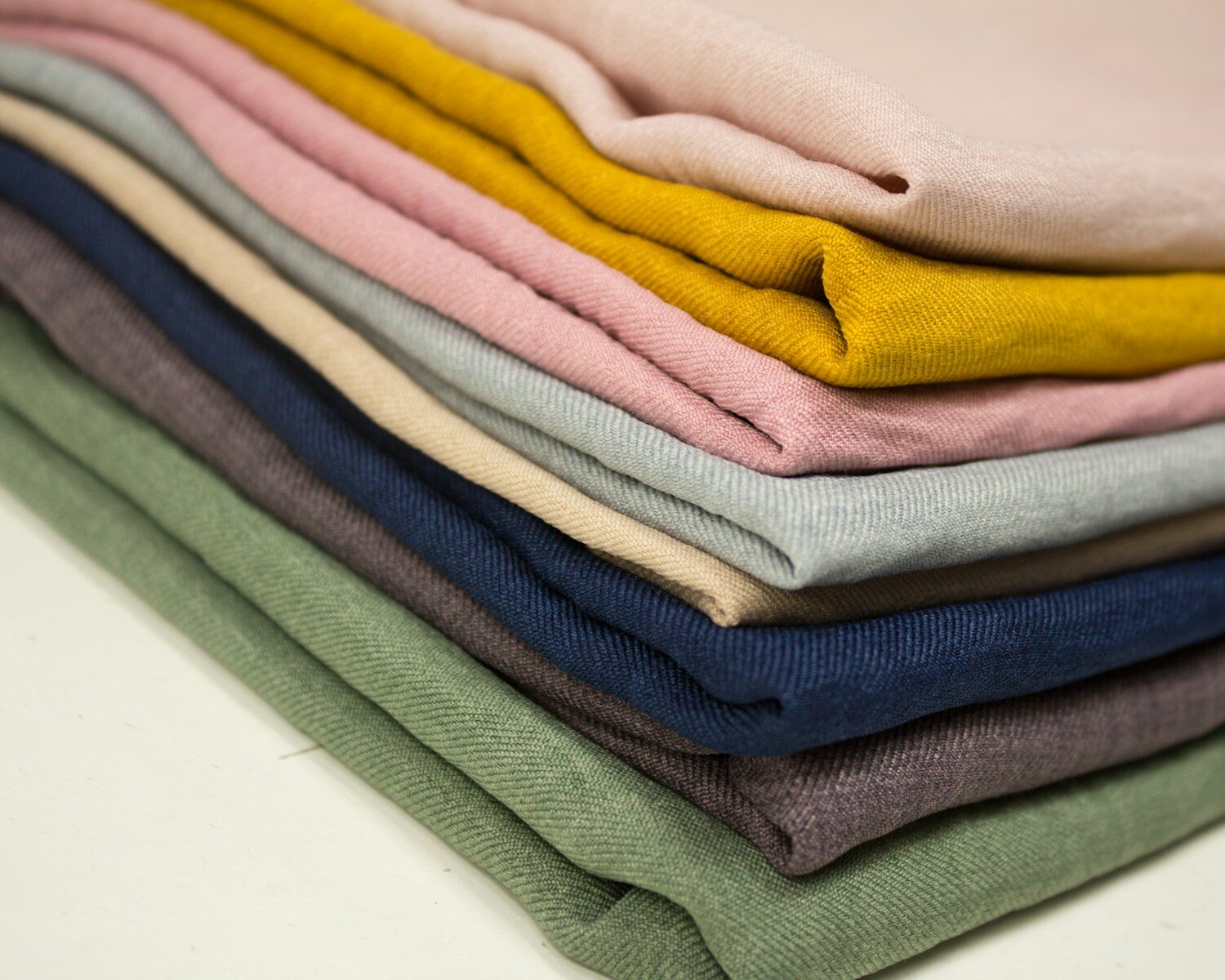
Photo by Ekaterina Grosheva on Unsplash
Durability: Which Fabric Holds Up After Repeated Washing?
Cotton Durability
Cotton is generally more durable than rayon and holds up well over time. Its fiber structure withstands the heat of an iron, the agitation of a washing machine, and repeated wearing. Cotton also holds up better than rayon when exposed to sunlight and repeated washing — important for garments customers wear frequently outdoors. With proper care, cotton items can last 5–10 years. The main downsides are wrinkling (cotton creases easily) and, over time, some pilling. Higher-quality cotton — longer fibers, higher thread count — performs significantly better than lower-grade alternatives.
Rayon Durability
Rayon is often less durable than cotton and tends to break down faster under regular use. The fabric weakens when wet, can stretch out of shape if not handled carefully, and does not hold up as well to sunlight or repeated washing. Most rayon garments require dry cleaning or hand washing in cold water to maintain their appearance and longevity — machine washing is often too harsh. Rayon also shrinks 5–8% on the first wash, which is considerably more than cotton’s 1–3%.
For decorated garments, this matters. If customers wash rayon pieces incorrectly — hot water, high-spin cycles, tumble drying on high heat — both the fabric and the transfer can suffer. Providing clear care instructions with rayon garments is an important step for any decorator.
It’s also worth noting that environmental impact varies between the two materials. Cotton cultivation is water-intensive and can degrade soil health over time, while conventional rayon production involves intensive chemical processing, including harmful substances like carbon disulfide. Organic cotton offers a more responsible alternative — grown without synthetic pesticides or fertilizers and supporting biodiversity — while organizations like Textile Exchange track fiber sustainability standards across the supply chain. Useful context for decorators whose customers care about responsible sourcing.
Rayon and Cotton Blends: Getting the Best of Both Worlds
Many blank garments on the market today are rayon-cotton blends. Manufacturers combine the two fibers to balance softness, drape, durability, and heat tolerance.
Common blends include:
- Cotton-rayon (e.g., 60/40): A popular combination for flowy yet durable tops and tees. The cotton provides structure and heat resistance; the rayon contributes softness and drape.
- Cotton-rayon-spandex: Adds stretch to the equation, common in fitted and athleisure styles.
- Cotton-rayon-polyester (tri-blends): A versatile mix that reduces weight, adds softness, and improves moisture management.
For DTF pressing, blends with higher cotton content generally behave more like cotton — they’re more forgiving and accept standard cotton settings more reliably. As the rayon percentage increases, adjusting temperature downward and slowing your approach becomes more important.
Which Fabric Is Easier to Decorate With DTF Transfers?
Cotton Is the Decorator’s Default
Cotton is the right choice when:
- You’re new to heat pressing
- You’re running bulk production orders
- You need consistent, repeatable results
- Your customers prioritize durability over premium softness
- You’re decorating team shirts, promotional apparel, or tote bags
The wider temperature tolerance and durable fiber structure mean fewer failed presses and more consistent adhesion.
Rayon Suits Premium and Boutique Apparel
Rayon makes sense when:
- Your customers are buying fashion-forward or boutique pieces
- The garment design calls for drape and a silky finish — think dresses and blouses
- You’re decorating lightweight summer styles or resort wear
- You’re working with a print shop that caters to higher-end customers
- You want to take advantage of rayon’s ability to hold vibrant dye colors
The learning curve is steeper, but the finished product — a soft, flowing garment with a color-perfect DTF transfer — can command a premium price.
Why DTF Transfers Work Across Many Fabric Types
DTF transfers are one of the more versatile decorating methods available. Unlike screen printing, which requires fabric pre-treatment or specific ink types, DTF applies across a wide range of materials when proper settings are used.
Limitless Transfers — the 2024 and 2025 back-to-back first-place award winner for DTF printing quality — produces transfers that work on cotton, rayon, polyester, cotton-poly blends, tri-blends, nylon, canvas, leather, denim, neoprene, and more. Their CMYK+W (and expanded CMYK+RGBO+W) printing delivers vibrant, detail-rich colors with a soft-hand feel that holds up across garment types.
Features decorators rely on:
- True hot-peel technology for fast, clean application even at high production volumes
- Soft-hand feel that doesn’t stiffen or crack after pressing
- Same-day shipping on orders placed by noon EST
- No minimum order requirements — practical for small shops, boutique runs, and DIY creators
- Gang sheet builder for easy design layout without advanced software
- Free UPS Ground shipping on orders over $50
The flexibility to work across cotton, rayon, and blended fabrics without switching suppliers or print methods is a genuine advantage for decorators managing diverse product lines.
Best Practices Before Pressing Rayon or Cotton
Applying a few consistent habits reduces errors and improves results regardless of which fabric you’re pressing:
- Read care labels before pressing. They tell you the fiber content and heat tolerance of a garment.
- Always test press first on a sample or inconspicuous area when working with a new blank.
- Pre-press for 3–5 seconds to remove moisture and smooth wrinkles before positioning the transfer.
- Use a Teflon sheet on rayon and delicate blends to prevent shine marks and protect the fabric surface.
- Follow recommended heat settings — 310–320°F for cotton; 280–300°F for rayon.
- Let garments cool completely before handling or stacking.
- Order extra blanks when testing a new fabric for the first time.
- Provide care instructions to customers, especially for rayon garments — remind them that rayon often requires dry cleaning or gentle hand washing, not a standard machine cycle.
Common Mistakes to Avoid
A few missteps account for most application problems on rayon and cotton:
- Using excessive heat on rayon — this scorches fibers and creates unwanted shine.
- Skipping the pre-press — moisture trapped in the fabric prevents proper adhesion, and rayon is especially vulnerable to this.
- Applying too much pressure — especially on lightweight rayon, high pressure can distort the garment.
- Assuming all rayon blends behave the same — a 55% rayon blend needs different handling than 95% rayon.
- Not testing on new blanks — every new garment source can have slight variations in fiber content and construction.
- Peeling at the wrong stage — follow the peel instructions for your specific transfer type (hot, warm, or cold peel) rather than guessing.
- Ignoring care instructions after pressing — customers washing rayon in hot water or running it through a high-spin cycle can damage both the fabric and the transfer.
Choosing the Right Fabric for the Right Job
Both rayon and cotton have a clear place in a decorator’s toolkit — they’re just built for different jobs.
Cotton is forgiving, durable, and machine washable — the dependable workhorse for bulk orders, promotional apparel, and everyday pieces that need to last. With a lifespan of up to 5–10 years and shrinkage of just 1–3%, it’s the low-maintenance choice for customers who want reliability.
Rayon offers exceptional softness, superior drape, and a silk-like finish for fashion-forward pieces, but it comes with trade-offs: it shrinks 5–8% on first wash, weakens when wet, can feel clammy when damp, and often requires dry cleaning rather than a standard machine wash. It’s also less durable over time, especially when exposed to repeated washing and sunlight.
The comparison isn’t about which fabric is better overall. It’s about matching the fabric to the project. A team of 50 ordering spirit wear shirts? Cotton is the practical choice. A boutique launching a summer collection of flowy dresses and blouses? Rayon or a cotton-rayon blend might be exactly what the customer expects.
DTF transfers give decorators the flexibility to work across both — and across blends, polyester, canvas, leather, and more — when proper pressing techniques are followed.
Ready to press on any fabric with confidence? Explore Limitless Transfers’ award-winning DTF transfers, build your gang sheet, and get same-day shipping on your next order at limitlesstransfers.com.
Photo by WebTechExperts on Pixabay
Frequently Asked Questions
Is cotton healthier than rayon for sensitive skin?
Cotton is a natural fiber and is generally considered a safer choice for those with sensitive skin. Rayon is made from chemically processed wood pulp, and its production involves substances like carbon disulfide, meaning trace residues can occasionally cause reactions in sensitive individuals. High-quality, washed rayon garments reduce this risk, but cotton remains the more predictable choice for skin-sensitive customers.
What are the main disadvantages of rayon for garment decoration?
Rayon is heat-sensitive, weakens when wet, and can stretch or distort under pressure during heat pressing. It shrinks 5–8% on the first wash — significantly more than cotton’s 1–3% — and often requires dry cleaning rather than machine washing to maintain its shape. Rayon is also less durable than cotton over time, especially with repeated exposure to washing and sunlight. It requires lower temperature settings than cotton, benefits from cold or warm peels rather than hot peels, and demands a Teflon sheet to prevent damage during pressing.
Which is better for DTF transfers: rayon or cotton?
Neither is universally better — the right choice depends on the project. Cotton is easier to press, more forgiving with heat settings, and better suited for bulk production. It’s also more durable, machine washable, and holds up better to repeated washing and sunlight. Rayon delivers a softer, more luxurious feel, drapes beautifully, and holds vibrant dye colors well — making it ideal for fashion-forward apparel — but it requires more careful pressing and delicate care. For beginners and high-volume runs, cotton is the safer starting point. For premium boutique pieces like dresses and blouses, rayon (or cotton-rayon blends) can produce excellent results with the right technique.
Is 100% rayon a good-quality fabric for custom apparel?
Yes — 100% rayon garments can deliver a premium look and feel, with excellent drape, a silky texture, and vibrant color retention. They generally carry a higher perceived value, which can support premium pricing. The trade-offs are real though: rayon sheets shrink more than cotton, requires dry cleaning or gentle but frequent washing, weakens when wet, and tends to break down faster under heavy use. Educating customers on proper garment care helps protect both the natural fabric and the decorated design.