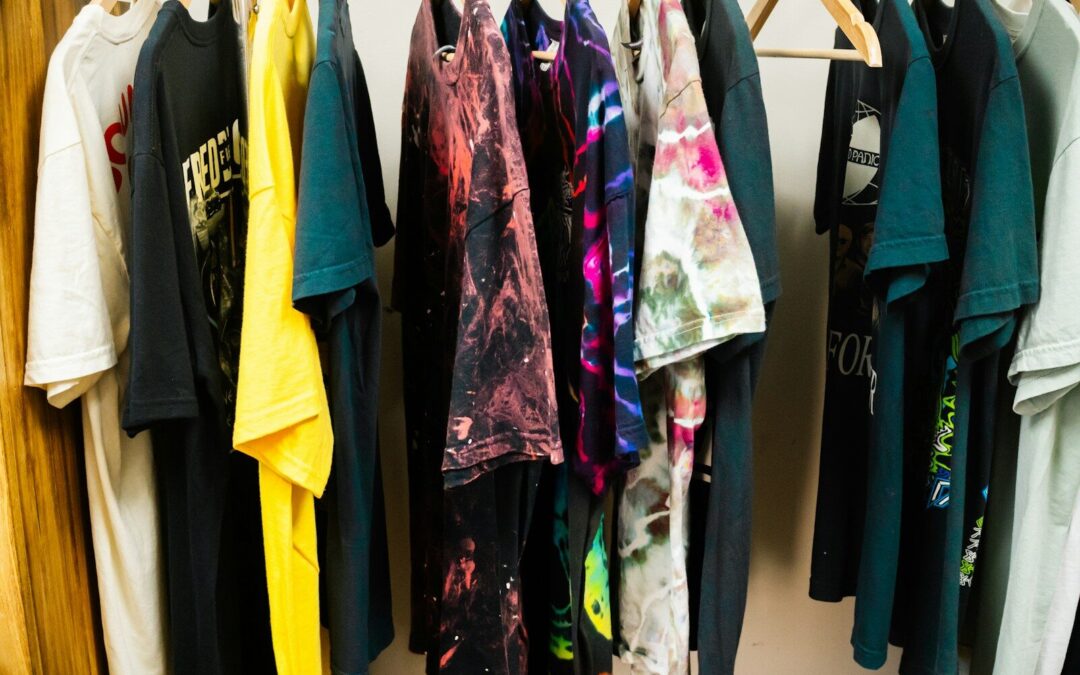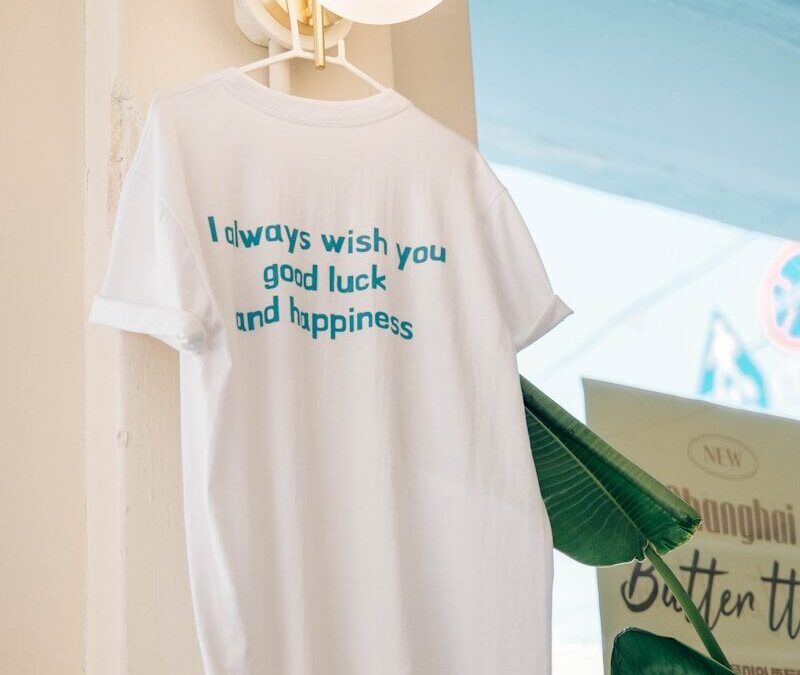
A DTF order lets you print full-color, durable designs onto PET film that can be heat pressed onto almost any fabric or material — no minimums, no pretreatment, and no expensive equipment required. From launching a T-shirt brand to producing fundraiser apparel, DTF transfers work for nearly any custom apparel or merch project, and I’ll walk through 12 of my favorite ways to use them below.
When I first started experimenting with custom apparel, I assumed I’d need a screen printing setup, a DTG printer, or at least a warehouse full of blank apparel inventory to make anything worth selling. Then I discovered DTF (Direct-to-Film) transfers, and that assumption fell apart fast.
Here’s how the process actually works: a design gets printed onto a specialized PET film, adhesive powder is applied while the ink is still wet, the adhesive is cured, and the finished transfer gets heat pressed onto fabric. Depending on the transfer, the film peels away either hot or cold, leaving behind a vibrant, durable DTF print. No pretreatment. No screens. No plates. Just a design, a film, and a heat press.
That simplicity is exactly why I recommend DTF printing services over most traditional decorating methods. There are no expensive setup and art fees eating into your margins, no fabric pretreatment slowing down your workflow, and no minimum order requirement forcing you to buy more than you need. Whether I’m producing a single custom shirt for a birthday gift or a few hundred for a fundraiser, the process scales in either direction without penalty.
Below, I’ll walk through 12 project ideas that show just how far a single DTF order can take you, along with the practical details on preparing artwork, applying transfers, and choosing the right materials.
Why I Recommend Placing a DTF Order For Your Blank Apparel
Before getting into project ideas, it’s worth understanding why DTF has become my go-to for custom apparel work.
Placing a DTF order is cost-effective whether you’re printing five shirts or five hundred. There’s no minimum order requirement, and you can choose how you order based on what fits your project: order transfers by size, use a gang sheet builder to combine multiple designs onto one sheet, or upload your own ready-to-print gang sheet file.
Turnaround time matters just as much as cost. Most DTF orders print and ship within 24 hours, and orders typically ship the next business day. Same-day shipping cutoffs vary by supplier — some offer same-day shipping for orders placed before noon ET, others cut off closer to 5 a.m. CT, and many offer same-day local pickup for orders placed before 2 p.m. Specialty transfers, like Glow in the Dark designs, usually need a longer 48–72 hour turnaround because of the extra production steps involved.
Beyond speed, quality is what keeps me ordering from the same supplier. Award-winning transfer quality, a soft-hand feel, and vibrant CMYK printing (some suppliers even use an expanded gamut with additional colors for even richer results) make a visible difference on the final product. And because DTF works on cotton, polyester, blends, canvas, nylon, denim, leather, and more, the same order process applies no matter what you’re decorating.

1. Launch a Custom T-Shirt Business or DTF Printing Company
Etsy shops, Shopify stores, Amazon Merch listings, and local apparel brands all share the same starting challenge: producing professional-quality shirts without committing to bulk inventory. DTF transfers solve this directly. Because there’s no minimum order and turnaround is fast, I can test a new design idea, print a handful of transfers, and have product ready to sell within days — not weeks.
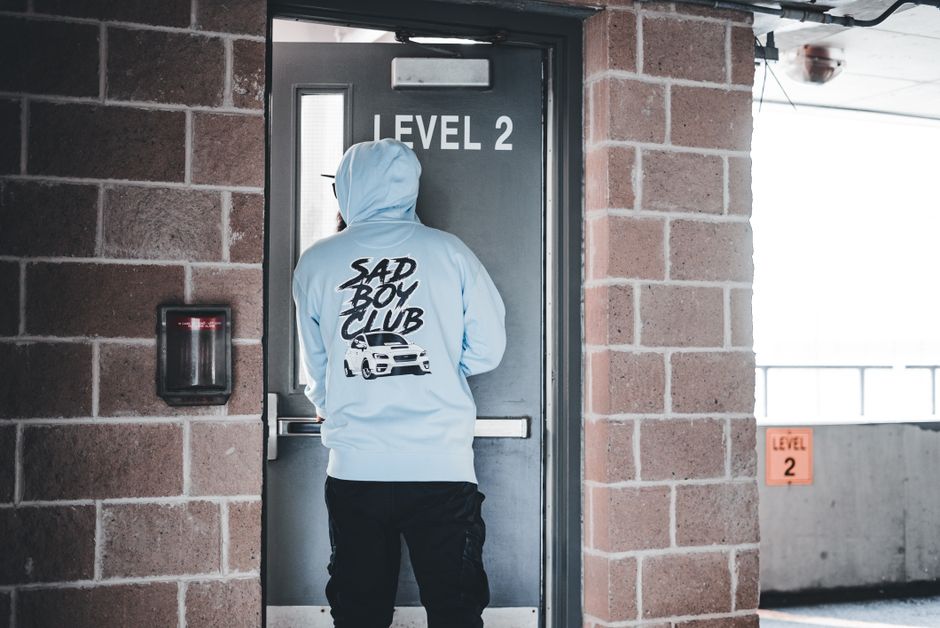
2. Design Hoodies & Sweatshirts With Custom DTF Transfers
Heavier garments like hoodies and sweatshirts benefit enormously from DTF’s durability and color vibrancy, especially on dark fabrics. White ink in the DTF process creates a strong base layer, so designs pop against black or navy garments instead of looking washed out. This makes DTF ideal for winter collections, school spirit wear, and premium seasonal apparel drops.
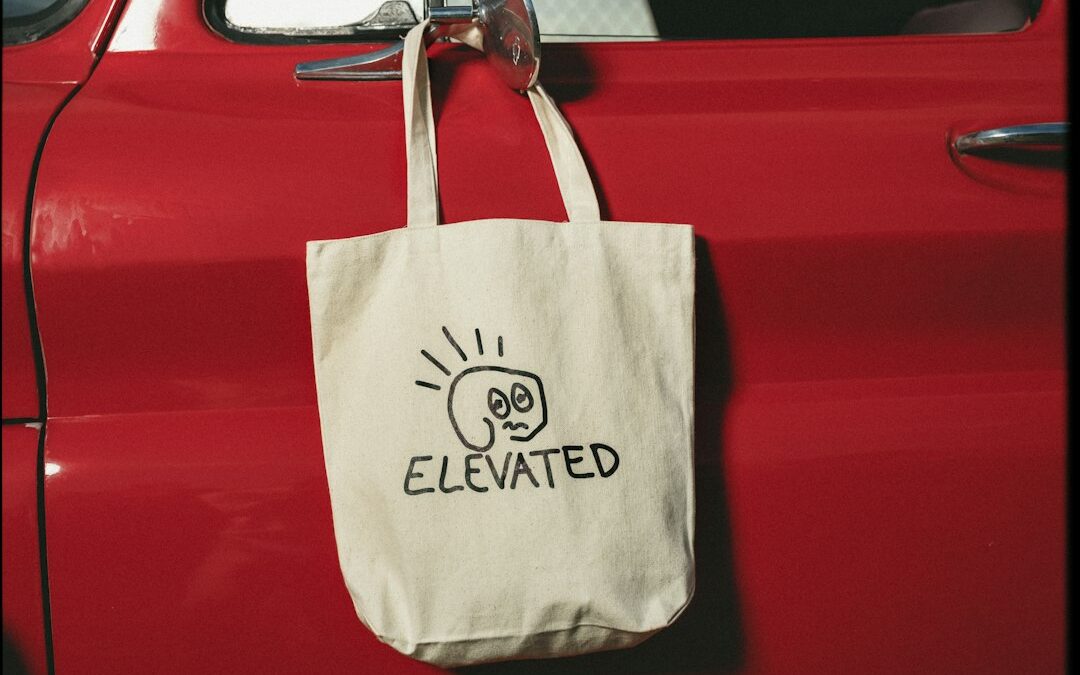
3. Print Tote Bags & Canvas Accessories
Farmers markets, craft fairs, and boutique shops are full of tote bags and canvas accessories — and DTF transfers hold up beautifully on canvas. The material’s compatibility with detailed artwork means intricate designs still come through crisp and professional-looking, even on a rougher woven surface.
4. Create Branded Business Apparel
Landscaping crews, HVAC technicians, restaurant staff, gym trainers, and retail employees all need consistent, branded apparel. DTF transfers make it easy to produce employee uniforms and promotional shirts in small batches, so a growing business isn’t stuck ordering hundreds of shirts before it needs them.
5. Sell Creator Merchandise
YouTubers, Twitch streamers, TikTok creators, podcasters, and musicians are increasingly building their own merch lines instead of relying on print-on-demand marketplaces that eat into margins. DTF transfers support limited drops and fan-exclusive designs without requiring the creator to hold inventory long-term.
6. Design Family Reunion & Vacation Shirts
Matching shirts for cruises, Disney trips, birthdays, and weddings are a genre unto themselves. Because DTF has no minimums, I can order exactly the number of shirts a family or group needs — no leftover inventory, no wasted budget.
7. Produce Fundraiser Apparel
Schools, churches, nonprofits, and youth sports teams frequently need affordable apparel for fundraising campaigns. DTF’s combination of low cost, no minimums, and fast production makes it realistic to reorder popular designs on demand instead of guessing at quantities upfront.
8. Launch Seasonal Collections
Halloween, Christmas, Valentine’s Day, and Fourth of July apparel all have short sales windows. Small test runs through DTF let me gauge demand for a seasonal design before committing to a larger batch, which keeps inventory management simple and reduces the risk of unsold stock.
9. Make Workwear for Trades & Service Businesses
Contractors, electricians, plumbers, and delivery companies need durable apparel that can survive tough working conditions while still looking professional. High quality DTF transfers hold up well across multiple garment colors, which helps maintain consistent branding across an entire crew.
10. Decorate Sports & School Apparel With Vibrant Colors
Team shirts, booster club merchandise, field day gear, and club apparel all tend to require both bulk quantities and fast turnaround, especially around the start of a season. DTF handles both demands well, delivering vibrant colors even on larger production runs.
11. Offer Personalized Gifts
Baby announcements, pet shirts, birthday gifts, graduation apparel, and Mother’s Day or Father’s Day presents are almost always one-off projects. DTF transfers are practical here specifically because small quantities — sometimes just one — don’t come with a cost penalty.
12. Test New Product Ideas Before Buying Inventory
Before committing to bulk apparel inventory, I like to validate an idea first. DTF transfers make limited product testing realistic: print a small batch, see how it sells, and scale up only once there’s real demand. It’s a far lower-risk way to launch new product lines.
How to Prepare Your DTF Order for the Best Results
Use High-Quality Artwork For Your High quality Transfers
Print quality starts with the file, not the printer. I always aim for PNG files with a transparent background and a resolution of at least 300 DPI. Low-resolution or compressed images tend to produce blurry or pixelated transfers, no matter how good the DTF printing equipment is. If you’re building or refining artwork yourself, Adobe Express and Canva’s Design School both offer accessible guides on preparing ready to press and print-ready graphics with proper resolution and transparency.
Save Money with Gang Sheets
A DTF gang sheet is simply a single film sheet loaded with multiple designs, arranged to use as much of the available space as possible. Instead of ordering one design per print run, gang sheets let you combine several designs — different sizes, different projects — onto one sheet, which lowers the effective cost per transfer. This is especially useful for mixed orders, like producing shirts, tote bags, and hats from the same batch.
Order by Size or Gang Sheet
Which ordering method makes sense depends on the project. Ordering by size works well for straightforward, single-design runs. A gang sheet builder or custom artwork upload makes more sense for businesses and print shops juggling multiple designs at once, since it maximizes efficiency and reduces waste.
Applying Premium DTF Transfers Successfully
Getting a clean, long-lasting result comes down to heat press technique. Most DTF transfers apply best at 300–320°F with medium, even pressure for 10–15 seconds, though it’s important to always follow the specific instructions provided with your transfers, since formulations vary between suppliers.
One detail that trips up a lot of first-time DTF users: hot peel versus cold peel. Hot peel transfers should be peeled immediately after pressing, while the film is still warm. Cold peel transfers need to cool completely before the film comes off. Peeling at the wrong time is one of the most common reasons a transfer doesn’t release cleanly. If you’re using a home or entry-level heat press, Brother’s garment decoration resources and Epson’s professional imaging guides both offer helpful technique breakdowns for dialing in pressure and timing.
Because DTF doesn’t require fabric pretreatment, there’s no extra prep step before pressing — you’re pressing directly onto the garment.
What Materials Can I Use?
One of the biggest advantages of DTF over screen printing or DTG is just how many materials it works on:
- Cotton
- Polyester
- Cotton blends and tri-blends
- Canvas
- Nylon
- Denim
- Leather
- Spandex
Light-colored fabrics generally show accurate color straight off the transfer, while dark fabrics rely on the white ink base layer within the DTF process to keep colors vibrant and prevent the fabric color from bleeding through the design.
How Long Do DTF Transfers Last?
Durability is one of the more common questions I get, and it’s a fair one — nobody wants a design that cracks or peels after a few washes. When applied correctly, DTF transfers can last well beyond 100 washes without significant fading, cracking, or peeling. Fine details in a design may show wear slightly before larger, bolder graphics do, simply because thinner lines have less surface area h
olding onto the fabric.
Care matters just as much as application. I always recommend washing garments inside out in cold water and avoiding high-heat drying, since excess heat is the most common cause of premature cracking. For general fabric care guidance beyond DTF-specific tips, Cotton Incorporated’s fabric care resources are a solid reference for keeping printed garments looking their best over time.
Why Choose Limitless Transfers for Your DTF Printing
After testing several DTF suppliers, Limitless Transfers ha s become my default for a few concrete reasons. They’ve earned back-to-back 1st Place awards for DTF print quality in both 2024 and 2025 — recognition awarded at a live judged contest held during Printing United Expo, a event connected to the Printing United Alliance, one of the industry’s most respected trade organizations.
Beyond the award, Limitless Transfers uses expanded gamut CMYK+RGBO+W printing, which produces noticeably richer color accuracy than standard CMYK setups, along with a true hot peel process that speeds up production. There are no minimum order requirements, so I can order DTF transfers by ordering a single gang sheet or a bulk run through the same simple process — either by uploading my own gang sheet file, using their online gang sheet builder, or ordering individual transfers by size.
Fulfillment is fast: most orders ship same day or the next business day, with free UPS Ground shipping and a flat $10 2nd Day Air option on orders over $50. And since they also sell heat presses and supplies, it’s a genuine one-stop DTF printing company or transfer company rather than just a transfer printer.
Start Your Next Project With a DTF Order
DTF printing has quietly become one of the most flexible tools available for custom apparel and merch, and it deserves more credit than “just another way to print T-shirts.” Whether you’re testing a brand-new product idea, outfitting a work crew, printing merch for a growing creator brand, or making one-off gifts, the low barrier to entry and fast turnaround make it worth exploring.
If you’re weighing legal considerations around labeling or advertising claims for a growing apparel brand, the Federal Trade Commission’s business guidance is a useful resource worth bookmarking as you scale.
Whatever the project, the same principle applies: start small, test the design, and scale up once you know it works. A single DTF order is often all it takes to get moving.
Photo by Towfiqu barbhuiya on Unsplash
Frequently Asked Questions
What is a DTF order?
A DTF order is a print order for Direct-to-Film transfers — designs printed onto PET film with adhesive powder, then DTF heat transfers are pressed onto fabric or other materials.
How long does a DTF order take to ship?
Most DTF transfers orders ship the same day or next business day, though specialty transfers like Glow in the Dark designs typically take 48–72 hours. We always strive to have your transfers arrive ready anf quick.
Is there a minimum order?
No. Most DTF suppliers, including Limitless Transfers, don’t require a minimum order, so you can order a single transfer or thousands.
Can I order just one transfer?
Yes. DTF’s per-unit pricing model makes single transfers practical, unlike screen printing, which usually requires a minimum run to be cost-effective.
What is the preferred file types?
PNG files with a transparent background at 300 DPI or higher generally produce the best results.
What is a print ready gang sheet?
A gang sheet is a single film sheet containing multiple designs arranged together to maximize space and lower the cost per transfer.
What fabrics work with DTF transfers?
DTF works on cotton, polyester, blends, canvas, nylon, denim, leather, spandex, and more. For harder surfaces like cups, use UV DTF transfers and UV dtf stickers.
How long do DTF transfers last?
When applied correctly, DTF transfers can last over 100 washes without significant cracking, peeling, or fading.
Can I use a home heat press?
Yes, as long as it reaches the recommended temperature range and can apply consistent, even pressure.
What temperature should I use?
Most DTF transfers press well at 300–320°F, though you should always check the specific instructions provided with your order.
Do I peel hot or cold?
It depends on the transfer type. Hot peel transfers should be removed immediately after pressing DTF transfers; cold peel transfers need to cool fully first.
Are DTF transfers good for small businesses?
Yes. The lack of minimum order requirements and fast turnaround make DTF especially practical for small businesses testing new designs or fulfilling low-volume orders.