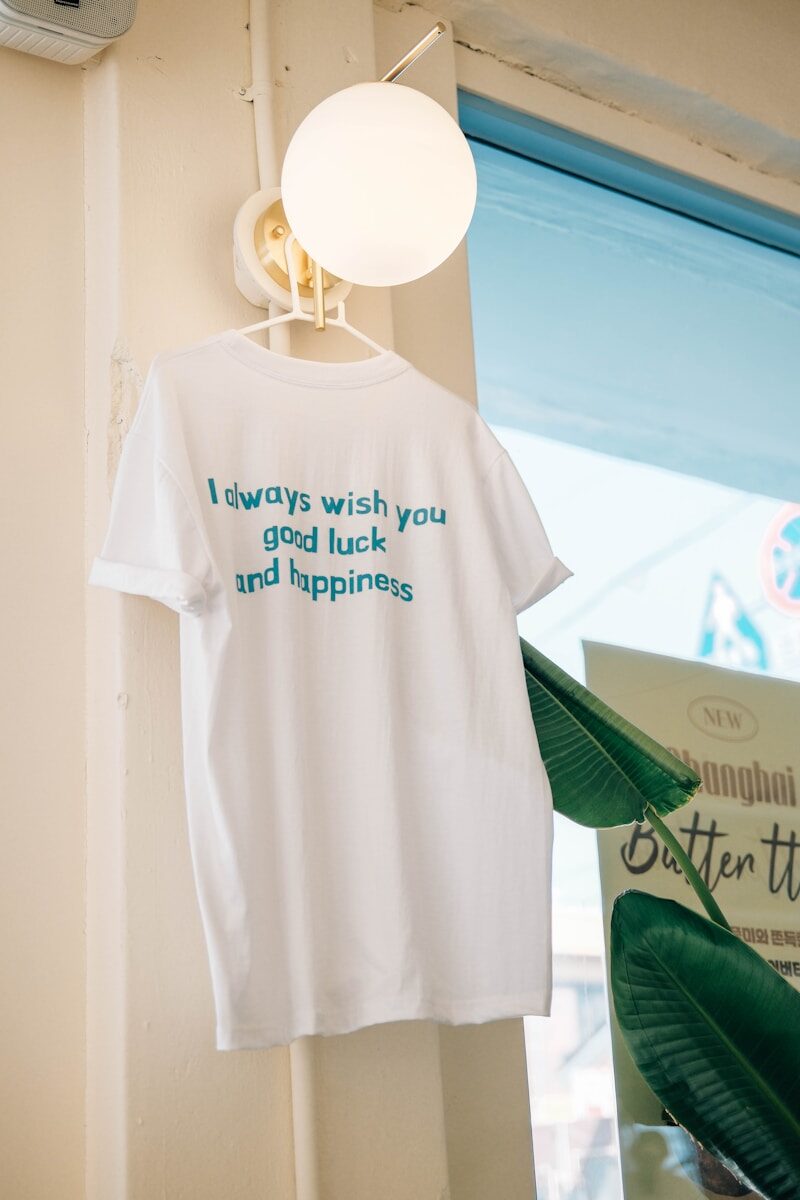
DTF (Direct-to-Film) printing lets apparel businesses produce vibrant, full-color designs on nearly any fabric without minimum order quantities, pretreatment, or expensive equipment. It supports fast turnaround, easy scaling from one shirt to hundreds, and durable prints that withstand 50 to 100+ washes—making it a practical choice for startups, Etsy sellers, and established print shops alike.
Every apparel business eventually runs into the same wall: the printing method that worked for ten shirts doesn’t work for two hundred, or the equipment that promised flexibility turns out to be expensive and slow to master. Custom apparel businesses need production methods that keep pace with unpredictable order sizes, tight deadlines, and customers who expect vibrant, detailed designs every time.
DTF printing has become the answer for a growing number of startups, Etsy sellers, print shops, promotional companies, and established apparel brands. Rather than juggling screens, pretreatment chemicals, or bulky in-house printers, businesses can order ready-to-press DTF transfers and apply them with a standard heat press. I work with award-winning DTF transfers to help customers grow without the overhead of complicated production, and I’ve seen firsthand how this method removes common bottlenecks for growing brands.
Here are ten reasons DTF printing works so well for apparel businesses looking to scale.
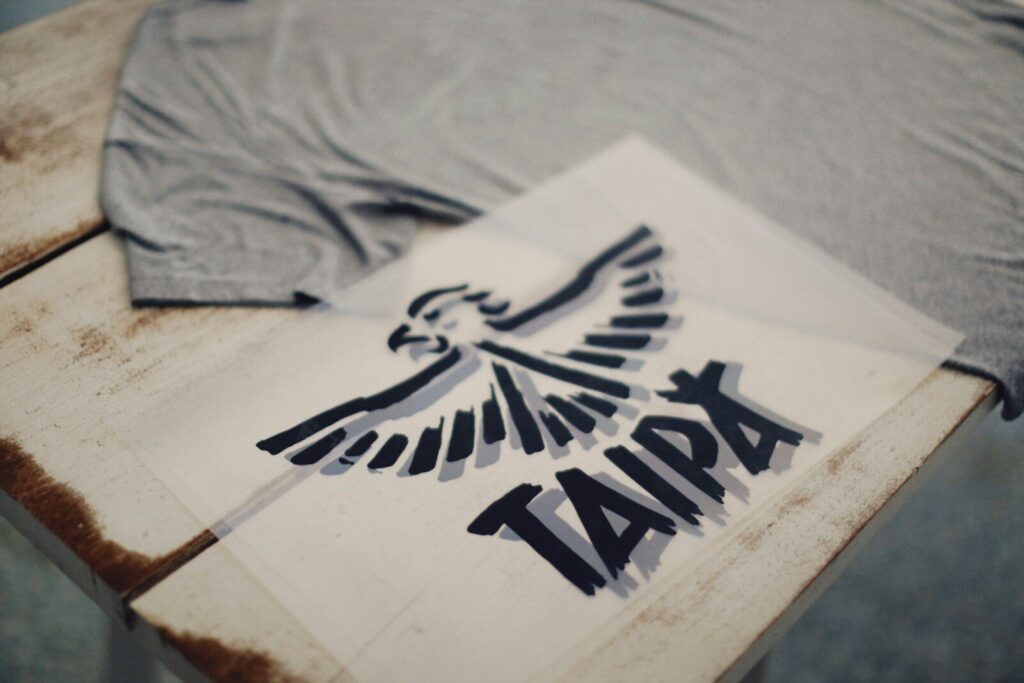
Photo by Alexey Demidov on Unsplash
1. I Can Print Stunning Full-Color Designs Without Color Limitations
DTF printing produces vibrant, full-color graphics with up to 16.7 million colors, which means gradients, fine text, and high-resolution images all come through with sharp detail. This is a meaningful advantage over traditional screen printing, where each additional color typically requires its own screen and setup cost. DTF also performs exceptionally well on dark garments, holding color vibrancy that screen printing and other methods sometimes struggle to match.
For businesses producing logos, illustrations, photographs, or detailed branding, this color flexibility opens up design possibilities that would otherwise be cost-prohibitive.
Business example: An Etsy seller launches a line of colorful graphic tees featuring detailed illustrations, without paying for multiple screen setups per design.
2. I Can Decorate Nearly Any Apparel Material
DTF transfers apply to a remarkably wide range of materials: cotton, polyester, cotton/poly blends, nylon, rayon, canvas, leather, spandex, tote bags, and even blank hoodies and performance apparel. Whether the garment is light or dark, color vibrancy stays consistent.
Compare that to DTG (direct-to-garment) printing, which performs best on 100% cotton and struggles with synthetic blends. According to Printful’s overview of direct-to-film printing, DTF works better on a wider range of fabrics, including polyester and blends, while DTG requires pretreatment and is best suited for cotton.
Business example: A promotional company fulfills a single order containing hoodies, performance shirts, tote bags, and hats, all using the same printing method.
3. I Don’t Have to Meet Minimum Order Quantities
Many printing methods only make financial sense at volume, which locks out startups and side hustles before they even get started. DTF printing typically comes with no minimum order requirement, and bulk pricing kicks in for orders of four or more sheets, giving growing businesses room to scale gradually.
This makes DTF ideal for testing new product lines, producing custom gifts, or creating samples before committing to a bigger run.
Business example: A new clothing brand launches with just ten shirts instead of ordering hundreds to justify setup costs.
Photo by Toa Heftiba on Unsplash
4. I Can Launch Premium DTF Transfers Products Faster With Quick Turnaround
Speed matters when a customer needs shirts for an event next week, not next month. DTF orders are commonly printed and shipped within 24 hours, with same-day printing available for orders placed before a supplier’s daily cutoff. Ready-to-press transfers mean there’s no additional prep once they arrive.
Business example: A school fundraiser needs custom shirts by the weekend, and a fast turnaround makes the deadline achievable.
5. I Save Time Because DTF Has a Simple Production Process
The DTF process follows five straightforward steps: a design is printed onto special PET film, the wet ink receives a powdered hot-melt adhesive, the adhesive is cured, the film is applied to the garment with a heat press, and the film is peeled away to reveal the finished print. According to Wikipedia’s overview of heat press technology, a heat press machine is engineered to imprint a design onto a substrate using heat and pressure for a preset period, and digital models allow precise control of temperature and timing—which matters for consistent DTF results.
Unlike vinyl, DTF requires no weeding or masking, and unlike DTG, it skips garment pretreatment entirely. On the design side, most DTF providers accept simple PNG or JPG files uploaded through an online builder. JPEG files, for example, support up to 16.8 million colors while keeping file sizes manageable for quick uploads, according to Adobe’s guide to the JPEG format. Many builders also offer a DTF gang sheet format, letting businesses arrange multiple designs onto a single sheet to maximize efficiency.
Business example: A home business owner uploads artwork in minutes instead of learning complicated design software.
6. I Can Personalize Every Order Without Increasing Complexity
Personalization used to mean added labor and cost. With DTF, printing individual names for sports jerseys, employee uniforms, family reunion shirts, or personalized glitter dtf transfer gifts requires no extra setup between designs, since each transfer is printed independently.
Business example: A local sports league orders jerseys where every single one features a different player’s name, without slowing down production.
7. I Can Scale From One Shirt to Large Production Runs
DTF transfers work whether a business needs one shirt, ten shirts, or hundreds of transfers. Pre-printed films store easily, which simplifies inventory management and makes reorders straightforward.
That said, screen printing becomes more economical at very high volumes because setup costs spread across many garments—something worth knowing when comparing options. According to a cost comparison from Ninja Transfers, DTF has minimal setup costs and is economical for small batches and multi-color designs, while screen printing is typically more cost-effective at large quantities.
Business example: A business fulfills a rush order of five shirts on Monday and a 300-shirt bulk order the following week, using the same production method for both.
8. I Get Professional Durability Customers Can Count On
A print quality that fades or cracks after a few washes damages a brand’s reputation. Properly applied DTF transfers typically resist cracking and peeling, with many holding vibrant color for 50 to 100+ wash cycles when garments are cared for correctly.
A few care tips help maximize durability: wash in cold water, avoid bleach, and follow the transfer supplier’s recommended heat press settings. Cotton Incorporated, a research organization focused on cotton fiber and fabric performance, offers additional resources on fabric care that can help apparel businesses set accurate expectations for customers.
Business example: A company producing branded work apparel needs prints that still look professional after weekly laundering.
9. I Can Offer More Products Without Buying Expensive Equipment
Owning DTF printing equipment means budgeting for the DTF printer itself, plus ongoing maintenance, calibration, adhesive powder, and curing equipment.When you order DTF transfers from a supplier, it lets businesses skip that investment entirely while still offering full-color, durable prints.
Business example: A print shop expands into DTF-printed products without purchasing a second production system or training staff on new machinery.
10. I Can Grow My Business With Less Risk
Taken together, these advantages let apparel businesses test new designs, expand product lines, and fulfill custom orders without the setup fees, equipment costs, or minimum order requirements that make other printing methods risky for growing brands.
Business example: An Etsy shop that started with basic t-shirts expands into hoodies, tote bags, hats, and seasonal collections without major overhead, growing its catalog as demand grows.
Photo by Erik Mclean on Unsplash
DTF Printing vs Other Popular Printing Methods
How do custom dtf transfers compare to screen printing?
Screen printing requires a separate screen for each color in a design, which drives up setup fees for complex, colorful artwork. It remains a strong option for very large bulk runs where those setup costs are spread across hundreds or thousands of units. DTF, by contrast, is ideal for smaller, flexible orders and multi-color designs where screen printing’s setup costs would be hard to justify.
How does DTF printing compare to DTG printing?
DTG (direct-to-garment) printing applies ink directly onto the garment and performs best on 100% cotton, usually requiring pretreatment first. DTF prints onto a PET transfer film, applies a powdered adhesive, and transfers the design with heat—working across cotton, polyester, blends, and more without any pretreatment step.
How does DTF printing compare to vinyl?
Vinyl printing requires cutting, weeding, and masking before a design can be applied, which adds labor time to every order. DTF skips weeding and masking entirely, making it faster for complex, full-color graphics that would be difficult or impossible to cut from vinyl.
Why I Recommend Award-Winning DTF Transfers
Not all DTF transfers are created equal, and the quality of the transfer itself makes a real difference in the final product. I look for transfers that have earned industry recognition for quality, like back-to-back first-place DTF quality awards in 2024 and 2025, along with true hot-peel performance, vibrant CMYK+White color accuracy, and a soft-hand feel that doesn’t sit stiffly on the garment.
Beyond the transfer quality itself, practical business features matter just as much: same-day shipping, free shipping on qualifying orders, no minimum order requirements, and an online gang sheet builder that lets you upload designs by size without needing advanced design software. Working with a one-stop shop that also supplies heat presses and application tools means fewer vendors to manage as your business grows.
Frequently Asked Questions
What is DTF in printing?
DTF, or Direct-to-Film, printing is a method that prints a design onto a special PET film, coats it with hot-melt adhesive powder, cures the adhesive with heat, and then transfers the design onto a garment using a heat press.
Is DTF better than sublimation?
Neither method is universally better; it depends on the project. DTF works on a wider range of fabrics and colors, including dark garments, while sublimation printing works best on light-colored polyester items and produces a permanent dye-based print.
What lasts longer, vinyl or DTF?
Properly applied, premium DTF transfers generally offer excellent durability, resisting cracking and peeling while lasting 50 to 100+ washes with proper care, such as cold-water washing and avoiding bleach. Vinyl durability varies depending on the type and application quality.
What is the average cost for a DTF print?
Pricing varies based on transfer size, quantity, and supplier and whether its a UV DTF transfer or a nirmal Small custom orders typically cost more per transfer than larger gang sheet or bulk purchases, and many providers offer discounted bulk pricing starting at four or more sheets.
Ready to Put DTF Printing to Work?
DTF printing gives apparel businesses something rare: a production method flexible enough to handle a single custom order and a five-hundred-unit run with the same quality and turnaround. Full-color designs, broad fabric compatibility, no minimum orders, fast shipping, and wash-resistant durability all add up to less risk and more room to grow.
If you’re ready to see what DTF can do for your product line, start by uploading your artwork or building a gang sheet through an online order builder. From there, ordering custom DTF transfers backed by award-winning quality is one of the more straightforward ways to grow your apparel business with confidence. For more on preparing your designs, Etsy’s Seller Handbook and Pantone’s color resources are worth bookmarking as you build out your product catalog.