The right DTF transfer depends on five factors: garment type, design size, artwork quality, order quantity, and production workflow. Cotton, polyester, blends, canvas, denim, and even leather all take DTF transfers well, but sizing, file prep, and whether you choose individual transfers or gang sheets will determine your final results and costs.
I get some version of the same question almost every day: “Which DTF transfer should I order?” It sounds simple, but the answer changes depending on what you’re decorating, how many pieces you need, and what your artwork actually looks like at full size. This isn’t another explainer on what DTF stands for. If you’re reading this, you probably already know that direct-to-film printing has become one of the most flexible ways to decorate apparel.
What trips people up isn’t the technology, because DTF is an innovative printing method. It’s the decision-making that happens before the order gets placed. Picking the wrong size wastes film and money. Submitting low-resolution artwork leads to blurry logos. Ordering individual transfers when a gang sheet would save you 30% cuts into your margins for no reason.
I’ve helped everyone from first-time Etsy sellers pressing their first batch of onesies to high-volume print shops running hundreds of shirts a week. The questions are always the same, even if the scale is different: What size do I need? Will this work on my fabric? Should I upload one design or gang multiple designs together? This guide walks through exactly how I’d answer those questions for your specific project.
By the end, you’ll know how to match a transfer to your garment, prepare artwork that prints cleanly, choose between individual transfers and gang sheets, and press for results that hold up wash after wash.
Photo by John Bastian on Pexels
Start With the Garment You’re Decorating
Every Garment Has Different Transfer Needs
Before you think about size or color, think about what you’re actually pressing. T-shirts, hoodies, sweatshirts, and polos are the obvious candidates, but DTF performs just as well on performance apparel, jerseys, workwear, tote bags, canvas goods, denim, and even leather.
This is where DTF separates itself from older decoration methods. According to Printing United Alliance, a leading resource for apparel decoration standards, fabric compatibility has historically been one of the biggest limiting factors in garment printing. Screen printing needs separate setups for different ink types. Sublimation only works on polyester or poly-coated surfaces. DTF skips most of those restrictions.
Here’s why: DTF transfers use a white ink base layer printed directly beneath the design. That opaque white layer is what allows vibrant color to show up on dark cotton tees the same way it does on light-colored polyester blends. No pretreatment, no fabric-specific ink swaps. Cotton, poly, cotton/poly blends, nylon, spandex, canvas, denim, leather, and fleece all take a DTF transfer well, provided the application settings match the material.
If you’re working with technical or performance fabrics, it’s worth checking care and composition details through a resource like Cotton Incorporated, which publishes fabric performance data that can help you anticipate how a blend will respond to heat and pressure.
How Do I Choose the Right Direct To Film Transfer Size?
Size isn’t just a visual decision. It affects cost, placement, and how professional the finished product looks. Here’s how I think about sizing for different placements:
Left Chest: Typically 3–4 inches wide. This size works well for company logos, small branding, and uniforms where a subtle mark is more appropriate than a bold statement.
Full Front: Usually 10–12 inches wide. Full front placement is the go-to for graphic tees, promotional apparel, and fashion-forward brands that want the design to be the focal point.
Full Back: Sized similarly to full front, often slightly larger. Sports teams, staff uniforms, and event shirts commonly use full back prints because they stay visible from a distance.
Sleeve Prints: Narrower, often 2–3 inches wide to fit the sleeve panel without wrapping awkwardly. Common on athletic apparel and lifestyle brands.
Youth Apparel: Scale down proportionally. A design sized for an adult large will overwhelm a youth medium, so resize based on the actual garment dimensions, not a generic template.
Hoodies: Avoid placing transfers directly over pockets, seams, or heavy stitching. These areas create uneven pressure during pressing, which can lead to partial adhesion.
Tote Bags: Printable area is usually limited to the flat panel space, so measure before finalizing your design file.
Workwear: Prioritize visibility and durability over size. A smaller, well-placed logo that survives industrial washing is more valuable than an oversized print that cracks after a few cycles.
How Should I Match the DTF Transfer to My Artwork?
Artwork quality matters more than most people expect, and it’s the difference between a crisp, professional print and something that looks noticeably off once it’s pressed.
Image resolution: I recommend 300 DPI for all designs, regardless of final print size. Lower-resolution files that look fine on a screen often reveal pixelation once they’re printed at several inches wide.
File types: PNG, PDF, PSD, AI, and SVG files all work for DTF printing. Transparent backgrounds are especially important for PNG files, since any visible background color will print as a solid block rather than disappearing into the garment.
Fine lines and small text: Hairline graphics, thin borders, and tiny fonts can struggle to hold up through the printing and pressing process. If a line or letter looks delicate on screen, it will likely look even more fragile once it’s pressed onto fabric.
Color accuracy: This is where the printing technology itself makes a real difference. At Limitless Transfers, we print using an expanded gamut CMYK+RGBO+W process paired with carefully tested ICC color profiles. That combination supports up to 16.7 million colors, which means smoother gradients, more accurate brand colors, and sharper fine detail compared to standard four-color printing.
If brand color accuracy matters for your project—and for most small business owners, it does—cross-referencing your design against a Pantone color reference before submitting artwork can help you communicate exactly what you’re expecting. For general guidance on preparing print-ready files, Adobe’s help documentation offers practical walkthroughs on resolution, color modes, and export settings.
Should I Order Individual Transfers or Gang Sheets For Best Print Quality?
This decision comes down to how many designs you’re running and how varied they are.
Individual transfers make sense when you have one logo going onto one shirt size, or when you’re placing a simple reorder of something you’ve pressed before. There’s no need to combine designs if you only have one.
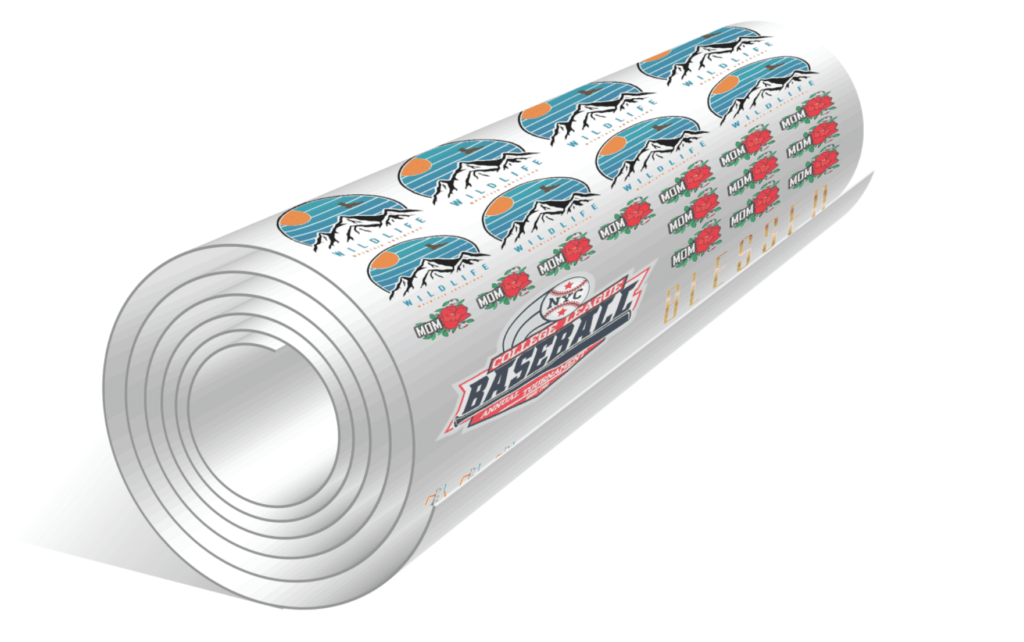
Gang sheets are the better choice when you’re working with multiple logos, combining a left chest design with a back print, producing multiple sizes, or fulfilling several customer orders at once. This is especially common among Etsy sellers and small businesses juggling varied product lines.
Gang sheets work by arranging multiple designs onto a single sheet of film, which reduces wasted material and lowers your overall cost per transfer. You can upload a pre-built gang sheet or use an online gang sheet builder to arrange your designs by size before ordering.
How Does My Production Workflow Affect the DTF Transfer I Should Choose?
The “best” transfer option isn’t always the biggest design or the lowest price per unit. It’s the one that fits how you actually work.
If you’re running a small business or print-on-demand shop, you probably want low minimums, no setup fees, and the flexibility to order exactly what you need without committing to bulk inventory. If you’re operating a print shop handling larger production runs, cost efficiency per unit becomes more important, and gang sheets typically make more sense.
Schools, team orders, corporate apparel programs, fundraisers, and events all come with their own quantity and turnaround demands. One advantage of DTF over screen printing is that there’s no screen burning and no physical stencils required, which means you can combine multiple vibrant designs on one sheet and print ahead of time, then store the transfers until you’re ready to press. This gives you more control over your production timeline without tying up equipment.
Why Is DTF One of the Most Flexible Decoration Methods Available?
Understanding the actual process helps explain why DTF works across so many fabric types and project sizes. Here’s the general sequence:
- Artwork is printed onto PET film.
- Water-based pigment inks lay down the design, including the white ink base layer.
- Hot melt adhesive powder is applied over the wet ink.
- The powder is cured, typically using heat.
- The transfer is heat pressed onto the garment.
- The film is peeled away, usually while still hot.
- An optional second press can improve durability and finish.
Because this is a digital printing process, there’s no weeding like you’d deal with with vinyl, no cutting intricate shapes by hand, no pretreatment spray, and no screen setup between designs. For readers interested in the materials science behind heat transfer processes, The Fabricator publishes detailed technical articles on heat transfer applications across industries.
What Are the Best Practices for Applying DTF Transfers With A Heat Press?
Getting consistent results comes down to following a few key settings, though exact numbers can vary slightly depending on your specific film and heat press.
As a general guideline:
- Temperature: 300–320°F, often around 310°F
- Time: 10–15 seconds, typically landing around 12–15 seconds
- Peel: Most DTF transfers are designed for hot peel, meaning you remove the film immediately after pressing while it’s still warm. Always confirm whether your specific transfer calls for hot or cold peel.
- Repress: An optional 5-second repress after peeling can improve durability and give the design a smoother, more finished look.
Because heat press machines and transfer films vary, always check the manufacturer’s recommended settings for your specific transfer before running a full batch. A quick test press on a scrap piece of fabric can save you from wasting a larger order.
Photo by Toa Heftiba on Unsplash
How Durable Are DTF Transfers Through Washing?
Durability is one of the most common concerns I hear, especially from buyers switching over from vinyl or screen printing. Properly applied DTF transfers stretch with the fabric rather than against it, which helps them resist cracking and peeling over time.
When application settings are followed correctly, DTF transfers commonly withstand 50 or more washes without significant fading or cracking. Higher-quality transfers, applied correctly and cared for properly, can last 100 or more washes. Industry testing standards, like those published by ASTM International, provide benchmarks that textile and ink manufacturers use to evaluate wash durability and colorfastness.
To maximize the life of a DTF transfer, I recommend washing garments inside out in cold water, avoiding high-heat drying, and skipping fabric softener directly on the printed area. These small habits make a measurable difference over the life of the garment.
How Do I Place a DTF Transfer Order With Limitless Transfers?
Ordering is more straightforward than most first-time buyers expect. Start by choosing your format: a custom-sized individual transfer, a gang sheet, or a pre-built size option. From there, upload your artwork in PNG, PDF, AI, PSD, or SVG format.
Our online Order Builder lets you upload files directly and arrange gang sheets without needing design software. There’s no minimum order required, which means you can order exactly what your project needs, whether that’s one transfer or a full sheet of designs. Orders placed by noon EST on qualifying transfers typically ship the same day, and most qualifying orders ship within 24 hours. We also offer free UPS Ground shipping on orders over $50, with a flat $10 rate for 2nd Day Air on those same orders.
Why Does Transfer Quality Matter More Than Price?
It’s tempting to shop by price alone, but the cheapest transfer isn’t always the better deal once you factor in reprints and customer complaints. Higher-quality film and adhesive hold up better to washing, resist cracking longer, and reproduce color more accurately.
Limitless Transfers has earned back-to-back first-place recognition for DTF quality in 2024 and 2025, something I attribute directly to our CMYK+RGBO+W printing process and the ICC color profiles we’ve spent significant time refining. Customers consistently point to the soft hand-feel and true hot-peel performance as reasons they’ve switched from other suppliers. Fewer misprints and stronger wash durability translate into fewer reorders and happier end customers, whether you’re pressing shirts for yourself or fulfilling orders for clients.
If textile safety certifications matter for your market, particularly for customizing apparel for children or export products, resources like OEKO-TEX Standard 100 outline internationally recognized testing criteria for harmful substances in textiles.
Let Me Help You Choose the Right DTF Transfer
Choosing the right DTF transfer doesn’t have to involve guesswork. Start with your garment, size your design appropriately, prepare artwork at 300 DPI, and decide whether a gang sheet or individual transfer fits your production needs. From there, our Order Builder makes it simple to upload your artwork, build a custom gang sheet, or order by size.
Limitless Transfers isn’t just a transfer supplier. We’re a one-stop shop offering heat presses and supplies alongside our award-winning, true hot-peel DTF transfers, backed by CMYK+RGBO+W printing and tested ICC color management. With no order minimums, free shipping over $50, and same-day shipping on qualifying orders placed by noon EST, we’ve built our process around getting quality transfers into your hands quickly.

Photo by Stephen Harlan on Unsplash
Frequently Asked Questions
What are DTF transfers?
DTF, or Direct-to-Film, transfers are digitally printed designs created on PET film using water-based pigment inks and a hot melt adhesive powder. After the powder is cured, the transfer is heat pressed onto a garment, producing vibrant, durable prints that work across a wide range of materials, including cotton, polyester, and blends.
How can I make my own DTF transfers or custom t shirts?
Businesses can invest in DTF printers, specialty film, adhesive powder, curing their own equipment, and RIP software to print in-house, though this requires significant upfront investment. Many creators and small businesses instead order professionally printed transfers from a supplier and apply them using a standard heat press, which avoids the cost and learning curve of in-house printing.
Does DTF come off in the wash?
No, not when applied correctly. High-quality DTF transfers resist cracking, peeling, and fading, and many can withstand 100 or more washes with proper care. Results depend on the quality of the transfer, correct heat press application, and how the garment is laundered afterward.
Is DTF printing better than sublimation?
It depends on what you’re printing on. Sublimation works best on light-colored polyester or poly-coated items, since the ink dyes the fabric itself. DTF offers broader versatility because it adheres to cotton, polyester, blends, nylon, leather, canvas, denim, and fleece, and its opaque white ink base allows it to print on dark-colored fabrics, which sublimation cannot do.
How do I know what size DTF film or transfer to order?
Transfer size depends on placement. Left chest designs typically run 3–4 inches wide, full front designs run 10–12 inches wide, and sleeve prints are usually 2–3 inches wide. Measuring your garment and scaling the design proportionally, especially for youth sizes, helps avoid an oversized or undersized final print.