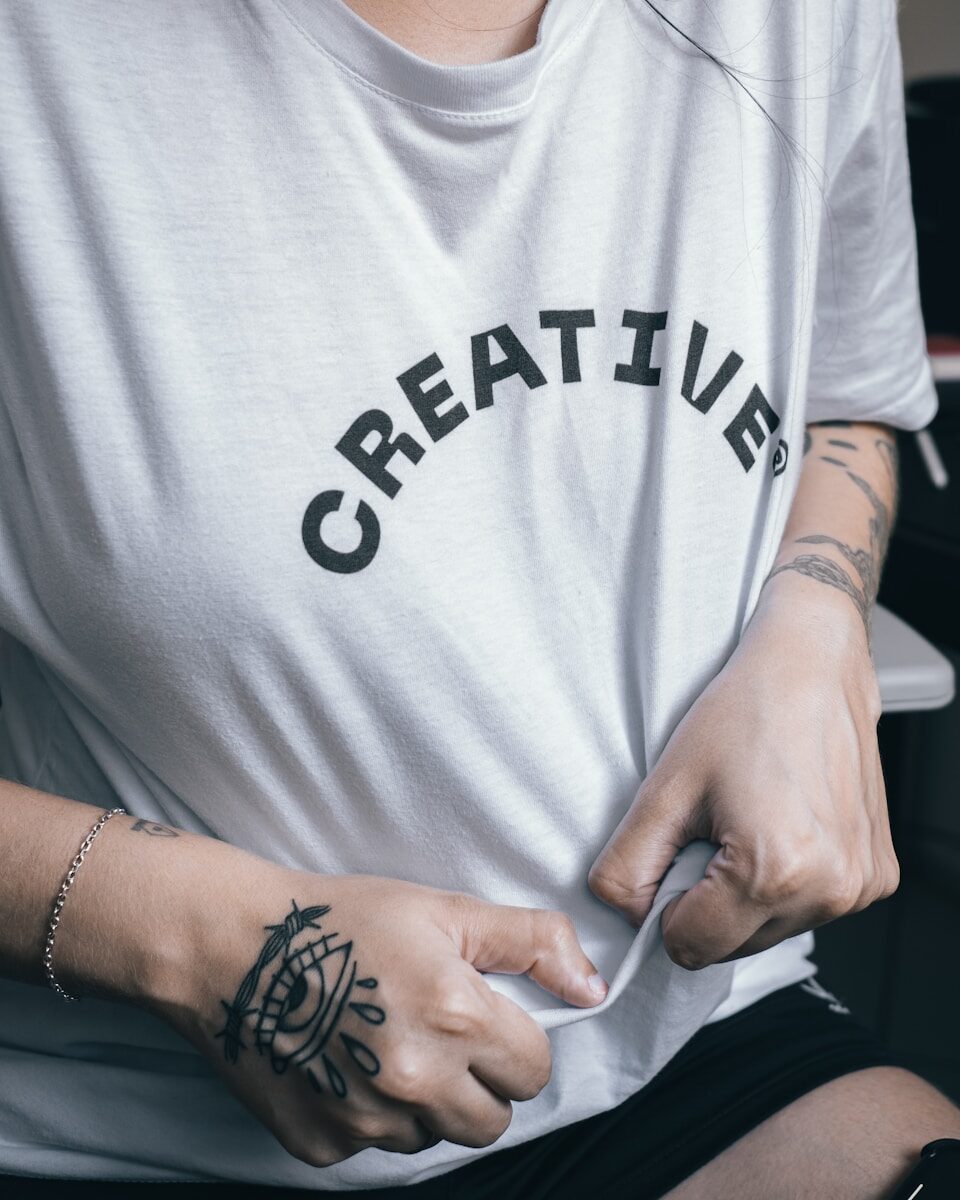
Custom DTF transfers print full-color, detail-rich artwork onto a film that is then heat-pressed onto virtually any fabric or surface. Compared to screen printing, HTV, DTG, sublimation, and embroidery, DTF transfers offer the most flexibility for small runs, complex artwork, and broad material compatibility—without requiring costly in-house printing equipment.
Decorating a T-shirt sounds simple until you realize how many ways there are to do it. Screen printing, heat transfer vinyl, direct-to-garment, sublimation, embroidery—each method has its strengths, its trade-offs, and its ideal use case. Choosing the wrong one can mean higher costs, slower production, or a finished product that doesn’t look the way you envisioned.
Custom DTF transfers have earned a prominent place in that conversation. For creators, print shops, and apparel businesses that need full-color artwork, quick turnaround, and the freedom to work across a wide range of fabrics, DTF offers a practical path forward that traditional methods sometimes can’t match.
At Limitless Transfers, we don’t make this comparison from the sidelines. Our company was built by someone with real hands-on experience in embroidery, screen printing, DTG, sublimation, and HTV. That background shapes how we think about decoration methods and why we understand where each one earns its place—and where DTF makes production considerably easier.
We’ve earned back-to-back 1st Place Awards for DTF Printing Quality in 2024 and 2025. That recognition matters, but what matters more to our customers is the practical result: vibrant, accurate, ready-to-press transfers that hold up wash after wash. This guide breaks down how custom DTF transfers stack up against every major alternative so you can make the right call for your project, your budget, and your production workflow.
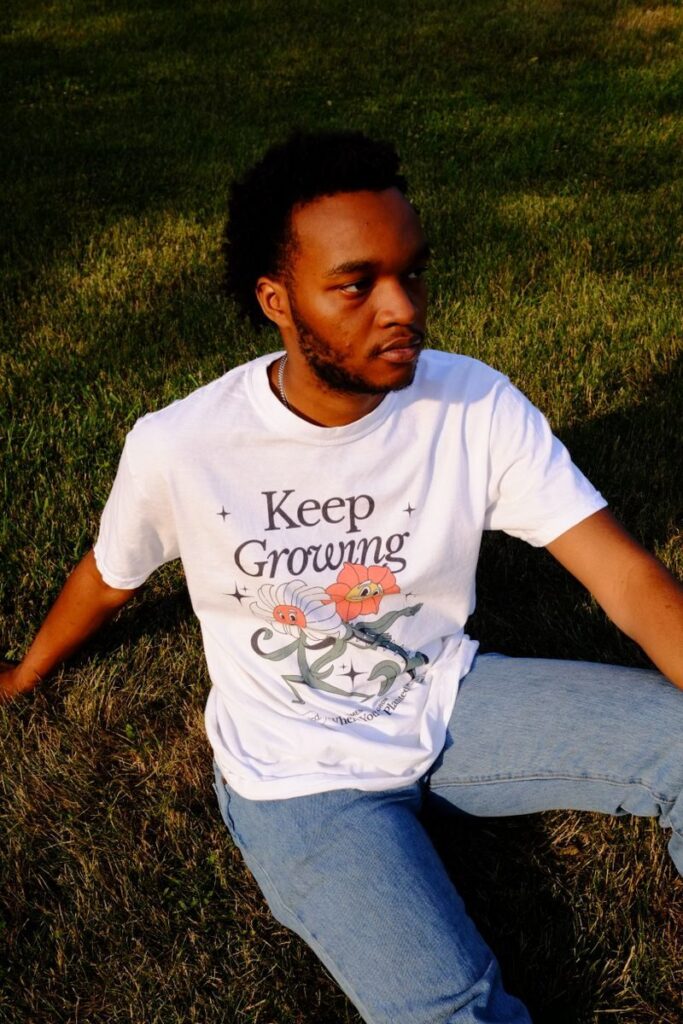
Photo by DISPLACED BY DESIGN CLOTHING on Pexels
What Are Custom DTF Transfers?
Direct to Film printing is a garment-decoration method that separates the printing process from the pressing process. Instead of printing directly onto a garment, artwork is printed onto a clear PET film and then transferred to the final material using heat and pressure.
Here’s how the process works from start to finish:
- Artwork is prepared digitally and formatted for print.
- Specialized inkjet technology prints the design onto PET film using CMYK inks.
- A white ink underbase is laid down beneath the colors, keeping designs bright and opaque on dark fabrics.
- Hot-melt adhesive powder is applied evenly across the printed surface while the ink is still wet.
- The transfer is cured using heat, bonding the adhesive layer to the ink.
- The completed, ready-to-press transfer is packaged and shipped.
At Limitless Transfers, we take this process further with expanded gamut CMYK+RGBO+W printing, which delivers color accuracy and vibrancy that standard CMYK alone can’t always match. As PRINTING United Alliance explains in their guide on understanding color reproduction, accurate color output depends on precise tone reproduction, gray balance, and selective color correction—all factors that professional DTF production accounts for in its ICC profiling and print calibration.
The result is a transfer that requires no cutting, no weeding, no screen preparation, and no garment pretreatment. Customers receive completed, ready-to-press designs and apply them with a standard heat press. Transfers can also be stored until needed, giving businesses more flexibility in how they manage inventory and fulfillment.
Photo by Alex Haigh on Unsplash
Why Custom DTF Transfers Have Become Popular for Custom Apparel
Full Color Without Complicated Setup
Few decoration methods can handle the full range of modern artwork as cleanly as DTF. Gradients, photographic designs, fine lines, detailed illustrations, small text, and complex logos all reproduce well. The white underbase ensures that those colors stay bold on black, navy, and other dark garments—a challenge that some other methods handle inconsistently.
Our CMYK+RGBO+W printing capability gives us a wider color gamut than standard four-color printing, which translates to more accurate reds, oranges, and blues that can be difficult to reproduce faithfully with conventional CMYK alone.
DTF Works Across a Remarkably Wide Range of Fabrics
One of DTF’s most practical advantages is its material compatibility. Our transfers work on:
- 100% cotton
- 100% polyester
- Cotton-poly blends and tri-blends
- Denim
- Nylon
- Spandex
- Non-woven fabrics
- Polypropylene
- Neoprene
- Leather
- Canvas
- Wood and select hard surfaces
That breadth is significant for businesses offering diverse product lines. A single DTF supplier can support T-shirts, hoodies, hats, bags, jackets, and accessories without requiring different decoration workflows for each material type.
Small Runs and Personalized Orders Are Genuinely Practical
There are no minimum order requirements at Limitless Transfers. A business testing a new design can order a single transfer. An Etsy seller fulfilling a personalized order can do the same. This matters because traditional methods often scale poorly for small quantities—setup costs and time make short runs expensive relative to the finished product.
DTF works equally well for:
- One-off custom pieces
- Event shirts and team uniforms
- School and sports apparel
- Limited-edition merchandise
- Sample runs for new designs
- Shopify and Etsy fulfillment
- Fundraisers and nonprofit orders
- Market-testing new artwork before committing to larger production
Custom DTF Transfers vs. Screen Printing
How Screen Printing Works
Screen printing is one of the most established garment-decoration methods in the industry. Ink is pushed through a mesh screen onto a substrate, with each color typically requiring its own screen, stencil, and registration step. As PRINTING United Alliance outlines in their screen making basics guide, preparing the screen is arguably the most critical step in the process—and the quality of the stencil directly affects the quality of the printed result.
Screen printing produces sharp, durable dtf print results and remains highly efficient for large, consistent runs of relatively straightforward designs. For a shop running 500 shirts with a two-color logo, screen printing can be hard to beat on cost per unit.
Where DTF Printing Offers More Flexibility
The comparison shifts significantly for shorter runs and more complex artwork. PRINTING United Alliance’s overview of manual screen printing production illustrates just how involved the setup process can be—verifying color sequences, preparing screens, printing proof sheets, making press adjustments, and managing ink and substrates throughout the run.
DTF sidesteps that entire setup workflow. There are no physical screens to prepare, no minimum color counts, and no registration issues with multicolor designs. A full-color illustration with gradients costs no more to produce than a simple two-color logo.
For businesses that want to offer DTF alongside screen printing without adding another complete production workflow in-house, outsourcing transfers to us allows them to press and fulfill orders without managing DTF printers, film, powder, or curing equipment themselves.
|
Factor |
Screen Printing |
Custom DTF Transfers |
|---|---|---|
|
Best for large runs |
✓ Excellent |
✓ Scalable |
|
Full-color complexity |
Setup-intensive |
Straightforward |
|
Short runs |
Less efficient |
Excellent |
|
Personalization |
Difficult |
Excellent |
|
Setup required |
Yes |
No |
Custom DTF Transfers vs. HTV
Understanding DTF Heat Transfer Vinyl
Heat transfer vinyl involves cutting a design from a sheet of vinyl using a cutting machine, removing the excess material around the cut design through a process called weeding, and then heat-pressing the remaining vinyl onto a garment. Siser’s EasyWeed cutting and weeding guide demonstrates that process well—mirroring the image before cutting, placing the carrier side down on the mat, weeding excess material after cutting, and layering colors one at a time from background to foreground.
HTV has genuine strengths. It works well for simple text, names and numbers, and certain specialty finishes like glitter, reflective, or patterned vinyl. For a small shop personalizing team jerseys with player names, HTV is often a perfectly efficient solution.
Why DTF Requires No Cutting or Weeding
Complex artwork is where HTV becomes labor-intensive. A design with multiple colors requires separate cuts, careful alignment, and layered pressing. Fine details that are easy to reproduce digitally can be very difficult to weed cleanly without tearing or distorting the design.
DTF transfers arrive ready to press. There is no cutting, no weeding, and no layering. A 12-color illustration with thin lines and gradient shading is as simple to apply as a solid two-color design. For print shops handling many different customer designs in varying quantities, this can eliminate a substantial amount of production labor.
Custom DTF Transfers vs. DTG Printing
How DTG Differs From DTF
Direct-to-Garment printing places ink directly onto the fabric using a specialized inkjet printer. The garment sits beneath a print head that deposits ink onto the surface, rather than producing a transfer that is applied later.
DTG can produce excellent full-color results and has become a valuable tool for many print-on-demand and short-run operations. The key distinction is where the production happens and what it requires.
DTF Removes the Garment Pretreatment Step
DTG printing, particularly when printing on dark cotton garments, often requires pretreatment—applying a chemical solution to the fabric before printing so that white ink bonds properly. This adds a step, additional equipment, and drying time to each garment in the run.
DTF eliminates that step entirely. The white underbase is built into the transfer during production. Customers receive a completed, ready-to-press transfer and apply it directly without pretreating each garment.
Outsourcing DTF production also means businesses don’t need to own, operate, or maintain a DTG printer—an investment that includes the machine itself, inks, maintenance kits, and the ongoing management of print head health and color calibration.
Custom DTF Transfers vs. Sublimation
Where Sublimation Shines
Sublimation is a genuinely impressive process for the right applications. As Sawgrass explains in their sublimation printing guide, sublimation uses heat to transfer dye directly into polyester materials and specially coated products, producing full-color prints that are permanent, fade-resistant, and completely infused into the substrate rather than sitting on top of it. For mugs, tumblers, polyester jerseys, and branded hard goods, sublimation can be difficult to match.
Where DTF Offers Greater Material Flexibility
The limitation is material compatibility. Traditional sublimation works best on polyester fabrics and poly-coated substrates. On cotton or dark garments, sublimation either doesn’t bond correctly or produces washed-out, muted results—because the dye has nothing to bond with in natural fibers, and there’s no white underbase to keep colors opaque.
DTF’s white underbase changes that equation. Vibrant full-color artwork stays bright on 100% cotton, dark garments, denim, and blended fabrics. A decorator working across a varied product catalog—cotton T-shirts, polyester jerseys, denim jackets, and canvas bags—doesn’t need separate production systems for each material type when DTF handles all of them.
Custom DTF Transfers vs. Embroidery
When Embroidery Makes Sense
Embroidery has a distinct, premium character that no printed method fully replicates. The three-dimensional texture of stitched thread on a polo, cap, or jacket carries a specific aesthetic associated with quality corporate apparel and professional uniforms. For those applications, embroidery remains the right call.
Professional embroidery requires careful attention to digitizing the design for stitch paths, selecting the correct thread, hooping the garment, choosing the appropriate stabilizer for the fabric type, and managing stitch count for durability and texture. Madeira USA’s embroidery supplies guide outlines these production considerations in detail, and Brother’s embroidery hoops and stabilizers resource illustrates the range of stabilizers and hooping equipment involved in professional embroidery production.
When Full-Color DTF Makes More Sense
For artwork that prioritizes color accuracy over texture—detailed illustrations, gradient-heavy designs, photographic prints, large graphics, or anything with fine lines—embroidery runs into physical limits. Stitch counts, thread colors, and minimum detail sizes all constrain what embroidery can faithfully reproduce.
DTF handles that artwork naturally. For businesses that receive customer requests ranging from embroidered left-chest logos to full-color back graphics, both methods can coexist in the same operation—embroidery for the structured, textured look and DTF for everything requiring color and detail.
Using a DTF Gang Sheet to Make Production More Efficient
A gang sheet is a single transfer sheet that holds multiple designs arranged to maximize usable printing space. Rather than ordering each design as a separate sheet, customers place several different graphics side by side on one larger film.
Our gang sheets can extend up to 22″ x 240″, giving large-volume customers significant flexibility in how they arrange and combine designs. Common ways to use a gang sheet include:
- Placing multiple logo sizes for the same design
- Combining front and back graphics for a single garment
- Grouping designs for multiple clients on one sheet
- Arranging sleeve prints alongside chest graphics
- Nesting repeated logos tightly to minimize unused space
We offer three ways to order. Customers can upload a completed, print-ready gang sheet (PDF, PNG, AI, or SVG), use our free online gang sheet builder to arrange PNG files without design software, or order individual transfers by size. For best results, artwork should use transparent backgrounds with background removal completed before uploading.
Filling a gang sheet efficiently lowers the effective cost per design. A sheet shared across multiple graphics produces a lower cost per usable square inch than ordering the same designs as individual transfers at their full dimensions.
Bulk Discounts Make DTF Scalable for Growing Businesses
DTF isn’t only for one-off orders or hobby projects. For established print shops and e-commerce operations running consistent volume, our pricing structure scales accordingly:
- Bulk discounts ranging from 35% to 60% off based on volume
- No minimum order requirements, keeping options open regardless of quantity
- Gang sheet pricing for orders of four or more sheets
- Free UPS Ground shipping on all orders over $50
- Same-day printing and shipping for qualifying orders placed by noon EST
Beyond transfers, we operate as a one-stop shop—carrying heat presses, supplies, and tools so that businesses can source their full production setup without going to multiple vendors.
How to Apply Custom DTF Transfers
Basic Heat Press Settings
Applying DTF transfers is straightforward, and consistent technique produces consistent results:
- Pre-press the garment for a few seconds to remove moisture and wrinkles.
- Position the transfer on the garment, printed side down.
- Apply medium pressure with the heat press.
- Press at approximately 310°F for 7–10 seconds (general range: 300°F–325°F depending on the material and transfer).
- Peel the film while hot—our transfers are true hot-peel, meaning you can remove the film immediately after pressing without waiting for it to cool.
- Repress using parchment paper or a Teflon sheet for 5 seconds to seal the transfer.
- Allow the garment to cool before handling.
Always follow the specific instructions supplied with the transfer. Settings can vary between materials, and what works on a 100% cotton T-shirt may need adjustment for nylon or canvas.
How Durable Are DTF Transfers?
A properly applied DTF transfer can withstand 50 or more wash cycles without significant degradation, with high-quality transfers lasting 100 or more washes when application and garment care are handled correctly. Durability depends on several factors:
- Correct pressing temperature and time
- Even, medium pressure across the transfer
- Proper peeling technique
- Repressing to seal the adhesive
- Garment material and fabric weight
- Washing habits
For best results, we recommend washing printed garments in cold water, turning them inside out, avoiding bleach, and following fabric-appropriate drying guidance. The transfer quality matters, but so does how the garment is cared for afterward.
Quick Comparison: DTF vs. Traditional Methods
|
Feature |
Custom DTF Transfers |
Screen Printing |
HTV |
DTG |
Sublimation |
Embroidery |
|---|---|---|---|---|---|---|
|
Full-color artwork |
Excellent |
Possible, setup-intensive |
Complex with many colors |
Excellent |
Excellent |
Limited by thread |
|
Small runs |
Excellent |
Less efficient |
Good |
Good |
Good |
Good |
|
No weeding required |
Yes |
Yes |
No |
Yes |
Yes |
Yes |
|
Cotton compatibility |
Yes |
Yes |
Yes |
Yes |
Not ideal |
Yes |
|
Polyester compatibility |
Yes |
Yes |
Yes |
Yes |
Excellent |
Yes |
|
Dark garment support |
Yes |
Yes |
Yes |
With pretreatment |
Limited |
Yes |
|
Fine detail |
Excellent |
Excellent with setup |
Challenging |
Excellent |
Excellent |
Design-dependent |
|
Gang sheet ordering |
Yes |
No |
No |
No |
Possible |
No |
|
Low equipment investment |
Excellent (outsourced) |
No |
Moderate |
No |
Moderate |
No |
|
Scalable for volume |
Excellent |
Excellent at volume |
Labor-dependent |
Equipment-dependent |
Material-dependent |
Equipment-dependent |
Which Custom Apparel Printing Method Is Right for You?
Choose screen printing when you’re producing very high volumes of the same design, your artwork suits spot-color production, and you already have an established screen-printing workflow in place.
Choose HTV when designs are simple enough for efficient cutting and weeding, or when you specifically want a specialty vinyl finish like glitter or reflective.
Choose DTG when you own or have access to DTG equipment, your workflow supports direct-to-garment production, and pretreatment is manageable for your fabric types.
Choose sublimation when you’re decorating polyester or poly-coated blanks exclusively and want a permanent, infused full-color result.
Choose embroidery when the stitched texture is a core part of the desired result—polos, caps, corporate uniforms, and structured hats where embroidery’s aesthetic is the point.
Choose custom DTF transfers when you need full-color artwork without screen setup, want to work across multiple fabric types, prefer no cutting or weeding, need to fulfill orders in small quantities, want gang sheet efficiency, or want to skip the investment and maintenance of in-house printing equipment.
Why We Make Custom DTF Easier at Limitless Transfers
Our transfers are built for people who take their work seriously. We use expanded gamut CMYK+RGBO+W printing with optimized ICC profiles to deliver the color accuracy and vibrancy that the best designs deserve. Our true hot-peel finish speeds up production significantly—no waiting for transfers to cool, no guesswork about when to peel.
Here’s what we bring to every order:
- Back-to-back 1st Place Awards for DTF Printing Quality in 2024 and 2025
- True hot-peel transfers ready for high-speed production
- Expanded gamut CMYK+RGBO+W printing for exceptional color accuracy
- Soft-hand feel that holds up after repeated washing
- No minimum order requirements
- Bulk discounts from 35% to 60% off for growing volume
- Same-day printing and shipping for orders placed by noon EST
- Free UPS Ground shipping on orders over $50
- Three ordering options: upload a gang sheet, use our free builder, or order by size
- Broad material compatibility across cotton, polyester, denim, leather, nylon, canvas, and more
- Heat presses, tools, and supplies available alongside transfers
Our goal isn’t simply to sell transfers. We want to remove the production barriers that slow businesses down—so creators, entrepreneurs, and established print shops can spend more time designing, pressing, and growing, and less time managing equipment and processes that don’t need to live in-house.
Upload your artwork, build a gang sheet, or order by size at Limitless Transfers—and let us handle the printing so you can focus on what you do best.
Frequently Asked Questions
How much do custom DTF transfers cost?
Pricing depends on transfer dimensions, gang sheet size, and order quantity. There is no minimum order requirement, so customers can start with a single transfer when needed. Ordering gang sheets lowers the effective cost per design by allowing multiple graphics to share one sheet. For businesses ordering consistently, bulk discounts range from 35% to 60% off. The most accurate way to compare cost is by looking at usable artwork area relative to the price of the sheet rather than the sheet price alone.
How do I create my own DTF transfers?
There are two approaches. Producing premium quality DTF transfers from scratch requires a specialized DTF printer, white and CMYK inksets, PET film, hot-melt adhesive powder, curing equipment, and detailed knowledge of color management and production calibration. The simpler approach is ordering ready-to-press custom DTF transfers from a professional supplier. At Limitless Transfers, the process is: prepare your artwork, remove the background if needed, and upload a print-ready PNG, PDF, AI, or SVG file. From there, you can order by size, upload a completed gang sheet, or use our free online builder for gang sheets. When the transfers arrive, you press them onto your blank apparel with a heat press.
Can you order custom DTF transfers without owning printing equipment?
Yes. Ordering ready-to-press DTF custom transfers means the printing, powder application, and curing all happen on our end. Customers need only a heat press to apply the finished transfers. This approach eliminates the equipment investment and ongoing maintenance associated with running an in-house DTF printing operation. Orders can be placed with no minimums, in individual transfer sizes or as full gang sheets, with bulk discounts available for growing volume.
Does Hobby Lobby make DTF transfers?
Hobby Lobby is a craft retailer that carries heat-transfer supplies and materials for home crafters. Their inventory and services differ meaningfully from a specialized DTF supplier that prints custom artwork from uploaded files. For professionally printed custom DTF transfers—where you upload your own design, select your transfer dimensions, and receive production-quality prints—a dedicated DTF transfer supplier is the better fit. Retailer offerings can also change, so it’s worth confirming directly with any retailer what custom printing services they currently offer before planning a production run around them.
Make Custom Apparel Production Simpler With DTF
Screen printing, HTV, DTG, sublimation, and embroidery all have legitimate, well-established places in garment decoration. The right method depends on your artwork, your fabric, your volume, your equipment, and how you want your finished product to look and feel.
Custom DTF transfers earn their place when full-color detail, material flexibility, short-run efficiency, and manageable production overhead all matter. No weeding. No screen setup. No garment pretreatment. No in-house printing equipment to own or maintain. Just ready-to-press transfers that deliver professional results on almost any surface.
For businesses that want to spend more time pressing, selling, and growing—and less time managing printing equipment—outsourcing transfer production is a practical decision that pays off in time, quality, and flexibility.
Start your next order at Limitless Transfers and experience the difference that award-winning quality makes.