Great print quality does not happen by accident. It comes from using the right artwork, the right materials, the right transfer supplier, and the right heat press settings.
At Limitless Transfers, we create award-winning direct to film transfers for small business owners, print shops, apparel decorators, e-commerce sellers, Cricut crafters, and DIY creators who want professional results without the stress of in-house DTF printing. Our DTF transfers are made with specially formulated DTF inks, printed on special film, and built for vivid colors, fine details, durability, and easy application.
But even the best film transfers need the right setup. Your artwork, fabric, heat, pressure, press time, peel method, and finishing step all matter.
This guide goes beyond the basics. I’m sharing practical DTF transfer printing tips that can help you improve print quality, solve common issues, and get more consistent results every time you press.
What Affects Print Quality in Direct to Film Transfers
The quality of direct to film transfers starts before the heat press ever closes. Every step affects the final result, from the image you upload to the way the transfer is heat-pressed onto the garment.
The biggest factors that impact print quality include:
- Artwork resolution
- File setup
- Color quality
- Negative space
- Fabric type
- Garment color
- Heat press temperature
- Pressure
- Press time
- Peel timing
- Finishing press
- Wash care
- Transfer storage
DTF printing is a popular method because it is flexible, cost-effective, and works on many materials. Compared to other printing methods like screen printing, vinyl, sublimation, and other methods, direct to film printing gives creators more freedom with full color designs, small orders, custom artwork, and different fabric types.
Still, DTF is not magic. A blurry file will not become a crisp print. A poor press setup can hurt durability. A heat-sensitive polyester garment may need more care than cotton. Quality is the result of every decision working together.
How DTF Transfer Printing and Film Printing Create Professional Results
DTF transfer printing works by printing your design onto a special film. The design is printed using DTF inks, covered with adhesive powder, cured, and then shipped as a ready-to-press transfer.
Once you receive the transfer, you place it on the garment, press it with a heat press, peel the film according to the instructions, and then heat press again when a finishing press is recommended.
This process creates a strong bond between the printed design and the fabric. That bond is what helps produce durable, flexible prints with vivid colors and a soft-hand feel.
At Limitless Transfers, we handle the advanced film printing side for you. That means you do not need to buy a DTF printer, machine, inks, special film, powder, or production supplies. You can upload your artwork, purchase custom DTF transfers, and press them when they arrive.
That is one reason direct to film DTF is such a strong option for growing businesses. You get professional results without the setup, art fees, weeding, screens, or production headaches that can come with other methods.
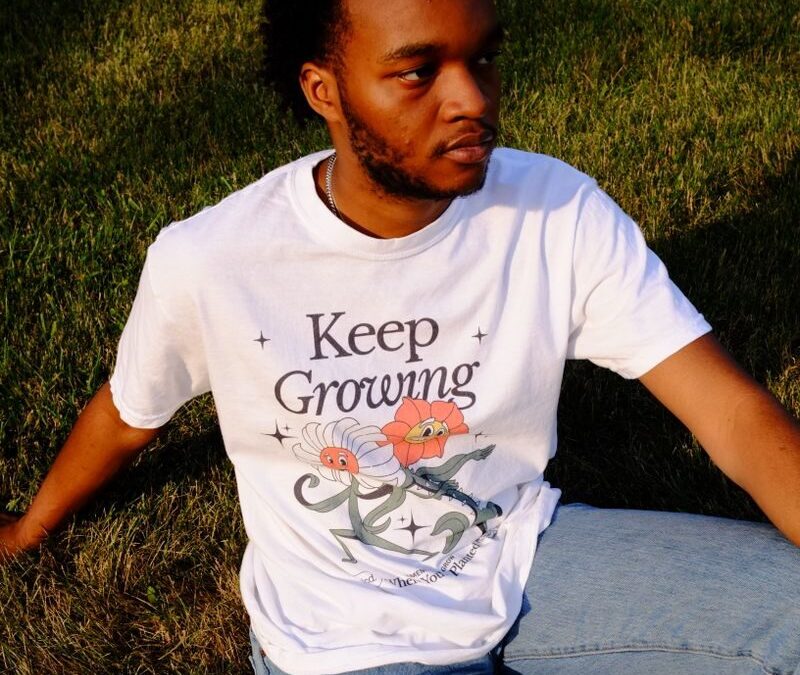
Photo by Collins Lesulie on Unsplash
8 Pro Tips for Better DTF Transfers and Film Transfers
1. Start With High-Quality Artwork for Custom DTF Transfers
Your final transfer can only be as good as the file you upload. For best results, start with clean, high-resolution artwork.
Use a file that is sharp, properly sized, and free of unwanted backgrounds. PNG files with transparent backgrounds are often a strong choice for custom DTF transfers, especially for logos, full color designs, and artwork with negative space.
Before you upload, zoom in and check the edges. Look for pixelation, rough lines, blurry text, or low-quality images. If your design looks fuzzy on screen, it will likely look fuzzy when printed.
Strong artwork helps create:
- Crisp detail
- Cleaner edges
- Better color designs
- More professional results
- Better durability
- A more polished final garment
This matters whether you are making t-shirts, hoodies, totes, event apparel, brand merch, or custom products for customers.
2. Use Negative Space to Protect Fine Details and Full Color Designs
Negative space can make a huge difference in how a DTF transfer looks and feels. Large solid blocks of ink can still print well, but smart use of open space can make a design feel softer, lighter, and more breathable.
For fine details, negative space also helps define the shape of the artwork. This is especially useful for detailed logos, illustrations, lettering, and full color graphics.
When preparing artwork, look at:
- Tiny text
- Thin lines
- Small gaps
- Distressed textures
- Fine outlines
- Light color transitions
- Areas where the garment color shows through
DTF can handle fine details, but every design should be created with real production in mind. Extremely small lines may not hold up as well over time, especially through washing and repeated wear. Slightly thicker details often create more durable results.
3. Choose the Right Size Before You Upload
Sizing is one of the easiest things to overlook, but it has a big effect on print quality. A design that looks great at 10 inches wide may lose detail if it is shrunk too small. A logo that works on a full chest print may need adjustment for a left chest placement.
Before ordering, think about the final product.
Ask yourself:
- Is this for an adult shirt, a youth shirt, a hoodie, a tote, or another garment?
- Should the design be centered, oversized, or subtle?
- Will small text still be readable?
- Does the design fit the sheet size correctly?
- Will the image work on both light and dark fabric?
Getting the size right before checkout helps prevent wasted money and inconsistent results.
4. Arrange Your Gang Sheet With Cutting and Pressing in Mind
A gang sheet is one of the best ways to save money when ordering DTF transfers. You can arrange multiple designs, logos, labels, sleeve prints, or small images on one sheet.
But a gang sheet only works well when it is arranged properly.
Leave enough room between each transfer so you can cut them cleanly. Avoid overlapping images. Make sure every design is sized correctly before submitting your order. Keep similar jobs grouped together when possible so production is easier once your transfers are shipped.
A well-built gang sheet helps you:
- Save money
- Reduce waste
- Organize short runs
- Test new designs
- Keep popular prints ready
- Handle custom orders faster
- Create a more consistent production workflow
For small businesses, this flexibility is a major advantage compared to screen printing, where setup and art fees can make short runs more expensive.
5. Match Your Transfer to the Right Color Garment
DTF transfers can work beautifully on light garments, dark garments, cotton, polyester, blends, and many other materials. Still, the color of the garment you choose can affect how the final print looks.
Bright designs may pop more on dark shirts. Softer color designs may look more natural on neutral fabric. A design with lots of negative space may rely on the shirt color as part of the final look.
Before pressing a large order, test the transfer on the actual garment color whenever possible. This helps you check color contrast, placement, opacity, and overall appearance.
For full color designs, contrast matters. A design with vivid colors should stand out clearly against the fabric. Low-contrast artwork can still look nice, but it may not have the same visual impact.
6. Use a Quality Heat Press, Not an Iron
A heat press is one of the most important tools in the DTF process. While some people try to use a home iron, I do not recommend it for consistent DTF results.
A heat press gives you controlled heat, even pressure, and a flat pressing surface. Those three things are essential for proper application.
A quality heat press helps prevent:
- Uneven adhesion
- Peeling
- Weak edges
- Inconsistent durability
- Dull results
- Pressure gaps
- Missed areas
DTF transfers need the right combination of heat, time, and pressure. A heat press gives you the control needed to create professional results on repeat.
7. Apply Medium Pressure for Better Durability
Pressure plays a big role in how well the transfer bonds to the fabric. In most cases, medium pressure works well for DTF transfers, but your exact setup may depend on your heat press, garment, and transfer instructions.
Too little pressure can lead to peeling or weak adhesion. Too much pressure can affect the look and feel of the print, especially on certain fabrics.
A good press should feel firm and even. The transfer should receive consistent pressure across the full design.
Pay extra attention when pressing near:
- Seams
- Pockets
- Zippers
- Hoodie fronts
- Thick collars
- Raised fabric areas
- Uneven garment surfaces
Uneven pressure can cause one part of the transfer to stick while another part lifts. For best results, keep the pressing area as flat as possible.
8. Do the Finishing Press for Best Results
The finishing press is a small step that can make a big difference. After peeling the film, many DTF transfers benefit from a second press using parchment paper, a finishing sheet, or the recommended cover material.
This second press can improve:
- Soft-hand feel
- Durability
- Wash performance
- Ink bonding
- Surface texture
- Overall finish
Skipping this step may not always ruin a print, but doing it correctly can help create a smoother, more durable result.
For customers selling custom apparel, that matters. A better finish can make the final product feel more premium and help your brand stand out.
Material Considerations for Direct to Film DTF Transfers
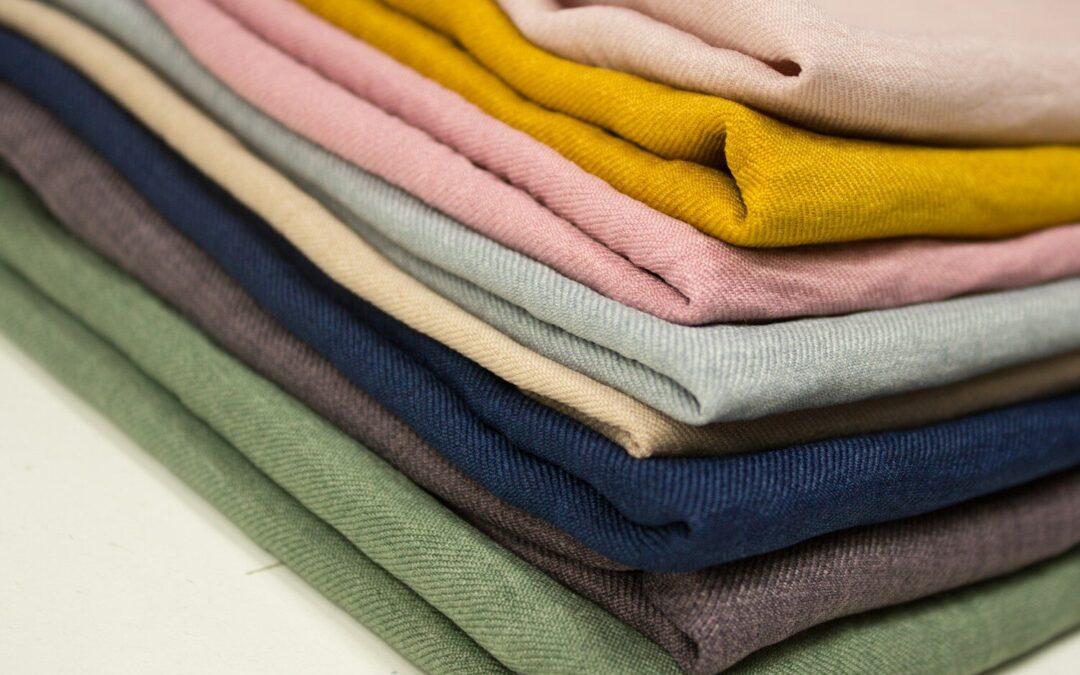
One of the biggest advantages of direct to film transfers is how flexible they are across materials. DTF transfers can work on cotton, polyester, blends, and many other fabric types.
That flexibility is a major reason DTF has become such a popular method. Compared to sublimation, which is usually best for polyester and light fabrics, or vinyl, which often requires cutting and weeding, DTF gives creators more freedom.
Still, each material behaves differently.
Cotton
Cotton is a great choice for DTF transfers. It handles heat well, offers a smooth fabric surface, and is common for t-shirts, hoodies, and everyday apparel.
For cotton, focus on proper heat, medium pressure, and a finishing press for best results.
Polyester
Polyester can work well with DTF, but it may be more sensitive to heat. Test first, especially with performance wear, sports apparel, or bright color garment options.
Watch for dye migration, scorching, or texture changes. Lower heat settings may be needed depending on the garment and transfer instructions.
Cotton-Poly Blends
Blends are popular for soft shirts, hoodies, and casual apparel. DTF transfers can work very well on blends, but the exact press settings may vary by fabric content.
Test before pressing a full batch, especially when working with a new brand of shirts.
Specialty Materials
DTF can be used on more than standard apparel, depending on the surface and application method. Bags, canvas, denim, leather, and select hard surfaces may be possible with proper testing.
For specialty materials, testing is not optional. Heat sensitivity, texture, coatings, and surface shape can all affect the result.
Press Optimization for Direct to Film Printing and Best Results
Press optimization is where many creators level up from decent results to consistent, professional results. A high-quality transfer matters, but application matters too.
Before pressing, make sure your garment is clean, dry, and flat. Pre-press the fabric to remove moisture and wrinkles. Position the transfer carefully. Use the recommended heat, time, and pressure. Peel according to the instructions. Then heat press again if a finishing press is recommended.
For better consistency, keep notes on:
- Garment brand
- Fabric type
- Press temperature
- Press time
- Pressure level
- Peel method
- Finishing press time
- Final results after washing
This is especially useful for small businesses and print shops. Once you find the settings that work best for a specific garment, you can repeat them for future orders.
How to Solve Common DTF Transfer Quality Issues
Even experienced creators run into issues sometimes. The key is knowing what to adjust.
If the Transfer Is Peeling
Peeling usually points to low pressure, low heat, not enough press time, uneven pressure, or skipping the finishing press.
Check your heat press settings, make sure the garment is flat, and confirm that you used medium pressure. Then heat press again if the transfer has not fully bonded.
If the Print Looks Dull
Dull results can come from low-quality artwork, incorrect press settings, or fabric issues. Start by reviewing the file you uploaded. Then check your temperature, pressure, and finishing press.
At Limitless Transfers, we use specially formulated DTF inks to create vivid colors, but artwork quality and application still matter.
If Fine Details Are Missing
Missing fine details may come from artwork that is too thin, too small, or too low-resolution. Adjust the design before reordering. Make thin lines slightly thicker and avoid details that are too tiny to press cleanly.
If Results Are Inconsistent
Inconsistent results usually come from uneven pressure, heat press issues, changing garment materials, or rushed production.
Keep your process consistent. Use the same press settings when working with the same garment type. Test new materials before running a full order.
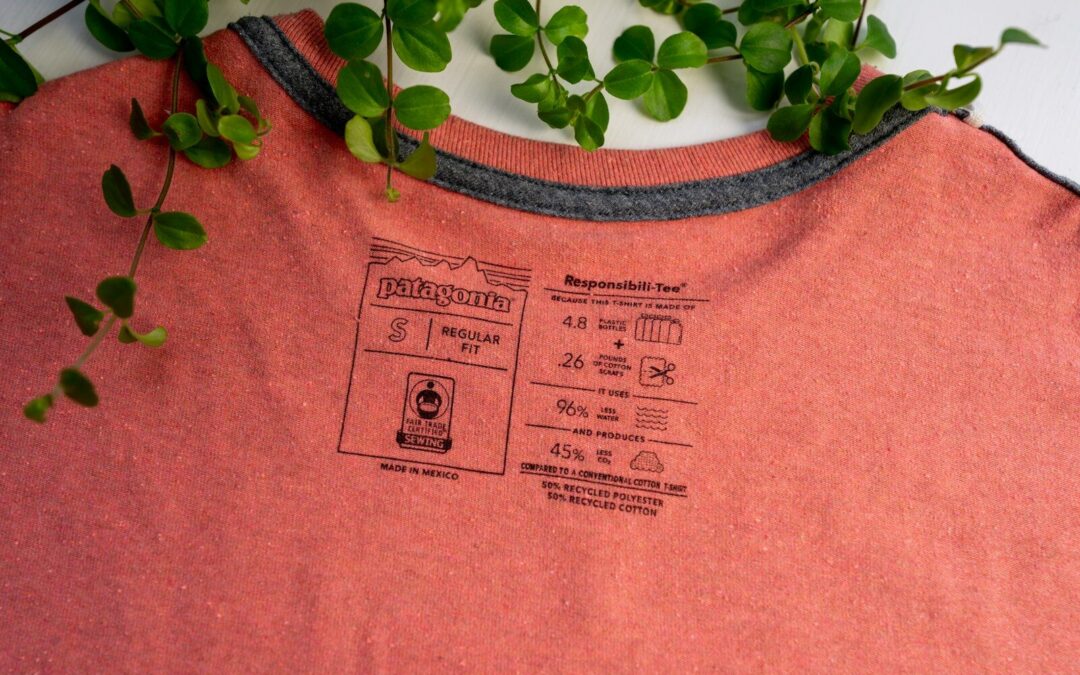
Photo by PON Official on Unsplash
Why DTF Is Cost-Effective Compared to Other Printing Methods
DTF transfers are a strong option for businesses that need flexibility without taking on major production costs.
With screen printing, you may deal with screens, setup, art fees, and minimums. With vinyl, you may spend extra time cutting and weeding. With sublimation, your material options are more limited. With in-house DTF printing, you need a printer, machine, inks, film, powder, maintenance, and supplies.
Custom DTF transfers let you skip much of that.
You can order what you need, press it in-house, and create products as demand comes in. That makes DTF cost-effective for small orders, short runs, custom designs, and growing brands that need flexibility.
At Limitless Transfers, we make the process super easy with no minimums, fast turnaround, same-day shipping on orders placed by noon EST, free UPS Ground shipping over $50, and a satisfaction guarantee.
DTF Transfer Learning Resources
If you’re working with DTF transfers, a little education can go a long way. The resources below can help you understand how direct-to-film printing works, how transfers are applied, what makes a high-quality print, and how to avoid common issues during the pressing process.
- What Is Direct-to-Film Printing? A Guide to DTF Printing
- DTF: A New Way to Personalize Textile Printing
- The Pros and Cons of DTF and DTG Printing
- The Nuts & Bolts of Direct-to-Film Apparel Decorating
- The Tidal Wave That Is Direct-to-Film Apparel Decorating
- How to Identify High-Quality DTF Transfers
- 10 DTF Printing Mistakes and How to Fix Them
- Designing for DTF
- Designing for DTF Transfers
- Artwork Tips for DTF Transfers
- Direct-to-Film Transfers: Cricut Help Center
- TruePrint DTF Application Instructions
- Material Application Instructions from STAHLS’
- Heat Press 101 Tutorial
- Sizing and Placement Guidelines for T-Shirt Transfers
- How to Care for Clothes with Heat Transfers
- Ways to Properly Cure DTF Prints
- Heat Transfer Powder Curing Guide
- How to Print Direct to Film on Polyester and Performance Wear
- How to Create Special Effects with DTF Heat Transfers
From artwork setup and gang sheet preparation to heat press temperature, pressure, peel method, and wash care, these guides offer helpful insight for getting better results from your custom DTF transfers. They’re especially useful if you want vibrant colors, strong adhesion, crisp details, and prints that hold up well over time.
Final Thoughts on Direct to Film Transfers and Better Print Quality
Direct to film transfers can help you create durable, flexible, full-color products with professional results. But better print quality comes from more than the transfer itself.
Start with clean artwork. Use smart negative space. Choose the right garment. Build your gang sheet carefully. Use a reliable heat press. Apply medium pressure. Follow the press instructions. Finish pressing when needed. Test new materials. Keep your process consistent.
At Limitless Transfers, I want every creator, small business owner, print shop, and apparel decorator to feel confident from upload to press. We handle the film printing with award-winning quality, specially formulated DTF inks, vibrant color, and true hot-peel performance, so you can focus on creating products your customers love.
Ready to improve your next print? Upload your artwork, build a gang sheet, or order custom DTF transfers today and start creating transfers that are ready to press, easy to apply, and made for professional results.