If you’ve been exploring different printing methods for custom apparel, you’ve probably come across DTF transfers and wondered what makes them such a big deal.
We get that question a lot at Limitless Transfers — and for good reason. DTF (direct to film) has quickly become one of the most flexible, high-quality, and beginner-friendly ways to create custom prints.
Let’s break it down in a way that actually makes sense, so you can decide if it’s the right fit for your workflow.
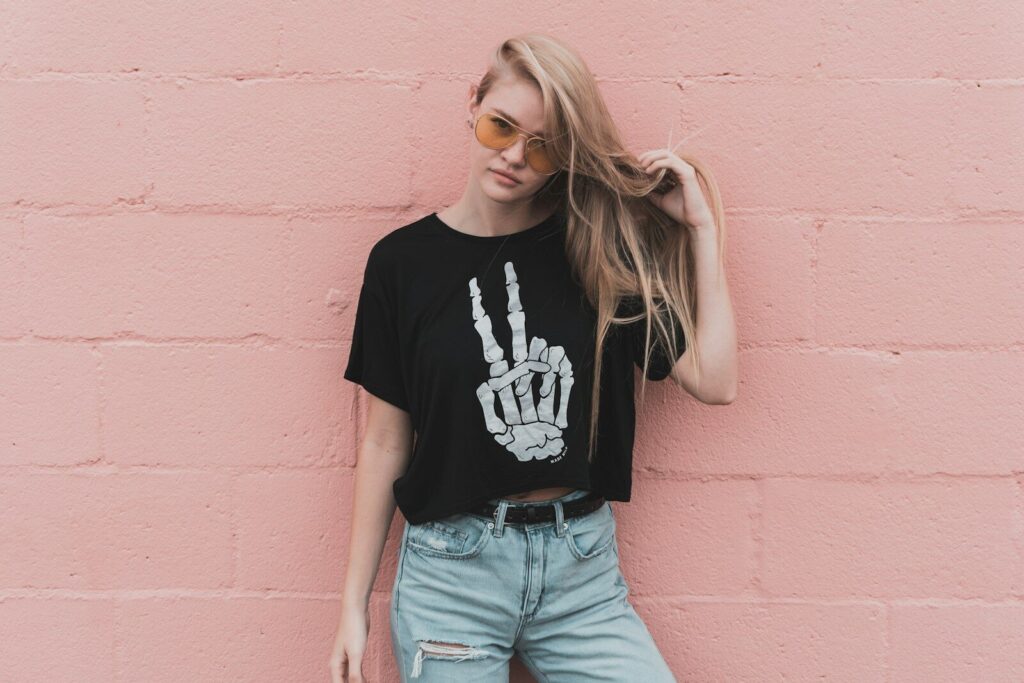
Photo by ian dooley on Unsplash
What Are DTF Transfers?
DTF transfers (direct to film) are a type of film transfer where your design is printed onto a special film using specially formulated DTF inks, then applied to fabric using a heat press.
Here’s how DTF transfer printing works in simple terms:
- Your design is printed onto a premium film
- Adhesive powder is applied to the wet ink
- The design is cured and turned into a ready-to-press transfer
- You apply it to your material using heat
- Peel the film (hot peel), and you’re done
That’s it. No complicated setup, no weeding, no layering.
What makes this method stand out is how easy the application is. You upload your design, receive your DTF transfers ready to use, then press and go.
How DTF Printing Compares to Other Methods
There are a lot of printing methods out there, so let’s put DTF printing into context.
DTF vs Screen Printing
Screen printing is great for bulk orders, but it comes with setup time, art fees, and often a minimum order required.
DTF flips that.
- No minimum quantity
- No screens or setup
- Perfect for multiple designs in one order
- Ideal for small shops and startups
If you’re running a small business or testing designs, DTF gives you way more flexibility.
DTF vs Vinyl (HTV)
Heat transfer vinyl requires cutting and weeding every design, which can slow you down.
DTF transfers:
- Handle full color designs easily
- Deliver fine details without extra effort
- Skip the manual labor
You can go from upload to finished product much faster.
DTF vs Sublimation
Sublimation works best on polyester and light-colored materials. It also struggles with bright whites and darker fabrics.
DTF doesn’t have those limits.
- Works on cotton, polyester, and blends
- Handles dark fabrics with vibrant colors
- Avoids issues like dye migration with proper application
That versatility is a big reason why more creators are switching to DTF direct-to-film printing.
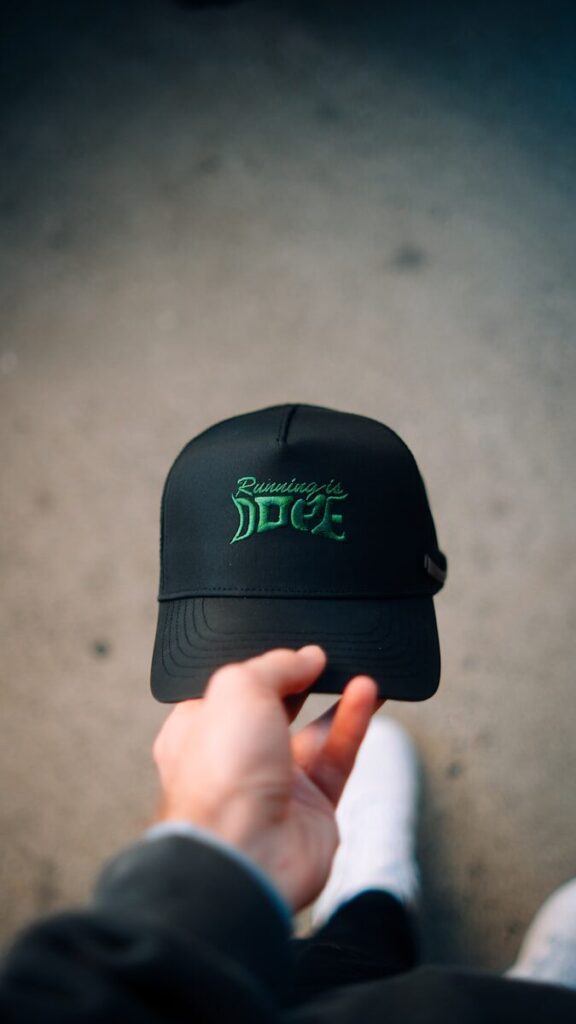
Photo by Chris Lynch on Unsplash
Why Apparel Brands Love DTF Transfers
Once you start using DTF transfers, it’s easy to see why they’ve become a go-to solution for custom apparel.
1. High Quality Prints with Sharp Detail
DTF produces high quality dtf transfers with clean lines, smooth gradients, and unmatched quality.
You get:
- Bright, accurate colors
- Crisp edges
- Professional results every time
2. Works on Almost Any Material
One of the biggest advantages is flexibility.
DTF transfers work on:
- Cotton
- Polyester
- Cotton polyester blends
- Denim
- Canvas
- Even materials like leather or wood
That means one solution for almost every project.
3. Built for Speed and Scalability
Whether you’re fulfilling a few orders or running bulk orders, DTF keeps up.
- Fast production times
- Fast shipping options
- Easy reordering
- No need for in-house equipment
You can scale without adding complexity.
4. Easy Application for Any Skill Level
You don’t need to be an expert to get great quality results.
If you can use a heat press, you can use DTF.
- Position the transfer
- Press with heat
- Peel and finish
That simplicity is what makes it perfect for both beginners and experienced print shops.
5. Efficient Use of Gang Sheets
With DTF gang sheets, you can place multiple designs on one sheet to save time and money.
This is especially useful for:
- Small shops
- Etsy and Shopify sellers
- Event apparel runs
- Testing new designs
It’s one of the easiest ways to maximize every order.
Resources to Learn More About DTF Transfers
If you want to go deeper into DTF transfers, DTF printing, and how to get the most out of your workflow, here are some trusted resources worth exploring. These cover everything from beginner basics to advanced techniques, materials, and best practices.
Industry Guides & Educational Resources
- Understanding Direct-to-Film (DTF) Printing: A Comprehensive Guide
- Beginner’s Guide to Direct-to-Film (DTF) Transfer
- Artwork Tips for DTF Transfers: Make the Most Out of Your DTF
Technical & Process-Focused Resources
- The DTF Printing Process Explained | ColDesi
- How DTF Printer Works: A Comprehensive Guide to DTF Printing
- What is DTF Printing? The Ultimate Guide
- Direct To Film vs. Screen Printed Transfers: Which One Is Right For Your Project?
- DTF Printing: A Beginner’s Guide To Production Setup
Heat Press & Application Tips
- How to Press and Apply DTF Transfers
- Step-by-Step Guide: How to Apply DTF Transfers Like a Pro
- How To Apply DTF Transfers to Garments
- How to Print and Press DTF Transfers
Why These Resources Matter
These guides can help you better understand:
- How DTF transfers work from start to finish
- Differences between DTF printing and other printing methods, like screen printing or vinyl
- How to improve durability, reduce cracking, and prevent fading
- Best practices for using a heat press and achieving professional results
- How to choose the right materials for custom apparel and different fabrics
If you’re serious about improving your results, learning from multiple trusted sources is one of the best ways to sharpen your process. Combine that knowledge with high-quality DTF transfers, and you’ll be in a great position to create consistent, long-lasting prints every time.

Final Thoughts: Is DTF Right for You?
If your goal is to create custom prints that look professional without slowing down your workflow, DTF is one of the most practical options out there.
It combines:
- High-quality prints
- Easy application
- Flexible ordering
- Reliable durability
Whether you’re a hobbyist experimenting with your first t-shirts or an established shop looking to streamline production, DTF gives you a path to consistent, scalable results.
And the best part? You don’t have to overcomplicate it.
Upload your design, press, and watch it come to life.