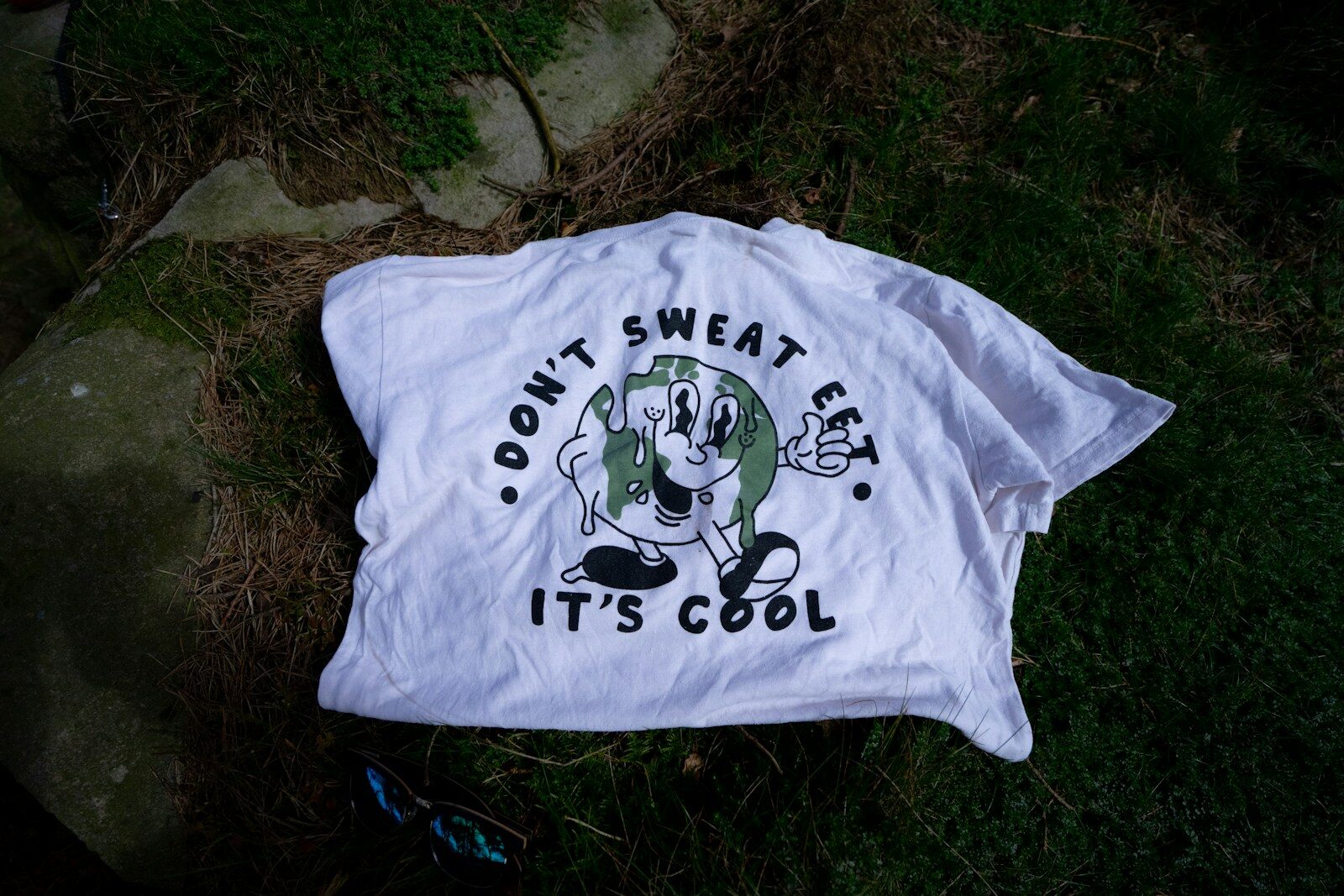
Direct-to-film (DTF) transfers are a versatile printing method where designs are printed onto a special film and applied to garments using a heat press. They offer vibrant, full-color graphics on nearly any fabric type, making them an ideal, cost-effective solution for beginners, hobbyists, and growing custom apparel businesses.
Starting a custom apparel business or taking your crafting hobby to the next level requires finding the right printing method. For years, creators had to choose between tedious vinyl weeding, expensive screen printing setups, or limiting sublimation processes. Today, direct-to-film printing is changing how the industry operates, offering a highly accessible entry point for anyone wanting to create professional-grade garments.
Whether you are an Etsy seller looking to expand your inventory, a local print shop upgrading your technology, or a beginner making custom t-shirts in your spare room, this printing method offers unparalleled flexibility. DTF transfers deliver vibrant, full-color graphics that bond seamlessly to the fabric, resulting in a soft, durable finish. Best of all, they are incredibly easy to apply and work flawlessly on nearly any material you can think of.
In this comprehensive guide, you will learn exactly how this process works, what equipment you need to get started, and how to avoid the most common mistakes new creators make. Ready to create your first custom apparel project? Explore premium custom DTF transfers from Limitless Transfers and start pressing with confidence.
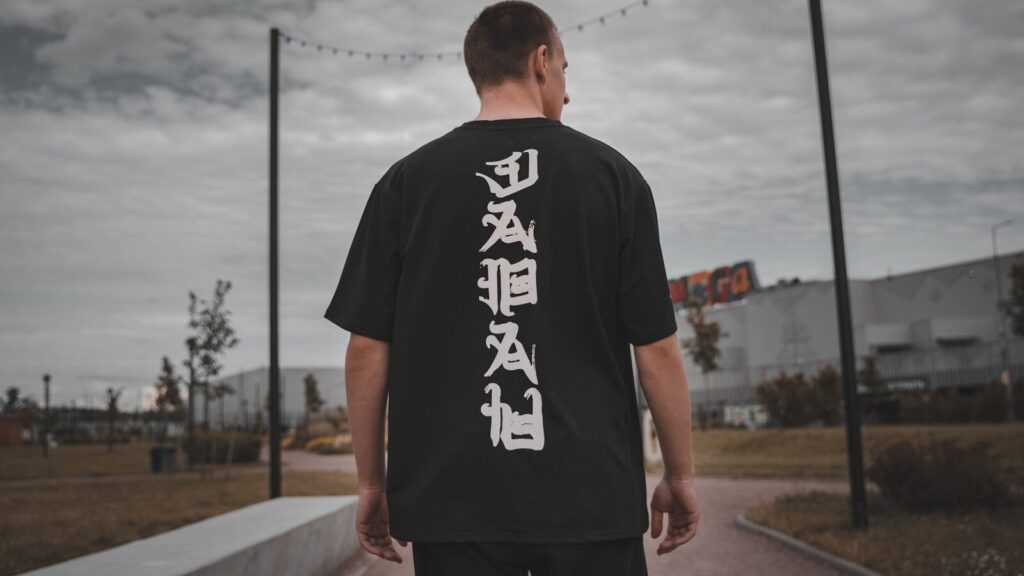
Photo by Alexander JT on Unsplash
What Are Direct To Film Transfers?
Direct-to-film printing involves printing a digital design onto a specialized PET film using specially formulated water-based inks. Once the design is printed, a powder adhesive is applied to the wet ink and melted (cured) to create a strong bonding layer. This finished film is what the industry calls a DTF transfer. You then take this transfer, place it onto your garment, and use a heat press to permanently bind the design to the fabric.
One of the main reasons this method dominates the custom print space is its broad compatibility. Unlike other printing methods that restrict you to light-colored polyester or 100% cotton, DTF transfers work on cotton, polyester, blends, nylon, leather, denim, canvas, and more. This versatility makes DTF transfers extremely popular for decorating t-shirts, blank apparel, hoodies, and a wide variety of promotional products with vibrant, full-color graphics.
For further reading on the textile properties that make different materials react to heat and ink, the Cotton Incorporated website offers fantastic resources on fabric science.
How Do DTF Transfers Work?
Step 1 — Create or Upload Your Artwork With Your Desired File Format
The process begins with digital design. To achieve the best results, save your artwork in a high-resolution format (at least 300 DPI) such as PNG, TIFF, or vector-based SVG. Transparent background recommendations are crucial here; any background color left in the file will print onto the film and transfer to your garment. If you need help removing backgrounds and preparing files, Adobe’s guide on transparent PNGs is an excellent resource for beginners.
Many creators also build “gang sheets,” which involve placing multiple images onto a single, large digital canvas to maximize space and save money on printing costs.
Step 2 — Printing the Design With DTF Printers
Commercial DTF printers utilize a CMYK+W printing process. First, the printer lays down the CMYK (Cyan, Magenta, Yellow, Black) colors to create the vibrant image. Immediately after, the printer applies a solid layer of white (W) ink over the colors. This white underbase acts as a primer, ensuring that fine details and unlimited colors remain opaque and vibrant even when pressed onto dark garments.
Step 3 — Powder Adhesive & Curing
While the ink is still wet, a specialized thermoplastic polyurethane (TPU) adhesive powder is coated over the white ink layer. The film then passes through a curing oven. Curing matters for long-lasting durability because it melts the powder adhesive into the ink, preparing the transfer to bond securely to the fabric during the heat press phase.
Step 4 — Pressing the Transfer
The final step is the easiest. You place the garment on a heat press, position the transfer on top, and press it. Heat press settings generally require a temperature around 300°F to 325°F with medium pressure for 10 to 15 seconds. Depending on the manufacturer, you will then perform a hot peel or a cold peel to remove the film. Limitless Transfers specializes in a hot peel process, meaning you can peel the film away immediately after pressing, speeding up production significantly for beginners.
Why Beginners Love DTF Transfers
No Minimum Orders
Traditional screen printing often requires large minimum order quantities to offset the labor-intensive setup costs. Direct-to-film printing has no minimums, making it perfect for small businesses, independent designers, and hobbyists who want to print on demand.
Works on Nearly Any Fabric
DTF transfers eliminate fabric restrictions. You can confidently press designs onto:
- Cotton
- Polyester
- Blends
- Nylon
- Leather
- Canvas
- Wood
Vibrant Colors & Fine Details
Because the printers use high-resolution digital printheads, you get full-color graphics that capture gradients, photographs, and tiny text effortlessly. The result is a smooth finish with a soft-hand feel that customers love.
Faster & Easier Than Other Methods
Vinyl crafting requires you to spend hours weeding tiny pieces of excess material out of your design. Screen printing requires messy inks, emulsion, and screen exposure. Direct-to-film requires virtually zero setup compared to screen printing and absolutely no weeding, resulting in a very easy learning curve.
Scalable for Growing Businesses
Because the process is fast and requires minimal equipment, it is highly scalable. It serves as a great foundation for Etsy and Shopify stores looking to fulfill daily orders efficiently, while remaining bulk-friendly for larger, established print shops. If you are setting up your online storefront, the Shopify Blog guide on starting a t-shirt business provides excellent foundational business advice.
Ready to scale your apparel business? Limitless Transfers offers the premium custom DTF transfers you need to speed up production and delight your customers.
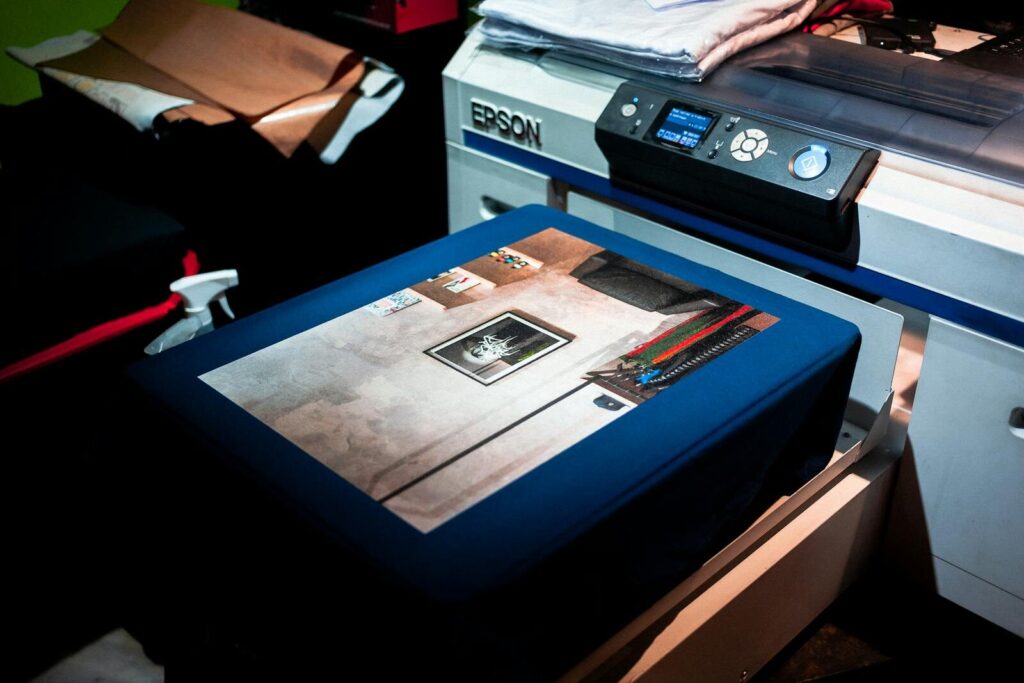
Photo by Deybson Mallony on Pexels
What Equipment Do You Need for DTF Transfers?
Heat Press
A high-quality heat press is the most critical piece of equipment for this process. A standard home iron will not provide the consistent temperature and medium pressure required to bond the adhesive to the fabric. Investing in a reliable heat press ensures your designs will not peel or crack after washing.
DTF Transfers
Beginners face a choice between buying ready-to-press transfers or owning commercial DTF printers. Commercial printers require significant upfront investment, daily maintenance, and dedicated ventilation. That is why many beginners outsource transfers to a trusted provider like Limitless Transfers. Outsourcing allows you to focus strictly on designing and pressing.
Blank Apparel
You will need garments to press your designs onto. Choosing the right t-shirts and garments involves understanding your target market. Some customers prefer heavy, boxy streetwear tees, while others want ultra-soft, lightweight poly-blends.
Gang Sheet Builder Tools
To maximize your budget, you need gang sheet builder tools. These software solutions allow you to upload multiple images and arrange them on a single, long sheet of film. You simply cut the designs apart with scissors once they arrive. To help you arrange visually stunning graphics before uploading them to a gang sheet, Canva’s design school is a helpful free resource for understanding layout and color theory.
What Makes High Quality DTF Transfers?
Not all transfers are created equal. When sourcing transfers, look for specific indicators of quality.
Vibrant Color Accuracy
High-quality transfers use specially formulated DTF inks and color profiling to ensure the digital file on your screen matches the physical print on the garment.
Strong Adhesion Without Peeling
The adhesive powder must be evenly distributed and properly cured. If the curing process is rushed or the powder is low quality, the design will peel away from the garment.
Soft-Hand Feel
Premium transfers utilize a thin but highly opaque white ink layer. This prevents the final design from feeling like a thick, stiff patch of plastic on the shirt.
Long Lasting Prints After Washing
Durability is the ultimate test. A high-quality transfer will withstand dozens of wash cycles without cracking, fading, or degrading.
Fine Detail Reproduction
A top-tier printer can reproduce crisp edges, standalone text, and intricate elements without requiring a solid background behind them.
Washing Instructions
To maintain the integrity of the design, always follow proper care guidelines. For deep dives into laundry care and fabric longevity, The Spruce’s laundry guide is a very helpful resource.
- Machine wash cold
- Tumble dry low
- Turn garments inside out for best results
DTF Transfers vs DTG vs Sublimation
When choosing a printing method, it is helpful to understand how direct-to-film compares to direct-to-garment (DTG) and sublimation. For a broader historical look at how garment printing has evolved, you can reference the Wikipedia page on Direct-to-garment printing.
|
Feature |
DTF Transfers |
DTG |
Sublimation |
|---|---|---|---|
|
Fabric Compatibility |
Nearly all fabrics |
Mostly cotton |
Polyester only |
|
Setup Cost |
Low |
High |
Medium |
|
Vibrant Colors |
Excellent |
Good |
Excellent |
|
Small Orders |
Great |
Less efficient |
Good |
|
Dark Garments |
Yes |
Yes |
No |
|
Ease of Use |
Beginner-friendly |
Moderate |
Moderate |
Key Takeaway: DTF transfers often provide the best balance of quality, flexibility, and affordability, especially since you can outsource the printing and only handle the pressing.
Can a Cricut Do DTF Transfers?
A frequent question among crafters is whether a Cricut machine can print these transfers. Cricut machines do not print DTF transfers; they are vinyl cutting machines. However, Cricut users can easily transition into this space. By ordering ready-made custom DTF transfers, Cricut users can apply the full-color designs using their existing Cricut EasyPress or a standard heat press. It serves as a fantastic upgrade for Cricut crafters wanting full-color graphics without the headache of weeding layered vinyl.
How to Order Custom DTF Transfers Online
Upload Your Artwork
Start by navigating to a reputable supplier like Limitless Transfers and upload your prepared, high-resolution artwork with a transparent background.
Choose Your Transfer Size
Select the dimensions that fit your garment. You can order single images by size (e.g., a left chest logo or a full front graphic).
Build Gang Sheets
If you have multiple designs, use the provider’s gang sheet builder to consolidate your artwork onto one sheet, maximizing your cost efficiency.
Checkout & Shipping
Review your cart and select your shipping speed. Limitless Transfers offers important convenience features for businesses, including same-day shipping for orders placed before noon EST, free UPS Ground shipping on orders over $50, no art fees, and absolutely no minimums.
Apply Your Transfers
Once your package arrives, simply cut your designs apart, set your heat press to the recommended temperature, and apply your transfers to your garments.
Common Beginner Mistakes to Avoid
Using Low-Resolution Artwork
Printing a low-quality image will result in a blurry, pixelated transfer. Always use files that are 300 DPI at the exact size you want them printed.
Incorrect Heat Press Pressure
If your press pressure is too light, the adhesive will not press into the fabric fibers, causing the design to wash off. Always ensure medium to firm pressure.
Peeling Too Early or Too Late
Following the manufacturer’s peel instructions is non-negotiable. If you try to hot-peel a cold-peel film, you will rip the ink right off the shirt. Limitless Transfers utilizes true hot-peel technology to eliminate this guesswork.
Forgetting Transparent Backgrounds
If you leave a white background box on your design file, the printer will print a giant white square. Always export as a transparent PNG.
Washing Incorrectly
Washing in hot water or drying on high heat will degrade the adhesive over time. Always wash cold and dry on low.

What Is the Best DTF Transfer Company?
When searching for a supplier, beginners should look for a company that prioritizes award-winning quality, fast turnaround times, and accurate colors. You also need access to easy ordering tools, reliable customer support, and consistent, long-lasting durability in the prints. For tips on managing supplier relationships and building a reliable small business supply chain, the U.S. Small Business Administration (SBA) offers outstanding free guidance.
Limitless Transfers checks every box for custom apparel creators. With 1st Place Quality awards in 2024 and 2025, Limitless Transfers provides true hot-peel transfers that save you time and money. The beginner-friendly gang sheet builder makes ordering a breeze. Trusted by businesses and hobbyists alike, Limitless Transfers is your one-stop shop for transfers, supplies, and heat presses.
Frequently Asked Questions About DTF Transfers
What are DTF transfers?
Direct-to-film (DTF) transfers are digital designs printed onto a specialized PET film using CMYK and white inks, backed with an adhesive powder. They are applied to garments using a heat press.
Can a Cricut do DTF transfers?
No, a Cricut machine cannot print these transfers. However, Cricut users can order pre-printed transfers and apply them to garments using a heat press or a Cricut EasyPress.
Which one is better, DTF or DTG?
DTF is generally better for beginners because it applies to nearly any fabric, handles small orders efficiently, and requires less expensive equipment if you outsource the printing. DTG is typically limited to 100% cotton garments.
How long do DTF transfers last?
When pressed correctly and cared for properly (washed inside out on cold, tumble dried on low), high-quality DTF transfers will last for dozens of washes, often outlasting the garment itself.
Do DTF transfers crack or peel?
High-quality transfers applied with the correct heat press pressure and temperature will not crack or peel. Adhesion failures are usually caused by uneven heat press pressure or incorrect washing.
What fabrics work best with DTF?
One of the main advantages is that it works on almost anything. You can confidently press onto 100% cotton, 100% polyester, triblends, nylon, denim, canvas, and leather.
Do I need a commercial heat press?
While a commercial heat press is ideal for consistent temperature and pressure, many beginners successfully start with a budget-friendly swing-away or clamshell press, provided it can maintain accurate, even pressure across the platen.
Are gang sheets worth it?
Yes, gang sheets are highly cost-effective. By arranging multiple logos, text designs, and graphics onto a single sheet of film, you significantly lower your cost per design. If you need advice on how to price these items once they are pressed, the Etsy Seller Handbook is a fantastic resource for learning how to market and price custom apparel.
Final Thoughts
Stepping into the world of custom apparel has never been easier or more accessible. Direct-to-film printing eliminates the steep learning curves and high equipment costs of traditional methods, offering a highly profitable avenue for creators of all skill levels. By understanding the basics of how these transfers work, investing in a reliable heat press, and choosing high-quality artwork, you can produce retail-ready garments from day one.
Limitless Transfers helps creators scale faster with professional-grade, true hot-peel transfers that offer unbeatable flexibility, quality, and ease of use. Whether you are fulfilling a massive corporate order or making a single custom hoodie for a friend, the results will always be vibrant and durable.
Ready to create your first custom apparel project? Explore premium custom DTF transfers from Limitless Transfers and start pressing with confidence.