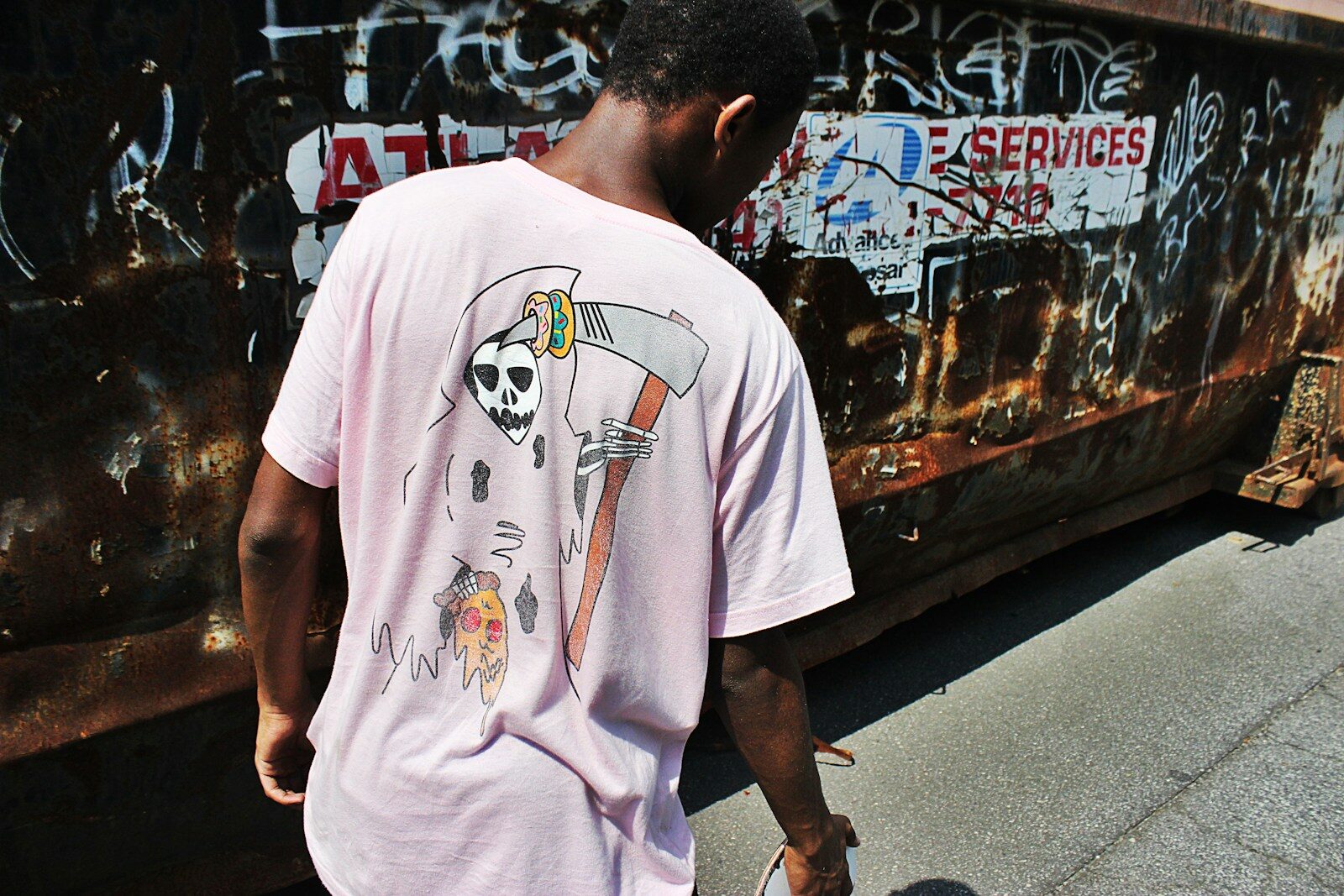
DTF printing works on nearly any fabric—cotton, denim, leather, blends, dark garments, and more—while sublimation is limited to light-colored polyester and polymer-coated materials. For most custom apparel businesses, DTF transfers offer greater material flexibility, broader creative range, and more consistent results across a wider product lineup.
Two techniques dominate the custom apparel conversation right now: direct-to-film (DTF) printing and sublimation printing. Both produce full-color, high-quality graphics. Both use heat to transfer designs onto garments. But the similarities largely stop there.
Choosing the wrong method for your products, fabrics, or business model can mean wasted materials, unhappy customers, and a serious dent in your profit margins. A print shop ordering sublimation transfers for a run of black hoodies, for example, is going to run into a wall fast. Sublimation simply doesn’t work on dark fabrics—or cotton, for that matter.
This guide breaks down exactly how each printing method works, where DTF and sublimation printing excels, and where each one falls flat. We’ll cover material compatibility, equipment costs, workflow differences, durability, and color capabilities. Then we’ll walk through 15 specific reasons why Limitless Transfers has become the go-to DTF transfer supplier for print shops, e-commerce sellers, hobbyists, and growing apparel brands across the country—backed by back-to-back 1st Place Awards for DTF printing quality in 2024 and 2025.
Whether you’re launching a custom apparel business from your garage or scaling a print shop to handle bulk corporate orders, this comparison will help you make the right call.
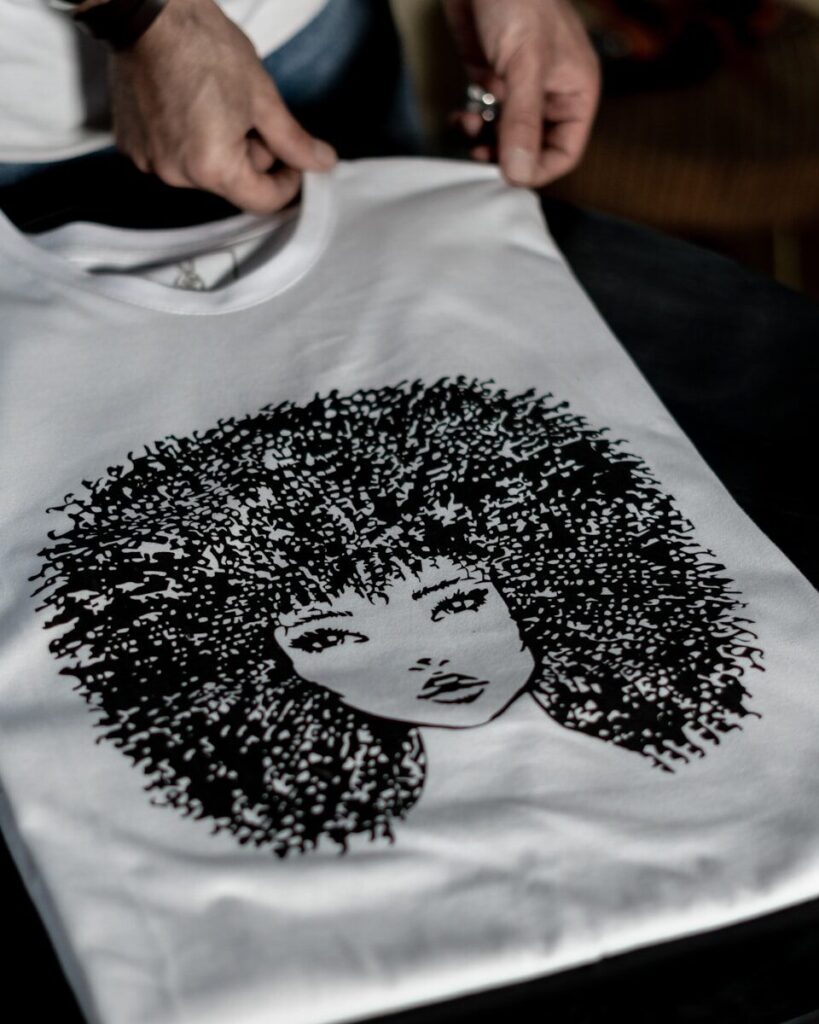
Photo by mojtaba mosayebzadeh on Unsplash
What Is DTF Printing?
Direct-to-film (DTF) printing is a heat transfer method that produces full-color, professional-grade designs by printing onto a specialized PET film using CMYK+W inkjet technology. Like sublimation, it uses heat to transfer a design onto a garment—but the process, materials, and results are quite different.
Here’s how the DTF printing method and process work, step by step:
- A design is printed onto PET transfer film using CMYK+W inks (cyan, magenta, yellow, black, and white).
- Hot melt adhesive powder is applied to the wet ink on the film.
- The powder is cured using heat, bonding it to the print.
- The film is heat-pressed onto the garment at approximately 165°C (329°F) for 15–20 seconds.
- The film is peeled away—either immediately (hot peel) or after cooling (cold peel)—leaving the design bonded to the fabric surface.
The white ink layer is critical. It acts as an underbase that makes DTF transfers vivid and accurate on dark and colored fabrics—something sublimation cannot do.
Because DTF involves multiple steps—printing, powder application, curing, and pressing—it does come with a learning curve. That said, purchasing ready-to-press DTF transfers from a supplier like Limitless Transfers eliminates most of that complexity. All you need on your end is a heat press.
DTF creates a slight, thin, flexible raised texture on the surface of the fabric. It’s barely noticeable on most garments, but it is a tactile difference compared to sublimation.
Compatible materials for DTF printing include:
- 100% cotton and cotton blends
- 100% polyester and polyester blends
- 50/50 and tri-blends
- Denim
- Nylon
- Canvas
- Rayon
- Silk
- Leather
- Neoprene
- Wood
- Non-woven fabrics
- Both light and dark-colored garments
According to Transfer Kingdom’s DTF Durability Guide, high-quality DTF transfers can withstand 50+ washes without significant fading or peeling when properly applied—making them a durable option for retail and promotional apparel alike. It’s worth noting that lower-quality DTF prints may show cracking or peeling after repeated washes, so transfer quality matters.
What Is Sublimation Printing?
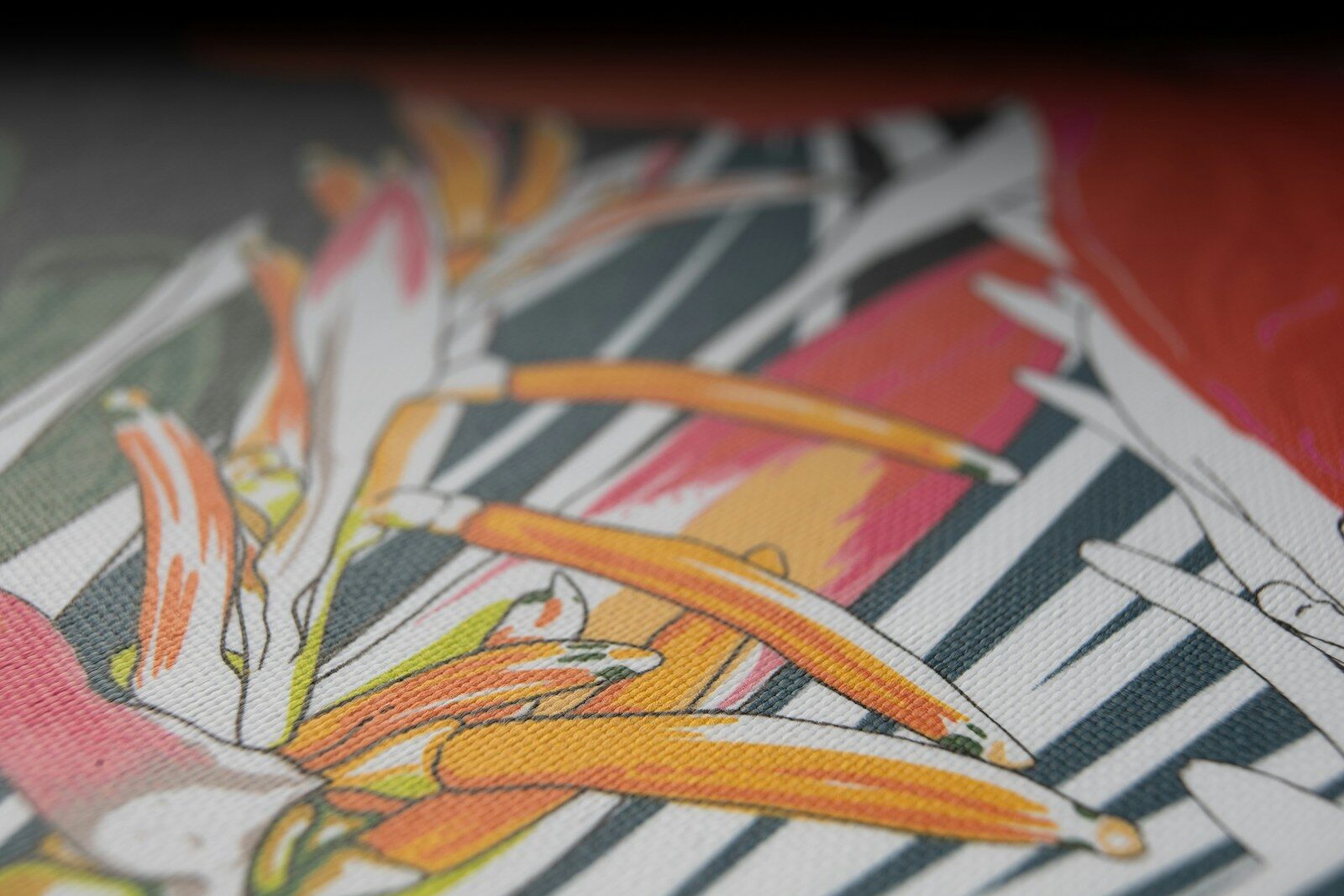
Sublimation printing is also a heat-transfer method, but it works very differently from DTF. Rather than sitting on top of the fabric, sublimation ink is converted from a solid directly into a gas under heat and pressure. That gas bonds permanently with polyester fibers or polymer coatings at a molecular level—the ink literally becomes part of the material.
Sublimation printing works like this:
- A design is printed onto dedicated sublimation paper using a sublimation printer loaded with sublimation inks.
- The printed paper is placed face-down on the substrate.
- A heat press transfers the design by converting the ink to gas, which infuses directly into the polyester fibers or polymer sublimation coating.
- The paper is peeled away, leaving no surface texture—the design is embedded in the material itself.
Because sublimation requires no adhesive powder and fewer overall steps, it’s generally considered simpler and less intimidating for beginners. There’s no powder application or curing stage to manage.
Sublimation has zero hand feel—the ink becomes part of the fabric, leaving the surface completely smooth and breathable. This makes it especially well-suited for moisture-wicking athletic and performance apparel, where an imperceptible feel is a genuine advantage.
Sublimation excels on:
- 100% white or light-colored polyester fabrics (best results)
- Fabrics with at least 60–75% white or light-colored polyester content
- Polymer-coated hard goods (mugs, phone cases, plaques, photo panels)
- Polyester sportswear and activewear
- All-over garment printing made from polyester
The permanent molecular bond gives sublimation prints exceptional wash resistance. Sublimation prints can withstand hundreds of washes without fading, cracking, or peeling. They’re also waterproof and UV-resistant—advantages that DTF transfers don’t fully match.
However, sublimation’s limitations are significant. As explained by Conde Systems in their sublimation vs. DTF comparison, sublimation is restricted to polyester or polymer-coated materials and cannot produce white ink. Because there’s no white ink, the garment’s own color shows through any light-colored areas of the design. Print on a dark shirt, and the result is muddy or invisible. This is why sublimation only works on light-colored fabrics.
DTF and Sublimation Printing: What’s the Biggest Difference?
Material Compatibility
|
Feature |
DTF Printing |
Sublimation Printing |
|---|---|---|
|
100% Cotton |
✅ Yes |
❌ No |
|
Cotton Blends |
✅ Yes |
❌ No |
|
Dark-colored fabrics |
✅ Yes |
❌ No |
|
50/50 and tri-blends |
✅ Yes |
⚠️ Limited (needs 60–75%+ polyester) |
|
Denim |
✅ Yes |
❌ No |
|
Nylon |
✅ Yes |
❌ No |
|
Rayon / Silk |
✅ Yes |
❌ No |
|
Leather |
✅ Yes |
❌ No |
|
Canvas |
✅ Yes |
❌ No |
|
Wood and specialty substrates |
✅ Yes |
❌ No |
|
Light-colored polyester |
✅ Yes |
✅ Best results |
|
Polymer-coated hard goods |
✅ Yes |
✅ Yes |
Material compatibility is the defining difference between these two methods. DTF transfers work on almost any fabric type or color. Sublimation is confined to polyester and polymer-coated surfaces—and it performs poorly on anything darker than a light gray.
For best sublimation results, fabrics should be at least 60–75% white or light-colored polyester. For optimal output, 100% white polyester is ideal. For a deeper look at why sublimation is limited to polyester, Atlanta Vinyl’s fabric guide explains how sublimation ink only bonds with polyester molecules, meaning cotton and natural fibers simply won’t hold the print.
Color Capabilities
Both methods produce vibrant, full-color results—but with important differences.
DTF printing uses a white ink underbase, which means designs appear vivid and accurate on both light and dark fabrics. Sublimation has no white ink option, so the white in a design is produced by the garment itself. Print on a black shirt with sublimation, and the “white” areas remain black. Print on a gray shirt, and those same areas turn gray. This is a fundamental limitation—not a workaround.
DTF excels at complex full-color designs on dark fabrics precisely because of the white ink underbase. It’s the reason dark-colored custom apparel almost always calls for DTF rather than sublimation.
Limitless Transfers uses an expanded gamut CMYK+RGBO+W printing system, producing a wider color range than standard CMYK alone—resulting in more accurate, vivid colors across every job.
Surface Feel and Breathability
This is where sublimation has a genuine edge for specific applications. Sublimation prints have zero hand—the ink becomes part of the fabric and adds nothing to the surface. The garment feels exactly as it did before printing. For moisture-wicking performance apparel, this is a real advantage. Athletes wearing sublimated jerseys don’t feel any print texture during activity.
DTF creates a slight, thin, flexible raised texture on the printed surface. It’s not stiff or heavy, but it is a tangible difference. For most casual and retail apparel, this is barely noticeable—and premium DTF transfers like those from Limitless Transfers are engineered to minimize it. But for applications where an imperceptible feel is critical, sublimation holds the advantage.
Durability and Wash Resistance
Both methods are durable, but they wear differently over time.
Sublimation bonds at the molecular level, meaning the print can’t peel, crack, or fade in the traditional sense—it’s part of the fiber. Sublimation prints can withstand hundreds of washes without degradation. They’re also waterproof and UV-resistant, which makes them a strong choice for outdoor performance gear, swimwear, and promotional products exposed to the elements.
DTF transfers are also durable. High-quality DTF transfers from Limitless Transfers can withstand 50+ washes without fading, cracking, or peeling when properly applied. That said, lower-quality DTF prints—or transfers applied incorrectly—may crack or peel after repeated washes. Application technique and transfer desired print quality both matter significantly.
For long-term wash durability, especially across hundreds of wash cycles, sublimation holds the advantage—within its narrow range of compatible materials.
Workflow Complexity
Sublimation involves fewer steps: print to sublimation paper, press onto garment, peel. There’s no adhesive powder to apply, no curing stage to manage. This makes sublimation simpler and less intimidating for beginners who are comfortable working exclusively with light-colored polyester.
DTF involves more steps: print to film, apply adhesive powder, cure, press, peel. This multi-step process has a learning curve, especially if you’re running your own DTF printer. However, if you’re purchasing ready-to-press DTF transfers from Limitless Transfers, the complexity is handled for you. You receive a finished transfer and press it. That’s it.
Equipment Costs
Equipment costs differ significantly between the two methods—and this matters a lot for custom printing businesses making startup decisions.
DTF printers typically range from $2,000 to $15,000+ depending on print width, speed, and brand. Entry-level DTF setups tend to land around $2,000–$5,000, while production-grade systems can run well above $10,000. In addition to the printer itself, you’ll need DTF-specific inks, PET film rolls, and hot melt adhesive powder as ongoing consumables.
Sublimation printers typically range from $500 to $3,000, making them considerably more accessible for small businesses and hobbyists. Consumables include sublimation inks and sublimation paper. However, sublimation also requires a garment inventory made up of specialized polyester blanks—which can increase per-unit costs, especially for smaller orders.
Both setups also require a heat press process.
DTF has higher initial setup costs unlike sublimation when running your own equipment. However, purchasing ready-to-press DTF transfers from a supplier like Limitless Transfers sidesteps the printer investment entirely. You skip the printer, inks, film, and powder—and you only need a heat press machine to get started.
As Stahls’ explains in their DTF vs. sublimation video comparison, the equipment requirements for running an in-house DTF setup are considerably more complex than simply purchasing ready-to-press transfers.
DTF Printing Process vs Sublimation Printing for Custom Apparel Businesses
For startups and Etsy sellers, the barrier to entry matters enormously. DTF transfers require only a heat press to get started. Sublimation requires a dedicated printer, specific inks, and a garment inventory restricted almost entirely to white polyester. If you want to sell dark-colored shirts or cotton tees from day one, sublimation closes that door immediately.
For established print shops, DTF transfers allow you to expand into new product lines—cotton tees, dark hoodies, canvas bags—without investing in additional equipment or overhauling your workflow.
For e-commerce and on-demand sellers, DTF’s fabric flexibility means a broader product catalog. You’re not limited to white polyester blanks. You can offer dark-colored apparel, cotton shirts, and promotional products all from the same transfer supplier.
For performance apparel and sportswear producers, sublimation’s zero-hand feel, molecular bonding, and superior wash durability make it worth considering—provided your entire product line stays within polyester and light-colored garments.
For event and promotional companies, fast turnaround and no minimum order requirements make DTF transfers the practical choice when timelines are tight and garment types vary.
15 Reasons I Choose Limitless Transfers for Custom Transfers
1. I Can Print on More Materials
Limitless Transfers’ DTF transfers bond with cotton, polyester, blends, tri-blends, nylon, denim, canvas, rayon, silk, leather, neoprene, wood, and more. Sublimation forces you into a narrow lane—light-colored polyester only. DTF keeps every door open.
2. I Can Print on Dark Fabrics
Dark garments are completely off the table for sublimation. DTF’s white ink underbase makes designs pop on black hoodies, navy shirts, and charcoal sweatshirts with the same clarity and vibrancy as on light-colored materials. For most custom apparel businesses, dark fabrics are a core part of the product lineup—not an afterthought.
As Life Sew Savory’s dark fabric guide acknowledges, sublimation on dark fabric requires significant workarounds and still produces inferior results compared to DTF.
3. I Get Vibrant Full-Color Prints Every Time
Limitless Transfers uses an expanded gamut CMYK+RGBO+W printing system with refined ICC profiles. The result is photorealistic color, sharp edges, and accurate detail even on the most intricate designs. Whether it’s a full-front graphic or a tiny left-chest logo with fine text, the prints hold up.
4. True Hot Peel Saves Production Time
Limitless Transfers produces true hot-peel transfers—meaning you press, lift, and peel immediately. No waiting for the film to cool. No cold-peel delays. For anyone running high-volume orders, this alone can dramatically increase daily output.
5. No Minimum Order Requirements
Order one transfer or a thousand—Limitless Transfers accommodates both without penalty. For hobbyists testing a new design, Etsy sellers fulfilling individual orders, or print shops sampling a new product line, this flexibility is invaluable.
6. Same-Day Shipping Keeps Projects Moving
Orders placed by noon EST typically ship the same day. For businesses running on tight deadlines—event apparel, last-minute corporate orders, fundraiser gear—this kind of reliability is hard to overstate. As customer Jorge Navarro puts it: “They are always on time and great quality.”
7. Free Shipping Over $50 Adds Real Value
Free UPS Ground shipping on orders over $50 (with a $10 flat-rate 2nd Day Air option available) makes bulk ordering more cost-effective. When you’re managing margins on a growing apparel business, removing unnecessary shipping costs compounds into meaningful savings over time.
8. The Gang Sheet Builder Makes Ordering Easy
Limitless Transfers offers three ordering options: upload a ready-to-print gang sheet file, use the intuitive online gang sheet builder, or order individual transfers by size. The gang sheet builder is particularly useful for those without professional design software—you upload PNG files, arrange them with the auto-layout tool, and maximize every inch of film. Grouping multiple designs onto one sheet significantly lowers the cost per print.
For a step-by-step walkthrough on building gang sheets efficiently, DTFPrinting.com‘s tutorial library offers excellent workflow guidance.
9. No Expensive Printer Required
Running your own sublimation setup requires:
- A dedicated sublimation printer ($500–$3,000)
- Sublimation inks and sublimation transfer paper
- A heat press
- Polyester-specific blank inventory
Running your own DTF setup requires:
- A DTF printer ($2,000–$15,000+)
- DTF inks, PET film rolls, and adhesive powder
- A heat press
Using Limitless Transfers requires:
- A heat press
Purchasing ready-to-press DTF transfers eliminates the cost and complexity of running your own printing setup entirely. You get professional-grade, award-winning results without the capital investment in equipment or the learning curve of managing adhesive powder, curing, and film.
10. Soft-Hand Feel Creates Premium Apparel
Limitless Transfers’ DTF prints deliver a soft, lightweight, flexible finish. Customer James Dawson called it the “best hand feel of any DTF transfer I’ve used.” This matters for retail-quality apparel where the tactile experience of wearing the shirt reflects directly on your brand.
11. Durable Prints Stand Up to Multiple Washes
Properly applied DTF transfers from Limitless Transfers hold their color, edges, and adhesion through repeated washing. High-quality DTF ink combined with correct heat press settings produces prints that won’t fade, crack, or peel—giving your customers apparel they can wear and wash confidently for the long term.
12. Perfect for Custom Apparel Businesses of Any Size
Whether you’re a solo hobbyist pressing shirts at home, an Etsy seller scaling from 10 orders a month to 300, a print shop expanding into DTF, or a corporate buyer ordering branded uniforms in bulk—Limitless Transfers’ model scales with you. No minimum orders, multiple ordering options, and fast fulfillment morkflow works the same whether you’re ordering one design or filling a full gang sheet roll.
13. Detailed Prints Bring Complex Designs to Life
Fine lines, small text, photorealiean the wstic images and artwork, and multi-color gradients all reproduce accurately. The CMYK+RGBO+W printing system and refined ICC profiles ensure that what you designed on screen matches what arrives on your doorstep—without compromise.
14. A One-Stop Shop for Printing Supplies
Limitless Transfers isn’t just a transfer supplier. The company also offers heat presses, tools, supplies, and accessories—so you can source everything needed to run your apparel business from one place. For growing businesses that want to simplify vendor relationships and reduce ordering complexity, this is a practical advantage.
15. Award-Winning Quality You Can Trust
Limitless Transfers, led by Spencer Chernoff and based in Front Royal, Virginia, earned back-to-back 1st Place Awards for DTF printing quality in 2024 and 2025. The 2024 win came at the DTF Printing T-Shirt Contest judged at the Printing United Expo in Las Vegas, where entries were evaluated on color accuracy, graininess, softness, brightness of white, underbase alignment, and stretch. Winning twice in a row—against more than 60 competitors—is not a coincidence. It’s a reflection of consistent, professional-grade output that customers can rely on order after order.
When Should You Choose Sublimation Printing?
Sublimation remains an excellent choice for specific applications:
- White or light-colored 100% polyester garments — Sublimation produces smooth, breathable prints with zero hand feel, ideal for athletic and moisture-wicking wear.
- All-over polyester printing — For seamless edge-to-edge designs on polyester, sublimation is hard to beat.
- Polymer-coated hard goods — Mugs, phone cases, photo panels, and plaques benefit from sublimation’s permanent, high-resolution output.
- Polyester sportswear where feel matters — Sublimation’s breathability, waterproofing, UV resistance, and molecular bond make it well-suited for performance uniforms and activewear—provided the fabric is at least 60–75% white or light-colored polyester.
- Long-term wash durability — If your product line demands hundreds of wash cycles without any degradation, sublimation’s molecular bonding offers an edge within its compatible material range.
If your entire product line consists of white polyester shirts and sublimation-compatible hard goods, sublimation printing is a well-proven method worth exploring further. Printful’s DTF vs. sublimation comparison provides an in-depth look at both techniques for print-on-demand businesses specifically.
Photo by Submersible Tees on Unsplash
When Is DTF Printing the Better Choice?
Choose DTF printing when:
- You’re printing on dark-colored garments.
- Your product line includes cotton, denim, canvas, leather, rayon, silk, or blended fabrics.
- You want to offer custom apparel without investing in a printer setup.
- You’re starting or scaling a custom apparel business and need maximum material flexibility.
- You need fast turnaround on small batches or individual orders.
- You’re offering on-demand printing and can’t afford to limit your garment selection to white polyester.
- You want professional-grade results without the overhead of managing your own DTF printing equipment.
For a broader technical foundation on how DTF printing works as a decorating method, Printful’s DTF printing guide is a reliable educational resource worth bookmarking.
DTF vs Sublimation: Side-by-Side Summary
|
Factor |
DTF Printing |
Sublimation Printing |
|---|---|---|
|
Heat transfer method |
✅ Yes |
✅ Yes |
|
Works on dark fabrics |
✅ Yes |
❌ No |
|
Works on cotton |
✅ Yes |
❌ No |
|
Works on polyester |
✅ Yes |
✅ Yes (light-colored only) |
|
Works on denim, nylon, silk, leather |
✅ Yes |
❌ No |
|
Requires white ink |
✅ Yes (underbase) |
❌ No |
|
Fabric color shows through inks |
❌ No |
✅ Yes |
|
Adhesive powder required |
✅ Yes |
❌ No |
|
Bonds at molecular level |
❌ No |
✅ Yes |
|
Surface texture |
Slight raised texture |
Zero hand feel |
|
Breathability |
Good |
Excellent |
|
Ideal for moisture-wicking apparel |
Acceptable |
✅ Superior |
|
Wash durability |
50+ washes |
Hundreds of washes |
|
Risk of cracking or peeling |
Possible with low quality |
Very low |
|
Waterproof and UV-resistant |
Limited |
✅ Yes |
|
Workflow complexity |
More steps, learning curve |
Fewer steps, beginner-friendly |
|
Printer cost (in-house) |
$2,000–$15,000+ |
$500–$3,000 |
|
Consumables |
Inks, film rolls, adhesive powder |
Inks, sublimation paper, polyester blanks |
|
Ready-to-press option (no printer needed) |
✅ Yes (Limitless Transfers) |
Limited |
Why Limitless Transfers Is the Go-To Choice for Custom Apparel and Direct-to-Film Printing
The case for Limitless Transfers comes down to a combination of quality, reliability, and practicality that’s difficult to match:
- Back-to-back 1st Place DTF Quality Awards (2024 & 2025)
- Expanded gamut CMYK+RGBO+W printing for vibrant, accurate color
- True hot-peel technology for fast, high-volume production
- No minimum orders — one transfer or thousands
- Same-day shipping on orders placed by noon EST
- Free UPS Ground shipping on orders over $50
- Works on virtually any material — cotton, polyester, blends, leather, wood, and more
- Intuitive gang sheet builder for easy online ordering
- Soft-hand feel that reflects premium retail quality
- One-stop shop for transfers, heat presses, and supplies
Customer Whitley O’Connor summarizes it simply: “We tried Limitless probably 18 months ago and haven’t looked back. Highest quality DTFs we have received, always on time, and super responsive to questions. Limitless doesn’t miss.”
Make the Right Call for Your Apparel Business
DTF and sublimation both have legitimate roles in the custom apparel industry. Sublimation is a proven method for polyester sportswear, white garments, and polymer-coated specialty products. Within those specific applications, it delivers excellent results—including superior durability, a breathable zero-hand feel, waterproofing, and UV resistance that DTF doesn’t fully replicate.
But for most custom apparel businesses—especially those working with cotton, dark fabrics, blended materials, or a wide variety of garment types—DTF transfers offer more flexibility, lower equipment barriers, and broader creative potential. And when you source ready-to-press transfers from Limitless Transfers, the multi-step complexity of DTF printing is handled entirely on their end. All you need is a heat press.
Limitless Transfers makes that flexibility accessible. No expensive printing equipment. No minimum orders. Award-winning quality with same-day shipping and a gang sheet builder that simplifies the entire ordering process from upload to press.
Ready to see what the difference looks like on your garments? Start an order at Limitless Transfers and experience award-winning DTF transfers for yourself.
Frequently Asked Questions
What are the main disadvantages of DTF printing?
DTF transfers have a slight surface texture that differs from the unprinted fabric, and very large prints can reduce breathability compared to sublimation. In terms of durability, lower-quality DTF prints may crack or peel after multiple washes—though high-quality transfers properly applied can hold up for 50+ washes. When purchasing ready-to-press transfers from a supplier like Limitless Transfers, the in-house production challenges—managing adhesive powder, curing equipment, and film—are eliminated entirely. All you need is a heat press.
Can a Cricut machine do sublimation printing?
Cricut machines do not perform sublimation printing. A Cricut cuts and draws; it does not use sublimation inks or heat transfer processes and film. Sublimation printing methods require a dedicated sublimation printer loaded with sublimation-specific inks. A Cricut heat press can be used to apply sublimation transfers after they’ve been printed by a separate sublimation printer.
Can I use a sublimation printer for DTF transfers?
No. Sublimation printers use sublimation-specific dye inks designed to bond with polyester fibers under heat. DTF printing requires CMYK+W pigment inks, specialized PET film, and hot melt adhesive powder. The two systems are not interchangeable. If you want DTF results without investing in DTF equipment, purchasing ready-to-press transfers from Limitless Transfers is the most efficient route.
Does sublimation last longer than DTF?
In terms of raw wash durability, sublimation has an edge—its molecular bond means it can withstand hundreds of washes without fading, cracking, or peeling. Sublimation prints are also waterproof and UV-resistant. High-quality DTF transfers from Limitless Transfers can withstand 50+ washes without fading, cracking, or peeling when properly applied. The durability comparison favors sublimation for sheer wash count, but DTF works across a vastly wider range of materials and colors—so the better question is which method is compatible with what you’re actually printing on.
Is DTF better than sublimation for a small business starting out?
For most small printing businesses, DTF transfers offer a lower-barrier entry point. Sublimation requires a dedicated printer ($500–$3,000), specific inks, sublimation paper, and a garment inventory limited to white or light-colored polyester. DTF transfers from Limitless Transfers require only a heat press and allow you to decorate cotton, dark fabrics, blends, and much more—giving you a broader product catalog from day one with no minimum order requirements.
Is sublimation better for athletic or moisture-wicking apparel?
Yes—for pure performance apparel on polyester, sublimation has a genuine advantage. Because sublimation has zero hand feel and bonds at the molecular level, it produces a completely imperceptible print surface that doesn’t interfere with the fabric’s breathability or moisture-wicking properties. If your entire product line consists of white or light-colored polyester athletic wear, sublimation is worth serious consideration.
What file types does Limitless Transfers accept for gang sheets?
Limitless Transfers accepts PNG files for the gang sheet builder, as well as ready-to-print gang sheet files in PDF, PNG, and vector formats sized at 22.5″ wide. The online gang sheet builder is designed to be intuitive for those without professional design software.
Meta Data
Meta title: DTF vs Sublimation: Best Choice for Custom Apparel
Meta description: DTF vs sublimation: learn which print method fits your fabrics, budget, and business. See why Limitless Transfers is the award-winning choice for DTF transfers.