DTF (Direct-to-Film) printing works on cotton, polyester, blends, nylon, denim, and more—on both light and dark fabrics. Sublimation printing requires white or light-colored polyester and produces no surface feel. For fabric variety, dark garments, and on-demand custom orders, DTF offers significantly broader flexibility.
Choosing the wrong printing method doesn’t just affect print quality—it shapes which fabrics you can work with, which customers you can serve, and how efficiently your business scales. DTF printing and sublimation printing are both legitimate, capable technologies. They just solve very different problems.
This guide breaks down exactly how each process works, where each method excels, where each falls short, and why fabric and garment color are the deciding factors most creators underestimate. Along the way, you’ll also learn how Limitless Transfers helps printing businesses access award-winning DTF transfers without purchasing or maintaining a single piece of DTF equipment.
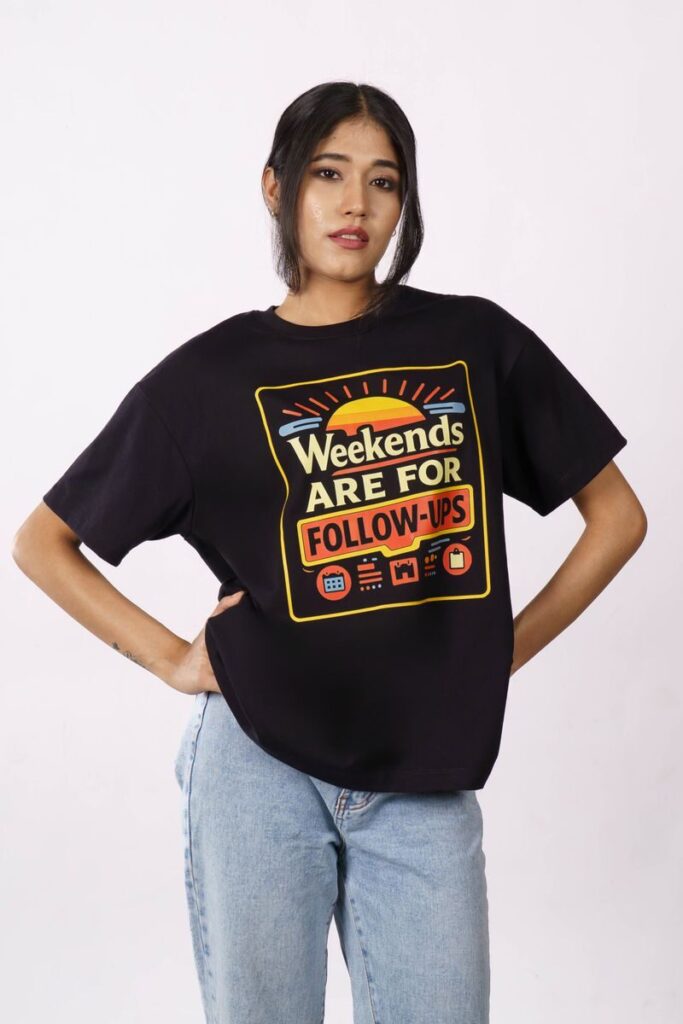
Photo by BANDAR BAANT on Pexels
DTF vs Sublimation: What Is the Main Difference?
The core distinction between DTF vs sublimation is how ink bonds to fabric. DTF printing creates a transfer on specialized film, which is then heat-pressed onto the garment surface using a heat-activated adhesive layer. The sublimation printing method uses heat to convert solid dye-sublimation inks into gas, which then permeates and bonds with polyester fibers before cooling back into a solid.
That single difference cascades into meaningful distinctions across nearly every performance metric:
- Fabric compatibility — DTF works across natural and synthetic fabrics; sublimation requires high-polyester content
- Dark garment printing — DTF handles dark fabrics with ease; sublimation cannot
- White ink — DTF uses a white ink underbase; sublimation has no equivalent
- Print texture — DTF creates a slightly raised surface layer; sublimation produces an embedded, zero-feel finish
- Equipment requirements — Both require dedicated setups; DTF setups are generally more complex to maintain
- Durability — Both can be long-lasting; sublimation is technically permanent on compatible polyester
- Product selection — DTF is versatile; sublimation is purpose-built for specific blanks
Sublimation printing genuinely excels in its intended niche—particularly light-colored polyester sportswear, performance apparel, and polymer-coated hard goods. DTF, however, offers substantially broader flexibility when a business wants to decorate different fabrics, garment colors, and product types without building their catalog around sublimation-friendly blanks.
Quick DTF and Sublimation Printing Comparison
|
Feature |
DTF Printing |
Sublimation Printing |
|---|---|---|
|
Best fabrics |
Cotton, polyester, blends, nylon, and more |
Polyester/high-poly blends |
|
Recommended polyester content |
Not required |
Generally 65%+ for best results |
|
100% cotton |
Yes |
No |
|
Dark fabrics |
Yes |
No |
|
White ink |
Yes |
No |
|
Light fabrics |
Yes |
Yes |
|
Print feel |
Soft but slightly raised |
Essentially no surface feel |
|
Typical durability |
50+ washes when properly applied |
Extremely durable/permanent on suitable polyester |
|
Short runs |
Excellent |
Good when suitable blanks are used |
|
Specialty blanks required |
Generally no for standard apparel |
Yes for many hard goods |
|
Startup investment |
Generally higher |
Generally lower |
How Does the DTF Printing Process Work?
Direct-to-Film printing follows a distinct multi-step process. First, a design is printed onto specialized PET transfer film using DTF inks, including a white ink layer wherever the design requires opacity against the garment. Next, adhesive powder is applied evenly to the wet ink while the film is still fresh, then cured in an oven or under a heating element to bond the powder to the ink. The finished transfer sheet is positioned on the garment and applied using a heat press under the correct temperature, pressure, and time settings.
For a detailed breakdown of the equipment and process mechanics behind DTF, ColDesi’s explanation of the DTF printing process is a thorough technical resource worth bookmarking.
Because DTF ink does not need to chemically bond with polyester fibers, it adheres effectively to a wide spectrum of fabrics and materials. At Limitless Transfers, our transfers are compatible with:
- 100% cotton
- 50/50 blends
- 100% polyester
- Tri-blends
- Nylon
- Denim
- Canvas
- Leather
- Non-woven fabrics
- Neoprene
- Polypropylene
- Wood
That range of compatibility is what separates DTF from more specialized printing technologies—including sublimation.
Why White Ink Makes DTF Printing So Versatile
The white ink layer is one of the most important advantages in the DTF process, and it deserves specific attention. In DTF printing, white ink is applied first, directly to the film, creating an opaque foundation beneath the CMYK colors. This white underbase ensures that colors print with full vibrancy and visibility—even on black, navy, red, charcoal, and any other dark-colored garment.
Sublimation inks do not offer an equivalent white ink underbase. Because sublimation ink is translucent by nature, it cannot create a visible opaque layer on dark materials. For printing businesses that regularly receive orders for dark-colored apparel, this distinction alone is decisive. DTF removes that restriction entirely.
Understanding The Sublimation Printing Process and How It Works
Dye sublimation printing is a heat transfer process that works quite differently from DTF. A design is printed onto sublimation paper using special sublimation inks. The printed transfer is then positioned against the polyester material, and a heat press applies the necessary temperature and pressure. The heat causes the solid dye to convert into a gas, which permeates and bonds with the polyester fibers. When the material cools, the dye returns to a solid state—permanently embedded within the fabric rather than sitting on top of it.
According to Penn State’s Media Commons educational resource on dye sublimation, the process works best on white or light-colored polyester, typically pressed at around 400°F for approximately 60 seconds. The result is a print with essentially no surface feel—the design becomes part of the fabric itself.
This characteristic makes sublimation particularly appealing for performance activewear, polyester sportswear, photorealistic all-over designs, and hard goods with a compatible polymer coating such as mugs and phone cases.
Why The Sublimation Printing Requires Polyester
Sublimation ink needs polyester fibers—or a polymer-coated surface—to form the chemical bond that makes the process work. According to Printful’s guide to sublimation printing, sublimation only produces strong, vibrant results on fabrics with 100% polyester or high-polyester blends. The less polyester in the fabric, the more faded and washed-out the result tends to appear—because the dye cannot bond with cotton or other natural fibers in the same way.
A general industry benchmark is 65% polyester or higher for acceptable sublimation results, with 100% polyester delivering the most predictable, vibrant output. For businesses that serve customers who prefer 100% cotton shirts, standard blends, or natural fiber apparel, this requirement becomes a hard limitation. DTF has no equivalent polyester requirement.
Why Sublimation Works Best on Light-Colored Fabrics
Sublimation inks are translucent. There is no white ink layer to create an opaque base beneath the design. On dark fabrics, the dye blends with the underlying color of the material—effectively disappearing or rendering fine details invisible. The process is therefore restricted to white and light-colored fabrics.
DTF printing faces no such limitation. The white ink underbase ensures that vibrant, full-color designs remain clearly visible across garments of any color, making DTF the practical choice whenever customers want dark-colored apparel decorated with detailed or colorful graphics.
DTF vs Sublimation for Fabric Compatibility
Fabric compatibility is frequently the most important factor in the DTF vs sublimation decision, and it’s the area where the gap between the two technologies is widest. According to Gelato’s comparison of DTF and sublimation printing, a rising consumer preference for natural fibers like organic cotton directly benefits DTF—because sublimation simply cannot perform on those materials.
DTF works across nearly all common apparel categories:
- Cotton
- Polyester
- Cotton/poly blends
- Tri-blends
- Nylon
- Denim
- Canvas
- Leather and specialty materials
For print shops, Etsy and Shopify sellers, school spirit wear vendors, sports organizations, event companies, and apparel brands, this versatility means saying “yes” to more customers. A business using DTF isn’t constrained to sourcing specific polyester blanks—it can decorate the garments customers actually want.
Sublimation’s dependence on high-polyester fabrics and polymer-coated hard goods narrows the product catalog considerably. That’s not a fatal flaw—it simply means sublimation is best deployed within a product line that’s been specifically designed around polyester blanks.
DTF vs Sublimation for Dark Fabrics and Vibrant Colors
Discussing print quality between DTF and sublimation requires some nuance. Sublimation produces exceptionally vivid, photorealistic colors on white and light-colored polyester—the dye-into-fiber bond creates stunning depth and saturation. On the right blank, sublimation is genuinely beautiful.
But that quality advantage only applies within a narrow window: light fabrics, high polyester content. Step outside that window—dark garments, cotton shirts, blended fabrics—and sublimation is no longer an option at all.
DTF delivers high-quality, full-color prints across a much broader combination of fabrics and garment colors. The white ink base ensures opaque, vibrant output on dark fabrics that sublimation simply cannot handle. This makes DTF particularly important for:
- Black and charcoal T-shirts
- Dark hoodies and sweatshirts
- Team uniforms and sports apparel
- Branded merchandise across mixed colorways
- Fashion collections built around dark tones
- Event and fundraiser apparel in varied colors
At Limitless Transfers, our professional transfers use an expanded-gamut CMYK+RGBO+W printing system—adding Red, Green, Blue, and Orange channels to the standard CMYK+White configuration. This wider color gamut delivers richer blacks, more accurate skin tones, more vibrant oranges and greens, and tighter brand color matching than standard CMYK configurations typically achieve.
DTF vs Sublimation Print Quality, Feel, and Fine Details
DTF Print Quality and Texture
Modern DTF printing reproduces intricate designs, fine gradients, small text, and vivid colors with strong fidelity. The finished print sits on top of the garment, creating a slightly raised surface compared with embedded sublimation. However, high-quality DTF production—using premium film, calibrated ink profiles, and correct heat press settings—achieves a genuinely soft-hand feel rather than the thick, stiff, plastic-like texture associated with older or lower-quality transfer methods.
Multiple Limitless Transfers customers have specifically highlighted the soft-hand feel as a standout quality: “The quality of the DTF is unmatched—true hot peel, great hand feel and vibrant colors.” That result comes from the calibration of ink, film, powder, and ICC color profiles—not just the printer hardware.
Sublimation Print Quality and Feel
Because sublimation ink becomes part of the polyester fibers, the finished print has essentially zero surface feel. The garment retains its original texture and hand completely. For performance activewear, athletic jerseys, or any product where fabric breathability and lightweight feel are critical, sublimation’s embedded finish is genuinely difficult to replicate.
Sublimation also handles photorealistic, all-over designs exceptionally well on compatible polyester blanks. The tradeoff remains: that quality advantage only applies to the specific combination of light-colored, high-polyester fabrics and polymer-coated hard goods that sublimation requires.
DTF and Sublimation Durability: Which Lasts Longer?
Both DTF and sublimation can produce durable prints—provided the correct process, equipment, materials, and care instructions are consistently applied. Neither technology guarantees longevity automatically; real-world durability depends on transfer quality, heat press application accuracy, laundering habits, and garment conditions.
How Long Do DTF Transfers Last?
Properly produced and correctly applied DTF prints commonly withstand 50+ wash cycles, with some quality-dependent estimates extending significantly higher. According to Arnold Prints’ DTF transfer durability guide, a well-applied DTF transfer can hold up for 50 to 80+ wash cycles depending on five key variables, most of which relate to application quality and care practices.
Because DTF ink sits on top of the fabric rather than bonding into the fibers, edge lifting, cracking, or peeling can occur after extensive washing, stretching, or incorrect care—particularly if the transfer was poorly made or improperly pressed. DTF Transfers’ washing guide recommends cold or cool water, turning garments inside out, using a gentle cycle, and air drying or tumble drying low to maximize lifespan.
Correct heat press application—accurate temperature, pressure, and timing—is the single biggest factor in maximizing DTF durability.
How Durable Is Sublimation Printing?
Sublimation has a meaningful durability advantage on compatible polyester. Because the dye bonds into the polyester fibers, there is no separate surface layer to peel, crack, or lift. Properly sublimated prints resist washing-related degradation far better than surface-based printing methods and can remain intact through hundreds of wash cycles.
The often-cited claim that sublimation “never fades” deserves some qualification. Real-world color retention can be affected by UV exposure over time, incorrect processing, unsuitable substrate materials, or environmental factors. Still, on the right polyester blank, sublimation’s durability advantage is genuine and significant. That advantage only translates into value, however, when the customer actually wants a light-colored polyester product.
Photo by cottonbro studio on Pexelsdtf
DTF Printers vs Sublimation Printers: Equipment and Setup Costs
Both printing methods require dedicated equipment setups. Understanding what each demands operationally is important for anyone evaluating whether to bring production in-house.
A complete DTF setup typically includes:
- DTF printer with white ink capability
- CMYK and white DTF inks
- Specialized PET transfer film
- Adhesive powder
- Powder-curing equipment
- Heat press (commercial-grade recommended)
- RIP software for color management
- Ongoing maintenance supplies and cleaning materials
A sublimation setup typically requires:
- Sublimation-capable printer
- Sublimation inks
- Sublimation paper
- Heat press
- Compatible polyester garments or polymer-coated blanks
How Much Does DTF Printing Equipment Cost?
DTF printer costs range broadly depending on production capacity, print width, automation level, and whether the setup is entry-level or commercial. A useful planning range for many DTF setups is approximately $2,000–$15,000 for the printer itself, with commercial systems potentially exceeding that figure. When curing equipment, heat press, RIP software, ventilation, and accessories are included, even conservative entry-level complete setups can land closer to $3,500–$5,000 before printing a single transfer.
For a detailed breakdown of what DTF equipment ownership actually costs at different production volumes, Alpha Print Supply’s DTF printing business cost breakdown provides useful reference figures.
How Much Does Sublimation Equipment Cost?
Entry-level sublimation setups are generally more accessible than comparable DTF configurations—a useful planning range for small-business setups is approximately $500–$3,000, though larger commercial sublimation systems can cost considerably more. The lower barrier to entry is a genuine advantage, but it comes with the trade-off of tighter restrictions on fabrics, garment colors, and blank product compatibility.
DTF vs Sublimation Cost Per Print
Per-print costs vary substantially based on ink coverage, design size, equipment tier, consumable costs, production volume, waste rates, and labor. As illustrative planning benchmarks, DTF printing often falls in the range of approximately $1.50–$3.00 for a 12×12-inch print, while sublimation runs roughly $1.20–$3.20 for a comparable size. These figures overlap considerably and should not be treated as universal averages—actual production costs vary significantly between operations and setups.
Beyond ink and materials, the hidden costs of DTF equipment ownership add up quickly: maintenance supplies, failed test prints, RIP software, equipment downtime, and operator labor. For businesses that want professional DTF results without absorbing those overhead costs, ordering ready-to-press transfers from a professional supplier is often the more efficient path to profitability.
DTF Printer Maintenance vs Sublimation Printer Maintenance
Printer maintenance is a practical consideration that often gets underweighted when businesses are evaluating which technology to bring in-house. DTF printers use white ink—which contains dense titanium dioxide particles that settle and separate quickly without constant agitation. Without proper circulation, white ink can harden inside printheads within days. The consequences range from clogged nozzles and degraded print quality to expensive printhead replacement.
Maintaining a DTF printer requires daily nozzle checks, regular printhead cleaning, ink agitation verification, environmental humidity control (generally 45%–60%), and periodic deep maintenance. ColDesi’s guide to the 7 most common DTF printing mistakes outlines how quickly these issues compound when maintenance routines slip.
Sublimation systems are comparatively simpler to maintain. They don’t have white ink management requirements, making the daily operational burden lighter for smaller operations. For businesses that want DTF’s versatility without taking on that maintenance workload, ordering professionally produced transfers eliminates the printer burden entirely—while still delivering consistent, high-quality output on every order.
When Should You Choose Sublimation Printing?
Sublimation printing is the right choice for specific, well-defined use cases—and within those cases, it genuinely excels. Consider sublimation when:
- Your products are primarily white or light-colored polyester
- Polyester sportswear, performance apparel, or athletic jerseys are a core product category
- An ultra-soft, zero-surface-feel finish is essential (such as high-performance activewear)
- All-over printing on compatible polyester blanks is a priority
- Your business already owns and operates sublimation equipment
- Hard goods with polymer coatings (mugs, coasters, phone cases) are a significant part of your catalog
Sublimation produces vibrant, exceptionally durable results when deployed on the products it was built for. The key is knowing exactly when those conditions apply—and when they don’t.
When DTF Transfers Make More Sense for a Printing Business
DTF is typically the more practical choice when product flexibility and garment variety are the priority. Consider DTF transfers when your business needs to work with:
- 100% cotton shirts and apparel
- Cotton/poly blends in varying ratios
- Nylon and other synthetic fabrics
- Dark-colored garments of any fabric type
- Light-colored garments of any fabric type
- Custom orders across mixed colorways
- Short or variable production runs
- On-demand printing without bulk minimums
- Multiple garment types within a single order
Unlike sublimation, DTF requires no garment pretreatment before application—even for dark fabrics. That simplicity allows businesses to move through varied custom orders without adding pretreatment steps or adjusting workflow for different blank types. The result is a more adaptable production process that can handle more customer requests without restriction.
Why Limitless Transfers Makes The DTF Process Easier for Your Business
Owning and operating a DTF printer is one path to DTF production. For many businesses—particularly startups, e-commerce sellers, event companies, and print shops that want to expand into DTF without the equipment investment—there’s a more efficient option.
Limitless Transfers has earned back-to-back 1st Place recognition for DTF transfer quality in both 2024 and 2025, competing against other industry suppliers on the consistency, color accuracy, and feel of the final transfer. That recognition reflects something that customers consistently confirm across hundreds of verified reviews.
Our professional transfers use expanded-gamut CMYK+RGBO+W printing with heavily researched and calibrated ICC color profiles. The result is richer color, finer detail, more accurate brand color matching, and a soft-hand feel that rivals the best in-house setups—without any of the maintenance burden.
Key advantages of ordering from Limitless Transfers:
- True instant hot-peel transfers — Press, peel immediately while hot, and move to the next garment. No waiting, no cold-peel delays, faster production throughput
- No setup fees — Every order starts clean, with no hidden charges
- No or low minimums — Order exactly what you need, whether that’s a single custom transfer or bulk gang sheets
- Gang sheet builder — Upload designs by size, arrange multiple graphics on one sheet, and maximize every inch of film
- Ready-to-print gang sheet uploads — For customers with design software, simply upload your finished file
- Fast turnaround — Transfers ship same day or next business day
- Free UPS Ground shipping on orders $50+ — With a $10 flat-rate 2nd Day Air option for time-sensitive jobs
- Transfers, equipment, and supplies in one place — Heat presses, tools, and accessories available alongside your transfer orders
As one verified reviewer put it: “Limitless doesn’t miss. Highest quality DTFs we have received, always on time, and super responsive to questions.”
DTF vs Sublimation for Custom Orders and On-Demand Printing
The on-demand custom order environment is where DTF’s versatility becomes a direct competitive advantage. Businesses that rely on sublimation for custom orders are implicitly restricting themselves to customers who want light-colored polyester products. That’s a real constraint for Etsy sellers, Shopify stores, and event companies that regularly receive requests across different garment types, colors, and fabric compositions.
DTF transfers support custom and on-demand printing across a much wider range of applications:
- Etsy and Shopify orders — Accept requests for black shirts, cotton tees, nylon bags, and blended hoodies without turning customers away
- Small-batch merchandise — Order only what each customer needs, eliminating overstock risk
- School and team apparel — Decorate garments in any color or fabric that organizations prefer
- Corporate events and fundraisers — Handle multi-item orders with varied garment colorways in a single run
- Personalized gifts — Apply detailed designs to a wide range of materials and product types
- Print-on-demand — Fulfill orders as they arrive without committing to specialized polyester inventory
Ordering ready-to-press professional transfers removes the equipment cost, the maintenance burden, and the learning curve—while delivering consistent, award-winning results from the very first order.
DTF vs Sublimation: Which Printing Method Should You Choose?
Neither DTF nor sublimation is universally better. They’re specialized tools, and the right choice depends on what you’re making, what fabric you’re decorating, and what your customers actually want.
Choose sublimation printing when:
- Your products are light-colored, high-polyester fabrics
- Performance and athletic apparel are central to your product line
- A completely embedded, zero-surface-feel print is the priority
- All-over polyester designs or polymer-coated hard goods are your primary products
- You already own and operate sublimation equipment
Choose DTF when:
- Fabric compatibility and product flexibility are the priority
- Customers regularly request cotton shirts, blended fabrics, or dark garments
- White ink and vibrant colors on any garment color are needed
- Short runs, custom orders, or on-demand fulfillment are core to your business
- You want professional-quality transfers without owning DTF equipment
For most printing businesses that serve a varied customer base, DTF’s material versatility makes it easier to expand product offerings and accommodate more requests—without building an entire catalog around sublimation-compatible blanks.
Frequently Asked Questions About DTF vs Sublimation
Which is better, DTF or sublimation?
Neither printing method is universally better. Sublimation excels on white or light-colored polyester, producing an embedded, zero-feel print that is exceptionally durable on compatible materials. DTF is more versatile—it works on cotton, polyester, blends, nylon, light fabrics, and dark fabrics alike. For businesses handling varied custom apparel orders across different garment types and colors, DTF is typically the more flexible choice.
What are the disadvantages of DTF printing?
The main considerations with DTF include higher equipment setup costs than entry-level sublimation systems, more demanding printer and printhead maintenance (particularly for white ink management), adhesive powder and curing steps in the production process, a slightly raised print texture, and the potential for cracking or peeling after extensive washing if transfers are poorly produced, incorrectly pressed, or improperly cared for. Ordering professionally produced DTF transfers from a supplier like Limitless Transfers allows businesses to benefit from DTF’s versatility without taking on the printer maintenance burden.
Is a Cricut a sublimation printer?
No. Cricut machines are primarily cutting machines—they cut vinyl, transfer paper, and other materials into shapes and designs. While Cricut machines can play a role in some crafting workflows that include sublimation, they are not sublimation printers. Producing sublimation transfers requires a dedicated sublimation-capable printer loaded with sublimation inks.
Can a sublimation printer be used to print DTF transfers?
No—not in any standard or recommended workflow. DTF and sublimation use entirely different inks, film media, and production processes. Proper DTF production requires compatible DTF ink (including a white ink channel), specialized PET transfer film, adhesive powder, a powder-curing step, and the appropriate production workflow. A standard sublimation printer is not configured for DTF production. For businesses that want DTF output without investing in specialized DTF equipment, ordering ready-to-press professional transfers is the most practical alternative.
Expand What You Can Create With Professional DTF Transfers
The DTF vs sublimation decision ultimately comes down to this: what are you making, and what do your customers want? Sublimation is a strong, capable technology for light-colored polyester products, performance apparel, and polymer-coated hard goods. Within that niche, it produces beautiful, durable, embedded and detailed prints.
DTF extends that capability across a far broader range of materials, garment colors, and customer requests. Cotton shirts, dark hoodies, nylon bags, blended fabrics, denim—DTF handles all of it without garment pretreatment, without polyester requirements, and without restricting your product catalog to sublimation-friendly blanks.
At Limitless Transfers, we’ve invested in the equipment, color management systems, calibrated ICC profiles, and premium materials so our customers don’t have to. Back-to-back award-winning quality, expanded-gamut CMYK+RGBO+W printing, true instant hot-peel performance, no minimums, no setup fees, and fast turnaround—it’s everything a printing business needs to deliver professional results across any fabric, any color, any order size.