Custom apparel printing is undergoing a massive transformation. For decades, decorators relied heavily on traditional methods like screen printing or embroidery to customize garments. While effective, these older methods often required extensive setup times, steep learning curves, and high volume minimums just to make a profit. Creators and business owners constantly searched for a faster, more versatile alternative that could deliver professional quality results without the heavy upfront investment.
Direct to film (DTF) technology emerged as the perfect solution to these industry challenges. This process revolutionized the way we apply graphics to garments, quickly becoming a favorite method among small businesses, apparel brands, event organizers, and DIY creators. DTF transfers allow you to print high-resolution, full color transfers that easily adhere to almost any type of fabric. You get the crisp details of digital printing combined with the durability of a traditional screen print.
Using custom DTF transfers provides decorators with several distinct advantages. There is no weeding involved, meaning you can print highly intricate designs without spending hours picking out tiny pieces of vinyl. The process also works flawlessly on dark and light garments, offering a soft feel and wash resistant finish. Because there are no setup fees or complex screen preparations, decorators can offer low minimum orders and incredibly fast turnaround times to their customers.
This guide covers everything you need to know about DTF printing. You will learn exactly how the process works, how it compares to other apparel printing methods, and how to apply ready to press designs for the best possible results.

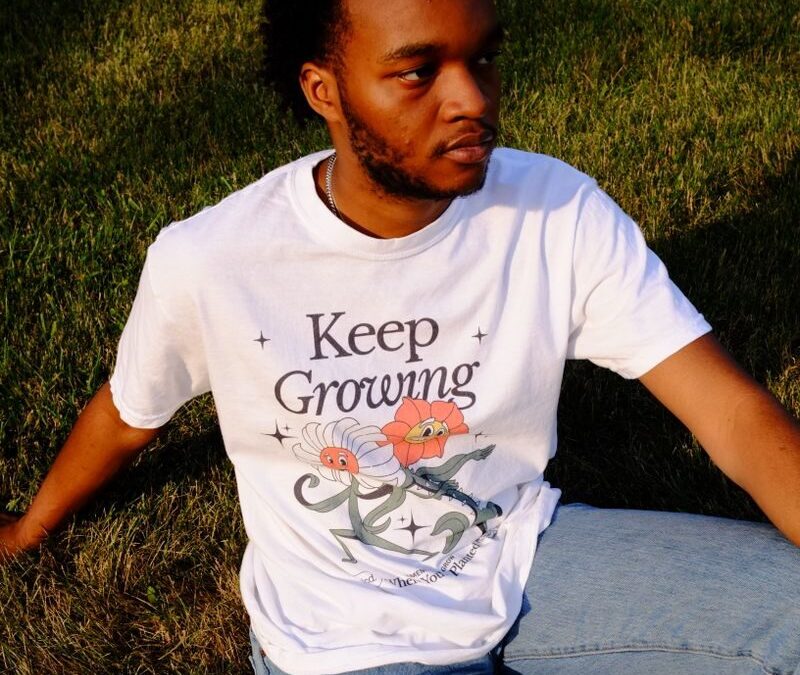
Photo by lhon karwan on Unsplash
What Are DTF Transfers?
DTF printing, or “Direct to Film” printing, is a digital decoration method where a design is printed directly onto a special clear film rather than directly onto a garment. Once the ink is laid down, a unique adhesive powder is applied to the wet ink. The film is then passed through a curing oven, which melts the powder and binds it to the ink, creating a ready to press transfer. Finally, a standard heat press is used to apply the design from the film onto a t-shirt, hoodie, or bag.
This method stands out from older technologies because it handles vibrant colors and incredibly fine details with ease. When printing custom DTF transfers, the printer lays down a layer of CMYK colors first, followed by a solid white ink layer on top. This white base acts as a foundation, ensuring color accuracy and supreme opacity, even when pressed onto pitch-black garments.
The resulting prints offer a remarkably soft feel on the fabric, maintaining high stretchability and durability. Unlike older heat press transfers that feel like stiff plastic, premium DTF transfers bend and flex with the garment.
To understand more about the chemistry behind the polyethylene terephthalate (PET) films used in this process, you can read this overview of PET plastics by the American Chemistry Council.
How DTF Transfers Work (Step-by-Step)
The direct to film transfers process is straightforward, making it highly accessible for both beginners and seasoned print shops. Here is the step-by-step breakdown.
Step 1: Create or Upload Artwork
Great prints start with great artwork. You must design or export your graphic as a high-resolution PNG file with a transparent background. Background removal ensures that only your design prints, without any unwanted white or colored boxes around it. High-resolution artwork (at least 300 DPI) ensures crisp edges and vibrant colors. If you need help preparing your files, check out Adobe’s guide to transparent PNGs.
Internal link opportunity: “How to Prepare DTF Artwork”
Step 2: Print Onto Transfer Film
The artwork is loaded into a raster image processor (RIP) software and sent to a specialized DTF printer. These machines use specially formulated DTF inks. The printer first prints the CMYK (cyan, magenta, yellow, and black) layers, capturing the image’s gradients and colors. Immediately over that, the printer applies a solid layer of white ink.
Step 3: Apply Adhesive Powder
While the ink is still wet on the PET film, a specialized thermoplastic polyurethane (TPU) adhesive powder is coated over the design. This powder acts as the bonding agent that will eventually stick the ink to your garment fibers. Any excess powder is shaken off, leaving adhesive only on the printed areas.
Step 4: Cure the Transfer
The powdered film is then run through a curing oven or placed under a hovering heat press. The heat melts the adhesive powder evenly, binding it securely to the ink layer. Once cured, the dtf gang sheets or individual graphics become ready to press transfers. They can be applied immediately or stored away for months.
Step 5: Heat Press the Design
To apply the transfer, place your garment on a heat press, position the transfer film ink-side down, and press. Typical heat press settings hover around 300°F to 320°F for about 10 to 15 seconds with heavy pressure. Depending on the film type, you will then peel the clear carrier sheet away either immediately (hot peel) or after it cools down (cold peel).
Internal link opportunity: “Best Heat Press Settings for DTF Transfers”
Internal link opportunity: “What Is a Gang Sheet?”
Benefits of DTF Transfers
Why is the custom apparel industry switching to DTF heat transfers in droves? The benefits directly impact workflow, costs, and product quality.
Full-Color Printing Without Limits
With DTF printing, you can achieve full-color transfers with unlimited colors, photographic details, and smooth gradients. Traditional methods limit the number of colors you can use due to screen setup costs. DTF has zero screen setup fees, meaning a one-color logo costs the same to print as a highly detailed, 50-color illustration. If you want to dive deeper into how digital color rendering works, read Pantone’s explanation of CMYK vs RGB.
Works on Almost Any Fabric
Many digital printing methods struggle with synthetic fabrics. DTF heat transfers, however, bond beautifully to a massive variety of substrates. You can easily press them onto 100% cotton, polyester, tri-blends, canvas, denim, nylon, and performance wear.
Low Minimum Orders
Because the setup is entirely digital, decorators can print exactly what they need. This makes low minimum orders—or even single one-offs—highly profitable. It is an ideal setup for small businesses, startups, and custom apparel shops dealing with short runs.
Fast Turnaround Times
Skipping the screen burning and mixing of physical inks results in lightning-fast turnaround times. Printing gang sheets allows decorators to fit multiple designs onto a single roll of film, maximizing efficiency. Reordering a single damaged shirt takes minutes rather than hours.
Durable and Wash Resistant High Quality transfers
When pressed properly, high quality DTF transfers are incredibly long-lasting. The TPU adhesive creates a strong bond with the fabric that is stretch-friendly, crack-resistant, and wash-resistant.
DTF Transfers vs Other Printing Methods
Understanding how DTF stacks up against traditional apparel printing technologies helps you choose the right method for your specific project.
DTF vs Screen Printing
Screen printing remains the king of massive bulk orders. However, DTF transfers beat screen printing on small to medium runs. Screen printing requires color setup, physical screens, and longer prep time. DTF offers unlimited colors, no screens, and instant setup, making it vastly superior for diverse, short-run custom apparel.
DTF vs DTG Printing
Direct to Garment (DTG) printing applies ink directly into the fibers of a shirt. While DTG provides an exceptionally soft feel on light cotton, it struggles with polyester and dark synthetic blends. DTF works on significantly more fabrics than DTG. Furthermore, DTF transfers can be printed and stored for later use, whereas DTG requires the physical garment to be present at the time of printing.
DTF vs Sublimation Transfers
Sublimation dyes the actual fibers of the garment, resulting in a zero-feel print. However, sublimation only works on light-colored, 100% polyester materials. DTF transfers have absolutely no fabric restrictions and look brilliant on dark garments.
Who Uses DTF Transfers?
The versatility of ready to press transfers appeals to a wide variety of users across the apparel printing industry.
Small Businesses & Apparel Brands
Entrepreneurs launching clothing lines use DTF to test new designs without holding massive inventory. They can execute limited product drops quickly. If you are considering starting a brand, check out Shopify’s guide on starting a clothing line.
Print Shops
Large print shops use custom DTF transfers to outsource complex, high-color jobs that would be a nightmare to screen print. It allows them to scale production faster and say “yes” to smaller orders they previously had to reject.
Event & Fundraiser DTF Printing
Coordinators for sports teams, school events, and corporate retreats love the fast turnaround. Because you can put different names and numbers on a single gang sheet, it is highly efficient for team rosters.
DIY Creators & Hobbyists
Crafters running Etsy shops from their living rooms rely on DTF heat transfers. All you need is a commercial heat press to turn premium DTF transfers into professional quality results from home.
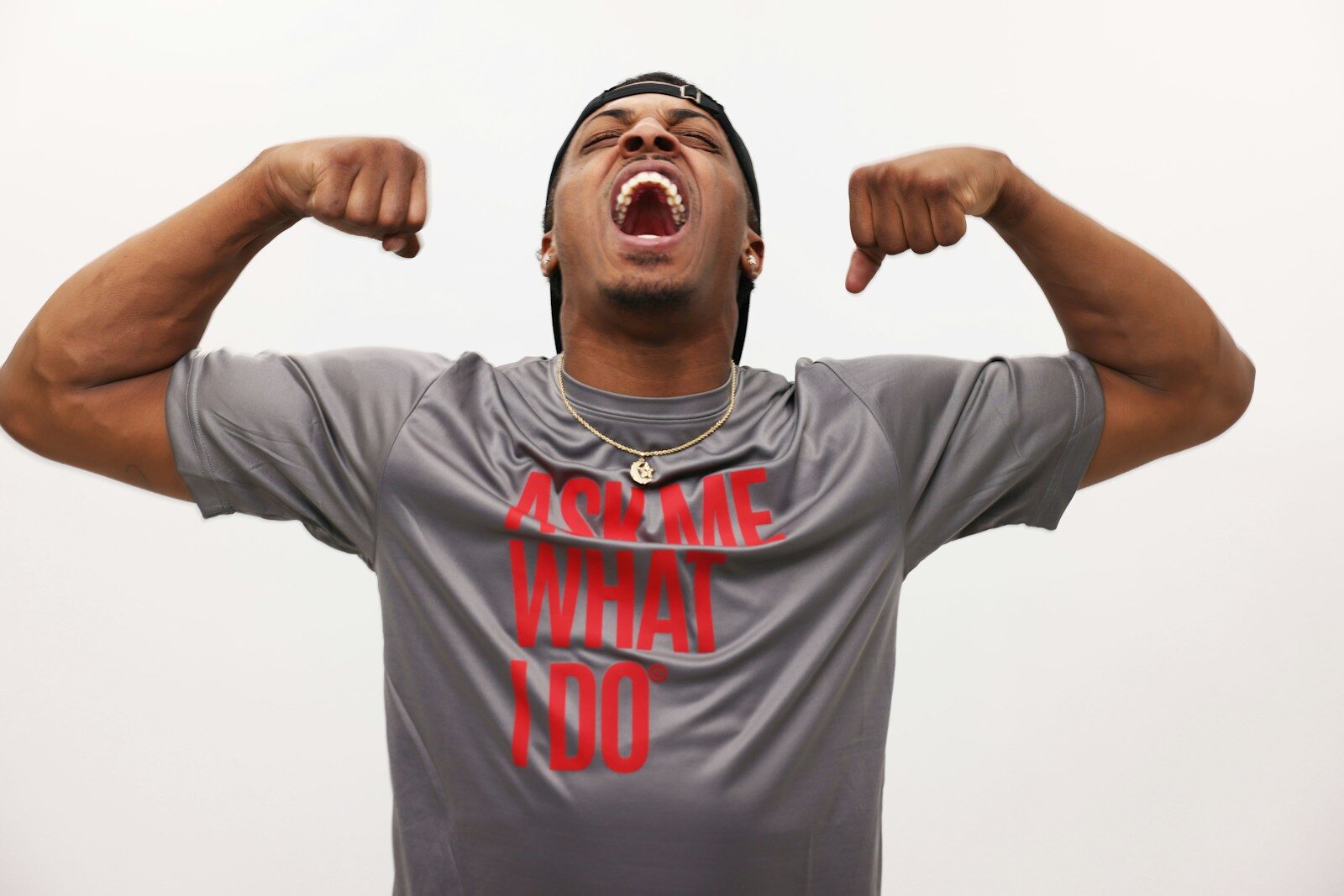
Photo by Corey Watson on Unsplash
What Makes a High-Quality DTF Transfer?
Not all transfers are created equal. Achieving professional quality results requires top-tier materials and strict quality control.
Important Quality Factors
Premium DTF transfers require high-quality textile ink, properly coated release film, and consistent adhesive powder application. Proper curing is also essential; if the powder is under-cured, the design won’t stick, and if it is over-cured, the adhesive loses its bonding strength. Furthermore, advanced printing setups utilize expanded color gamuts (like adding RGBO to the CMYK mix) for accurate color profiles.
Signs of a Poor Transfer
If you purchase cheap transfers from an unreliable provider, you will likely experience cracking, dull colors, or peeling after just a few washes. You might also notice a messy, excess adhesive residue around the edges of the design, which creates an ugly halo effect on the garment.
How to Apply DTF Transfers Correctly
Application is just as important as the printing process itself. Following best practices ensures wash resistant, durable garments.
Basic Heat Press Tips
Always pre-press your garment for a few seconds to remove moisture and wrinkles. Place the transfer on the garment, apply firm, heavy pressure, and press at the recommended time and temperature. If using a cold peel film, wait until the garment is entirely cool to the touch before peeling. Always finish with a quick 5-second final press using a Teflon sheet or parchment paper to seal the edges. To understand safety standards regarding heat press equipment, view OSHA’s general machine safety guidelines.
Common Mistakes to Avoid
Most application failures come from user error. Using uneven pressure (often due to seams or collars getting in the way) prevents the adhesive from bonding. Incorrect temperatures can scorch the fabric or fail to melt the adhesive. Finally, always ensure your source file is high resolution; a blurry file will always result in a blurry print.
Frequently Asked Questions About DTF Transfers
What does DTF stand for?
DTF stands for Direct to Film. It refers to the process of printing water-based inks onto a special release film, applying adhesive powder, and heat pressing it onto a garment.
Are DTF transfers durable?
Yes, high quality DTF transfers are incredibly durable. They are highly stretchable, crack-resistant, and wash resistant, often outlasting the garment itself when applied and washed correctly.
Can DTF transfers go on cotton?
Absolutely. Unlike sublimation, which only works on polyester, DTF transfers bond perfectly to 100% cotton garments. Learn more about the properties of cotton via Cotton Incorporated.
Do I need special DTF printers?
Yes. Creating custom DTF transfers requires a dedicated DTF printer equipped with specialized printheads that can handle thick white textile ink and print on PET film.
Can I use a home iron?
It is highly discouraged. DTF heat transfers require firm, even, and heavy pressure, along with consistent heat distribution. A home iron cannot provide the pressure needed to drive the adhesive into the fabric fibers.
What temperature should I press DTF transfers?
While temperatures vary slightly by manufacturer, most DTF transfers press between 300°F and 320°F for 10 to 15 seconds. Always follow your specific transfer provider’s instructions.
Are custom DTF transfers better than screen printing?
They serve different purposes. DTF is better for full-color designs, complex gradients, and small batch orders. Screen printing is generally better and more cost-effective for large bulk orders featuring one or two solid colors.
How long do DTF transfers last?
When kept in a climate-controlled, dry environment, ready to press transfers can be stored for up to 12 months before applying them to a garment.
Can DTF transfers crack or peel?
Properly applied premium DTF transfers should not crack or peel. If peeling occurs, it is usually due to insufficient heat press pressure, incorrect pressing temperature, or moisture in the garment.
What fabrics work best with DTF?
DTF is highly versatile. It works wonderfully on cotton, polyester, tri-blends, canvas, denim, nylon, and spandex.
How to Choose the Best DTF Transfer Provider
Finding a reliable transfer partner is the key to scaling your apparel printing business. When shopping for custom DTF transfers by size, look for a provider that offers high-resolution printing and consistent color accuracy. You want a transfer company that provides an easy gang sheet builder, no minimum orders, and incredibly fast shipping times. Responsive customer support is also vital when you run into pressing issues or tight deadlines.
At Limitless Transfers, we pride ourselves on providing the best high quality, true hot peel DTF transfers on the market. We use expanded gamut CMYK+RGBO+W printing to ensure unmatched color accuracy, fine detail, and vibrancy. With no setup fees, fast turnaround times, and a beginner-friendly ordering process, we make scaling your business effortless. We even offer free UPS Ground and $10 flat rate 2nd Day Air on orders over $50, making our award-winning, USA-based production accessible for shops of all sizes.
Elevate Your Custom DTF Apparel Game
Direct to film transfers have leveled the playing field for apparel decorators. The process is incredibly versatile, surprisingly beginner-friendly, and cost-effective for both massive production runs and small custom orders. Whether you are a large print shop looking to expand your capabilities, or a DIY creator operating out of a garage, DTF offers an excellent option for vibrant, durable apparel decoration.
Ready to streamline your printing process? Try out our easy gang sheet builder, upload your artwork, and order some sample transfers today to feel the Limitless difference. Contact our team if you need help getting started on your next big apparel project!