Direct to film (DTF) printing is a modern digital transfer technique that transfers full-color designs onto almost any fabric using PET film, CMYK+white ink, and hot-melt adhesive powder. It beats most traditional methods for flexibility, fine detail, and small-to-medium-batch orders, while screen printing still wins on very large runs. For most small businesses, DTF offers the best mix of quality, speed, and cost.
Choosing the right printing technique shapes everything about your finished product—the quality, the cost, how fast you can fill orders, and whether your customers come back for more. Pick the wrong method, and you could lose money on setup fees or end up with prints that crack after a few washes.
The trouble is, there are so many options. Screen printing, vinyl, sublimation, DTG, and direct to film all have their fans. Each one shines in certain situations and falls flat in others. If you’ve ever felt stuck trying to figure out which one fits your business, you’re not alone.
Direct to film printing has quickly become one of the fastest-growing solutions for apparel decorators, creators, and print shops. It’s flexible, vibrant, and surprisingly easy to use. But is it always the right call?
This guide breaks down how DTF works, how it stacks up against traditional methods, and exactly when each option makes the most sense. By the end, you’ll know which printing process fits your projects, your budget, and your goals.
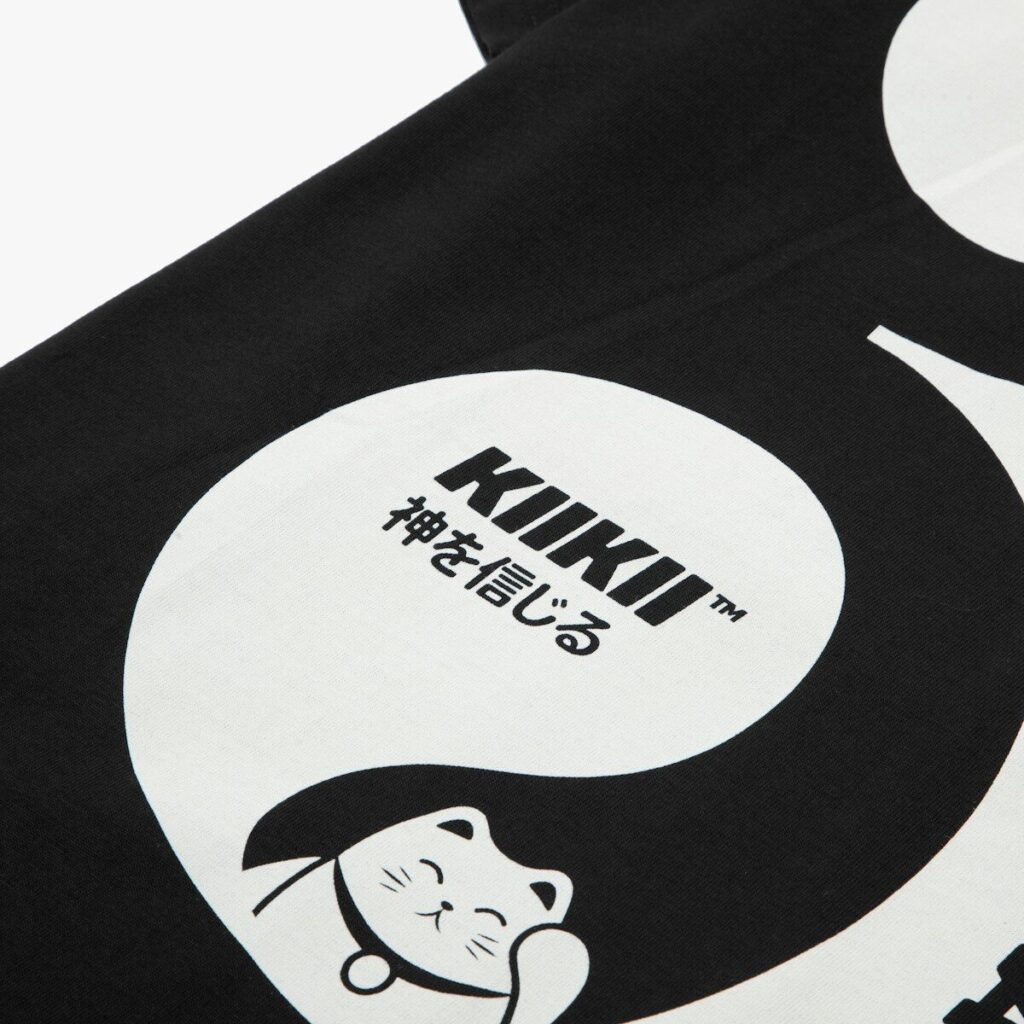
Photo by Alex Haigh on Unsplash
What Is Direct to Film Printing?
Direct to film printing is a modern digital transfer technique where artwork is printed onto a special film, coated with adhesive, cured, and then heat-pressed onto a garment. The result is a vivid, durable design that works on a huge range of materials—from cotton and polyester to nylon, blends, and beyond.
Understanding the Direct to Film (DTF) Printing Process
DTF printing starts with your artwork. The design is printed onto a special PET (polyethylene terephthalate) film using CMYK+W inks—that’s the standard four colors plus white. The white ink layer is key. It acts as a base that makes colors pop, even on dark fabrics.
After printing, a layer of hot-melt adhesive powder is applied directly to the wet ink while it’s still on the film. This powder is what bonds the design to the fabric later on. The film then gets cured with heat, which melts the powder and locks it to the printed design. Finally, the cured film is placed on the garment and pressed with a heat press—typically at 160–170 °C for 10–15 seconds. Once pressed (and peeled hot for true hot-peel transfers), the design is locked in.
DTF printers themselves require a white ink circulation system to keep the white ink flowing and prevent it from settling and clogging the print heads. Regular maintenance is essential—without it, you’ll run into ink clogging issues that affect print quality. It’s also worth noting that DTF printing can be performed on modified direct-to-garment (DTG) devices, making it accessible to shops that already have DTG equipment.
If you want a deeper technical breakdown, Printful’s guide to printing methods offers a helpful overview of how DTF compares to other techniques.
Why DTF Transfers Have Become So Popular
DTF has earned a loyal following, and for good reason:
- Full-color designs: You can print vivid, multi-color artwork without extra setup for each color.
- Excellent detail: Fine lines, small text, intricate graphics, and smooth gradients reproduce cleanly.
- Material flexibility: It works on cotton, polyester, blends, nylon, canvas, leather, and many more—including hard-to-reach areas on garments.
- No pre-treatment required: Unlike DTG, DTF doesn’t need any fabric pre-treatment before pressing.
- Scalability: It suits both one-off custom orders and small-to-medium production runs, often completing jobs faster than many traditional methods.
That combination of quality and versatility is rare. Most traditional methods force you to choose between detail and flexibility. DTF gives you both.
Key Components Used in the DTF Printing Process
Several pieces work together to create a quality transfer:
- PET film: The carrier that holds your printed design.
- CMYK+W inks: The ink set that produces vibrant, full-color output with a solid white base.
- Hot-melt adhesive powder: Applied to wet ink before curing, this is the bonding agent that fuses the design to fabric.
- Heat press: The tool that transfers the design with heat and pressure—set to 160–170 °C for 10–15 seconds.
- White ink circulation system: Keeps white ink flowing properly inside the DTF printer.
Get these elements right, and you’ll produce prints that look professional and hold up wash after wash.
A Note on DTF and the Environment
DTF is a powerful technology, but it’s worth being aware of its environmental footprint. DTF printing relies on non-biodegradable PET films and chemical-heavy inks. If sustainability is a priority for your business, it’s something to factor into your overall production decisions and waste management practices.
How DTF Compares to Traditional Methods
Every printing method has strengths. To choose wisely, you need to know how DTF measures up against the methods you already know.
Direct to Film vs Screen Printing
Screen printing has been the industry standard for decades. It involves creating a separate stencil (or screen) for each color in a design, then pushing ink through those screens onto the garment.
That setup process is where the costs add up. Each color means another screen, another setup fee, and more labor. For large orders of the same design, those costs spread out and become cheap per unit. That’s why screen printing still rules high-volume jobs.
DTF flips the script for smaller runs. There are no screens to create and no per-color setup costs. You can print one shirt or a hundred without changing your cost structure much. DTF also handles full-color and photographic designs with ease—including smooth gradients—while screen printing struggles with complex artwork. For turnaround, DTF often wins on small batches and design variations.
Choose screen printing if you’re running hundreds of identical, simple designs. Choose DTF if you need flexibility, color, or smaller quantities.
Direct to Film vs Vinyl Transfers
Heat transfer vinyl (HTV) works by cutting designs out of colored vinyl sheets, weeding away the excess, and pressing the remaining shapes onto fabric.
Vinyl is durable, but it has real limits. Each color is a separate layer, which makes detailed or multi-color designs slow and frustrating to produce. Vinyl also sits on top of the fabric, creating a thicker, heavier feel. DTF transfers feel softer and lighter than stacked vinyl. They reproduce fine detail and full-color artwork—including gradients and intricate graphics—that vinyl simply can’t match in a single pass. For production speed, DTF pulls ahead when designs get complex—no weeding required.
Choose vinyl if you’re making simple, single-color text or shapes. Choose DTF if your designs involve color, detail, or photographs.
Direct to Film vs Sublimation
Sublimation uses heat to turn dye into a gas, which then bonds directly with polyester fibers. The result is a print that becomes part of the fabric—no texture, no weight, no cracking.
The catch is material. Sublimation only works well on polyester and light-colored fabrics. Try it on cotton, and the design won’t stick. This makes sublimation fantastic for polyester sportswear, mugs, and hard goods, but it’s a poor fit for the cotton tees many businesses rely on.
DTF wins on versatility. It prints on cotton, polyester, blends, nylon, and dozens of other materials—light or dark. It’s also effective on hard-to-reach areas of garments where other methods fall short. The Association for Print Technologies is a solid resource for understanding where each digital method fits in a modern shop.
Choose sublimation if you work mostly with white or light polyester. Choose DTF if you need to print on a wide range of fabrics and colors.
Direct to Film vs DTG Printing
Direct to garment (DTG) printing works like an inkjet printer for shirts, spraying ink directly onto the fabric. It produces soft, detailed prints, especially on cotton.
But DTG comes with baggage. The printers are expensive, and they demand constant maintenance to prevent clogged print heads. DTG also requires fabric pre-treatment before printing, and it performs best on cotton—struggling with synthetic blends, dark polyester, and other specialty materials.
DTF, by contrast, requires no pre-treatment, suits on-demand production beautifully, and works across a wider variety of materials than DTG—including polyester blends, nylon, and hard-to-reach garment areas. You can store transfers and press them whenever an order comes in. Color vibrancy stays strong across a much broader range of garments. While DTF printers also require maintenance (particularly for the white ink circulation system), the overall material compatibility and fulfillment flexibility give DTF a clear edge for many shops. The FESPA industry association publishes plenty of insight on digital textile trends if you want to dig deeper.
Choose DTG if you print primarily on cotton and want an ultra-soft feel. Choose DTF if you need broader garment compatibility, no pre-treatment, and easy on-demand fulfillment.

Photo by Patience Viljoen on Pexels
When Direct to Film Is the Better Choice
DTF isn’t always the answer, but it’s the best fit in more situations than most people expect. Here’s when it really shines.
When You Need Full Color Designs With Fine Detail
If your work involves complex artwork, photographic images, multi-color logos, smooth gradients, or intricate graphics with small text, DTF delivers. It captures detail that vinyl and screen printing often miss, with no extra cost per color.
When You Print on Multiple Materials
DTF doesn’t care much about fabric type. It works on cotton apparel, polyester garments, tote bags, hats, promotional products, specialty materials, and even hard-to-reach areas on garments. If your product line spans different items, one method covers them all—without any pre-treatment step.
When You Need Fast Turnaround Times
Tight deadlines are where DTF earns its keep. It’s faster than many traditional printing methods, making it ideal for last-minute orders, event merchandise, school apparel, fundraisers, and e-commerce fulfillment. For more on managing rush jobs, Printavo’s blog shares practical tips for print shop workflow.
When Cost Efficiency Matters
DTF keeps costs low for several reasons: no physical screen setup costs, no minimum order requirements, and less material waste than many alternatives. That makes it a smart choice for startups and growing businesses watching every dollar.
Why We Recommend DTF Transfers for Most Small Businesses
For most small businesses, DTF hits the sweet spot. It’s most effective for small to medium-sized print runs, scales with your growth, applies easily with a heat press, and delivers consistent, professional results—without forcing you to invest in expensive printing equipment. You get the quality of a big operation without the big-operation overhead.
Common Misconceptions About DTF
DTF has a few myths floating around. Let’s clear them up.
“DTF Doesn’t Last as Long”
This usually comes down to application, not the technology. When you press at the correct temperature (160–170 °C for 10–15 seconds) and follow proper washing practices—turning garments inside out and avoiding harsh heat—quality DTF transfers hold up through dozens of washes. Done right, durability is excellent.
“DTF Only Works on Certain Fabrics”
Quite the opposite. DTF works across cotton, polyester, blends, nylon, leather, canvas, denim, and more—even on hard-to-reach areas of garments. That broad compatibility is one of its biggest advantages over methods like sublimation or DTG, which have much narrower material ranges.
“DTF Transfers Feel Heavy or Plasticky”
DTF prints do have a slight, plastic-like texture compared to DTG, and large solid-color areas can feel somewhat heavier on the garment. That said, modern soft-hand technology has dramatically improved the feel. Quality manufacturing produces transfers that feel light and flexible—especially on detailed designs rather than large filled areas. The better the supplier, the better the feel.
“The Process Is Too Complicated”
Pressing a DTF transfer is genuinely simple. With clear instructions and a heat press set to the right temperature, most people get great results on their first try. User-friendly ordering tools and gang sheet builders make the design and ordering side easy too—no advanced software needed.
Artwork Prep Guide: Setting Up Your Files for DTF
Getting your artwork right before you submit saves time and ensures the best possible print quality. Follow these guidelines for clean, press-ready files:
- Use a PDF or PNG file with a transparent background. A clean transparent background ensures your design transfers precisely without any unwanted color fill or background bleed.
- Submit artwork at the exact size you want printed. Don’t rely on scaling at the print stage—what you submit is what you get, so size it correctly upfront.
- Convert all text to outlines before submission. This prevents font substitution issues and keeps your typography looking exactly as you designed it.
- Use at least 300 DPI for high-resolution prints. Lower resolution files will appear blurry or pixelated when pressed. For sharp, professional results, 300 DPI is the minimum.
- Avoid semi-transparencies in your artwork. Semi-transparent elements can cause color inconsistencies in DTF printing. Use solid colors and fully opaque layers for the cleanest output.
Taking a few minutes to prep your files correctly makes a real difference in the final print. When in doubt, our team at Limitless Transfers is always available to help you get it right.
Pro Tips for Choosing the Right Print Method
Still weighing your options? Run through these five factors before you commit.
Consider Your Order Size
Small orders favor DTF, vinyl, or DTG. Medium production runs often suit DTF nicely—it’s where DTF’s speed and cost efficiency really shine. Large-scale production of identical designs may tip toward screen printing for the lowest per-unit cost.
Evaluate Your Design Complexity
Simple one-color logos work with almost any method. But detailed artwork, photographic images, smooth gradients, and full-color graphics call for DTF or DTG, which handle complexity without extra setup.
Think About Your Fabric Types
Cotton opens the door to nearly every method. Polyester and blends push you toward DTF or sublimation. Specialty materials, nylon, and hard-to-reach garment areas are where DTF’s versatility really pays off—it works where many other methods simply can’t.
Compare Total Production Costs
Look past the sticker price. Factor in setup fees, equipment costs, maintenance, labor, and material expenses. A method that looks cheap per print may cost more once you add it all up—especially for small runs. DTF’s lack of screen setup costs makes it especially competitive at lower quantities.
Focus on Your Long-Term Business Goals
Think about where you’re headed. If scalability, consistency, speed, and customer satisfaction sit at the top of your list, choose a method that grows with you. For many businesses, that means DTF.

Making the Right Call for Your Printing Needs
Direct to film printing brings a rare blend of strengths to the table: full-color detail, smooth gradients, fine detail, broad fabric compatibility—including materials DTG can’t handle—fast turnaround, and zero screen setup costs. It requires no fabric pre-treatment, works on hard-to-reach garment areas, and is faster than most traditional methods for small to medium runs. It outperforms vinyl on detail, beats sublimation on versatility, and offers more garment flexibility than DTG.
There are a few honest trade-offs to keep in mind: DTF prints may have a slight plastic-like texture, large solid-color areas can feel slightly heavier, the printers require ongoing maintenance (especially for the white ink circulation system), and the use of non-biodegradable PET films and chemical-heavy inks is worth considering if sustainability matters to your brand.
That said, traditional methods still have their place. Screen printing remains the king of high-volume runs. Sublimation produces unbeatable, no-feel prints on polyester. DTG delivers a soft hand on cotton. The right choice always depends on your specific project, budget, and production goals.
For a huge number of businesses—especially startups, e-commerce sellers, and growing print shops—DTF offers unmatched flexibility, quality, and convenience.
At Limitless Transfers, we help customers achieve professional results with award-winning hot-peel DTF transfers, same-day shipping on orders placed by noon EST, and easy ordering options like our gang sheet builder. Whether you’re filling your first order or scaling to thousands, we make it simple to press profit. Ready to see the difference quality transfers make? Start an order today.
Frequently Asked Questions
What does “direct to film” mean?
Direct to film is a modern digital transfer technique where artwork is printed onto a special PET film using CMYK+W inks. While the ink is still wet, hot-melt adhesive powder is applied and the film is cured with heat, locking the design in place. The cured printed film is then heat-pressed onto the garment—typically at 160–170 °C for 10–15 seconds—resulting in a vibrant, durable design that bonds to a wide range of fabrics without any pre-treatment.
How long do DTF transfers last?
Quality DTF transfers can withstand 50 or more washes when applied and cared for correctly. Press at the recommended temperature settings, wash garments inside out in cold water, and skip high-heat drying. With proper application and washing, DTF prints resist cracking, fading, and peeling for the life of the color garment.
Is DTF better than vinyl?
For full-color or detailed designs, yes. DTF transfers feel softer, reproduce fine detail and smooth gradients, and handle multi-color and photographic artwork in a single pass—no weeding or layering required. Vinyl still works well for simple, single-color text and shapes, but DTF offers far more versatility for complex designs and a broader range of materials.
What is better, DTG or DTF?
It depends on your needs. DTG produces an ultra-soft feel and excels on cotton, but the printers are costly, require regular maintenance, and need fabric pre-treatment before each print. DTF requires no pre-treatment, works across a wider variety of materials than DTG—including polyester blends, nylon, and hard-to-reach garment areas—and suits on-demand production since you can store transfers and press them as orders arrive. For garment flexibility and easy fulfillment, DTF often provides the edge.
Does DTF printing require any special artwork setup?
Yes—a little prep goes a long way. Submit your file as a PDF or PNG with a transparent background, sized at exactly the dimensions you want printed. Make sure your artwork is at least 300 DPI, convert all text to outlines, and avoid semi-transparencies. These steps ensure your transfer prints cleanly and looks exactly as you intended.
Are there any environmental concerns with DTF printing?
DTF printing uses non-biodegradable PET films and chemical-heavy inks, which are worth factoring into your production process if sustainability is a priority for your business. Proper disposal of used films and inks, along with mindful production practices, can help reduce your overall environmental impact