Custom DTF transfers (Direct-to-Film transfers) are heat-applied printed designs that bond to fabric and other materials using a heat press. They offer full-color printing, no minimum orders, fast turnaround, and compatibility with nearly any material — making them the go-to production method for small businesses, print shops, e-commerce sellers, and DIY creators.
The custom apparel industry is growing at a pace that traditional printing methods simply can’t keep up with. Screen printing requires setup fees, color separations, and minimum order quantities. Embroidery limits fine detail. Heat transfer vinyl demands painstaking weeding for every design. And DTG (Direct-to-Garment) printing ties you to a machine that demands constant maintenance and works poorly on polyester.
Custom DTF transfers cut through all of that. No setup fees. No minimums. Full-color prints that adhere to nearly any fabric or surface — light or dark. That’s why creators, small business owners, Etsy sellers, print shops, and established apparel brands are switching — fast.
According to Grand View Research, the global decorated apparel market was valued at $28.98 billion in 2023 and is projected to reach $68.17 billion by 2030. A separate report from Straits Research projects the market will grow at a CAGR of 12.9% through 2034. Custom DTF transfers are a primary driver of that growth — democratizing professional-grade apparel decoration for businesses and hobbyists alike.
This guide covers everything you need to know: what custom DTF transfers are, how they work, how to order and apply them, and why Limitless Transfers has earned back-to-back first-place awards for DTF quality in 2024 and 2025.
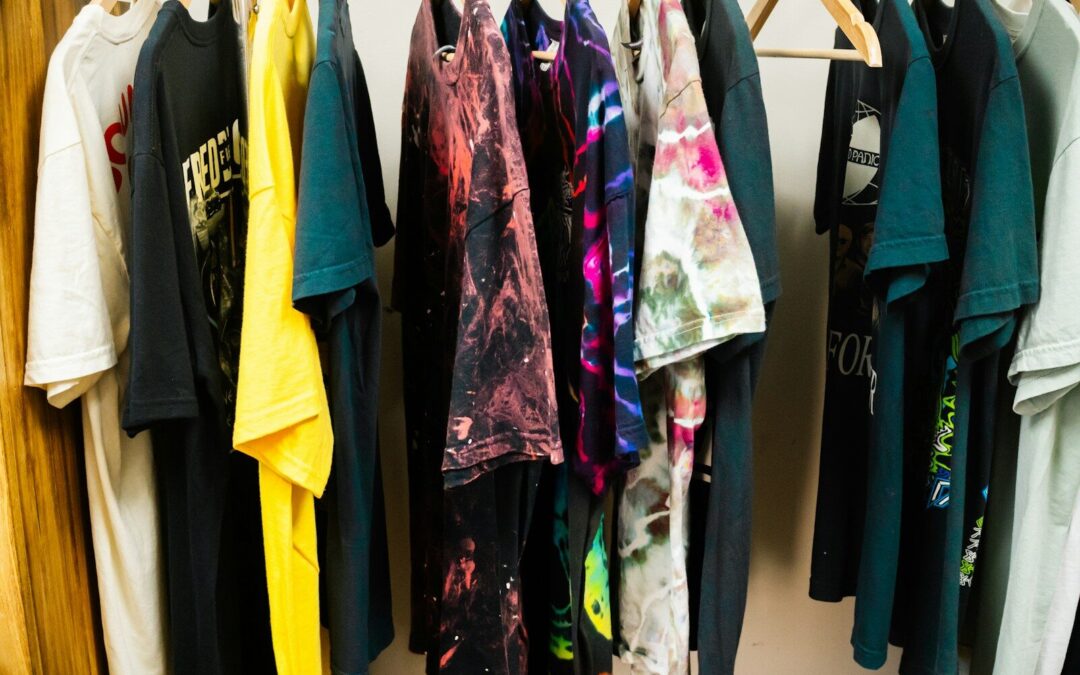
Photo by CHUTTERSNAP on Unsplash
What Are Custom DTF (Direct to Film) Transfers?
Custom DTF transfers — short for Direct-to-Film transfers — are a modern heat-transfer technology that produces full-color printed designs on a special PET (polyester) film using advanced inkjet printing. Here’s exactly how it works:
- A design is printed onto PET transfer film using specialized CMYK+W inks — cyan, magenta, yellow, and black, plus a white ink underbase that allows vibrant colors to pop on dark fabrics.
- Hot-melt adhesive powder is applied to the wet ink and cured with heat, creating a bond-ready coating.
- The finished, ready-to-press transfer ships directly to you from the printing service.
- You press it onto your garment or surface using a heat press or home iron, then peel the film while warm.
That white ink underbase is what sets DTF apart when it comes to dark garments. Unlike sublimation — which only works on light-colored, high-polyester fabrics — DTF transfers work on both light and dark fabrics and across cotton, polyester, and blends with equal vibrancy. No fabric restrictions. Full color, every time.
What else makes DTF stand apart? Unlike screen printing, it doesn’t require separate stencils or expensive setup for each color — a full-color design prints as a single image with no setup costs. Unlike vinyl, there’s no weeding or masking required at any point in the process. Designs with fine lines, gradients, intricate details, and even photorealistic imagery print vibrant and cleanly every time, without the setup complexity of traditional methods.
The result is a premium quality transfer with a soft-hand feel that looks and feels like part of the garment — not something stuck on top of it.
Why Custom DTF Transfers Are the Future of Personalized Merchandise
Personalization is no longer a niche offering — it’s an expectation. According to Data Bridge Market Research, the global personalized gifts market was valued at $33.70 billion in 2025 and is projected to reach $69.20 billion by 2033. The US market alone is expected to grow by $5.27 billion at a CAGR of 9.9% from 2024 to 2029, according to Technavio.
Consumers want products made for them — not mass-produced for everyone. That shift has opened enormous opportunities for:
- Etsy and Shopify sellers offering custom t-shirts, tote bags, and branded merchandise
- Sports teams and schools ordering custom uniforms and spirit wear
- Corporate brands creating promotional products and event apparel
- Influencers and content creators launching signature merch drops
- Fundraising organizations producing limited-run apparel campaigns
- Small businesses building brand identity through custom apparel
Custom DTF transfers make all of this possible without the traditional barriers. A single design can be tested before committing to a large run. A creator can launch 10 shirts without paying for 100. A print shop can expand its offerings without purchasing a second printer. And because orders are fulfilled digitally, custom orders can be produced and shipped quickly — making on-demand production a realistic business model for sellers of any size.
One especially powerful advantage: because transfers arrive ready to press, businesses can apply them only as orders come in. That means no pre-decorated inventory sitting on shelves, no waste from unsold stock, and tighter, more efficient inventory management overall.
That scalability — from a one-off personalized gift to a 500-piece corporate order — is what makes DTF transfers the production method that fits practically every business model.
Premium DTF Transfers Make Small-Batch Production Easy
One of the most significant advantages custom DTF transfers offer is the ability to produce small quantities at a professional level. Traditional decoration methods like screen printing typically require minimum order quantities to justify setup costs — often 24 pieces or more per design. For new apparel brands, event organizers, or anyone testing a new design, that’s a real problem. DTF eliminates those high setup costs entirely.
Custom DTF transfers have no minimum order requirements. A single transfer is as attainable as a bulk order of thousands. And with no setup fees or art fees, the price you see is the price you pay.
This makes DTF transfers particularly valuable for:
- Startups and new apparel brands testing product-market fit
- Side hustlers building a business on a tight budget
- DIY creators who want to produce a few personalized items
- Event planners ordering custom merchandise for weddings, reunions, or fundraisers
- Anyone creating personalized gifts — single-piece orders are completely viable
- Limited-edition launches where exclusivity is the selling point
Screen printing excels for massive, identical runs where setup costs can be spread across thousands of units. Custom DTF transfers are the smarter choice whenever quantity is low, designs are complex, or timelines are tight — which describes the majority of real-world custom apparel projects.
What Are DTF Gang Sheets — and How Do They Save You Money?
A gang sheet is a single transfer film sheet packed with multiple designs arranged side by side. Instead of ordering each design separately, you (or an online builder tool) nest multiple prints onto one sheet to maximize material usage and reduce cost per transfer. Think of it as fitting as many designs as possible onto a single canvas — paying for one sheet rather than ordering each design individually.
Gang sheets are one of the most cost-effective ordering formats in DTF printing. Here’s why they matter:
- Lower cost per print: Filling a sheet completely means you’re not paying for unused film space.
- Multiple designs in one order: Arrange multiple designs, test different logo sizes, alternate colorways on same sheet.
- Batch production efficiency: Press different transfers for different products all from a single sheet.
- Ideal for small businesses: Order everything you need for a week or month of production in one economical purchase.
For example, a print shop might arrange logo transfers in three sizes, two design variations, and a set of name drops all on one gang sheet — paying for one sheet rather than six separate orders.
Limitless Transfers supports gang sheets up to 22″ × 240″ — giving you an enormous canvas for packing in multiple designs efficiently. Whether you upload your own pre-built gang sheet format file for the fastest checkout experience, or use the online gang sheet builder to arrange your designs from scratch, the ordering process is flexible and straightforward.
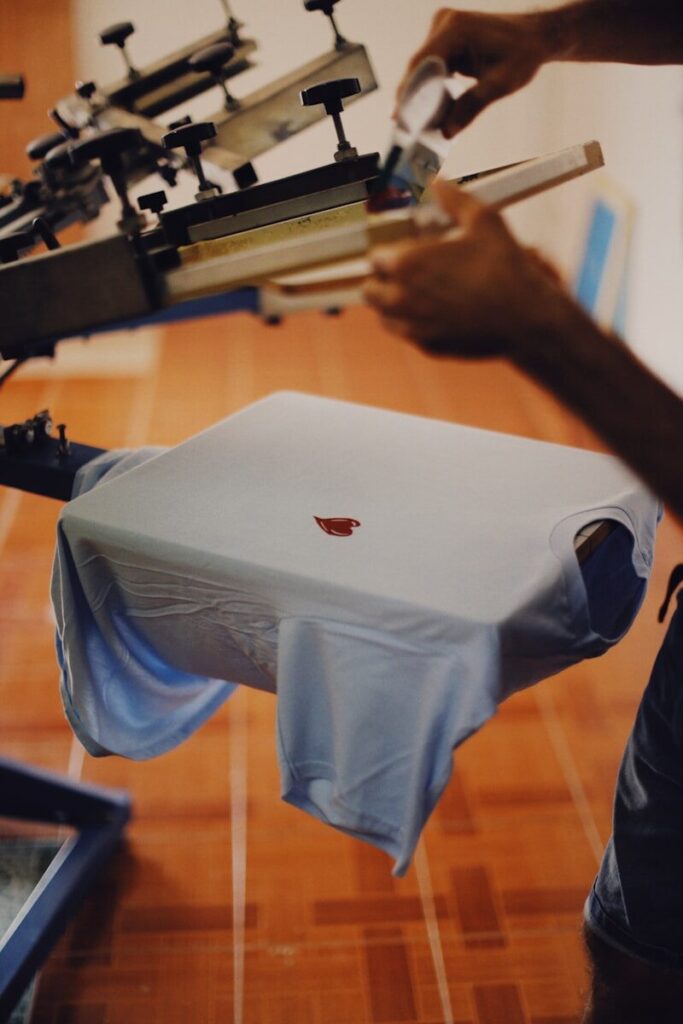
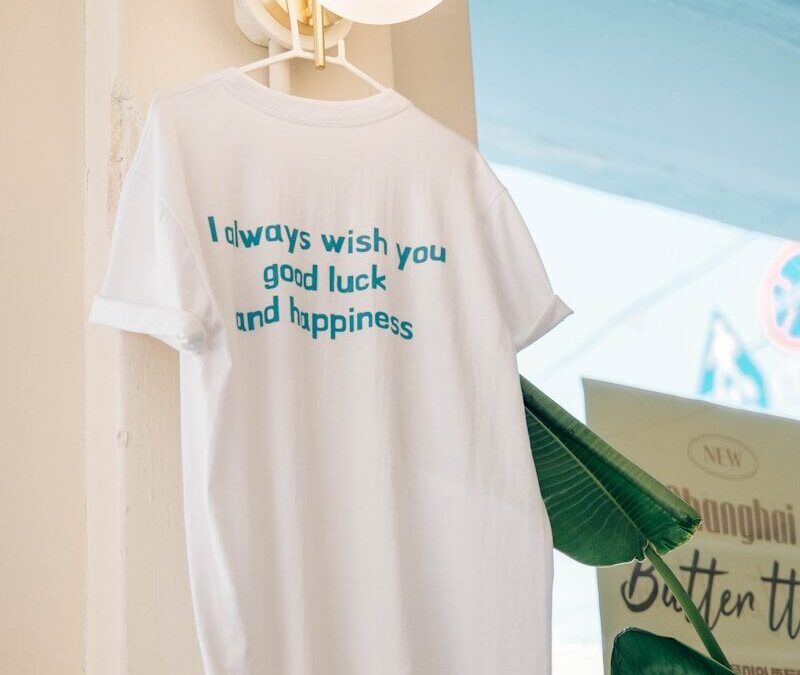
Photo by Alexey Demidov on Unsplash
How Easy Is It to Order Custom DTF Transfers Online?
Very easy — especially with Limitless Transfers. There are three ordering methods available, each suited to a different type of customer:
1. Gang Sheet Builder (Web Tool)
The gang sheet builder is a browser-based tool that lets you upload your PNG files and arrange them on a virtual sheet. You drag, drop, and resize designs until your sheet is exactly how you want it. No design software needed. This option is ideal for Cricut users, small business owners, and anyone who doesn’t have experience with professional layout programs.
2. Upload Your Own Gang Sheet File
For customers who already work in Photoshop, Illustrator, or another design program, you can upload a fully composed gang sheet as a PDF or PNG. Sheets should be 22.5 inches wide with CMYK color formatting for the most accurate color output. Uploading your own pre-built file is the fastest route to checkout — skip the builder and go straight to ordering.
3. Order by Size (Single Designs)
Upload a single PNG design and select from predefined transfer sizes. This option suits customers who need one design in a specific size without building a full gang sheet. It’s the simplest way to get a single, individual design printed and shipped.
All three methods require designs with transparent backgrounds for accurate results. PNG files with transparency preserve the edges of your design so the transfer blends seamlessly into any garment.
The ordering process is fast, and for most customers, the learning curve is minimal. As one Limitless Transfers customer put it: “Easy to upload image, shockingly fast turn-around, and the transfers were super easy to apply to cotton and poly shirts.”
Need it fast? Orders placed before 5 AM CT qualify for same-day printing — one of the fastest turnarounds available in the DTF industry.
What Does Ready-to-Press Mean — and Why Does It Matter?
A ready-to-press transfer arrives at your door with nothing left to do except position it on your garment and apply heat. The printing service handles everything — the inkjet printing, white ink underbase, adhesive powder application, and curing — before your order ever ships.
Limitless Transfers produces true hot-peel transfers, which means you peel the film away while it’s still warm immediately after pressing. This is a significant workflow advantage over cold-peel transfers, which require you to wait for the garment to cool completely before peeling — adding time between each press.
Hot-peel transfers allow for:
- Faster production cycles across large orders
- Reduced downtime between garments
- More units pressed per hour
- Cleaner peels with less risk of lifting
For businesses running high volumes, this time savings compounds quickly. Press, peel warm, move to the next garment — no waiting, no guessing.
Limitless Transfers ships most orders same day or next business day on orders placed by noon EST. Free UPS Ground shipping is available on orders over $50, with $10 flat-rate 2nd Day Air also available for qualifying orders. For customers on tight deadlines, that speed is often the deciding factor.
What Fabrics and Materials Can You Apply DTF Transfers To?
This is where custom DTF transfers genuinely outperform every other decoration method. While screen printing works best on cotton and sublimation is limited to light-colored, high-polyester fabrics, DTF transfers bond effectively to an extraordinarily broad range of materials — on both light and dark backgrounds.
Limitless Transfers’ products work on:
- 100% Cotton
- 50/50 Cotton-Polyester Blends
- 100% Polyester
- Tri-Blends
- Nylon
- Canvas
- Denim
- Leather
- Neoprene
- Non-Woven and Polypropylene fabrics
- Wood
- And many more substrates
Unlike sublimation — which can’t be used on dark garments and struggles with natural fiber blends — DTF transfers work across all of these materials regardless of color. The white ink underbase ensures colors stay vibrant even on black or navy garments.
That range means one supplier, one ordering process, and one type of transfer covers your entire product catalog — whether you’re decorating cotton tees, polyester jerseys, canvas tote bags, denim jackets, or leather patches.
How to Apply DTF Transfers: Step-by-Step
Applying a DTF transfer is straightforward, even for beginners. Here’s the process:
- Preheat your garment for 3–5 seconds to remove moisture and wrinkles. This helps the transfer bond evenly.
- Position the transfer printed side down on the garment.
- Cover with parchment paper or a Teflon sheet to protect the transfer and press surface.
- Press at 300–320°F for 10–15 seconds with firm, even pressure.
- Peel the film while warm — this is what makes hot-peel transfers fast and efficient. Don’t wait for it to cool.
- Optionally, do a short re-press with parchment for 3–5 seconds to improve adhesion and finish.
No weeding. No masking. No additional prep. The entire process from blank garment to finished product takes under a minute per piece.
Can you use a home iron? Yes — a household iron can work for occasional personal projects. However, irons lack precise temperature controls and produce uneven heat distribution, which can affect adhesion consistency. For any regular production, a dedicated heat press delivers far more reliable results. Limitless Transfers offers a range of heat presses and supplies so you can source everything from one place.
Wait at least 24 hours before washing the finished garment to allow the adhesive to fully cure. When washing, turn the garment inside out and use cold to warm water to preserve the transfer’s vibrancy over time.
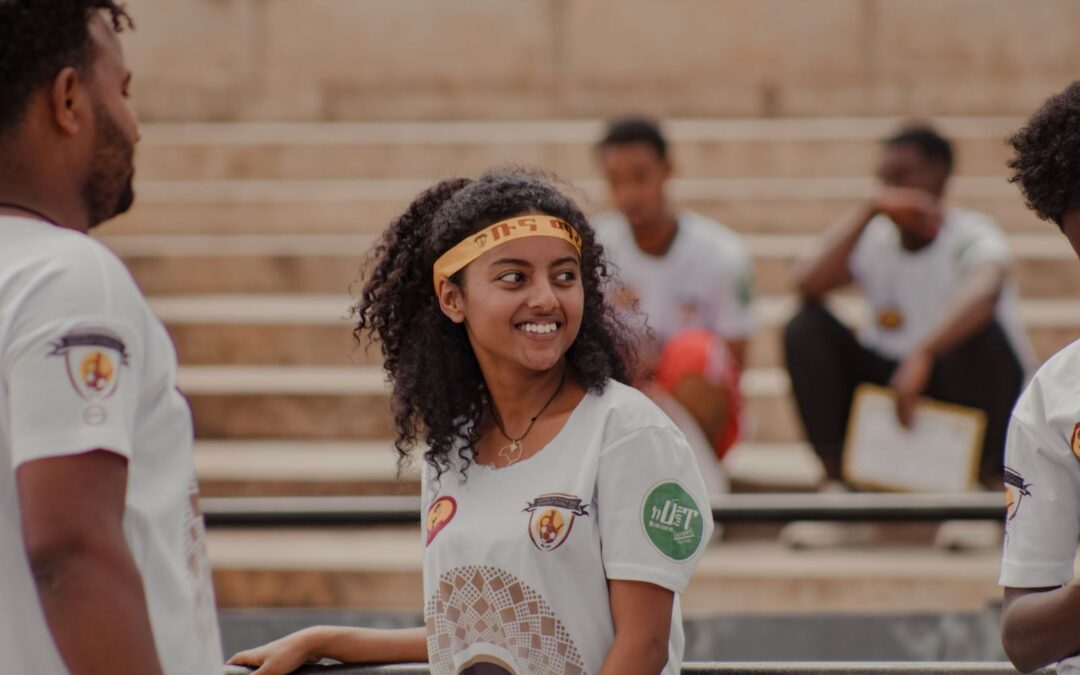
Photo by Mohammed Hassan on Pexels
How Durable Are DTF Transfers?
Very durable — when properly applied and cared for. DTF transfers from Limitless Transfers are engineered for everyday wear and tear, designed to hold up through 50–100+ wash cycles without cracking, peeling, or fading.
Here’s what you can expect:
- No cracking or peeling after 50+ washes with proper care
- Color vibrancy maintained through 100+ washes when garments are washed inside out in warm water
- Soft-hand feel that doesn’t stiffen over time — the transfer flexes with the fabric rather than sitting on top of it
- Adhesion that holds on cotton, polyester, blends, and other compatible materials
The durability advantage extends to the design itself. DTF’s ability to reproduce photorealistic images, fine lines, and gradients doesn’t come at the cost of longevity. Complex designs hold their detail through repeated washing just as well as simple ones.
Properly applied DTF transfers maintain vibrant colors over time — making them a reliable choice for businesses that need their custom apparel to look professional well beyond the first wash.
DTF Transfers vs. Other Printing Methods: How Do They Compare?
Understanding where DTF transfers outperform other methods helps you choose the right production approach for each job.
DTF vs. Screen Printing
Screen printing requires a separate stencil (screen) for each color in a design, plus setup fees that can run $25–$50 per color or more. That makes small runs expensive and complex designs cost-prohibitive. DTF printing involves no setup fees, no color count limits, and no minimum order requirements. It excels at reproducing gradients, fine lines, and intricate photorealistic designs that screen printing simply can’t replicate cost-effectively.
DTF vs. Sublimation
Sublimation is limited to light-colored, high-polyester substrates — it can’t be used on dark garments or most natural fiber blends. DTF, by contrast, works on both light and dark fabrics, across cotton, polyester, and blended materials. The white ink underbase in DTF allows vibrant, full-color output on any garment color. For businesses that want one method that covers the full range of their product catalog, DTF is the clear choice.
DTF vs. Heat Transfer Vinyl (HTV)
HTV requires weeding — the process of cutting away excess vinyl around each design element before pressing. For complex designs with fine details, small text, or gradients, weeding is time-consuming and often impractical. DTF transfers require no weeding or masking at any stage. You press and peel — nothing more.
DTF vs. DTG (Direct-to-Garment)
DTG printing requires expensive equipment, regular maintenance, and chemical pre-treatment of garments before printing. It also struggles to produce vibrant colors on polyester. DTF transfers require none of that — no pre-treatment, no dedicated printer, and full compatibility across fabric types including polyester.
Specialty DTF Options: Glitter and Gold Foil Transfers
Beyond standard full-color DTF, Limitless Transfers also offers specialty transfer options for designs that call for a little extra impact:
Glitter DTF Transfers add a shimmering, sparkling effect to your designs — ideal for children’s apparel, holiday merchandise, cheer uniforms, and any project where visual texture is part of the appeal.
Gold Foil DTF Transfers provide a luxurious metallic finish that catches light in a way standard inks can’t replicate. They’re a popular choice for premium branded apparel, event merchandise, and high-end fashion pieces where a metallic accent elevates the finished product.
Both specialty options follow the same easy application process as standard transfers — press, peel warm, done.
How Are Businesses Using Custom DTF Transfers to Grow?
Custom DTF transfers aren’t just for hobbyists. They’re powering real business growth across a wide range of industries. Here’s how different types of businesses are putting them to work:
Apparel Brands and Print Shops
Established screen printing and embroidery businesses use DTF transfers to expand their offerings without purchasing new equipment. A screen printer can take on a 10-piece order with four colors and deliver it profitably — something that wasn’t possible before DTF.
E-Commerce Sellers
Etsy and Shopify sellers use custom DTF transfers to offer personalized products — name drops, custom logos, and niche designs — without holding pre-decorated inventory. They order transfers as orders come in, press on demand, and ship directly to customers. It’s a lean, inventory-efficient model that scales with demand.
Event and Promotional Companies
Sports teams, corporate events, school fundraisers, and nonprofit campaigns all benefit from the fast turnaround and material flexibility of DTF transfers. A 50-piece order for a charity 5K can be produced and delivered within days.
Influencers and Creator Brands
Content creators launching merchandise drops use custom DTF transfers to test designs before committing to bulk inventory. A small run of 25 hoodies tests audience interest — and scales up when it works.
Institutional Buyers
Schools, nonprofits, and government agencies use DTF transfers for uniform programs, promotional gear, and branded apparel where consistency and durability across multiple fabric types are essential.
The custom-made clothes market is projected to grow from $70.78 billion in 2026 to $179.49 billion by 2035, according to Business Research Insights — a CAGR of 10.9%. Businesses that build DTF transfers into their production workflow now are positioning themselves ahead of that curve.
Why Limitless Transfers Is Built for Businesses That Need Speed and Quality
Not all DTF transfer suppliers are equal. Color accuracy, adhesion quality, peel performance, and shipping reliability vary significantly from one provider to the next. Limitless Transfers has distinguished itself through a combination of product quality and operational performance that has earned consistent five-star reviews and back-to-back first-place industry recognition.
Award-Winning Quality — Two Years Running
Limitless Transfers was recognized with first-place honors for DTF printing quality in both 2024 and 2025. That’s not a one-time achievement — it’s a consistent standard.
Expanded Gamut CMYK+RGBO+W Printing
Limitless Transfers uses an expanded gamut printing system — CMYK plus red, green, blue, and orange channels alongside white — matched with heavily researched and tested ICC profiles. The result is color accuracy that standard CMYK printing can’t match, especially for saturated reds, bright oranges, and vivid greens that fall outside the standard CMYK color space.
True Hot-Peel Technology
Every transfer from Limitless Transfers is engineered for instant hot peel. Press, peel while warm, move to the next garment. No waiting, no second-guessing.
Same-Day Shipping
Orders placed by noon EST ship the same business day. For customers with tight deadlines — a weekend event, an urgent wholesale order, a last-minute campaign — that speed is a genuine competitive advantage. And for those who need it even faster, orders placed before 5 AM CT qualify for same-day printing.
No Minimums. No Setup Fees.
Whether you need one transfer or one thousand, the ordering process is the same. No art fees, no plate charges, no minimum quantity requirements.
Soft-Hand Feel
A common complaint about lower-quality transfers is a stiff, plastic feel on the finished garment. Limitless Transfers’ specially formulated dtf inks and adhesive formula produces a soft, lightweight finish that feels like part of the fabric — even on large, full-chest designs.
One-Stop Shop
Beyond transfers, Limitless Transfers offers heat presses, tools, and supplies — everything needed to launch or scale a decoration business without sourcing from multiple vendors.
Is a Heat Press Worth It for Custom Apparel?
Yes. For anyone producing custom apparel with any regularity, a heat press is one of the most worthwhile investments you can make.
A household iron introduces uneven heat distribution and no precise temperature control — two variables that directly affect transfer adhesion quality. Pressing at the wrong temperature or without even pressure can cause transfers to peel, bubble, or fail to bond correctly in certain areas.
A dedicated heat press delivers:
- Even heat distribution across the entire platen
- Precise temperature control — set to the exact degree your material requires
- Consistent pressure — ensuring the same bond quality on every press
- Built-in timers — eliminating guesswork on press duration
For occasional personal projects, a Cricut EasyPress or standard household iron can produce acceptable results at the correct settings (300–320°F for 10–15 seconds, peeling warm). For any business producing more than a handful of items per week, a proper heat press pays for itself quickly in reduced waste, consistent output, and faster production cycles.
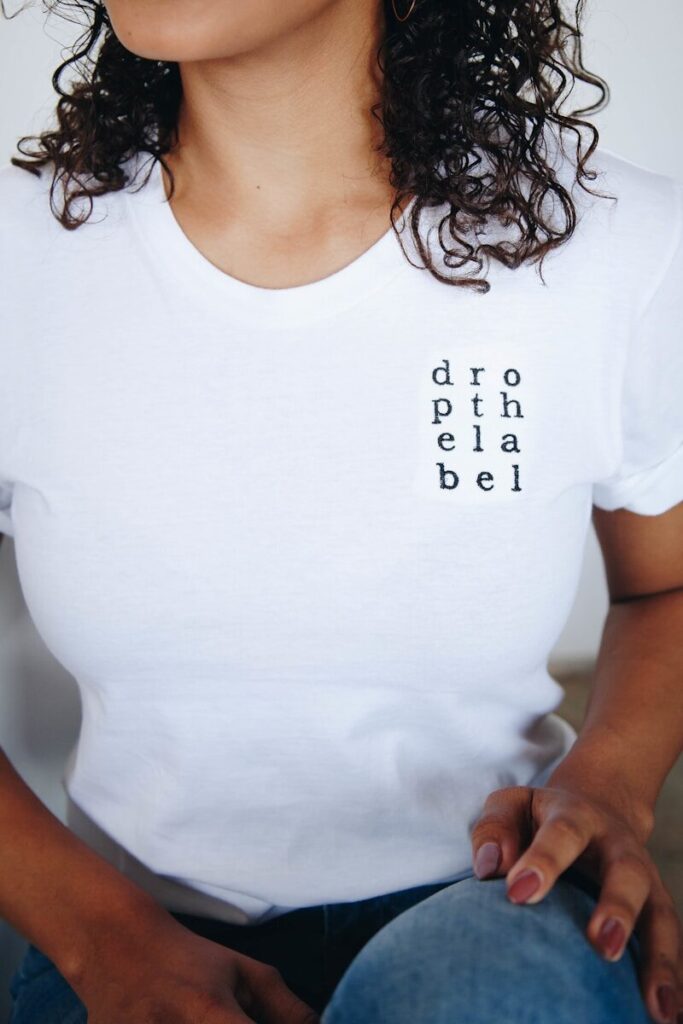
Photo by Drop the Label Movement on Unsplash
Cricut EasyPress vs. Heat Press: Which Is Better for Custom DTF Transfers?
Cricut machines and heat press machines serve different purposes and suit different users. Understanding the distinction helps you choose the right tool for your workflow.
- Cricut EasyPress: Designed primarily for home crafters working with heat transfer vinyl (HTV). Compact, lightweight, and easy to use right out of the box. The Cricut EasyPress heats up in about one minute, holds temperature accurately, and works well for small, flat projects. It’s a solid choice for hobbyists and side hustlers producing small quantities.
- Professional Heat Press: Designed for production environments. Larger platen surface, more consistent heat distribution, and greater pressing force. Industrial heat presses handle thicker materials, larger designs, and high-volume output more reliably. The tradeoff is size, weight, and a steeper learning curve for first-time users.
According to a detailed comparison by Hey, Let’s Make Stuff, a professional heat press delivers superior results on specialty materials and produces more consistent adhesion across different vinyl types — but the Cricut EasyPress performs comparably for standard cotton garments with proper settings.
- Choose a Cricut EasyPress if: You’re a hobbyist or small creator producing fewer than 10–20 items per week on standard garments, working from a small space, or prioritizing ease of use and portability.
- Choose a professional heat press if: You’re running a business, producing in volume, working with a variety of material types, or need consistent results across every single press.
Limitless Transfers offers a range of heat presses and supplies alongside their transfers — so you can source everything from one place.
What Is the Best Heat Press for Home Use?
The best heat press for home use balances precision, reliability, and footprint. Key features to prioritize:
- Even heat distribution: The most important factor for consistent transfer adhesion. Look for presses with digital temperature controls and verified even-heat platens.
- Precise temperature settings: Digital controls allow you to set exact temperatures rather than approximate dial positions.
- Timer function: Automatically tracks press duration so you can focus on production.
- Appropriate size: A 15″ × 15″ platen handles most adult garment designs. Smaller options work for hats, patches, and smaller items.
- Swing-arm or clamshell design: Swing-arm presses swing the platen away from the garment for safer loading; clamshell presses open vertically and require less desk space.
For beginners starting a home-based apparel business, a mid-range 15″ × 15″ swing-arm or clamshell press from a reputable brand provides the precision needed for quality custom DTF transfers without the complexity of industrial equipment.
What Do You Need to Heat Press Shirts at Home?
Getting started with custom DTF transfers at home requires a short list of equipment:
- Heat press machine — any reliable press with accurate temperature and timer controls
- Custom DTF transfers — ordered from Limitless Transfers, ready to press on arrival
- Blank garments — pre-washed to remove sizing and prevent post-press shrinkage
- Parchment paper or Teflon sheet — provides a protective barrier between the press and the transfer film
- The pressing instructions included with your transfers
The application process takes just seconds:
- Preheat the garment for 3–5 seconds to remove moisture
- Position the transfer printed side down
- Cover with parchment paper
- Press at 300–320°F for 10–15 seconds
- Peel the film while warm
- Done
The entire process from blank garment to finished product takes under a minute per piece. No weeding, no masking, no mess.
Wait at least 24 hours before washing the finished garment to allow the adhesive to fully cure. When washing, turn the garment inside out and use cold to warm water to preserve the transfer’s vibrancy and adhesion over time.
Even complete beginners can produce professional-looking custom apparel at home. The transfers handle the complexity — you supply the press and the blank.
Start Pressing Profit With Limitless Transfers
Custom DTF transfers have fundamentally changed what’s possible for anyone in the apparel decoration business — and for anyone who wants to be. The barriers that once separated professional print shops from hobbyists have largely disappeared. Full-color, soft-hand, premium-quality transfers that hold up through 50–100+ wash cycles are now accessible to anyone with a heat press and a good idea.
Limitless Transfers brings award-winning quality, true hot-peel technology, same-day shipping, and an easy-to-use online ordering system together in one place. No minimums, no setup fees, no compromise on color accuracy or material compatibility.
Ready to see the difference for yourself? Order your custom DTF transfers from Limitless Transfers — or grab a free sample to experience the quality before you commit. Build your custom gang sheet, upload your designs, and start pressing.
Frequently Asked Questions About Custom DTF Transfers
What is a custom DTF transfer?
A custom DTF transfer (Direct-to-Film transfer) is a modern heat-transfer technology — a pre-printed design on PET film with a hot-melt adhesive backing. The design is printed using an inkjet printer with CMYK and white ink, and a white underbase allows vibrant, full-color output on both light and dark fabrics. You apply it to fabric or other materials using a heat press or home iron. DTF transfers support full-color printing with no color count limits, work on both light and dark garments, and adhere to a wide range of materials including cotton, polyester, blends, nylon, leather, canvas, and more. No weeding or masking is required at any stage.
How long do DTF transfers last on clothing?
When properly applied and cared for, DTF transfers are highly durable — built to withstand 50–100+ wash cycles without cracking, peeling, or fading. Washing garments inside out in warm water and avoiding high-heat drying extends the life of the transfer significantly. Limitless Transfers’ CMYK+RGBO+W printing and optimized adhesive formula produce transfers designed for everyday wear and tear, maintaining vibrant colors over time.
How do I apply a DTF transfer?
Preheat your garment for 3–5 seconds to remove moisture, position the transfer printed side down, cover with parchment paper, press at 300–320°F for 10–15 seconds, and peel the film while warm. No weeding, masking, or additional prep is needed. Wait 24 hours before washing.
Can I use DTF transfers without a heat press?
A household iron can work for occasional personal projects at the correct settings, but a heat press is strongly recommended for consistent, professional results. Irons lack precise temperature controls and produce uneven heat distribution — both of which affect adhesion quality and long-term durability. For any regular production volume, a dedicated heat press is the better investment.
What fabrics work for DTF printing?
DTF transfers work on cotton, polyester, blends, tri-blends, nylon, canvas, denim, leather, neoprene, and many more materials — on both light and dark fabric colors. Unlike sublimation, which is limited to light-colored, high-polyester substrates, DTF produces full-color output across virtually any fabric type without restrictions.
Can I order just one transfer with no minimum?
Yes. Custom DTF transfers from Limitless Transfers require no minimum order. A single transfer is as straightforward to order as a batch of thousands — with no setup fees, no art fees, and no minimums of any kind.
What is a gang sheet?
A gang sheet is a single transfer film sheet packed with multiple designs arranged side by side. Instead of ordering each design separately, you consolidate multiple prints onto one sheet — lowering your cost per transfer and maximizing material efficiency. Limitless Transfers supports gang sheets up to 22″ × 240″, which you can build using the online gang sheet builder or upload as a pre-built file for faster checkout.
Are there specialty DTF transfer options?
Yes. In addition to standard full-color transfers, Limitless Transfers offers glitter DTF transfers — which add a shimmering effect to designs — and gold foil DTF transfers, which provide a luxurious metallic finish. Both apply using the same process as standard transfers.
Can DTF transfers reproduce fine details and gradients?
Yes. DTF excels at reproducing gradients, fine lines, intricate details, and photorealistic designs without the setup complexity of screen printing. Because each design is printed digitally as a single full-color image, there are no color count limits and no stencil registration issues — even the most detailed artwork prints accurately.