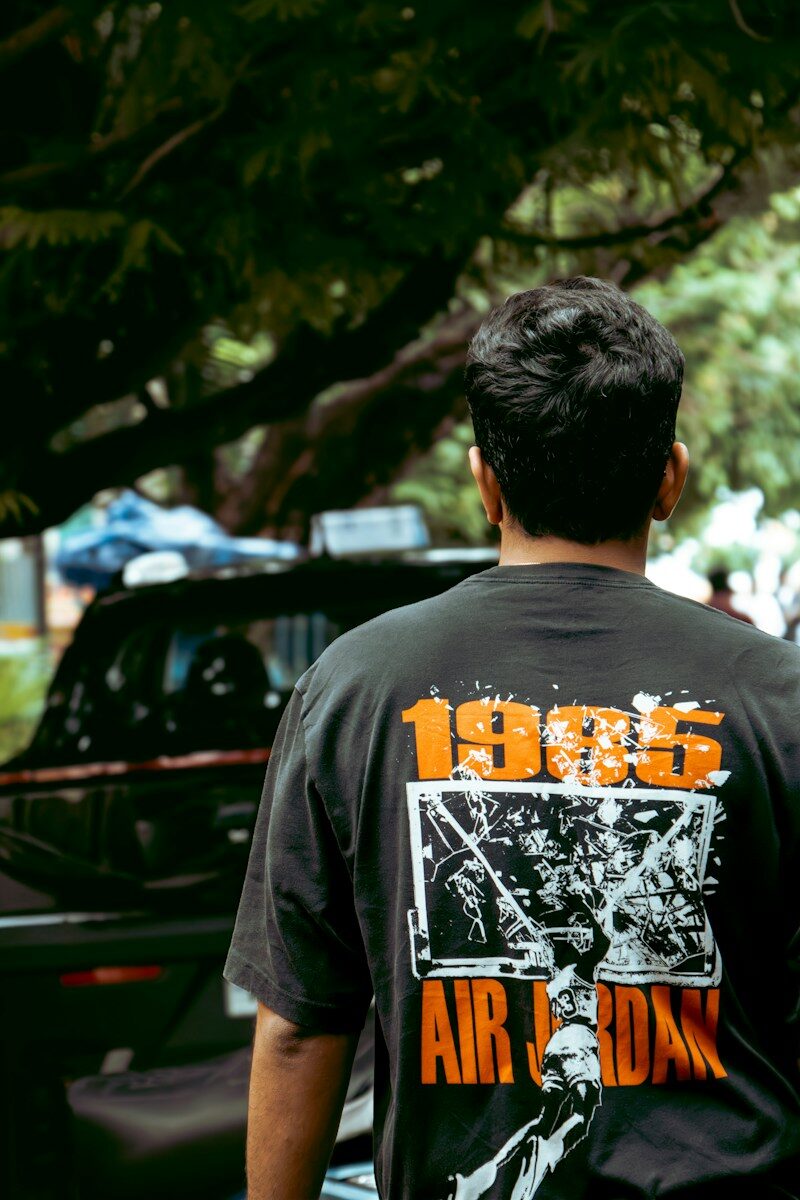
DTF transfers work for far more than basic T-shirts. From hoodies and tote bags to branded workwear, fundraiser shirts, and small-batch merch drops, custom DTF transfers let creators and businesses decorate almost any garment without buying expensive printing equipment. Order by size or build a dtf gang sheet, then heat press designs onto cotton, poly, denim, canvas, and more.
I’ve spent years experimenting with different ways to bring designs to life on apparel, and high quality DTF transfers have become my go-to method for almost every project. Whether I’m making a one-off gift or fulfilling a bulk order for a client, DTF printing gives me the flexibility to decorate nearly any garment without investing in expensive printing equipment or committing to large minimums.
What makes DTF transfers so appealing is how they fit into so many different workflows. You can order custom DTF transfers sized to your exact design, use premium DTF transfers for professional-grade color accuracy, or build a full gang sheet loaded with multiple designs ready to press. Because the process relies on direct to film printing rather than screen setup, you get full-color artwork on custom apparel without the traditional barriers of small-batch production.
In this post, I’m sharing 12 project ideas that have worked well for my own business and for the makers, print shops, and event organizers I’ve talked with. Each one uses ready to press DTF transfers, so you can go from idea to finished product in a single afternoon.
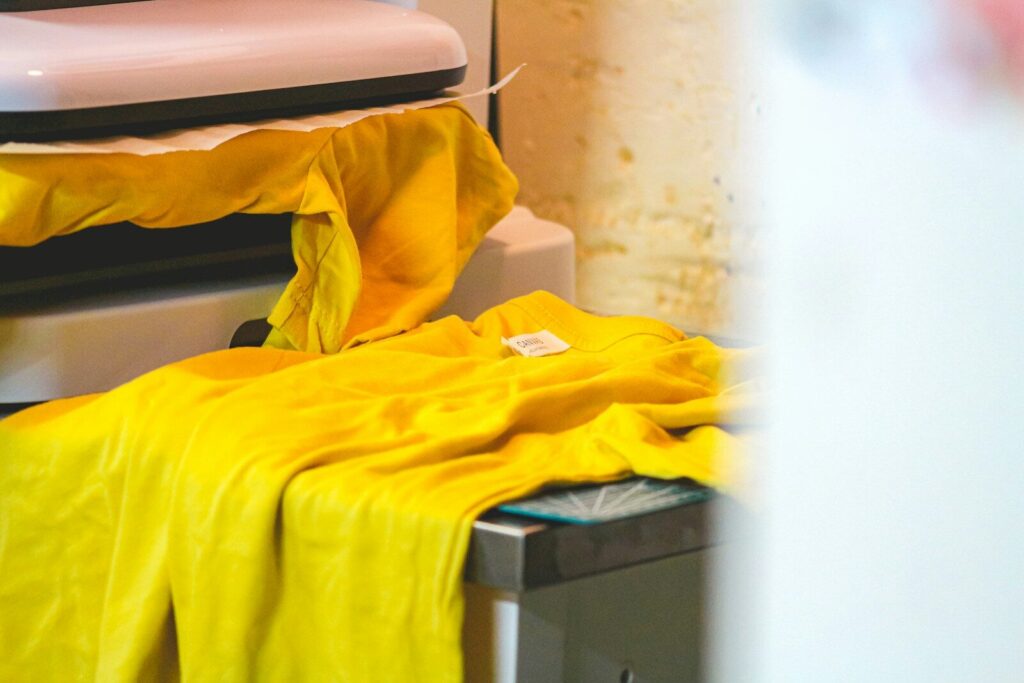
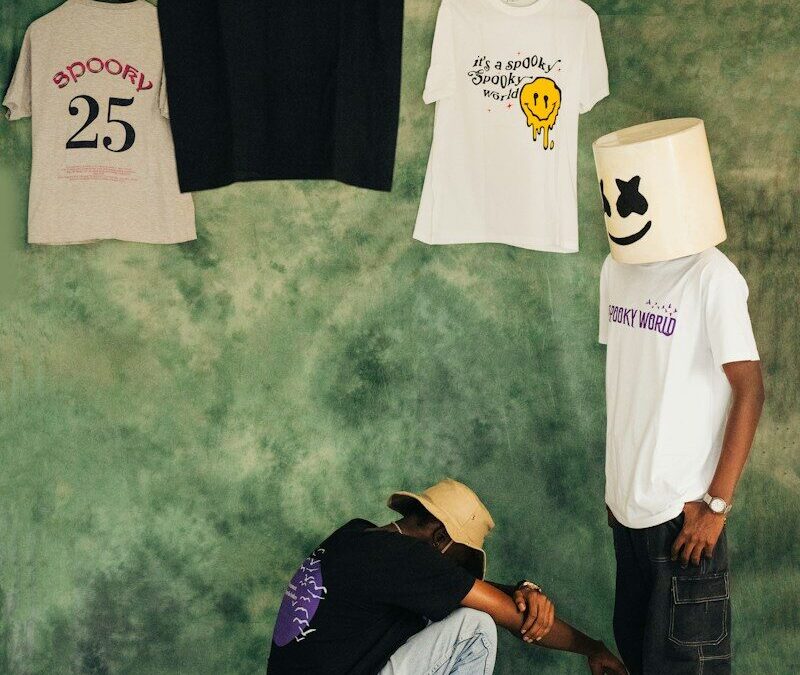
Photo by Compagnons on Unsplash
What Are DTF Transfers?
DTF stands for direct-to-film, a printing method where a design is printed onto a specialized PET film using CMYK plus white ink, then coated with an adhesive powder that’s cured under heat. The finished transfer is applied to a blank apparel ir garment using a heat press, which melts the adhesive and bonds the design permanently to the fabric.
The basic process follows this sequence: PET film → adhesive powder → heat press → garment. Unlike screen printing, which requires a separate screen for every color in a design, DTF transfers print full-color, photo-quality artwork in a single pass. That makes DTF printing especially strong for:
- Personalized items with names, numbers, or custom text
- Short runs where screen printing setup costs don’t make sense
- Multiple designs printed at once on a single gang sheet
- Complex artwork, gradients, and fine detail
- Vibrant colors on both light and dark fabrics
One underrated advantage: DTF transfers can be produced ahead of time and stored until you’re ready to press them. That means you can stock up on popular designs and press them on demand as orders come in.
DTF is less ideal than screen printing when you’re running extremely large production volumes, where the per-unit economics of screen printing eventually pull ahead. And because printing DTF in-house requires specialized printers, curing equipment, and consistent color calibration, outsourcing to a dedicated DTF transfer company is often the smarter option for creators and small businesses.
Why Order Ready-to-Press DTF Transfers Instead of Printing Them Yourself
I get asked often whether it’s worth buying a DTF printer. For most creators and small shops, the answer is no—at least not right away. DTF printers, curing ovens, and powder shakers represent a significant equipment cost before you’ve sold a single shirt.
Ordering ready-to-press transfers removes that barrier entirely. With most ordering platforms, including the one I use, there are no art or setup fees and no minimum order quantity, so you can print exactly what you need, whether that’s one shirt or one hundred.
Turnaround time matters just as much as cost. Look for a supplier that offers same-day shipping on orders placed before noon EST, with most orders shipping the next business day at the latest. That kind of speed means you can take on last-minute orders without disappointing a customer.
When it comes to ordering, you typically have a few options:
- Order by size – upload a single design and choose the transfer size you need and include transparent background` when the design requires one.
- DTF Gang sheet – combine multiple designs onto one sheet to maximize value
- Upload PNG, PDF, or SVG files – submit your own artwork in the format you have
- Upload a print-ready gang sheet – for those who prep their own files
- Use a gang sheet builder – an online tool that lets you arrange designs without design software
Gang sheets can run up to 22″ x 240″, giving you room to batch dozens of designs in a single order. For a closer look at how different ordering platforms handle this, Cricut’s Direct-to-Film Transfers guide walks through their own design-and-purchase workflow for DTF transfers and gang sheets, which is a useful comparison point if you’re new to the process.
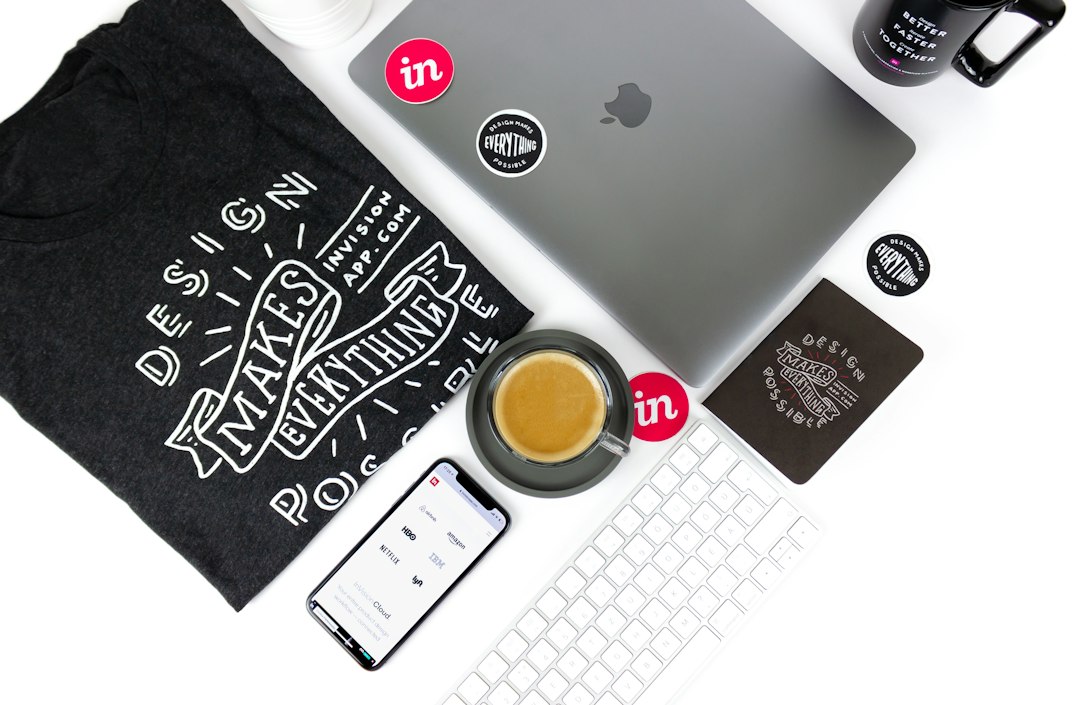
12 Creative Custom DTF Transfer Project Ideas
1. Blank Apparel and Custom T-Shirts
T-shirts remain the most popular DTF transfer project, and for good reason. Whether you’re running an Etsy shop, printing for a small business, making family gifts, or celebrating school spirit, DTF transfers handle full-color artwork beautifully on both dark and light garments. There’s no need to adjust your design based on shirt color—the white ink layer keeps colors accurate either way.
2. Hoodies & Sweatshirts
Seasonal apparel like hoodies and sweatshirts makes a great premium custom product, especially heading into fall and winter. DTF transfers hold up well on cotton, polyester, cotton/poly blends, and fleece, giving you a comfortable branding option that customers actually want to wear.
3. Tote Bags
Tote bags are a favorite among small businesses and farmers market vendors because they double as walking advertisements. DTF transfers work well on canvas and produce long-lasting prints that survive daily use, making them a smart promotional giveaway or retail add-on.
4. Branded Business Apparel
Employee uniforms and workwear are a natural fit for DTF transfers. Print shops use this method for corporate events, company branding, and general workwear because it delivers a fast turnaround without sacrificing quality—useful when a client needs uniforms ready before a big event.
5. Sports Teams & School Apparel
Team shirts and fan apparel often require personalization: different names, numbers, and sizes for every order. DTF transfers make this manageable, since you can print small orders without the setup costs that come with screen printing multiple variations.
6. Fundraiser Shirts
Churches, nonprofits, and community organizations frequently need custom shirts for one-time events, and high quality transfers are ideal because there are no minimums. If a fundraiser scales up, most suppliers offer bulk pricing once volume increases.
7. Family Reunion Shirts
Family reunions often call for personalized names, multiple sizes, and sometimes multiple designs for different generations or branches of the family. A gang sheet builder makes this simple—arrange everyone’s name or design once, and press each shirt individually.
8. Creator & Influencer Merchandise
YouTube creators, Twitch streamers, TikTok personalities, and podcasters increasingly launch their own merch lines through Shopify or Etsy. DTF transfers support small-batch launches without tying up cash in inventory you’re not sure will sell.
9. Workwear & Trade Apparel
Contractors, landscapers, electricians, and plumbers rely on durable branded apparel that holds up to daily wear. DTF transfers print company logos with prints durable enough for the demands of trade work.
10. Seasonal Apparel Collections
Limited-edition drops for Christmas, Halloween, Valentine’s Day, or summer collections give customers a reason to buy again throughout the year. Because DTF transfers don’t require minimums, testing a seasonal design carries far less financial risk than a traditional print run.
11. Promotional Event Merchandise
Trade shows, festivals, conferences, and school events all create demand for quick-turnaround promotional merchandise. DTF transfers let you produce company giveaways fast, even when the event is only weeks away.
12. Small-Batch Product Launches
Before committing to a large order, DTF transfers let you test new ideas with a small batch. If the design sells well, you can scale up production later—reducing the risk of overproducing something that doesn’t resonate with your audience.
Why DTF Transfers Work on So Many Materials
One of the biggest advantages of DTF printing is material versatility. DTF transfers work on 100% cotton, polyester, cotton/poly blends, nylon, spandex, leather, canvas, denim, and fleece, across both light and dark fabrics. That means a single transfer design can move across multiple apparel brands and garment types without reprinting or adjusting your file.
This flexibility is especially useful if you’re offering the same design across different products—say, a logo that appears on both a T-shirt, tote bag or a cup made from uv dtf transfers (UV is only used on hard sufaces like tumblers and mugs). One transfer, multiple applications.
The Print Quality That Makes DTF Stand Out
DTF printing uses CMYK plus white inks, capable of producing up to 16.7 million colors. That expanded color gamut means richer, more accurate color reproduction compared to some other transfer methods, fwith fine detail resolved down to roughly 3 pixels.
This level of detail makes DTF transfers well-suited for complex artwork and photographic images, not just simple logos or text. The finish also has a soft-hand feel rather than a thick, plastic-like layer—though very large solid-color designs may feel slightly heavier due to the printed layer covering more surface area.
How Durable Are DTF Transfers?
Durability is one of the most common questions I hear from people trying DTF transfers for the first time. When applied correctly, DTF heat transfers can last over 100 washes, and even with standard application, most transfers withstand 50 or more washes without cracking, peeling, or losing vibrancy.
According to the Cricut Help Center’s DTF transfer FAQ, proper application and care mean DTF transfers “should not peel or lift, and can last up to 75 washes while maintaining color and detail.” Real-world durability ultimately depends on press settings and aftercare, so following instructions closely pays off in the long run.
Basic Heat Press Instructions
Getting the heat press settings right is the difference between a transfer that lasts and one that peels after a single wash. Here’s a general starting point:
- Heat press to 310°F
- Press for 12 to 15 seconds
- Apply medium pressure
- Peel hot or cold, depending on the transfer type
- Re-press for 5 seconds to seal the design
- Use parchment paper to protect the design during pressing
- Cool completely before peeling, if the transfer calls for cold peel
For a deeper breakdown of temperature settings by fabric type, the DTF Database’s heat press temperature guide offers a fabric-by-fabric chart covering cotton, polyester, blends, canvas, and denim, along with fixes for peeling, lifting, and fading. Similarly, On Target Print Solutions’ complete heat press guide breaks the process into five clear steps and includes a second-press tip that significantly improves wash durability.
If you’re unsure whether your film is hot peel or cold peel, DTF Database’s PET film buying guide explains the difference in finish and application timing between the two, which is worth reviewing before your first press.
Things to Know Before Choosing DTF Printing
DTF transfers are a strong choice if short runs, personalization, full-color artwork, or fast production matter more to your project than rock-bottom per-unit costs on massive orders. If you’re printing thousands of identical shirts, screen printing may still be more cost-effective at that scale.
For those setting up a home or shop workstation, DTF Database’s heat press accessories guide covers the cover sheets, pillows, and tools that make consistent pressing easier, particularly if you’re pressing over seams, pockets, or zippers.

Why Choose Limitless Transfers
After testing several suppliers, our customers have settled on Limitless Transfers for for their custom transfer orders. A few reasons why:
- Award-winning quality, recognized as the 2024 and 2025 1st Place winner for DTF printing quality
- True hot-peel transfers that speed up production
- Same-day shipping on orders placed before noon EST
- Free UPS Ground shipping on orders over $50
- No minimum order requirements
- A gang sheet builder for arranging multiple designs at once
- Order-by-size options for single designs
- Support for uploading print-ready files
- Heat presses and supplies available as a one-stopshop
- Reliable customer support when questions come up mid-project
Choose Limitless Transfers if you want award-winning print quality with the flexibility to order as few or as many transfers as your project needs, backed by fast shipping and responsive support.
Frequently Asked Questions
What are DTF transfers?
DTF transfers are designs printed on PET film using CMYK plus white ink, then coated with adhesive powder and heat-pressed onto a garment. They work on a wide range of fabrics, including cotton, polyester, blends, denim, and canvas, and support full-color, detailed artwork without the setup costs of screen printing.
How can I create my own Premium DTF transfers?
You can create DTF transfers by uploading a PNG, PDF, or SVG design to a DTF transfer company’s ordering platform, using a gang sheet creation builder to arrange multiple designs, or submitting a print-ready gang sheet file. The supplier prints the design onto film and ships it ready to press.
How much does a DTF transfer cost?
Cost depends on transfer size, quantity, and whether you’re ordering a single design or a full gang sheet. Ordering by gang sheet typically lowers the per-design cost since you can fit multiple images onto one sheet, and suppliers with no minimum order requirement let you start small and scale up as needed.
Does DTF come off in the wash?
DTF transfers are designed to withstand regular washing when applied correctly. Properly pressed transfers can last over 100 washes, and even under typical use, most hold up for 50 or more washes without peeling or cracking. Following the correct heat press settings and washing instructions (cold water, gentle cycle, turned inside out) significantly extends durability.
Start Your Next DTF Project
DTF transfers open up far more possibilities than basic T-shirts. From branded workwear and fundraiser shirts to seasonal collections and influencer merch drops, this printing method gives you the flexibility to test ideas, personalize orders, and scale production without the overhead of screen printing equipment.
If you’re ready to start, upload your print-ready artwork, try the gang sheet builder for multiple designs, or place a custom DTF transfer order with no minimums required. Start with one project idea from this list, and once you see how customers respond, scale up to larger apparel orders as your business grows.