Before you buy a DTF printer, ask whether you actually need to own one. Limitless Transfers provides professional-grade, award-winning DTF transfers with no setup fees, no minimums, same-day shipping, and true hot-peel performance—giving businesses access to professional DTF printing without the equipment investment, maintenance, or learning curve that comes with owning a printer.
Everyone searching for the best DTF printer is asking the right question. They just might be asking it about the wrong thing.
Here’s what I mean. When most people start looking into DTF printing, they immediately head down the equipment rabbit hole: which printer should I buy, how fast does it print, which printhead does it use, how much does a setup cost? Those are valid questions—but they assume that owning a DTF printer is the only path to professional DTF transfers. It isn’t.
DTF, or Direct-to-Film, is one of the most versatile printing methods available for custom apparel. A design is printed onto a special transfer film, adhesive powder is applied and cured, and the finished transfer is applied to a garment or other surface using a heat press. The results are vivid, durable, and compatible with an enormous range of materials. If you want to understand how the full process works before diving in, this beginner’s guide from DTF Cherry is a solid place to start.
Owning a DTF printer means managing all of that yourself—the printer, the ink, the white ink, the film, the adhesive powder, the curing equipment, the RIP software, the ICC profiles, the workspace, the ventilation, and the ongoing maintenance. That’s before you’ve pressed a single shirt.
I’m Limitless Transfers, and I’m making the case that for many businesses—startups, print shops, Etsy sellers, event companies, and DIY creators—the best DTF printer for their business might be one they never have to own. Here are 10 reasons why.

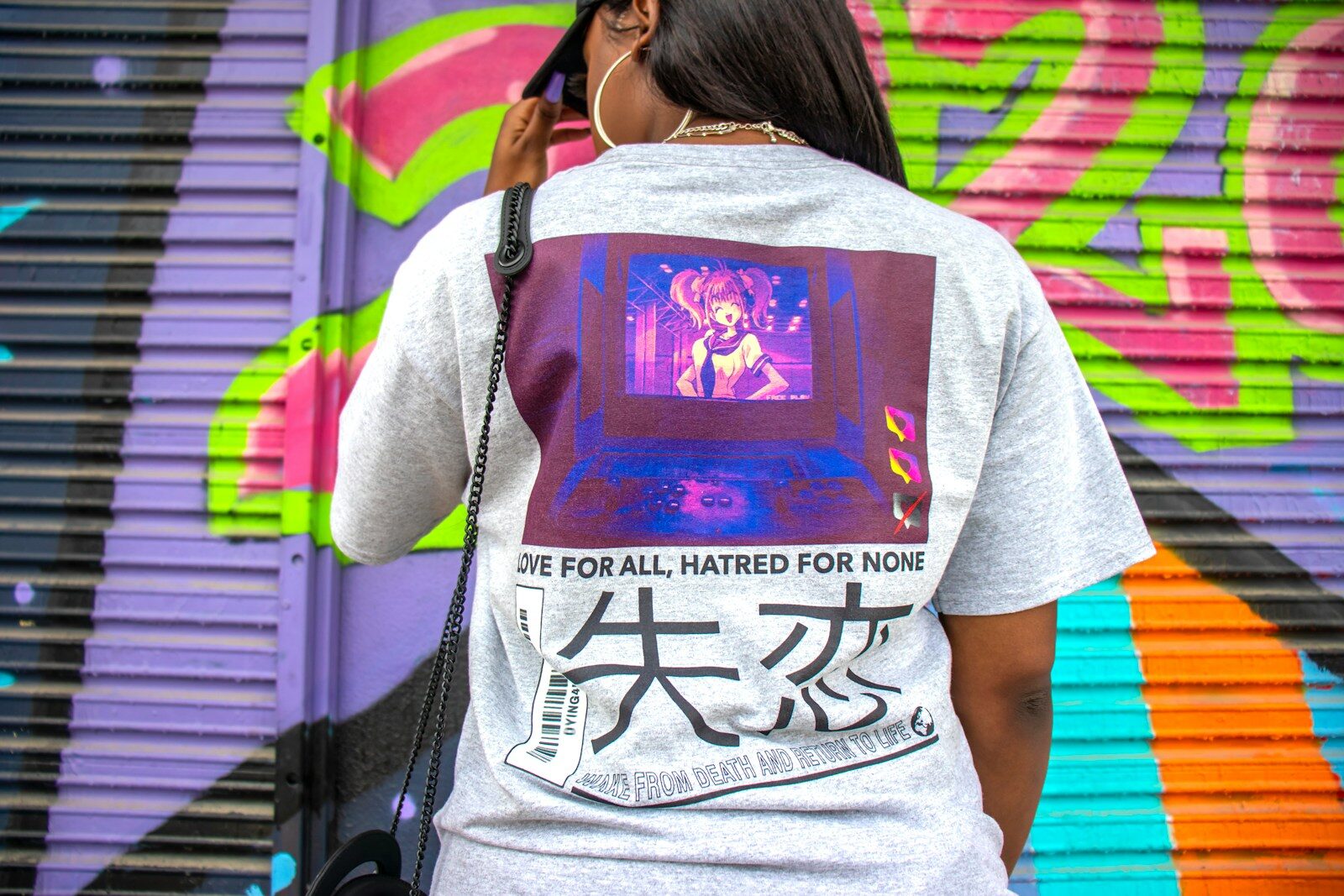
Photo by lannyboy89 on Pixabay
1. How Does Ordering DTF Transfers Lower Your Startup Costs Compared to Buying a Printer?
A DTF printer is just one part of an in-house setup. To produce transfers from scratch, you also need DTF ink, white ink, adhesive powder, DTF film, a curing oven or powder shaker unit, RIP software, ICC color profiles, a compatible heat press, and a workspace with adequate ventilation. According to xTool’s guide on the best DTF printer for small business, even entry-level DTF setups require thinking through all of these components before printing a single transfer.
That’s a significant capital commitment before a single paying customer places an order.
Ordering transfers from me flips that equation. You pay only for the transfers you need, when you need them. No equipment to finance. No ink to stock. No supplies to manage. That capital can go toward inventory, marketing, heat press equipment, or growing your customer base instead.
I also offer no setup fees and no or low minimum orders, which means you’re not locked into a production volume you haven’t yet earned. This matters most for:
- Startups and new brands testing demand before scaling
- Etsy, Shopify, and Amazon sellers who need flexibility
- Crafters and hobbyists producing small quantities for personal projects
- Businesses testing new designs before committing to larger runs
DTF’s economic advantage for small quantities is well-documented. InkSonic’s cost comparison of DTF printing versus other methods notes that DTF labor costs and per-print expenses can be favorable for low-volume production—especially when you eliminate the overhead of owning the equipment entirely.
2. Why Does DTF Printer Maintenance Matter, and How Does Outsourcing Eliminate It?
Maintenance is one of the most underestimated costs of owning a DTF printer. It’s not a one-time task—it’s a daily responsibility.
Running a DTF printer properly requires:
- Daily nozzle checks to confirm print quality before production begins
- White ink stirring and circulation to prevent settling and clogging
- Automated cleaning cycles, where the printer supports them
- Regular deep cleaning of printheads and ink pathways
- Monitoring print quality and troubleshooting inconsistencies
- Managing ink flow and white ink opacity across varying production volumes
White ink deserves special attention. It’s essential for vibrant DTF printing on dark and colored garments because it creates the opaque base layer that allows CMYK colors to appear accurately on any fabric. But white ink is also the most maintenance-intensive component of a DTF printer. It settles, it clogs, and it demands consistent attention—even on days when you’re not printing.
Modern DTF printers have improved significantly in this area. Automated cleaning cycles and white ink circulation systems can reduce manual intervention. But they don’t eliminate maintenance. They reduce it.
When you order transfers from me, that entire maintenance responsibility stays on my side of the workflow. You don’t check nozzles. You don’t stir ink. You don’t deep-clean a printhead. You press and sell.
3. How Does Limitless Transfers Deliver Professional Print Quality Without Requiring Customers to Learn the Printer?
Print quality in DTF isn’t just about which printer you buy. It’s the result of the entire production chain working together: the printhead technology, the ink formulation, the film, the powder, the curing process, the ICC color profiles, and the operator’s experience and calibration.
Take the Epson I1600 printhead as one technical benchmark. According to DTG Pro’s product specifications, the Epson I1600 features 1,600 nozzles, a native resolution of 600 DPI, and Epson’s PrecisionCore technology, which enables high-precision ink placement and smooth gradient reproduction. Printheads like this contribute to crisp detail and color accuracy—but only when the rest of the workflow supports them.
Owning a printer with a premium printhead doesn’t automatically produce premium transfers. RIP software must be properly configured. ICC profiles must be developed and tested for the specific film and ink combination being used. Powder application and curing must be consistent. And the operator needs enough experience to recognize and correct problems before they show up in a finished product.
At Limitless Transfers, I use expanded-gamut CMYK+RGBO+W printing paired with heavily researched and tested ICC profiles, film, powder, and ink. The result is vibrant, detail-rich transfers with accurate color reproduction and a soft-hand feel—the kind of quality that reflects a refined, tested production process rather than a new machine straight out of the box.
That expertise is what earned me back-to-back 1st Place recognition for DTF printing quality in 2024 and 2025. You get access to that quality without having to become a DTF printer technician yourself.
4. What Are Hot-Peel DTF Transfers, and Why Do They Matter for Production Speed?
DTF printing doesn’t end when the printer finishes. The production workflow continues through powder application, curing, cutting, and heat press application. Speed matters at every stage.
True hot-peel transfers are engineered to be peeled cleanly immediately after pressing, while the transfer is still hot. This eliminates the waiting period associated with cold-peel transfers and lets operators move from one garment to the next without interruption.
For businesses managing volume—event apparel, team orders, fundraiser shirts, rush corporate orders—that time savings compounds quickly across a production run. Hot-peel also reduces the margin for error at the peel stage, since the film releases cleanly and consistently rather than requiring careful timing.
Every transfer I produce is a true instant hot-peel transfer, designed specifically to support high-speed production. You press, you peel, you move on.
5. How Does DTF Printer Speed Affect Small Business Production, and When Does Outsourcing Make More Sense?
DTF printer output varies dramatically depending on the machine, configuration, print mode, resolution, and design coverage. Understanding that range helps frame the decision between owning a printer and outsourcing production.
According to xTool’s analysis of small-business DTF printing, entry-level single-head printers typically produce around 8–15 sq. ft./hr., while faster dual-head configurations can reach approximately 30–50 sq. ft./hr. Most small-business-oriented machines accommodate film up to about 13 inches wide, which covers standard apparel graphics and gang-sheet workflows efficiently. Businesses targeting volume production may want at least 12 sq. ft./hr. as a working baseline.
Those numbers represent advertised peak performance. Real-world output depends on print resolution, pass count, design ink coverage, and how much of the production day is spent printing versus maintaining, cleaning, or troubleshooting the machine.
The practical question isn’t just how fast a printer can go—it’s whether your order volume justifies the investment and whether that capacity is being used efficiently. A printer producing transfers faster than your sales volume can absorb is expensive idle capacity. Ordering from me means you scale your transfer volume up or down with your actual orders, without carrying unused machine capacity.
6. What Are Gang Sheets, and How Does Limitless Transfers Make Them Accessible?
Gang sheets allow multiple designs to be combined onto a single sheet of transfer film, maximizing the usable area and reducing the per-design production cost. They’re a standard efficiency tool in professional DTF production and especially useful for businesses managing multiple designs, small orders, or varied product catalogs.
Impressions Magazine has covered how gang sheets are reshaping the economics of DTF production, lowering costs and improving workflow efficiency for decorators of all sizes. The logic is straightforward: the more designs you fit on a single sheet, the more you get out of each production run.
Gang sheets are particularly valuable for:
- Multiple T-shirt design batches
- Custom name and number sets
- Logo transfers in multiple sizes
- Event merchandise with several design variations
- E-commerce products requiring varied graphics
- Fundraisers and team apparel orders
I give customers three ways to access gang-sheet production without needing to own a printer:
- Upload a ready-made gang sheet (PDF or PNG, 22.5″ wide, any length)
- Build a gang sheet using my online gang sheet builder, designed for customers who don’t use professional design software
- Order individual transfers by size, with designs combined into production runs on my end
This gives beginners an easy entry point and gives established print shops a flexible, efficient ordering workflow.
7. What Materials Can DTF Transfers Be Applied To, and Why Does That Matter for Business Growth?
DTF’s material compatibility is one of its most significant advantages over other printing methods. Unlike sublimation, which requires polyester-rich fabrics, or DTG printing, which performs best on high-cotton garments and typically requires fabric pretreatment, DTF transfers bond via a heat-activated adhesive layer that works across a wide range of substrates.
Limitless Transfers DTF transfers work on:
- 100% Cotton and 50/50 blends
- 100% Polyester and tri-blends
- Nylon and non-woven fabrics
- Polypropylene and neoprene
- Leather and denim
- Canvas and wood
- And a wide range of other compatible surfaces
For a side-by-side look at how DTF compares to sublimation on fabric compatibility, Printify’s breakdown of DTF vs. sublimation provides a clear comparison of where each method performs best. DTF’s ability to work on both light and dark garments—without pretreatment—gives it a distinct production advantage.
That broad compatibility means you can expand your product catalog without investing in multiple printing technologies. One transfer source. Cotton T-shirts, polyester jerseys, canvas totes, denim jackets, leather patches, wooden signs. The heat press does the work across all of them.
8. Why Is DTF Printing More Economical Than Screen Printing for Small-Batch and On-Demand Orders?
Traditional screen printing involves setup costs—creating screens, mixing inks, and preparing for each new design—that make small runs expensive per unit. Those costs are amortized across large quantities, which is why screen printing becomes economical at scale but costly for short runs.
DTF eliminates that dynamic. There are no screens to set up and no minimum quantities tied to production economics. ColDesi’s screen printing vs. DTF break-even analysis illustrates how DTF’s cost structure shifts the economics decisively in favor of shorter runs—especially for businesses that regularly produce varied designs or small quantities.
Transfers can also be produced in advance and stored, giving businesses flexibility to fulfill orders from inventory rather than waiting for production every time a customer checks out.
This model suits:
- Seasonal and limited-edition products that don’t justify large screen-print runs
- On-demand e-commerce where orders arrive one or two at a time
- New design testing before committing to a large batch
- Custom name and event orders where each piece is unique
- Fundraisers and school spirit gear with mixed sizes and quantities
With no setup fees and no minimum order requirements from Limitless Transfers, small-batch and one-off orders are treated the same as large production runs—processed with the same quality and the same fast turnaround.
9. How Fast Does Limitless Transfers Ship, and How Does That Fit Into a Production Workflow?
Speed matters at both ends of the transfer production process—when I ship to you, and when you press garments for your customers.
Orders placed by noon EST ship the same day. Orders placed after noon ship the next business day. Free UPS Ground shipping applies to orders over $50, with $10 flat-rate 2nd Day Air available on the same threshold for customers who need transfers faster.
Once transfers arrive, true hot-peel performance accelerates your pressing workflow. Customers who order transfers in advance and keep a small inventory on hand can fulfill customer orders immediately—pressing and shipping without waiting for a new production run.
For businesses that need guidance on heat press application settings, Galaxy Press has a beginner-friendly guide to DTF heat press settings that covers temperature, pressure, and timing for different fabric types. Pairing quality transfers with dialed-in press settings is where a lot of the production consistency comes from.
That flexibility—order in advance, store the transfers, press on demand—is especially valuable for:
- Print shops managing multiple customer orders simultaneously
- Event companies working with tight delivery windows
- E-commerce sellers who need to ship orders the same day a customer buys
- Sports teams and fundraisers with firm pickup deadlines
I handle the printing. You handle the pressing, the packaging, and the customer relationship.
10. What Does Real DTF Print Shop Expertise Look Like, and How Does Limitless Transfers Bring It to Your Business?
Ordering transfers isn’t just a transaction. At Limitless Transfers, customers gain access to a production partner with tested systems, refined color management, and back-to-back industry recognition for quality.
That expertise shows up in a few specific ways:
- Award-winning quality recognized by the industry in 2024 and 2025 for 1st Place DTF printing quality
- Expanded-gamut CMYK+RGBO+W color production with ICC profiles developed specifically for our film and ink combination
- True hot-peel transfers engineered for speed and consistency in production
- Gang sheet tools that simplify ordering for customers at every skill level
- Broad material compatibility that supports diverse product catalogs
- Heat presses and supplies available through the same ecosystem, making Limitless Transfers a one-stop shop for businesses building or expanding their setup
- No setup fees and no minimum order requirements, giving customers full flexibility
For print shops that already produce custom apparel and want to add DTF capability without adding another printer, Limitless Transfers plugs directly into an existing workflow. For Etsy sellers and hobbyists just getting started, the gang sheet builder and simple ordering process reduce friction at every step. Want to understand more about how DTF fits into the broader custom apparel landscape? HTVRONT’s guide on starting a DTF printing business at home walks through what the launch process actually looks like for small operators.
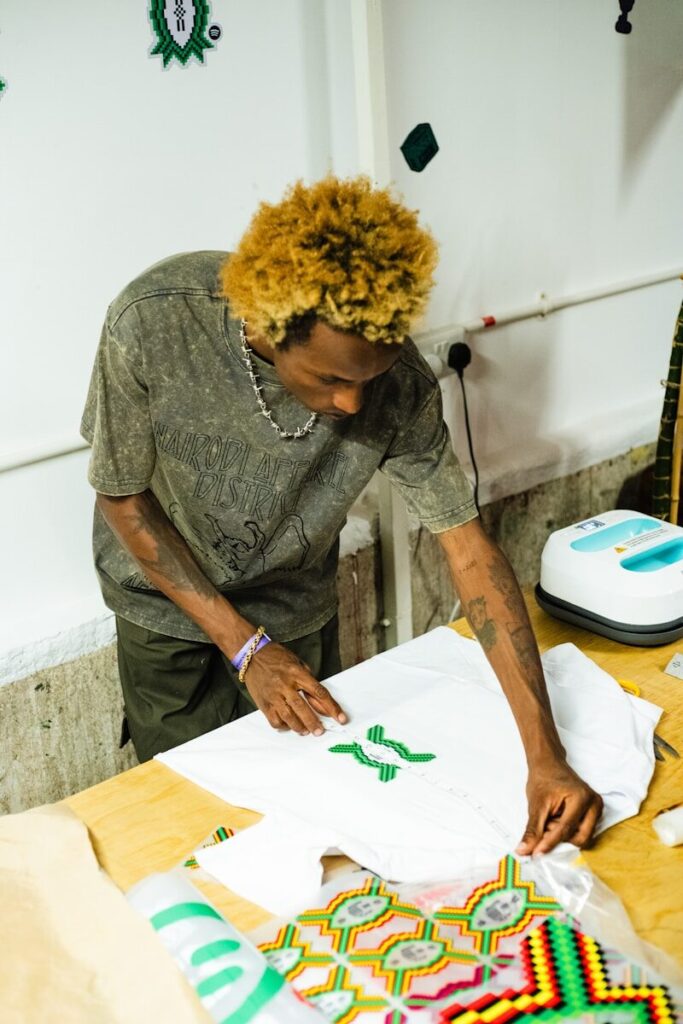
Photo by Dwayne joe on Unsplash
What About Buying the Best DTF Printer Instead?
This is a fair question—and in some cases, buying a printer does make sense. A business with very high, consistent transfer volume and the technical capacity to manage a full in-house production workflow may find that ownership pays off over time.
But for the majority of businesses researching DTF printing, the table below reflects the real-world trade-off:
If You Buy a DTF Printer |
If You Work With Limitless Transfers |
|---|---|
|
Large upfront equipment investment |
Pay only for transfers you need |
|
Daily nozzle checks |
No printer-side maintenance |
|
White ink management and clogging risk |
Production managed on my end |
|
Film, ink, powder, and curing equipment |
Order transfers and press |
|
RIP software setup and ICC color management |
Professional color management included |
|
Workspace and ventilation requirements |
Minimal production footprint |
|
Capacity must justify investment |
Scale orders up or down freely |
|
You manage printer troubleshooting |
I handle the production process |
|
Operator learning curve |
You focus on pressing and selling |
The right DTF printer is the one that makes sense for your business. For many businesses, that printer can be me.
How Does the Limitless Transfers Workflow Actually Work?
The process is straightforward:
Step 1: Create or Upload Your Artwork
Use the Limitless Transfers gang sheet builder to arrange your designs, or upload a print-ready gang sheet file directly.
Step 2: I Print Your DTF Transfers
I manage the professional DTF printing—color management, film, ink, white ink, powder application, and curing. You don’t touch the equipment.
Step 3: Receive Your Transfers
Fast turnaround with same-day shipping for orders placed by noon EST. Free UPS Ground on orders over $50.
Step 4: Press, Sell, and Grow
Apply transfers to garments and products using your heat press. Peel hot, move to the next piece, and focus on fulfilling customer orders.
Who Should Consider Limitless Transfers Instead of Buying a DTF Printer?
Small Businesses and Startups
Access professional transfers without an equipment investment. Test demand at low quantities before scaling production.
Print Shops and Apparel Decorators
Add DTF capability to your service offerings without adding a new printer, a maintenance routine, or a production bottleneck to manage.
Etsy, Shopify, and Amazon Sellers
Test designs and expand product catalogs without committing to equipment before your order volume justifies it.
DIY Creators and Hobbyists
Get professional-quality results without learning RIP software, managing white ink, or troubleshooting printheads.
Event and Promotional Product Companies
Handle school spirit wear, sports team orders, fundraiser apparel, and corporate merchandise efficiently—even on short timelines.
Frequently Asked Questions About the Best DTF Printer
What is the best DTF printer for a small business?
The answer depends on your order volume, available workspace, maintenance tolerance, technical experience, and budget. For many small businesses, ordering professional DTF transfers is a more practical starting point than purchasing a printer. Key factors when evaluating equipment include printhead technology, print speed, film width (most small-business machines accommodate up to approximately 13 inches), and whether the machine includes or supports automated powder curing. If ownership makes sense at scale, those factors help narrow the decision.
How fast is a DTF printer?
Speed varies significantly by machine and configuration. Entry-level single-head printers typically produce around 8–15 sq. ft./hr. Dual-head systems can reach approximately 30–50 sq. ft./hr. under favorable conditions. Actual throughput depends on print resolution, pass count, and design ink coverage. Advertised speeds and real-world production speeds are often different.
How wide is a typical small-business DTF printer?
Most small-business-oriented DTF printers accommodate film up to approximately 13 inches wide, which supports standard apparel graphics and gang-sheet production. Wider formats (17 inches and above) are available but tend to be more expensive and more space-intensive.
Does DTF printing require fabric pretreatment?
No. DTF transfers do not require the pretreatment process associated with DTG (direct-to-garment) printing. The adhesive powder layer bonds the transfer to the fabric during heat press application without any prior fabric preparation.
Does DTF work on dark-colored shirts?
Yes. The white ink layer in DTF printing creates an opaque base that allows CMYK colors to appear accurately on dark and colored garments. This is a key advantage over printing methods that lack a white underbase.
What materials can DTF transfers be applied to?
DTF transfers are compatible with a wide range of materials, including cotton, polyester, blended fabrics, nylon, leather, denim, canvas, wood, neoprene, non-woven materials, and polypropylene. They work on both light and dark substrates.
How much maintenance does a DTF printer require?
DTF printers require regular maintenance, including daily nozzle checks, white ink stirring or circulation to prevent settling, automated and manual cleaning cycles, and periodic deep cleaning of printheads. Maintenance requirements vary by machine, but no DTF printer is maintenance-free.
Can I buy DTF transfers instead of owning a DTF printer?
Yes—and that is exactly what Limitless Transfers provides. Professional DTF transfers, produced with award-winning quality, shipped fast, with no setup fees and no minimum order requirements.
Maybe the Best DTF Printer Is the One You Don’t Have to Own
If you’ve spent time searching for the best DTF printer, you’ve seen how many variables are involved: printhead specifications, print speed benchmarks, film width, software compatibility, maintenance systems, and total setup costs. The research can be overwhelming—and that’s before you’ve factored in the ongoing responsibility of running the equipment.
I give businesses access to everything the best DTF printer can produce, without any of the overhead. Award-winning color quality. True hot-peel performance. Expanded-gamut CMYK+RGBO+W printing. Fast turnaround. Gang sheet tools. No setup fees. No minimums. Broad material compatibility. A one-stop shop that covers transfers, heat presses, and supplies.
The best DTF printer for your business might not be a machine at all. It might be a professional DTF printing partner with reliable performance, speed, and quality who handles the production side so you can focus on pressing, selling, and growing.
Ready to skip the printer? Start your order at Limitless Transfers, build your first gang sheet, or grab a free sample and see the quality for yourself.