If you’ve spent any time working with DTF transfers, you already know how powerful this method can be.
But here’s the truth: most people realize after a few projects…
Getting a decent print is easy.
Getting consistent, high-level, repeatable professional results takes a refined process.
At Limitless Transfers, we work with everyone from beginners using a Cricut setup to full-scale print shop operations running bulk orders. The difference always comes down to mastering the small details.
This guide is built to help you do exactly that, while also helping you better understand how DTF printing, materials, and workflow all come together.
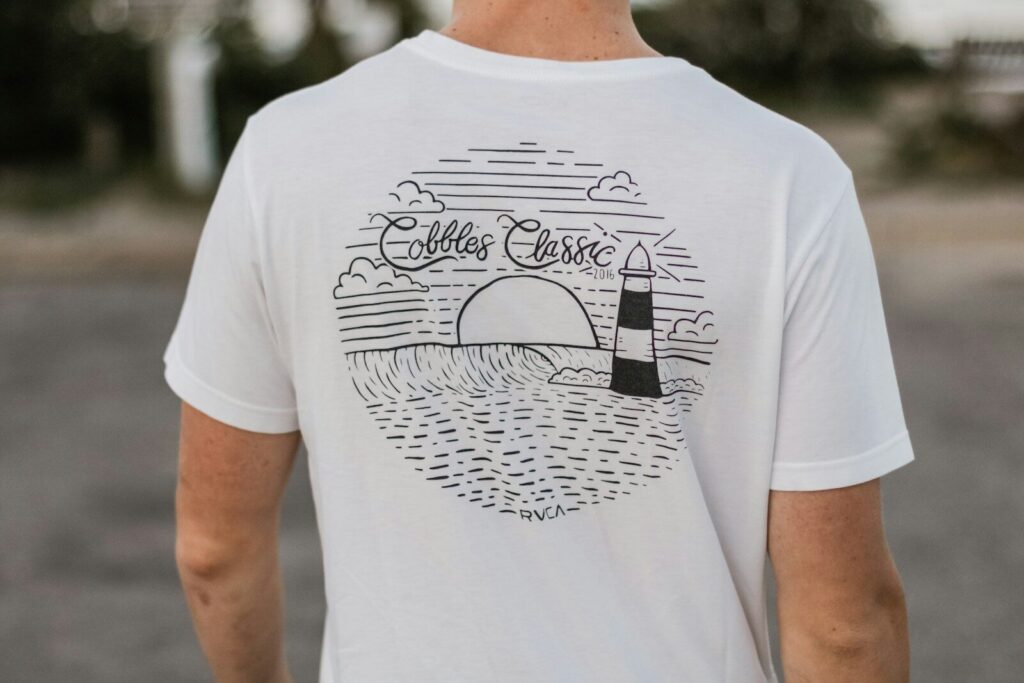
Photo by Sincerely Media on Unsplash
Preparing Artwork for DTF Transfers
Why Artwork Is the Foundation of High Quality Prints
Before anything touches your heat press, your final result is already being shaped.
Even the best high-quality DTF transfers can’t fix a low-quality file. If your image is blurry or poorly designed, your print will reflect that.
To get the most out of your DTF transfer printing, always:
- Use high-resolution artwork
- Keep edges clean and sharp
- Avoid compression artifacts
- Ensure transparency is correct
This is what allows DTF to produce fine details, full color designs, and clean color designs that stand out.
Designing for Vibrant Colors and Print Accuracy
One of the biggest advantages of direct-to-film technology is the ability to produce:
- Vibrant colors
- Strong contrast
- Clean gradients
With specially formulated DTF inks and special film, your designs can achieve unmatched quality across a wide range of materials.
If you want your designs to stand out:
- Use bold contrasts
- Avoid overly thin lines
- Test color balance before you upload your design
Using DTF Gang Sheets to Maximize Efficiency
If you’re working with multiple designs, dtf gang sheets are essential.
A gang sheet lets you:
- Combine more designs into one layout
- Reduce waste
- Improve your workflow
Whether you’re producing for a small business or fulfilling bulk orders, using a sheet layout is one of the most cost-effective ways to manage production.
Press Settings That Matter in DTF Printing
The Three Core Variables: Heat, Pressure, Time
Your heat press controls everything about how your film transfers bonds to the fabric.
To get consistent, high-quality prints, you need to balance:
- Heat
- Pressure
- Time
Heat: Activating the Adhesive Without Overheating
Too little heat, and your transfer won’t bond.
Too much, and you risk:
- Dulling vibrant colors
- Weakening the ink
- Reducing overall durability
Finding the right balance ensures strong adhesion without damaging the design.
Pressure: Even Contact Across the Entire Surface
Uneven pressure can lead to:
- Lifting edges
- Incomplete adhesion
- Inconsistent results
Make sure your press applies even pressure across the entire garment, especially when working with larger layouts or roll-style production.
Time: Don’t Rush the Process
Rushing your press cycle is one of the fastest ways to create problems.
Give your dtf transfers ready for application enough time to fully bond.
This is especially important when working with:
- Thicker fabrics
- Larger designs
- Complex full color layouts
The Second Press: Locking in Durability
After your first press and peel, always:
- Cover the design
- Apply a second press
This step improves:
- Durability
- Resistance to cracking
- Long-term performance through repeated washes
Application Tips for Long-Lasting Results
Start with Proper Garment Preparation
Before applying your custom DTF transfers:
- Pre-press your garment
- Remove moisture
- Smooth the surface
This ensures better adhesion and more consistent results.
Press, Peel, Then Heat Again
The workflow is simple:
- Press
- Peel (hot peel)
- Press again
This process is what makes DTF transfers work so effectively.
It’s also what makes them super easy compared to other printing methods like vinyl or screen printing.
Adjusting for Different Materials
DTF is incredibly flexible and works on:
- Cotton
- Polyester
- Cotton/polyester blends
- Canvas
- Even some suitable hard goods
However, each material behaves differently.
For example:
- Polyester can be prone to dye migration
- Blends may require slight temperature adjustments
Understanding your material helps you maintain consistent quality.
Expanding Beyond Apparel
DTF isn’t limited to t-shirts.
You can also use it for:
- Tote bags
- Hoodies
- Accessories
- Certain hard surfaces like phone cases (with UV DTF)
This opens up more opportunities without needing additional equipment.
Common Mistakes and How to Avoid Them
Mistake #1: Skipping the Second Press
Skipping this step reduces:
- Durability
- Wash performance
- Overall lifespan
Fix: Always press twice.
Mistake #2: Using Low-Quality Transfers
Not all transfers are equal.
Low-quality options can lead to:
- Fading
- Weak adhesion
- Poor fine details
Working with a reliable transfer company ensures better results.
Mistake #3: Incorrect Press Settings
If your prints are:
- Peeling
- Cracking
- Fading
Your settings are likely off.
Fix:
- Adjust heat, pressure, and time
- Test your process before full production
Mistake #4: Overcomplicating the Workflow
DTF is designed to be simple.
You don’t need:
- Complex setups
- Expensive DTF printers
- Advanced tools
Keep your process streamlined.
Why DTF Transfers Are Leading the Industry
Compared to screen printing, sublimation, and other printing methods, DTF offers:
- No minimum quantity
- No setup or art fees
- Ability to produce full color designs
- Compatibility with multiple fabrics
- Fast turnaround and fast shipping
You can:
- Order online
- Get your transfers at a competitive sale price or regular price
- Receive them quickly with free shipping options
- Start pressing immediately
This makes DTF ideal for:
- Small shops
- Growing brands
- High-volume operations
Resources to Learn More About DTF Transfers
If you want to go deeper into DTF transfers, DTF printing, and how to get the most out of your workflow, here are some trusted resources worth exploring. These cover everything from beginner basics to advanced techniques, materials, and best practices.
Industry Guides & Educational Resources
- Understanding Direct-to-Film (DTF) Printing: A Comprehensive Guide
- Beginner’s Guide to Direct-to-Film (DTF) Transfer
- Artwork Tips for DTF Transfers: Make the Most Out of Your DTF
Technical & Process-Focused Resources
- The DTF Printing Process Explained | ColDesi
- How DTF Printer Works: A Comprehensive Guide to DTF Printing
- What is DTF Printing? The Ultimate Guide
- Direct To Film vs. Screen Printed Transfers: Which One Is Right For Your Project?
- DTF Printing: A Beginner’s Guide To Production Setup
Heat Press & Application Tips
- How to Press and Apply DTF Transfers
- Step-by-Step Guide: How to Apply DTF Transfers Like a Pro
- How To Apply DTF Transfers to Garments
- How to Print and Press DTF Transfers
Why These Resources Matter
These guides can help you better understand:
- How DTF transfers work from start to finish
- Differences between DTF printing and other printing methods, like screen printing or vinyl
- How to improve durability, reduce cracking, and prevent fading
- Best practices for using a heat press and achieving professional results
- How to choose the right materials for custom apparel and different fabrics
If you’re serious about improving your results, learning from multiple trusted sources is one of the best ways to sharpen your process. Combine that knowledge with high-quality DTF transfers, and you’ll be in a great position to create consistent, long-lasting prints every time.
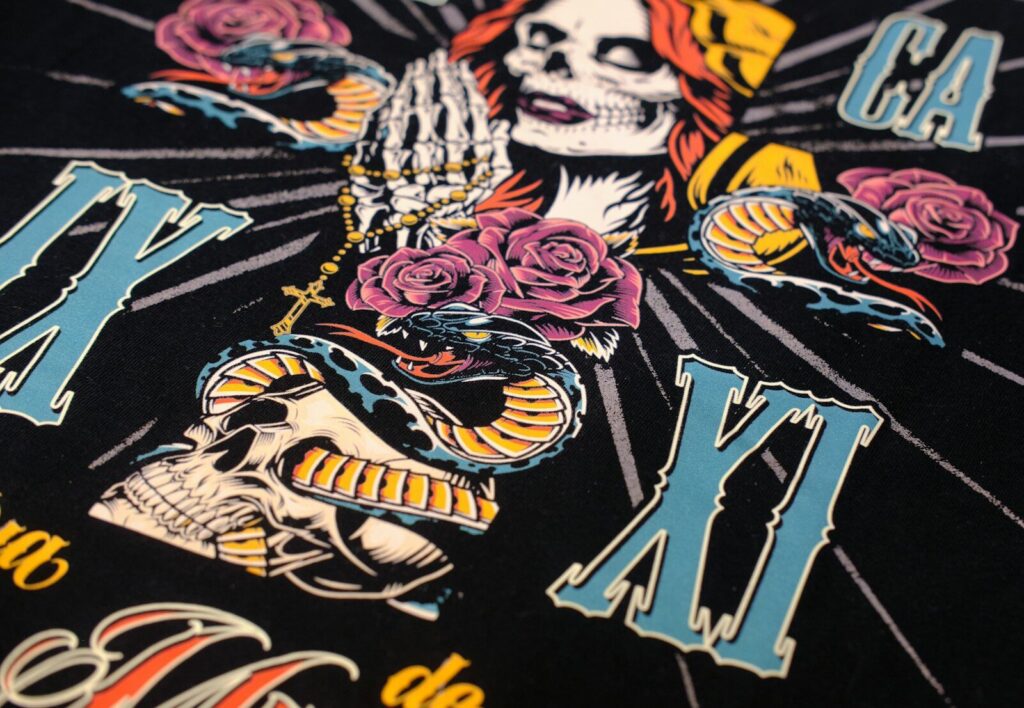
Photo by Glenn Diaz on Unsplash
Final Thoughts
Mastering DTF transfers is about consistency, not complexity.
When you:
- Prepare your artwork correctly
- Dial in your heat press settings
- Follow a simple, repeatable process
You create a workflow that delivers professional results every time.
At Limitless Transfers, we support that process with:
- High-quality DTF transfers
- Fast, reliable shipping (often within a business day)
- Easy tools to upload and manage your designs
- A commitment to customer satisfaction and a true satisfaction guarantee
Whether you’re just getting started or scaling your operation, DTF gives you a flexible, durable, and cost-effective way to grow.
Press it. Perfect it. And keep leveling up your prints.