Hot peel DTF transfers let you remove the carrier film immediately after pressing, instead of waiting for it to cool. This cuts production time, delivers vibrant CMYK+white color, works on nearly any fabric, and gives print shops a soft-hand finish that customers notice. Limitless Transfers’ award-winning True Hot Peel transfers are built specifically for this faster workflow.
I’ve run a custom apparel business long enough to know that speed and quality rarely show up in the same sentence — until hot peel DTF transfers came along. Custom apparel businesses are constantly hunting for ways to push more orders through the shop without cutting corners on print quality, and hot peel direct-to-film (DTF) technology has become one of the biggest answers to that problem.
If you’ve shopped around for transfers, you’ve probably seen the terms “hot peel” and “cold peel” thrown around without much explanation. The short version: hot peel transfers are removed from the garment immediately after pressing, while cold peel transfers require you to wait for the garment to cool before lifting the film. That difference sounds small, but it changes everything about how fast — and how well — your shop can produce.
I switched my own print operation over to True Hot Peel DTF Transfers from Limitless Transfers, and the shift in both turnaround time and print quality is the reason I’m writing this. Below, I’ll break down what hot peel DTF transfers actually are, how they stack up against cold peel, and the seven reasons they’re reshaping custom apparel production for shops of every size.
Photo by Alex Haigh on Unsplash
What Are Hot Peel DTF Transfers?
The Technology Behind the Name
A “hot peel” transfer is defined by one specific step: the carrier film comes off immediately after the heat press opens, while the garment and print are still warm. According to Wikipedia’s overview of direct-to-film printing, the DTF process involves printing a mirrored design onto PET film using CMYK inks plus a white ink backing layer, then applying a thermoplastic polyurethane (TPU) hot-melt powder while the ink is still tacky. That powder is cured, and the resulting film can be stored and pressed onto a garment later — which is part of why DTF transfers are so convenient for shops that print on demand.
What makes a transfer specifically “hot peel” comes down to the release coating used on the film. Hot peel films use a wax-based release coating that lets go of the ink layer as soon as heat is applied, so the carrier can be pulled away right after pressing. Traditional cold peel films typically rely on a silicone-based coating that needs to cool before it releases cleanly. Hot peel DTF film works in tandem with DTF powder and the heat press to create a consistent, repeatable transfer every time, provided the pressing conditions are right.
For most hot peel DTF transfers, the sweet spot is:
- Temperature: 300–310°F (approximately 140–160°C)
- Time: 6–10 seconds
- Pressure: Medium
Hitting these numbers matters. Press too cool or too briefly, and the ink won’t bond properly. Peel too late, and you lose the speed advantage that makes hot peel worth using in the first place. Immediate peeling, done at the right temperature, produces the strongest adhesion and the cleanest release.
Hot Peel vs. Cold Peel DTF Transfers: Understanding the Difference
| Factor | Hot Peel | Cold Peel |
|---|---|---|
| When you peel | Immediately after pressing | After the garment cools |
| Workflow speed | Faster | Slower |
| Production throughput | Higher | Lower |
| Feel | Soft, integrated into the fabric | Slightly thicker, matte |
| Finish | Smooth, glossy | Matte |
| Best for | Bulk orders, high-volume shops | Some 100% polyester and lightweight tri-blends |
| Dye migration risk | Standard | Sometimes lower risk on polyester |
Cold peel transfers require you to let the garment sit until it’s cool to the touch before removing the film, which adds real time to every single press when you’re running dozens or hundreds of garments. Hot peel transfers skip that wait entirely.
That said, cold peel isn’t obsolete. Some shops prefer cold peel for 100% polyester garments or lightweight tri-blends, where the slower cooling process can help reduce the risk of dye migration — a phenomenon where dyes in polyester fabric “bleed” into the print under heat. Cold peel also tends to produce a slightly different, more matte finish, which some customers specifically request. Hot peel, by contrast, delivers a smoother, glossier finish with a softer, more integrated feel once it’s washed a few times.
If your priority is production speed and you’re not working exclusively with polyester, hot peel is generally the better choice. If you’re printing primarily on polyester performance wear and dye migration is a known risk with your fabric supplier, cold peel may be worth considering for that specific run.
7 Reasons Hot Peel DTF Transfers Are Changing the Industry
1. Faster Production Means More Orders Per Day
The single biggest advantage of hot peel transfers is the time you get back. Because you peel the film immediately, there’s no cooling period between pressing one garment and moving to the next. That eliminates one of the most common bottlenecks in a DTF workflow: downtime.
For high-volume shops, promotional companies, school apparel vendors, and corporate order fulfillment, those saved seconds add up fast across hundreds of units. Some shops have even started offering same-day printing specifically because hot peel transfers make it realistic to turn around large orders within a single business day.
2. Vibrant Color Accuracy That Customers Notice
Hot peel DTF transfers are printed using CMYK plus a white underbase, which produces rich color saturation, sharp gradients, and crisp fine detail — even on small lettering. I’ve found that the color consistency from batch to batch is what separates a professional-looking transfer from an amateur one. Limitless Transfers has earned back-to-back first-place recognition for DTF print quality, and the difference shows up immediately when you compare a faded, inconsistent print to one with true color accuracy and bold saturation.
3. Soft-Hand Feel Customers Love
Nobody wants a shirt that feels like it’s wearing a sticker. Hot peel transfers are known for a softer hand feel compared to thicker decoration methods, because the print integrates into the fabric rather than sitting rigidly on top of it. That translates to a smooth, glossy finish that holds up through repeated washes without cracking or feeling stiff — a detail that matters a lot more to your customers than most people assume.
4. Works on Almost Every Material
One of the most practical benefits of hot peel DTF is just how many substrates it’s compatible with. I’ve personally pressed hot peel transfers onto cotton, polyester, cotton blends, tri-blends, canvas, denim, nylon, leather, and even wood.
That flexibility doesn’t mean every fabric gets treated the same way, though. Delicate fabrics need a lighter touch and slightly adjusted settings, and it’s worth testing an unfamiliar garment before running a full batch. For a deeper look at how different fibers behave under heat and pressure, Cotton Incorporated’s fabric resources are a solid reference for understanding cotton and blended fabric performance specifically.
5. Incredible Design Freedom
Unlike heat transfer vinyl (HTV), which requires layering multiple colors and weeding out excess material by hand, DTF printing handles full-color artwork, fine lines, gradients, and even photographic images in a single pass. There’s no weeding, no stacking layers, and no limit on how intricate your artwork can get. That opens up creative options that simply weren’t practical with older decoration methods.
6. Easier Order Fulfillment for Growing Businesses
Faster production doesn’t just help big operations — it’s arguably more valuable for small and scaling businesses. Etsy sellers, Shopify store owners, Amazon sellers, event companies, and promotional businesses all depend on quick turnaround to keep customers happy. Hot peel transfers make it realistic to handle bulk orders and same-day shipping without hiring extra staff.
Ordering with no minimum quantity requirements also matters here. You can order exactly what you need, scale up as your business grows, and avoid tying up cash in inventory you might not sell.
7. User-Friendly Ordering Makes Production Even Easier
The best hot peel DTF suppliers also make the ordering process painless. Limitless Transfers, for example, offers two main paths:
Upload by Size — Select your transfer size first, then upload your artwork. It’s a straightforward option when you already know your print dimensions.
Gang Sheet Builder — This tool lets you combine multiple designs onto a single sheet, reducing wasted film and maximizing material usage, which lowers your overall cost per transfer. For shops running multiple small orders at once, gang sheets are one of the easiest ways to improve margins without changing anything about your actual print quality.
Having heat presses and supplies available from the same supplier rounds things out, making it a one-stop shop rather than juggling multiple vendors.
Best Heat Press Settings for Hot Peel DTF Transfers
Getting consistent results comes down to three variables: temperature, time, and pressure.
Recommended settings:
- Temperature: 300–310°F (140–160°C)
- Time: 6–10 seconds
- Pressure: Medium
Consistent heat across the entire platen is critical — hot spots or cool spots on your press will show up as uneven adhesion on the garment. Even pressure matters just as much; too little pressure and the ink won’t bond fully, too much and you risk flattening texture or damaging delicate fabric. Once the press cycle finishes, open it and peel immediately — waiting even a few extra seconds on a hot peel transfer can affect the release.
A Teflon sheet is worth using on more delicate or textured fabrics to protect them from direct platen contact. For additional background on heat press mechanics and best practices, Stahls’ Heat Printing Learning Center and the Heat Transfer Warehouse Learning Center on Youtube both offer general education on heat application techniques.
Pro Tips for Better Results
A few habits separate consistently good results from frustrating trial and error:
- Store transfers properly. Keep them flat, away from direct sunlight, and in a dry environment.
- Control humidity. Excess humidity affects how well the DTF powder adheres and cures, which can lead to weak or patchy prints.
- Make sure garments are moisture-free before pressing. Dampness interferes with adhesion.
- Use even, consistent pressure across the entire design — avoid pressing too lightly.
- Don’t overheat delicate fabrics, even if your “standard” settings work fine on heavier cotton.
- Consider a second press after the initial transfer. Post-pressing for a few extra seconds can meaningfully improve wash durability.
- Test unfamiliar garments before committing to a full production run, especially anything outside standard cotton or polyester blends.
For textile safety and material certification information — useful if your customers ask about chemical safety standards — OEKO-TEX maintains widely recognized testing and certification standards for garments and textiles.
Common Mistakes to Avoid
Even experienced print shops run into these issues occasionally:
- Waiting too long before peeling a hot peel transfer
- Peeling too early, before the garment has reached the correct temperature
- Using incorrect pressure (too light or too heavy)
- Pressing at the wrong temperature for the specific fabric
- Using low-resolution artwork that prints blurry or pixelated
- Skipping the post-press step, which reduces wash durability
- Applying hot peel settings to 100% polyester without accounting for dye migration risk
- Ignoring manufacturer-specific instructions when switching between transfer brands
Why I Choose Limitless Transfers for Hot Peel DTF Transfers
After testing several suppliers, Limitless Transfers has become my go-to for hot peel DTF transfers, and it comes down to a handful of specific reasons. Their True Hot Peel technology delivers the fast, reliable peel I described throughout this post, backed by back-to-back first-place recognition for DTF print quality. Orders placed before noon EST ship same day, and orders over $50 qualify for free UPS Ground shipping — both of which matter when you’re trying to keep customers happy on tight timelines.
There are no minimum order requirements, so I can order exactly what a job needs, whether that’s a handful of transfers or a full gang sheet. Between the Upload by Size option and the Gang Sheet Builder, ordering takes minutes, and having heat presses and supplies available from the same company means I’m not juggling three different vendors to run my shop.
If you’re ready to see the difference for yourself, upload your artwork, build a gang sheet, or place an order by size and start producing with the speed and color accuracy hot peel DTF transfers are known for.

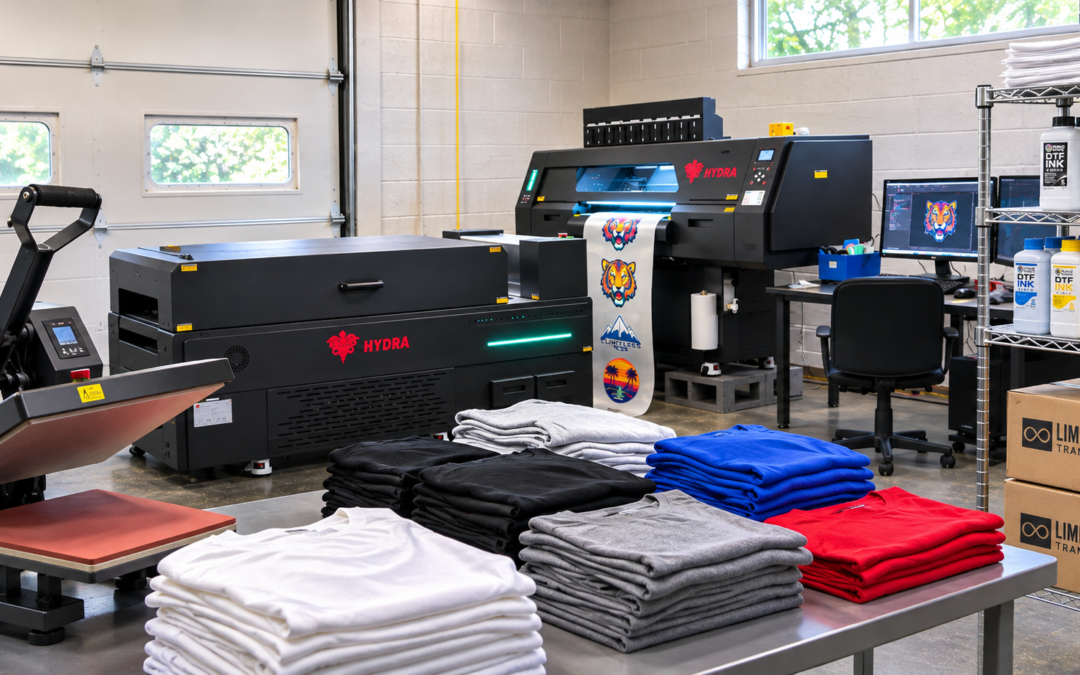
Photo by WebTechExperts on Pixabay
Frequently Asked Questions
Which is better, hot peel or cold peel DTF?
It depends on your production goals. Hot peel is generally better for shops prioritizing speed, high-volume output, and a soft, glossy finish. Cold peel can be preferable for certain 100% polyester garments or lightweight tri-blends where reducing dye migration risk is a priority.
How do I know if my DTF transfer is hot or cold peel?
Always check the manufacturer’s instructions first, since peel type is determined by the release coating used on that specific film. If instructions aren’t available, test a small section: hot peel transfers release cleanly right after pressing, while cold peel transfers will resist removal until the garment cools.
Are Jiffy DTF transfers cold peel or hot peel?
Peel type depends on the specific product and manufacturer rather than the brand name alone. Follow the supplier’s instructions for that particular transfer rather than assuming all transfers from one brand behave the same way.
Do DTF transfers peel?
Yes. After pressing, the carrier film is removed from the garment, a step known as peeling. Hot peel transfers are removed immediately while still warm, while cold peel transfers require the garment to cool first. Proper technique for either method helps ensure a clean release and strong adhesion.
For broader industry context on where DTF technology is headed, PRINTING United Alliance and its iLearning+ education platform both cover emerging trends across the decorated apparel space, including automation and evolving print technology.