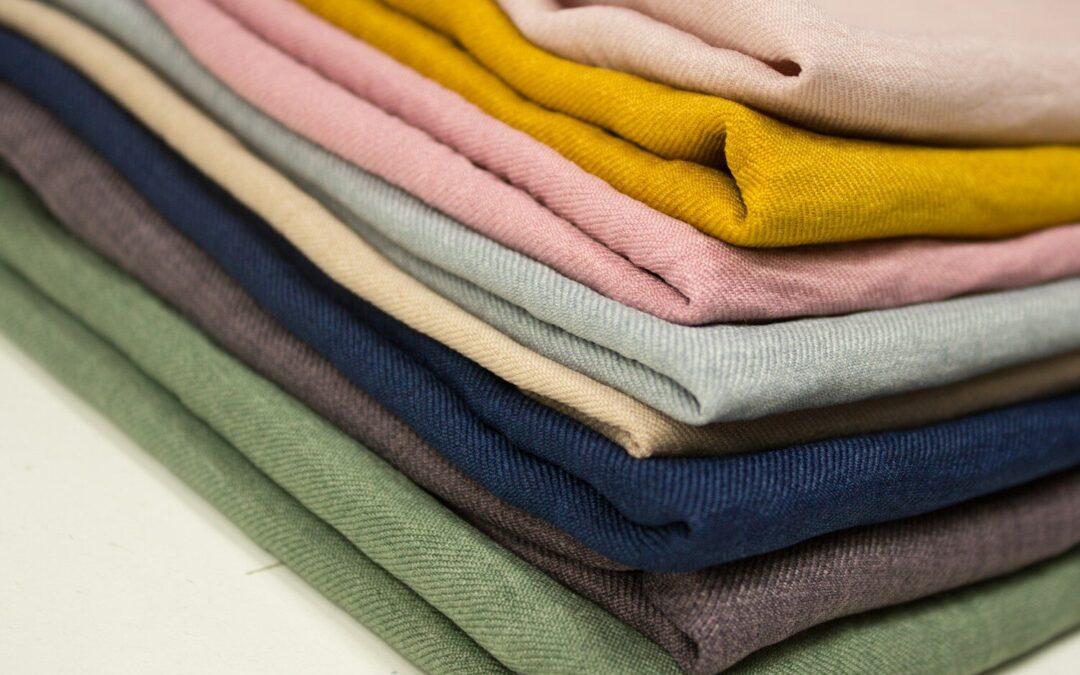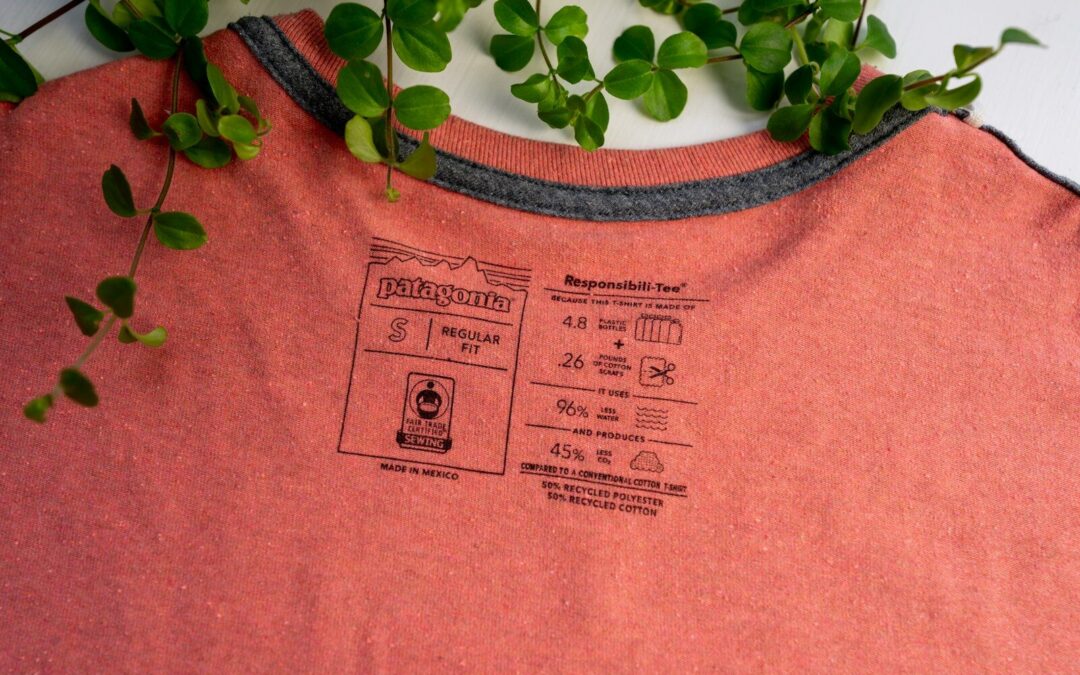
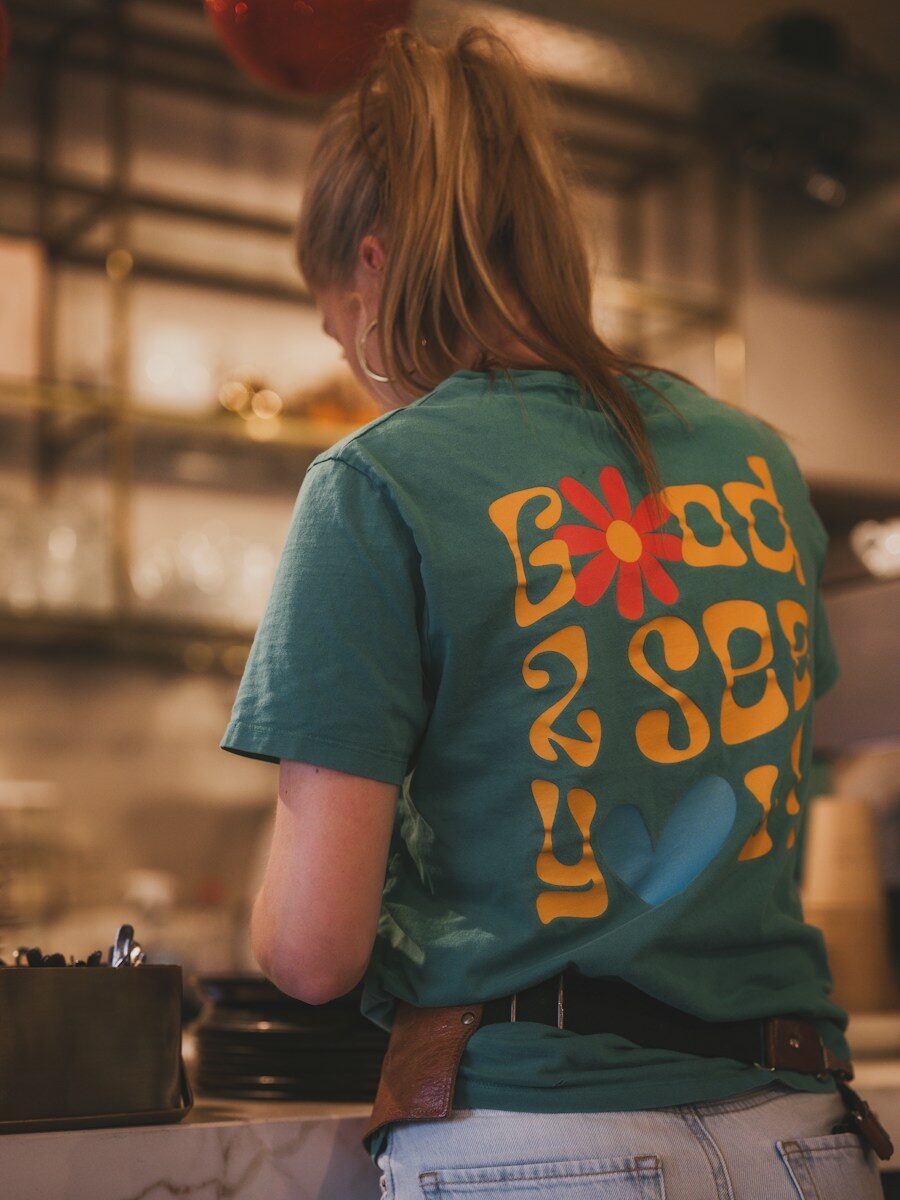
Uniform shirts give schools and organizations a polished, unified look while making staff easy to identify. At Limitless Transfers, I create custom uniforms using DTF (direct-to-film) transfers—a method that delivers full-color, durable designs on almost any fabric, with no minimums and no expensive equipment required.
A matching set of uniform shirts does more than tidy up a group photo. It builds recognition, signals professionalism, and helps students, parents, customers, and visitors know exactly who to turn to for help. Whether you run a school, a coaching staff, a hospitality team, or a nonprofit, coordinated apparel sends a clear message about who you are.
Here’s the good news: you don’t need embroidery machines or a full screen printing setup to pull it off. As a supplier of award-winning hot-peel DTF transfers, I help everyone from DIY creators to large institutions produce sharp, long-lasting custom shirts. DTF technology reproduces detailed, full-color artwork on cotton, polyester, blends, and more—all without the setup fees and minimums that come with older decoration methods.
In this guide, I’ll walk you through everything: why uniform shirts matter, how to choose the right apparel and fabric, how to prepare your logo, and how to order and press your transfers step by step. By the end, you’ll know exactly how to create professional uniforms for your school or organization.
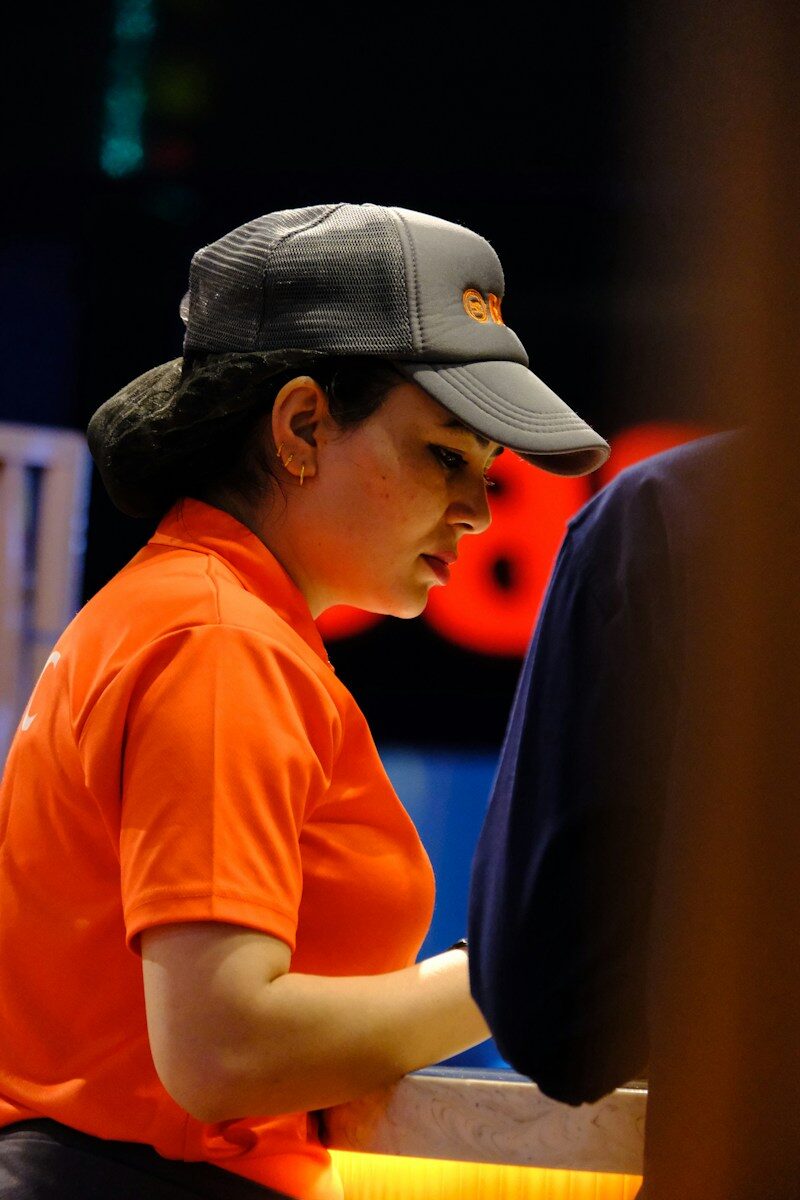
Photo by Muhammed Sultan Ali on Unsplash
Why Uniform Shirts Matter for Schools & Organizations
They build a professional identity
Uniform shirts strengthen your brand every time someone wears one. A consistent logo across every garment improves recognition, keeps departments looking cohesive, and helps people quickly identify who’s on staff. For schools especially, a branded shirt signals authority and belonging—useful during busy pickup lines, field trips, and open houses.
They create team unity
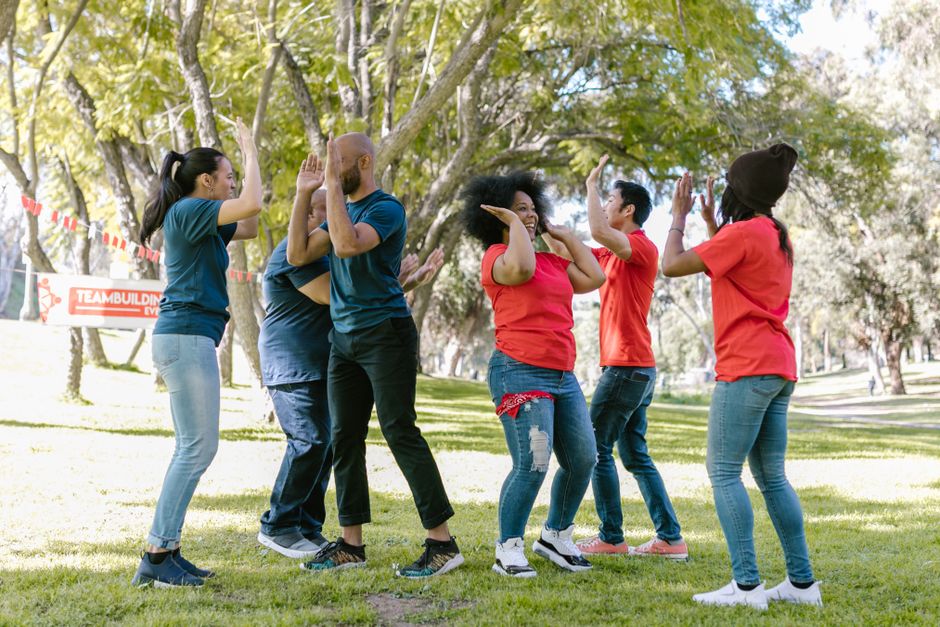
There’s a reason teams wear matching gear. Shared apparel builds a sense of belonging among faculty, coaches, volunteers, office staff, student organizations, and event personnel. When everyone looks like part of the same group, they feel like it too.
They serve different purposes across industries
Not every uniform shirt does the same job. The right style depends heavily on the work environment:
- Schools often use branded polos for teachers and staff.
- Corporate offices commonly feature branded polos and button-down shirts.
- Healthcare uniforms include scrubs and lab coats.
- Public safety apparel is engineered for equipment and mobility.
- Construction frequently requires high-visibility clothing to keep workers safe. The OSHA guidelines on personal protective equipment explain when high-visibility garments are required on job sites.
- Food service teams often prefer darker colors that hide stains and spills.
Worker safety and comfort go hand in hand. The CDC’s National Institute for Occupational Safety and Health (NIOSH) offers helpful research on protective workplace apparel worth reviewing if your team works in demanding conditions.
Step 1: Choose the Right Type of Uniform Shirt
Picking your apparel first makes the whole decorating process smoother. Here are the most common options.
Polo shirts
Polos are the most popular choice for school staff, and for good reason. They’re comfortable, professional, and breathable—ideal for teachers, retail associates, hospitality workers, and casual business settings and agencies. For a deeper dive into matching garments to specific use cases, check out a comprehensive guide to the best types of shirts for every occasion. Look for moisture-wicking performance polos, quick-drying fabrics, or classic cotton/poly blends.
Button-down shirts
Button-downs deliver a more formal look. They’re best for administration, office personnel, corporate environments, and front-office staff who want a polished, professional appearance.
T-shirts
T-shirts are the go-to for field day, clubs, summer camps, volunteers, physical labor, school maintenance crews, and spirit wear. They’re affordable, easy to wear, and take DTF transfers beautifully, especially when you follow a complete guide to printing T-shirt transfers to choose the right method and setup for your needs.
Performance shirts
Constructed from polyester performance fabrics, these shirts wick moisture and dry quickly—perfect for outdoor staff, coaches, and athletic departments. Performance polyester is one of today’s most popular uniform materials thanks to its durability and comfort during active work, making it ideal when you make your own jerseys with DTF transfers for school teams or leagues.
Step 2: Choose the Best Fabric
Fabric affects comfort, durability, appearance, and how well your design prints. Here’s what to know.
Cotton-polyester blends
Blends are the industry gold standard. They’re soft, durable, and wrinkle resistant—and they work exceptionally well with DTF transfers. For most schools and organizations, a cotton/poly blend hits the sweet spot and showcases the advantages of DTF printing for custom apparel in day-to-day wear.
Polyester
Polyester wicks moisture, dries fast, and holds color well, making it a strong pick for active jobs and outdoor roles. It also pairs well with DTF transfers compared to basic iron-on methods when you need long-lasting, professional results.
Cotton
Cotton is prized for its softness and comfort, and it produces excellent print quality. If you want to learn more about cotton’s properties and care, Cotton Incorporated is a great resource covering fabric technology and performance.
When durability really matters, it helps to understand how textiles are tested for wash and wear. The American Association of Textile Chemists and Colorists (AATCC) sets the performance and testing standards used across the apparel industry.
Step 3: Consider Your Work Environment
Choose apparel based on how the shirts will actually be worn day to day.
- Hospitality: Stain resistance matters. Dark colors hide spills and keep staff looking fresh through a long shift.
- Construction: High-visibility shirts improve safety, and bright colors help workers stand out around equipment and traffic.
- Outdoor staff: Prioritize moisture-wicking, breathable fabrics that handle UV exposure and heat.
- Office staff: Button-downs and polos deliver the professional appearance clients expect.
Step 4: Prepare Your School or Organization Logo
Your artwork determines your final result, so start with a clean, high-quality file. Vector artwork is preferred, but a high-resolution PNG with a transparent background works well too. Make sure your logo is sized correctly before you order.
This applies whether you’re using a school mascot, a district logo, a club logo, or a department logo. Crisp, well-proportioned artwork presses cleanly and looks professional on every shirt.
Step 5: Decide Where Your Design Goes
Placement changes the entire feel of a uniform. Here are the most common spots.
Left chest
Subtle and professional—perfect for teachers, office staff, and administrators.
Full front
Bold and eye-catching—great for clubs, events, and spirit wear.
Full back
Highly visible—ideal for your school name, department, or athletic staff identifiers.
Sleeve placement
A nice finishing touch for mascots, school initials, department labels, or sponsor logos. Some organizations even combine embroidered logos with DTF graphics on the same garment, depending on the fabric and look they want.
Step 6: Keep Branding Consistent Across Every Shirt
Consistency is what separates a professional uniform program from a random pile of shirts. I recommend standardizing:
- Logo sizing
- Placement measurements
- Matching transfer or thread colors
- Department identifiers
- Grade levels
- Staff titles
One extra tip: adjust your logo size slightly across youth and adult garments so it appears visually balanced on every shirt, rather than pressing the exact same dimensions on every size.
Step 7: Determine Sizes & Quantities
Before ordering, build a simple staff sizing chart and account for youth versus adult sizing. Always order a few extras for new hires and replacements so your look stays consistent as your team grows. Because Limitless Transfers has no minimum order quantities, you can order exactly what you need now and reorder more later without penalty.
Step 8: Order Your DTF Transfers
Once your artwork and quantities are ready, ordering is simple. I offer three flexible ways to do it, and you can browse all transfer formats and accessories in my online shop for DTF transfers and supplies.
Gang sheet builder
Our web-based gang sheet builder lets you arrange multiple logos, sizes, and department designs onto a single page. It’s a smart way to save money and organize a full uniform program in one order—no design software required, especially when you start directly with our DTF gang sheets with builder.
Upload ready-to-print gang sheets
Already have your files laid out? Upload ready-to-print gang sheets sized 22.5″ wide and any length. This option is ideal for print shops and designers who want full control.
Order by size
New to DTF? Just upload individual PNG designs and pick from predefined transfer sizes. It’s the easiest path for beginners and a great way to access top DTF custom transfers with fast delivery without worrying about complex layouts.
Every order ships fast: same-day shipping on orders placed before noon EST (or next business day), free UPS Ground shipping on orders over $50, and back-to-back award-winning print quality from 2024 and 2025.
Step 9: Press Your Uniform Shirts
Here’s how to apply your transfers cleanly:
- Set up your heat press according to the recommended temperature, time, and pressure for your transfer and garment.
- Position the transfer on the shirt, using placement measurements for consistency.
- Press with firm, even pressure for the recommended dwell time.
- Hot peel the film away immediately—no waiting required.
- Finish with a final press to lock in the design and improve durability.
The biggest time-saver here is true hot-peel technology. Because our transfers peel cleanly while still hot, you can move from one shirt to the next quickly—perfect for large uniform runs where speed matters.

Why I Recommend DTF Instead of Embroidery for Many Uniform Projects
Embroidery has its place, but DTF is often the better fit for uniform programs, especially when you use high-quality hot-peel DTF transfers that press quickly and cleanly on a wide range of fabrics. Here’s why.
DTF advantages:
- Full-color designs with no color limits
- Reproduces small details and fine text
- Soft-hand feel that stays comfortable
- Lower cost, especially for smaller runs
- Faster production
- Easy application
- No digitizing fees
Embroidery still shines for premium corporate apparel where a stitched, textured logo is the desired look. But for colorful mascots, detailed graphics, personalized names, and mixed departments, DTF gives you more flexibility at a lower cost. The PRINTING United Alliance is a solid resource if you want to dig deeper into apparel decoration methods and best practices.
Uniform Shirt Recommendations by Industry
| Industry | Recommended shirt |
|---|---|
| Schools | Cotton/poly polos |
| Teachers | Performance polos |
| Coaches | Moisture-wicking polyester |
| Hospitality | Stain-resistant polos |
| Restaurants | Dark-colored polos |
| Construction | High-visibility performance shirts |
| Healthcare | Scrubs and lab coats |
| Corporate | Button-down shirts |
| Retail | Branded polos |
| Warehouses | Durable work shirts |
| Public safety | Engineered duty shirts |
| For specialized needs, plenty of apparel makers offer industry-specific blanks worth exploring—Carhartt custom work shirts for industrial businesses, Blauer uniforms for police and EMS, First Class Apparel polyester shirts for public safety, and Ryno Gear ripstop duty shirts, among others. Whatever blanks you choose, DTF transfers can decorate them. |
If you plan to advertise your apparel as American-made, review the Federal Trade Commission’s Made in USA labeling guidance so your product claims stay accurate and compliant.
Why Customers Choose Limitless Transfers
Here’s what sets my transfers apart:
- 🏆 Award-winning quality (1st place, 2024 & 2025)
- True hot-peel performance for faster pressing
- Vibrant expanded-gamut CMYK+W printing
- Soft-hand finish, even on large designs
- Same-day shipping on orders before noon EST
- No minimums
- Free UPS Ground shipping on orders over $50
- Works on cotton, polyester, blends, nylon, canvas, denim, leather, wood, and more
- A user-friendly gang sheet builder
- A one-stop shop for transfers, heat presses, and supplies
Whether you’re a first-time creator or a seasoned print shop, my goal is to make professional uniforms easy to produce and easy to reorder, backed by over a decade of DTF and garment decorating experience.
Professional Uniform Shirts Are Easier Than You Think
Creating consistent, professional uniforms doesn’t require expensive machines or complicated production runs. With the right apparel, thoughtful logo placement, and high-quality DTF transfers, schools and organizations of every size can produce polished shirts that look great, hold up through repeated washing, and reinforce a strong brand identity.
Ready to get started? Pick your shirts, prepare your logo, and let me handle the transfers. Order a sample pack or build your first gang sheet with Limitless Transfers today—and see the difference award-winning DTF makes.

Photo by Towfiqu barbhuiya on Unsplash
Frequently Asked Questions
What is a uniform shirt called?
A uniform shirt is often referred to by its style, such as a polo, button-down, or work shirt. In branded settings, it may simply be called “staff apparel,” “company shirts,” or “uniform tops.” The name usually reflects the garment type and the organization it represents.
What are the best brands of uniform shirts?
Popular uniform blank brands include Carhartt for durable work shirts, Blauer for public safety apparel, and First Class Apparel and Ryno Gear for duty and performance shirts. The best choice depends on your industry, fabric needs, and budget. Any of these can be customized with DTF transfers.
What is the purpose of uniform shirts?
Uniform shirts create a professional, unified appearance, build brand recognition, and make staff easy to identify. They also foster team unity and, in some industries like construction, improve safety through high-visibility designs.
What are those school uniform shirts called?
School uniform shirts are commonly called polos when worn by staff, or spirit shirts and spirit wear when worn by students for events and clubs. According to the National Center for Education Statistics, 18.8% of U.S. public schools required student uniforms in the 2019–20 school year.