The best heat press for DTF transfers isn’t a “DTF-specific” machine—it’s a press that delivers accurate temperature (roughly 290–315°F), consistent pressure (40–60 PSI), even heat distribution, and a reliable digital timer. Platen size, press type, and build quality matter too. We break down all seven features below.
Choosing the right heat press is one of the most important decisions you’ll make when building a professional DTF apparel business. Premium DTF transfers can deliver vibrant colors, a soft-hand feel, and crisp detail, but none of that matters if your heat press can’t activate the adhesive correctly. The press is what bonds the transfer to the garment—and if it falls short, even the best transfer will fail.
Most buyers run into the same frustrations: too much or too little pressure, uneven heat distribution, inaccurate temperature settings, or equipment that simply can’t produce consistent results order after order. These issues don’t just waste transfers—they waste time, fabric, and customer trust.
At Limitless Transfers, we work with apparel and T-shirt businesses of every size, from first-time sellers pressing their first shirt to production shops running daily bulk orders. Our award-winning DTF transfers are true hot-peel, come with no minimums, ship fast, and are easy to order through our gang sheet builder. But transfers are only half the equation. In this guide, we’re covering the seven most important features to look for when shopping for the best heat press for DTF transfers—plus the press types, common mistakes, and buying advice to match your business stage.
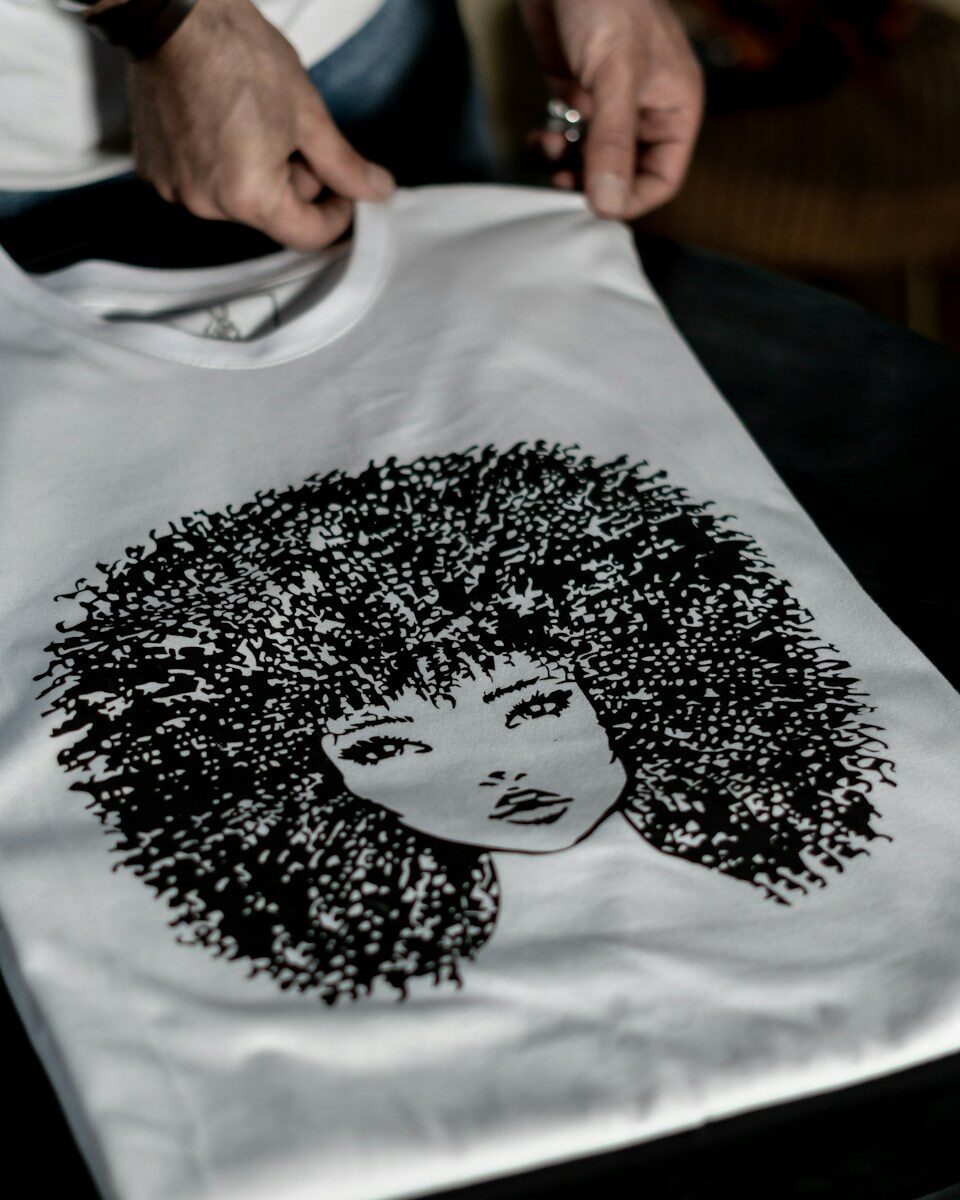
Photo by mojtaba mosayebzadeh on Unsplash
Do You Need a Special Heat Press for DTF Transfers?
DTF transfers don’t require a specialized “DTF-only” heat press. What they do require is a quality machine capable of delivering accurate temperature, consistent pressure, even heat distribution, and reliable timing.
Most DTF transfers call for temperatures around 290°F to 315°F, though many applications land closer to 300°F to 325°F depending on the transfer’s specific instructions. According to Printful’s guide on DTF printing, their recommended settings run closer to 165°C (about 330°F) for 15–20 seconds with a brief pre-press. That’s slightly above the range we typically see, which is a good reminder that settings vary by supplier. Always follow the application instructions that come with your specific DTF transfers rather than relying on a single universal number.
Pressure matters just as much as heat. Most DTF applications call for medium-to-firm pressure, generally around 40–60 PSI. A digital timer is essential too, since every garment needs the same pressing time to cure properly. When equipment is inconsistent, you risk poor adhesive curing, transfers that peel after washing, and uneven finishes across a production run.
For a manufacturer’s perspective on what separates a reliable press from an unreliable one, East West Machines’ guide on how to choose the right heat press points out that cold spots often occur when a platen simply doesn’t have enough heating elements—something worth checking before you buy.
What Kind of Press Do You Need for DTF Transfers?
There isn’t one “correct” style of heat press for DTF work. The right choice depends on your garment types, production volume, and workspace. Here’s how the main categories compare.
Clamshell Presses
Clamshell presses open like a laptop lid, making them compact and fast to operate. They’re a popular starting point for small businesses and beginners because they take up less workspace and are simple to use.
The tradeoff is reduced access around the garment. Thicker materials can create uneven pressure, and bulky items can be harder to position correctly. The Heat Press Nation Signature Series offers beginner-friendly clamshell options, and the Fancierstudio Heat Press is a common first upgrade for those just getting started.
Swing-Away Heat Presses
With a swing-away press, the heating element swings completely clear of the platen, giving you full access for accurate placement. This design is safer when working with thicker garments and easier when layering or aligning multiple design elements.
Swing-away presses tend to work best for hoodies, jackets, and other thick fabrics, which makes them a solid choice for businesses producing a varied product line.
Draw-Out / Drawer-Style Heat Presses
Draw-out presses combine the benefits of clamshell and swing-away designs. The lower platen slides out toward the operator, making garment placement easier while still maintaining production speed.
Pneumatic Heat Presses
Pneumatic presses use air pressure instead of manual clamping, which is why they’re common in production environments. They deliver consistent pressure across every press and reduce operator fatigue during long runs—an important factor for high-volume shops.
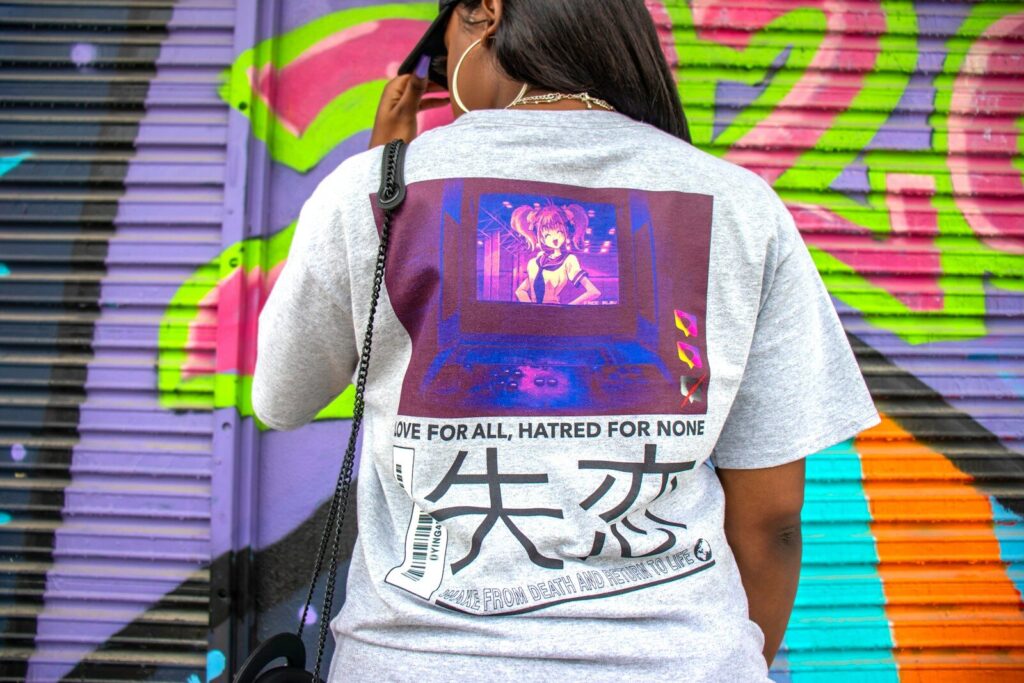
Photo by Corey Watson on Unsplash
7 Features to Look For in the Best Heat Press for DTF Transfers
1. How Accurate Does Temperature Control Need to Be?
Temperature accuracy is the foundation of a successful DTF press. Since DTF transfers require consistent heat activation, your press should reliably reach approximately 290°F to 315°F for most applications. A digital display showing the correct number isn’t enough on its own—some machines display accurate readings but still heat unevenly across the platen, which is why even heat distribution (covered in feature four) matters just as much.
Look for digital temperature controls with fine-tuned settings rather than basic dial adjustments. For reference, the Geo Knight DK20S can reach a maximum temperature of 600°F, which makes it a versatile option across different applications beyond just DTF.
2. Is the Pressure Consistent and Adjustable?
Pressure is just as important as heat, and it’s often overlooked. DTF transfers generally require medium-to-firm pressure, in the range of 40–60 PSI. Too little pressure prevents proper adhesive bonding, while too much can distort the finished design.
Look for adjustable pressure controls and, ideally, a digital pressure readout. Manual presses require you to set pressure by feel, while pneumatic presses apply it automatically and consistently—an advantage for larger production environments where repeatability matters more than fine manual control.
3. What Platen Size Is Right for DTF Transfers?
Platen size directly affects what you can produce and how efficiently you can produce it. A larger platen gives you flexibility for bigger designs, and a 16×20 inch press is often considered the ideal size for DTF work because it comfortably handles full-front shirt designs, hoodies, and other larger apparel projects.
Common sizes include:
- 15″x15″ — a standard size suitable for many everyday apparel projects
- 16″x20″ — a versatile option for growing businesses and production shops
- Very small presses — useful for baby clothes, sleeves, and other small items
The ColDesi Ergo Press, for example, features a 16″x20″ platen, which illustrates why this size is popular among businesses that want room to grow into larger designs.
4. Does the Press Distribute Heat Evenly?
Even heat distribution prevents a whole category of problems. DTF transfers need consistent temperature across the entire platen, not just at the center. Uneven heating can cause adhesive curing issues, missing activation in certain areas, and weak adhesion that shows up after the first wash.
Heat presses with cast aluminum heating plates tend to provide better heat consistency than lighter-weight alternatives, which is one more reason build quality and heating-plate construction deserve attention before you buy.
5. What Adjustable Settings and Convenience Features Matter Most?
Beyond temperature and pressure, a few convenience features make daily production noticeably easier: a digital timer, precise temperature controls, adjustable pressure, and auto-open functionality.
Auto-open presses lift automatically once the set time expires, which helps prevent scorching and reduces operator fatigue during long shifts. The Geo Knight DK20A, for example, features an auto-open design that improves consistency across repeated production runs.
6. How Much Garment Access and Ease of Use Do You Need?
Garment access affects both speed and quality. Threadable lower platens allow garments to slide directly over the platen, which helps you avoid pressing over seams, zippers, and other uneven pressure points that can cause weak spots in the transfer.
Swing-away presses generally offer the best access for careful placement, while clamshell presses save space but can be limiting with thicker items.
Will a Cricut heat press work for DTF transfers? The Cricut EasyPress 3 is popular among beginners because of its simplicity, and it can work for small hobby projects. However, dedicated heat press machines are typically better suited for businesses that need to produce consistent results across regular orders.
7. How Durable Does the Press Need to Be?
A heat press is a long-term business investment, not a one-time purchase to replace every year. Commercial-grade presses are built for heavy, repeated workloads, and metal construction is generally a sign of stronger durability.
Geo Knight presses are known among many apparel businesses for long-term reliability, with many owners reporting over a decade of consistent use. When you’re comparing options, build quality should weigh just as heavily as price.
Choosing the Right Heat Press Based on Your Business Needs
What’s the Best Heat Press for Beginners and Hobby Creators?
Smaller clamshell presses with simple, easy-to-use controls and a lower upfront investment make the most sense here. The Cricut EasyPress 3 and Fancierstudio Heat Press are both solid starting points for small batches, personal projects, and learning the fundamentals of DTF application.
What’s the Best Heat Press for Small Businesses and Startups?
Etsy sellers, Shopify shops, and custom apparel startups generally benefit from a 15″x15″ or 16″x20″ machine with adjustable pressure and digital controls. This range offers enough platen size for growth without the cost of full commercial equipment.
What’s the Best Heat Press for Production Shops?
Established businesses running daily production or bulk orders should prioritize commercial-grade equipment, pneumatic presses, larger platens, and high durability. For a deeper look at matching equipment to demand, Printavo’s guide on print shop capacity planning walks through how to align people, equipment, production hours, and space with expected order volume.
If you’re still deciding whether DTF fits into your broader product mix, Printavo’s free DTF business kit compares DTF against screen printing, DTG, and vinyl, along with growth strategies for outsourcing versus bringing production in-house.
Common Heat Press Mistakes That Can Affect DTF Results
Incorrect temperature. Pressing too cool means the adhesive may not fully activate. Pressing too hot can cause a burn risk, and it can damage the transfer or the garment itself.
Uneven pressure. Inconsistent pressure across the platen can cause peeling or incomplete adhesion, even when temperature and timing are correct.
Pressing over seams or zippers. These create uneven pressure points. Use a threadable platen when possible to avoid them entirely.
Using low-quality equipment. Inconsistent machines make it difficult to deliver repeatable results, which becomes a real problem the moment you try to scale.
It’s also worth factoring in your workspace environment. DeconNetwork’s guide on DTF production setup notes that humidity around 50% or higher and a room temperature of 68–77°F help with proper powder curing—fully cured ink looks glassy, while uncured powder feels grainy and can cause issues once pressed and washed. And if your shop runs multiple presses in a tight space, OSHA’s heat safety guidance is a useful resource for keeping your team safe during long pressing shifts.
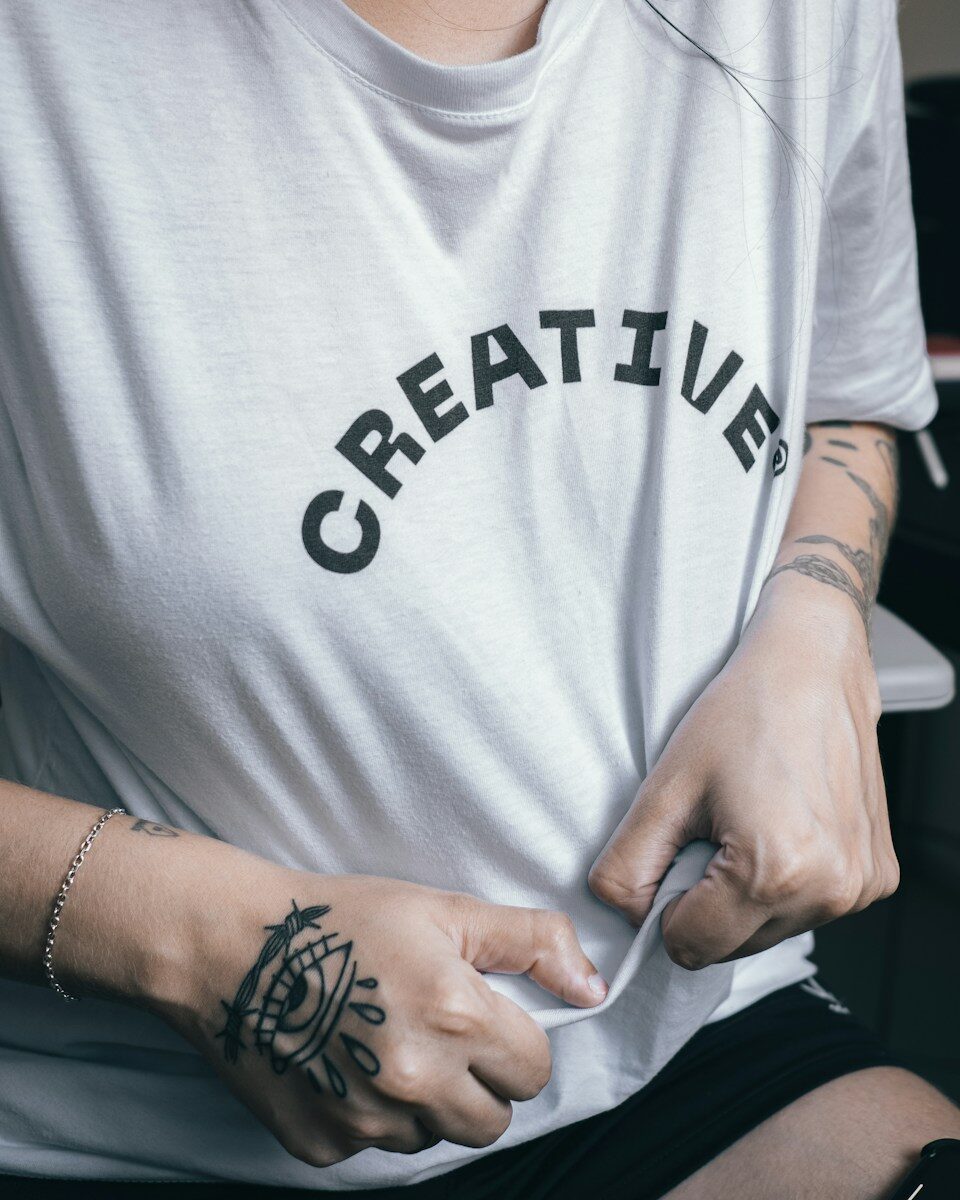
Photo by Thamara Maura on Unsplash
Pair Your Heat Press With High-Quality DTF Transfers
Even the best heat press can’t compensate for low-quality transfers, and the reverse is true too. Equipment and transfer quality work together to produce a finished product that looks professional and holds up to repeated washing.
At Limitless Transfers, we’ve earned back-to-back 1st Place Quality awards in DTF Printing for 2024 and 2025. Our transfers are true hot-peel, printed with expanded-gamut CMYK+RGBO+W color accuracy for vibrant, true-to-design results, and finished with a soft-hand feel. They work across cotton, polyester, blends, nylon, leather, denim, canvas, and wood.
If you’re still learning how different fabrics respond to heat and pressure, Textile School’s fabric category guide is a helpful reference before you press your first run on an unfamiliar material.
We also keep ordering simple: no setup fees, no or low minimums, free UPS Ground shipping on orders over $50, and same-day shipping when ordered by noon EST. Our gang sheet builder makes it easy to lay out multiple designs on one sheet, and we offer heat presses and supplies as part of a complete printing ecosystem—so you’re not sourcing equipment from one place and transfers from another.
Frequently Asked Questions About Heat Press Machines for DTF Transfers
Do you need a special heat press for DTF transfers?
No. You don’t need a press marketed specifically for DTF. You need a machine with accurate temperature control, consistent even pressure, even heat distribution, and a reliable digital timer.
What kind of press do you need for DTF transfers?
Clamshell and swing-away presses with accurate digital controls both work well for DTF. Swing-away presses offer better access for thicker garments, while clamshell presses are more compact and faster for high-volume, simple designs.
Will a Cricut heat press work for DTF transfers?
Yes, for beginners and small hobby projects. For businesses producing regular orders, a dedicated heat press machine typically delivers more consistent results.
Can you use DTF transfers with a heat press?
Yes. A quality heat press is the standard application method for DTF transfers, and it’s what activates the adhesive to bond the design to the garment.
What temperature and pressure should I use for DTF transfers?
Most DTF transfers require approximately 290°F to 315°F with medium-to-firm pressure around 40–60 PSI, though exact settings vary by supplier. Always follow the application instructions included with your specific transfers.
Final Thoughts: Finding the Best Heat Press for Your DTF Business
There’s no single “best” heat press for every business. The right choice depends on your budget, workspace, production volume, garment types, and growth goals. What stays constant across every stage is the need to prioritize five things: accurate temperature, reliable pressure, proper platen size, even heating, and durable construction.
Whether you’re pressing your first T-shirt at home or running a full production shop, reliable equipment paired with quality DTF transfers is what turns a good design into a professional, long-lasting finished product. At Limitless Transfers, we’re here to support both sides of that equation—with award-winning transfers, no minimums, fast turnaround, and the equipment and supplies to back it all up.