Oct 16, 2026 | Blog, DTF Printing
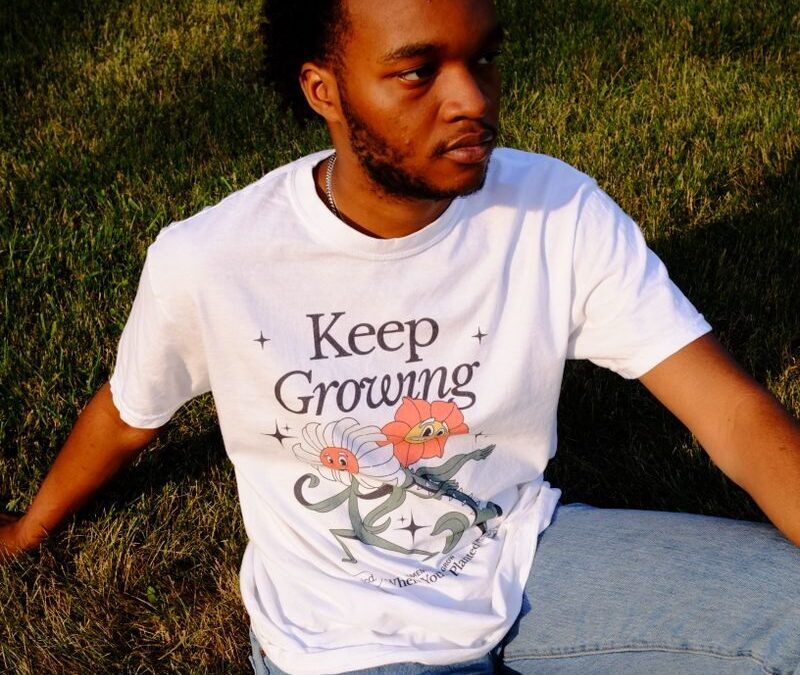
A DTF transfer usually fails to stick due to incorrect temperature, insufficient or uneven pressure, wrong pressing time, garment moisture, or improper peeling. Most issues are fixed by following your supplier’s application guide closely, pre-pressing garments,...
Oct 14, 2026 | Blog, DTF Printing
DTF transfers aren’t just for T-shirts. We’ve helped businesses, print shops, and Etsy sellers turn one decorating method into hoodies, tote bags, denim jackets, uniforms, event merch, and more. Because our transfers work on cotton, polyester, blends,...
Oct 13, 2026 | Blog, DTF Printing, HOW TO
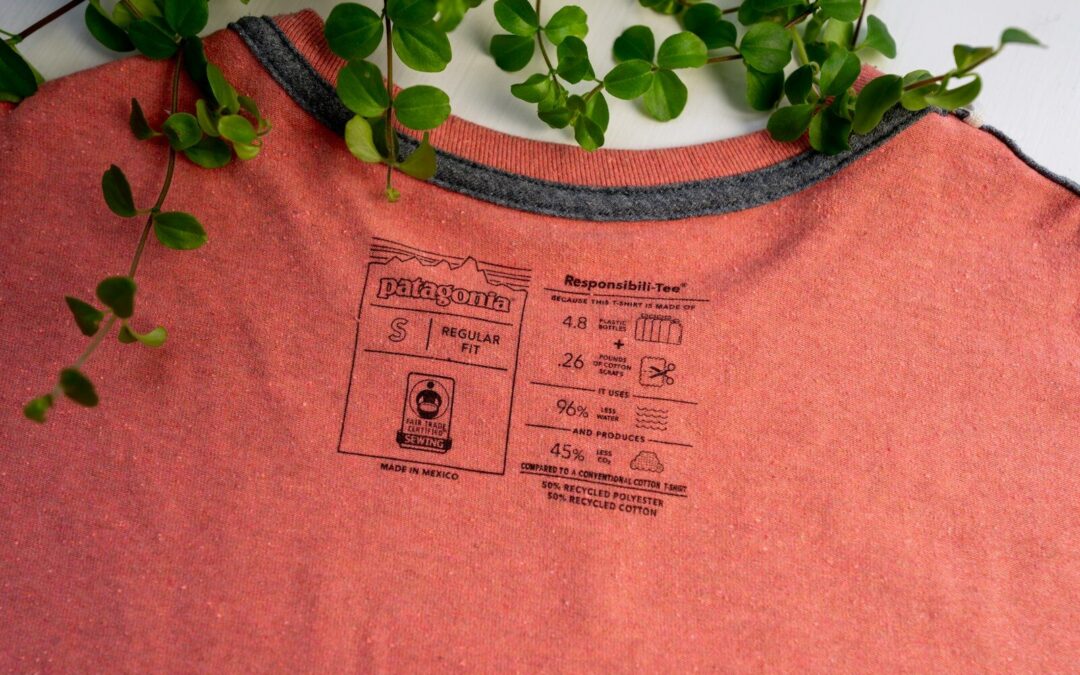
The right DTF transfer size depends on garment type, garment size, and artwork shape. Left chest designs work best at 3″–4″, standard fronts at 9″–11″, and full backs at 10″–14″. Measure the actual garment, test placement first, and...
Oct 12, 2026 | Blog, DTF Printing, HOW TO
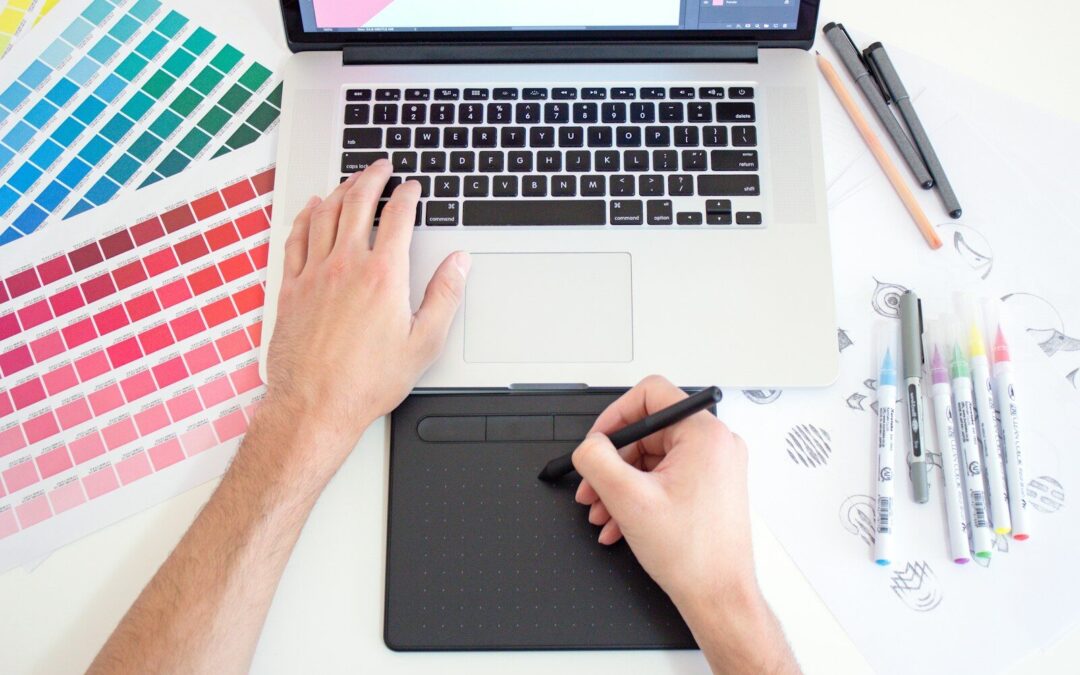
To prepare DTF designs for professional printing, use high-resolution artwork (300 DPI recommended), export files as PNG with a transparent background and RGB color mode, keep lines at least 4 pixels thick, and size your design to match its intended placement....

Oct 9, 2026 | Blog, DTF Printing, Things To Create With DTF Transfers
DTF (Direct-to-Film) transfers let small businesses print custom apparel without buying expensive equipment or committing to bulk minimums. Transfers are printed on PET film, cured, and heat-pressed onto garments at roughly 315°F for 15 seconds. They work on cotton,...
Oct 7, 2026 | Blog, DTF Printing, Things To Create With DTF Transfers
The right DTF transfer depends on five factors: garment type, design size, artwork quality, order quantity, and production workflow. Cotton, polyester, blends, canvas, denim, and even leather all take DTF transfers well, but sizing, file prep, and whether you choose...