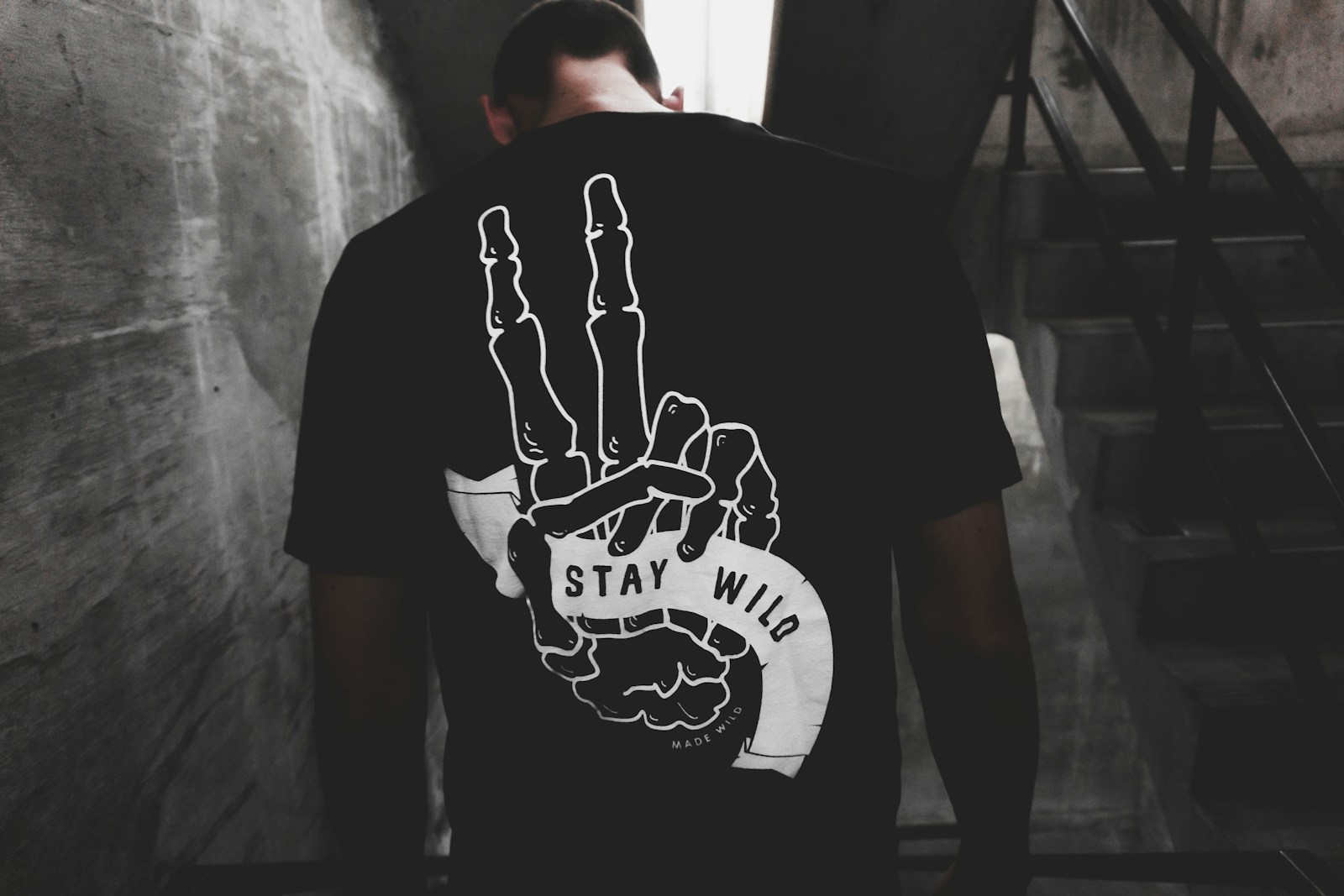
If you’ve been in the garment decoration industry for any length of time—or even if you’re just starting your first Etsy shop—you’ve likely noticed a massive shift. I’m seeing more decorators ask about DTF prints than ever before, and there’s a good reason for it.
The problem with older garment decoration methods like screen printing or traditional vinyl is that they often come with barriers. Screen printing requires high setup fees and minimum order quantities that just don’t make sense for small runs. Vinyl can feel thick, heavy, and takes forever to weed. Direct-to-film (DTF) printing raised the bar for quality and flexibility, effectively bridging the gap between high-volume commercial production and the agility needed for modern e-commerce.
At Limitless Transfers, we’ve seen firsthand how this technology empowers creators. Whether you are printing one shirt or one thousand, understanding this process is the key to unlocking better profitability and higher customer satisfaction.
What Is a DTF Print?
Let’s start with the basics. A DTF print is exactly what it sounds like: a design printed directly onto a specialized film using specific water-based inks. Unlike direct-to-garment (DTG) printing, which sprays ink right onto the fabric, DTF creates a transfer that is ready to be heat-pressed onto your item.
How do direct-to-film transfers differ from traditional heat transfers? Traditional methods often rely on standard inkjet printers and basic transfer paper, which can crack or fade after a few washes. DTF utilizes a unique powder adhesive that binds the ink to the fabric, resulting in a durable, stretchable, and vibrant design that feels much more integrated into the garment.
Why does DTF work so well for modern custom apparel? It removes the limitations of fabric type. While sublimation only works on polyester and DTG favors cotton, DTF plays nice with almost everything—cotton, poly, blends, leather, and even wood.
How the Direct-to-Film Printing Process Works
It might look like magic when you peel that film back, but the science behind it is fascinating. The process starts by printing artwork onto a PET film using a specialized DTF printer.
Here is where the quality really shines:
- The Print: The printer lays down the CMYK colors first, followed by a layer of white ink. This white layer is crucial—it acts as a base that makes your colors pop, even on black or dark-colored garments. This allows for unlimited colors and gradients without the need for separate screens for each shade.
- The Powder: While the ink is still wet, a hot-melt adhesive powder is applied.
- The Cure: The film goes through a heating tunnel to melt the powder and cure the ink.
This combination of ink and adhesive turns the printed film into a press-ready transfer. Why does this process deliver consistent, premium quality? Because it is digital. The DTF printer replicates your digital file with incredible precision every single time, ensuring that the hundredth print looks exactly like the first.
Why DTF Transfers Produce Better Print Quality
When we talk about DTF transfers and print quality, we are talking about two main things: vibrancy and durability.
Because we use a white underbase, vibrant colors stay bold on both light and dark garments. You don’t have to worry about the shirt color showing through and muddying your design. Furthermore, sharp details and full color designs hold up exceptionally well over time. The ink is flexible, meaning it moves with the fabric rather than cracking against it.
This method also helps you avoid common color limitations seen in screen printing. If your customer wants a photograph or a complex gradient with shadowing, screen printing would be a nightmare of separations and setup costs. With custom dtf printing, it’s just as easy to print a photo-realistic dog portrait as it is to print a simple text logo.
Photo by Artificial Photography on Unsplash
DTF Printing Vs Other Apparel Decoration Methods
I get asked constantly how this stacks up against the “old school” ways.
DTF vs. Screen Printing:
Screen printing is still king for massive runs of simple designs (think 500+ shirts with a one-color logo). However, for small runs and full color jobs, screen printing can’t compete on cost or speed. With DTF, there are no art fees for color separation and no setup fees for burning screens.
DTF vs. Custom Heat Transfers (Vinyl/HTV):
Weeding vinyl is a time-suck. If you have a complex design with fine text, you could spend twenty minutes weeding out a single design. Custom heat transfers made via DTF arrive ready to press. No weeding, no masking.
Why is DTF more cost-effective for growing brands? It allows you to operate with no minimum order requirements. You can test a design with minimal risk. When DTF is the preferred choice, it’s usually because you need speed, color variety, and versatility without the headache of inventory.
Why Custom DTF Transfers Are So Easy to Apply
Application is where the rubber meets the road. We know time is money, which is why we engineered our transfers to be as user-friendly as possible.
Using a dtf heat transfer requires a commercial heat press. You simply position the transfer, press for the recommended time (usually around 10-12 seconds), and you’re done.
One major distinction in the industry is hot peel vs. cold peel. At Limitless Transfers, we specialize in true hot-peel transfers. This means you can peel the film immediately after opening the press. You don’t have to wait for the shirt to cool down or rub it with a cloth. This is a massive game-changer for production speed.
- Note: While some hobbyists try using a home iron, we generally don’t recommend it for professional results. A heat press ensures consistent pressure and temperature, which is vital for the adhesive to bond correctly. Investing in a good press ensures excellent quality that your customers will trust.
How Gang Sheets Make DTF Even More Efficient
If you want to save serious money, you need to know about DTF gang sheets.
A DTF gang sheet is simply a large sheet of transfer film (we offer sheets 22.5″ wide by any length) where you fit as many designs as possible. It’s like playing Tetris with your artwork.
By combining designs on one sheet, you save money per print. Instead of paying for individual transfers, you pay for the linear foot of film. This is ideal for shops printing for multiple shirts and brands at once. You can fit your left chest logos, neck labels, and full back designs all on the same roll. It reduces waste and maximizes your profit margin.
File Types and Artwork Setup for Best Results
Garbage in, garbage out—that’s the rule of digital printing. To get those award-winning custom dtf results, your artwork needs to be set up correctly.
Preferred file types are generally PNGs with a transparent background, or vector files like PDF, AI, or EPS. Transparency is key; if your background is white, the printer will print white ink there. You want the fabric to be the background, not a white box.
Good artwork protects sharp details and color accuracy. We recommend a resolution of 300 DPI (dots per inch). This ensures that your curves are smooth and your edges are crisp. When you upload high-quality files, you get unlimited colors and vibrant colors that truly pop off the garment.
Why DTF Works Across So Many Fabrics
One of the biggest headaches in custom apparel is inventory management. You used to need different types of transfers for nylon, cotton, and polyester.
DTF solves this. We print on:
- Cotton
- Polyester
- Blends (Tri-blends, 50/50)
- Nylon
- Leather
- Denim
- Canvas
- Wood
The performance on t-shirts and everyday apparel is outstanding. The “soft hand” feel of our transfers means the print doesn’t feel like a plastic shield on your chest. It’s breathable and comfortable. Plus, dtf transfers stay durable after repeated wear and washing, often outlasting the garment itself if applied correctly.
Why We Built Our Process Around DTF Printing
At Limitless Transfers, our mission is to make your business easier. We focused on premium DTF transfers and consistency because we saw a gap in the market for reliable suppliers.
We offer same-day shipping on orders placed by noon EST because we know your customers demand fast delivery. We eliminated barriers to entry: no setup fees, no order minimums, and fast turnaround times are standard here.
Whether it’s your first order for a family reunion or you represent a large print shop needing bulk fulfillment, our system scales with you. We are proud to be a one-stop shop—not just for transfers, but for the supplies, heat presses, and knowledge you need to succeed.
Photo by Sincerely Media on Unsplash
Is DTF Printing Right for You?
If you value speed, quality, and flexibility, then the answer is likely yes. Direct-to-film printing is becoming the go-to solution in custom apparel because it solves the pain points that have plagued decorators for decades.
It benefits the DIY crafter who wants professional results without expensive equipment. It benefits the startup brand that can’t afford inventory risk. And it benefits the established shop that needs to turn jobs around in 24 hours.
We encourage you to choose a process that grows with your business. With Limitless Transfers, you aren’t just buying a print; you’re gaining a partner dedicated to your success.
Ready to Print?
Don’t let setup fees or slow shipping slow you down. Experience the difference of award-winning, hot-peel transfers today.
Upload your artwork or start a DTF order now and see why thousands of customers rate us five stars. Get free UPS Ground shipping on orders over $50 and take your printing game to the next level!
Helpful Resources | DTF Transfers
- How to Press DTF Transfers: A Step-by-Step Guide: Learn how to press DTF transfers for vibrant and flawless results with this detailed guide. Read the article
- How to Press and Apply DTF Transfers: A practical guide on pressing and applying DTF transfers, including temperature settings and techniques. Learn more
- DTF Printing Tips and Tricks: Explore tips and tricks to improve your DTF printing process and achieve professional results. Visit the resource
- Beginner’s Guide to DTF Printing: A beginner-friendly guide that explains the essentials of DTF printing, from setup to application. Read the guide
- DTF Transfer for Beginners: Essential Tools and Supplies: Learn about the basic tools and supplies needed for DTF printing, perfect for beginners. Read more here
- The Ultimate Guide to Custom DTF Transfers: A comprehensive guide covering everything from the basics to advanced tips for custom DTF transfers. Explore the guide
- DTF Printing Tutorials, Articles & Other Useful Resources: Discover step-by-step tutorials, articles, and techniques for DTF printing at ColDesi. Check it out