Why does a perfectly good transfer sometimes fail? After years in this business, I can tell you it’s rarely because of bad materials. More often than not, the culprit is the setup. I’ve seen countless failed prints that could have been avoided with a few simple adjustments to the heat press process. For small businesses, DIY creators, and busy print shops, a properly used heat press machine is a game-changer. It’s the key to achieving consistent results, vibrant prints, and fewer wasted transfers.
This guide is designed to help you fix common mistakes right away. We’ll walk through ten essential tricks that will improve your pressing technique, boost your confidence, and ensure every creation you make is professional-grade. Let’s get your heat press working for you, not against you.
1. Start With the Right Heat Press Machine (Not All Are Equal)
A great print starts with a reliable heat press machine. While hobby presses are great for starting out, you’ll quickly notice a difference in quality and consistency. Commercial-grade presses are built for business growth, offering stable power, even platen quality, and precise temperature control. When you’re looking to expand, investing in a machine that delivers consistent performance is non-negotiable. Look for a press with a solid frame, digital controls, and a platen that heats evenly from edge to edge. This is the foundation of a successful print business.
2. Dial In Heat Distribution Before You Press Anything
Uneven heat distribution is a leading cause of faded prints and poor durability. If your platen has hot and cold spots, your transfers won’t adhere properly, leading to peeling and cracking after just a few washes. You can test for this with a simple infrared temperature gun. Check multiple spots across the platen to ensure the heat is consistent. If you find significant variations, it might be time to upgrade your equipment. Consistent heat is critical for achieving the professional results your customers expect.
3. Pressure Settings Make or Break Your Transfers
Pressure is just as important as temperature, but it’s often overlooked. The right amount of pressure ensures the transfer fully bonds with the fabric fibers. Too little pressure results in a weak bond, while too much can cause the adhesive to spread too thin, creating a “halo” effect around your design.
Experiment to find the right pressure settings for different materials. A firm pressure is usually recommended for our DTF transfers. For thicker items like hoodies or items with seams like tote bags, you may need to use a pressing pillow to achieve even pressure across the entire design surface, including shirts, hats, and even wood.
4. Preheat Every Garment (Yes, Every Time)
This is a simple step that makes a huge difference. Preheating your garment for 5-10 seconds before placing the transfer does two things: it removes moisture and it smooths out wrinkles. Moisture is the enemy of a good heat transfer, as it can turn into steam and interfere with adhesion. This is especially important for polyester fabrics, dark garments, or thicker materials that tend to hold more moisture. Make preheating a non-negotiable part of your workflow for improved adhesion and durability.
5. Know When to Use Heat Transfer Vinyl vs. Custom Transfers
While we specialize in Direct-to-Film (DTF), it’s important to know your options. Heat transfer vinyl (HTV) is great for simple, single-color designs or projects where you need a specific finish, like glitter or foil. It remains a practical choice for certain applications.
However, for full-color, detailed graphics, custom transfers like DTF are superior. They offer a soft-hand feel, incredible detail, and the ability to print complex images without tedious weeding. We help creators choose the right solution for their shop or budget, ensuring they have the best tools for every project.
6. Follow Recommended Time and Temperature Exactly
When it comes to heat pressing, “close enough” is not good enough. Every type of transfer has a specific combination of time, temperature, and pressure that guarantees the best results. Deviating from these recommendations is one of the most common mistakes I see, often leading to prints that crack, peel, or fade prematurely. Our true hot-peel DTF transfers are engineered for a specific application process to maximize speed and quality. Sticking to the recommended settings protects the life of your print and ensures consistent results every time.
7. Master T-Shirts, Tote Bags, and Everyday Products
Pressing different items requires slight adjustments. While the core principles remain the same, you need to adapt your technique for various fabrics and surfaces.
- T-Shirts: For standard cotton or poly/cotton blend t-shirts, a firm pressure and our recommended time/temp settings work perfectly. Always preheat to remove moisture and wrinkles.
- Tote Bags: Canvas tote bags are thicker and may have seams. Use a pressing pillow inside the bag to create a smooth, even surface for the transfer. This ensures the pressure is distributed correctly across the design.
Mastering these everyday products will give you the confidence to expand your offerings and tackle more complex projects with professional-looking results.
8. What Your Heat Press Needs for DTF Printers and Transfers
Direct-to-Film (DTF) transfers have revolutionized the custom apparel world, but they require a heat press that can deliver consistent heat and firm pressure. Our award-winning DTF transfers are designed as true hot-peel products, which means you can peel the film away immediately after pressing. This drastically speeds up production and reduces errors, allowing you to fulfill orders faster. For anyone looking to scale their business, pairing high-quality DTF transfers with a reliable press is the ultimate combination for efficiency and quality.
9. Don’t Forget Safety and Maintenance
A heat press is a powerful piece of equipment and should be treated with respect. Always work in a well-ventilated area and keep your hands clear of the hot platen. Beyond safety, routine maintenance is key to extending the life of your press. Keep the platen clean from any adhesive or ink residue by wiping it down (when cool) with a soft cloth. These small habits will improve your press’s durability and ensure it performs reliably for years to come.
10. Build a Setup That Grows With Your Business
As your business grows, your setup should grow with it. Think about investing in accessories and supplies that increase your efficiency and versatility. Interchangeable platens allow you to press on different items like hats, mugs, and sleeves. A well-organized workspace with all your tools within reach can also streamline your creation process. When you’re ready to sell, scale, and expand, having reliable transfers and a versatile setup means there are no limits to what you can create.
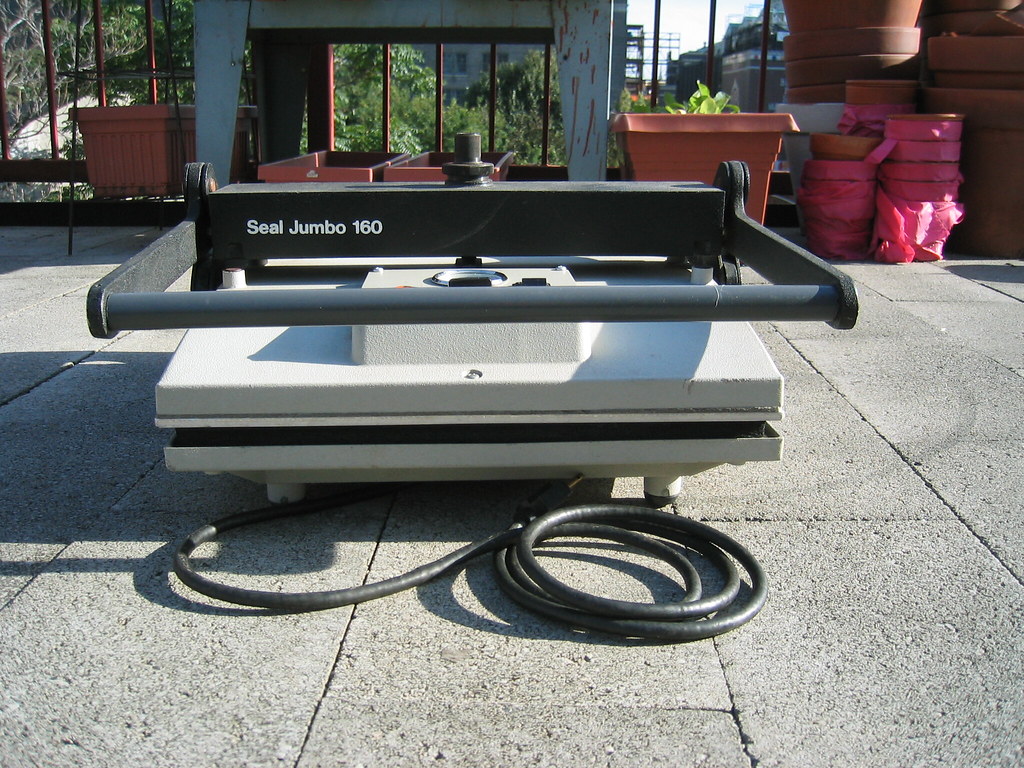
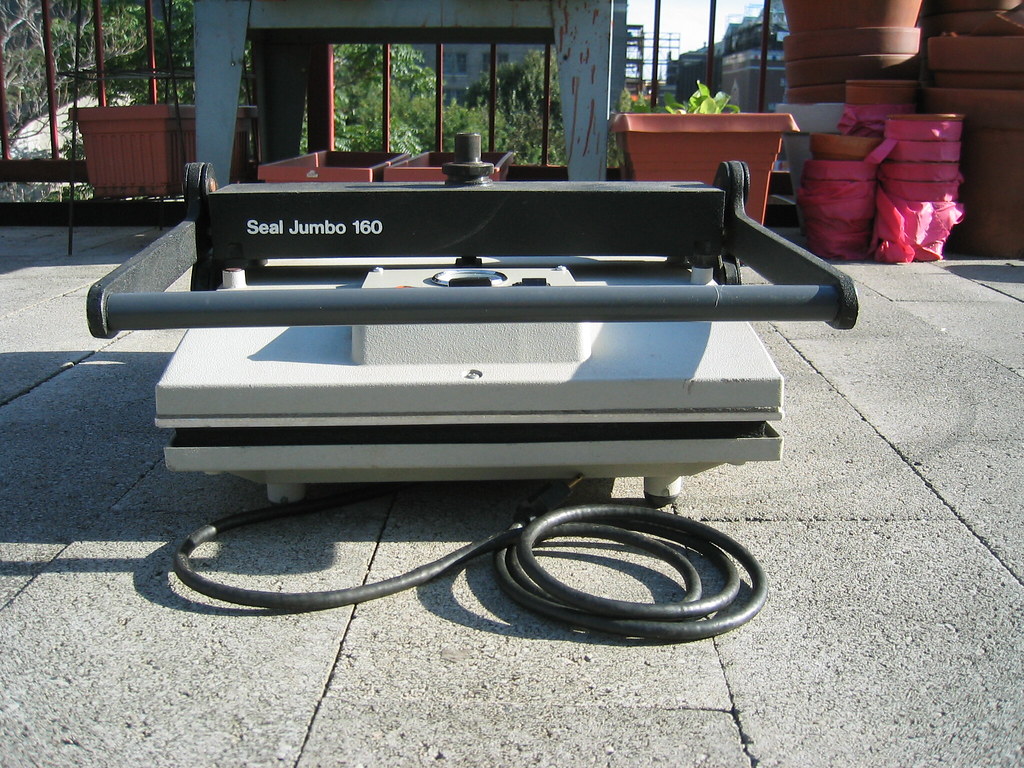
“tshirt press” by activefree is licensed under CC BY 2.0
Better Pressing Starts With Better Systems
Mastering your heat press is about building better systems. When you control for variables like temperature, pressure, and time, you eliminate guesswork and waste. The result is better prints, happier customers, and a more profitable business.
I built Limitless Transfers to support creators at every stage of their journey. We’re here to provide you with the highest quality transfers and the knowledge to use them effectively. I encourage you to test these tricks, improve your process, and create with the confidence that comes from having a reliable partner in your corner.
Press Smarter With Limitless Transfers
Ready to see the difference quality makes? Shop our award-winning, true hot-peel DTF transfers today. With no minimums, fast turnaround, and free shipping on orders over $50, we make it easy to get started or scale up. We’re more than just a supplier—we’re your long-term partner in success.
Resources for Heat Press Success
Mastering your heat press technique goes beyond just owning the machine. Whether you are a hobbyist making custom tees or a small business owner scaling up production, having reliable information is crucial. These links will help you refine your process.
- Etsy Seller Handbook (Production & Shipping): Even if you don’t sell on Etsy, their “Seller Handbook” offers fantastic, platform-agnostic advice on packaging heat-pressed goods, managing inventory, and pricing your handmade items for profit. It focuses on the business side of running a custom apparel shop. etsy.com/seller-handbook
- The T-Shirt Forums: If you have a specific question, chances are someone here has already answered it. The “Heat Press and Heat Transfers” section is filled with real-world advice, honest reviews of materials (not machines), and community support for troubleshooting tricky fabrics. t-shirtforums.com
- Specialty Graphic Imaging Association (SGIA) / PRINTING United Alliance: Membership or access to their public resources connects you with industry standards, safety protocols, and the latest trends in garment decoration. It’s excellent for business owners looking to professionalize their operation and network with others in the field. printing.org
- STAHLS’ TV: Educational Video Library: This is a goldmine for visual learners. You can find step-by-step guides on everything from basic application techniques to advanced layering methods. Their troubleshooting videos are particularly useful when you run into common issues like peeling or scorching. stahls.com/stahls-tv
- Pantone Color Systems: Color matching is a huge part of heat transfer design. Using the Pantone system ensures that the design you see on your screen matches the transfer you order and the final result on the shirt. Their guides help you communicate precise color needs to transfer vendors and clients. pantone.com
- OSHA: Textile Industry Safety Standards: Heat presses involve high temperatures and pressure, which present workplace hazards. Reviewing these standards helps you set up a safe workspace, understand proper ventilation requirements, and prevent burn injuries or ergonomic strain during long production runs. osha.gov/textiles
- Cotton Incorporated: Fabric Care & Technical Guides: Since cotton is the most common substrate for heat pressing, understanding how it reacts to heat is vital. Their technical guides explain fiber properties, shrinkage issues, and how to maintain fabric integrity, ensuring your prints last longer on the garment. cottonworks.com